
Watch on Sunday, Learn on Monday: You Made the Wrong Call. What Happens Next?
Lewis Hamilton started Sunday’s Bahrain Grand Prix in Malaysia from the front row.
Not long afterwards, he was down in 18th.
Ferrari had taken a gamble. With the track wet but conditions expected to improve, they opted for slick tyres while most of the field chose intermediates.
It didn't work.
Hamilton later admitted his “heart sank” as he watched the cars around him disappear up the road. What had started as an opportunity to fight for victory suddenly looked like a race that had been thrown away.
But a couple of hours later, Hamilton was standing on the podium.
And I think there is a great business lesson in what happened in between.
You won't get every decision right
One of the realities of leadership is that we make decisions without knowing exactly what is going to happen next.
We recruit people without knowing precisely how they will perform.
We invest in ideas without knowing whether customers will buy them.
We choose suppliers, launch products, enter partnerships, change strategies and pursue opportunities based on the information available to us at that particular moment.
Sometimes we get it right.
Sometimes we don't.
Ferrari looked at the conditions in Malaysia and made a call. Had the circuit dried quickly, perhaps we would have been talking about a strategic masterstroke.
Instead, Hamilton plummeted down the order.
The temptation when something like that happens in business is to spend too much time looking backwards.
Why did we make that decision?
Who got it wrong?
What should we have done differently?
Those questions have their place. Reflection matters. Learning matters. Accountability matters.
But none of them changes where you are now.
The next decision matters more than the last one
Hamilton couldn't ask for the race to be restarted.
Ferrari couldn't go back and choose a different tyre.
They had to deal with the situation they had created.
And Hamilton did exactly that.
He stayed in the fight.
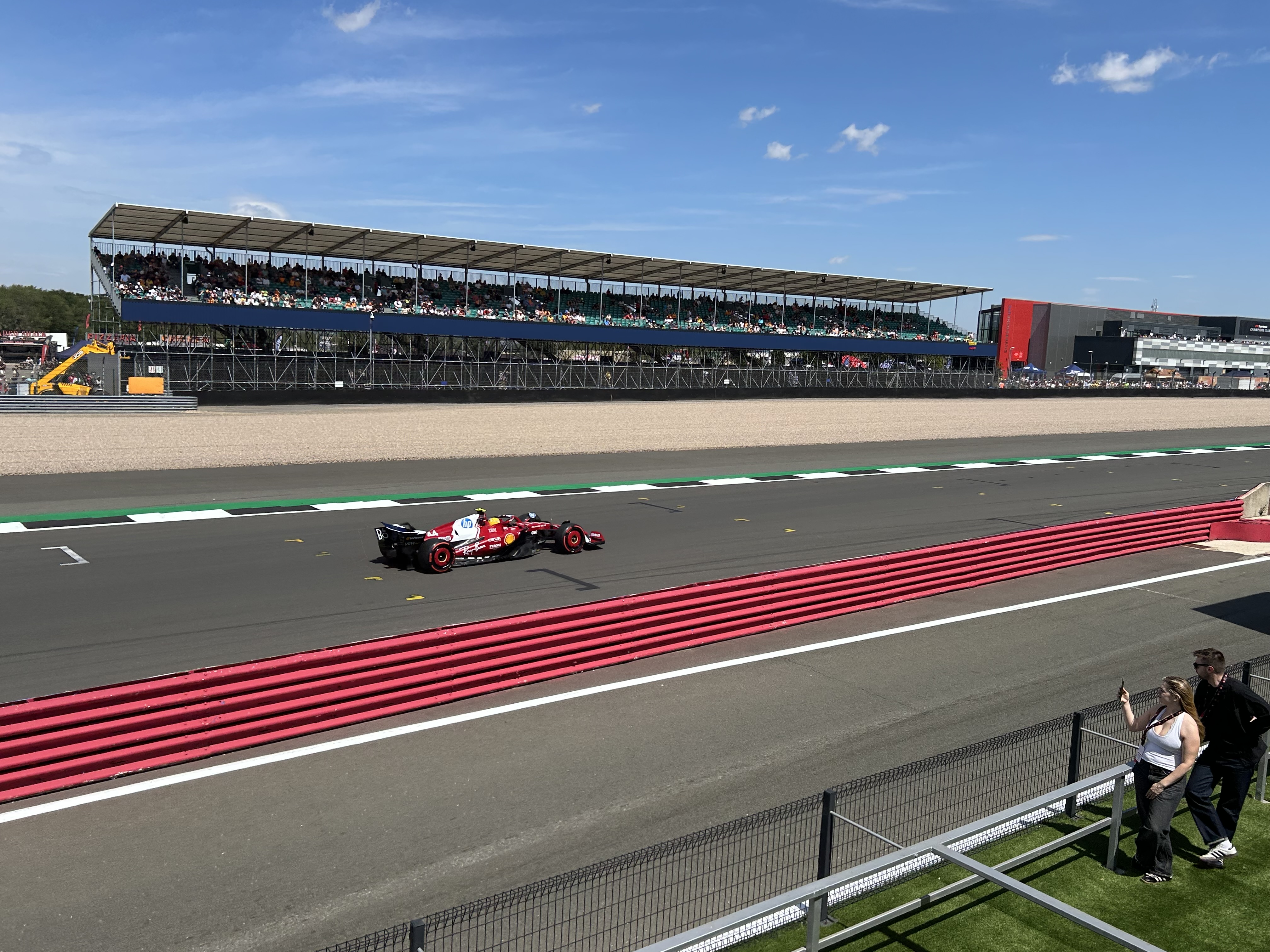
As conditions evolved, the Ferrari came alive. He started moving back through the field. Later interventions from the Virtual Safety Car and Safety Car helped compress the pack, giving him an opportunity - but he still had to be in a position to take advantage of it.
When the race restarted for the final few laps, Hamilton passed Isack Hadjar and completed a remarkable recovery to finish third.
From 18th to the podium.
The original decision hadn't suddenly become a good one.
What changed was the response to it.
And that's the bit I think matters in business.
Don't compound a bad decision
I've seen this in business - and I've undoubtedly done it myself.
Sometimes the biggest cost isn't the original mistake.
It's everything we do afterwards trying to prove that it wasn't a mistake.
We continue investing in an idea because we've already spent money on it.
We persist with a strategy because changing direction might look like admitting we were wrong.
We defend a decision long after the evidence has changed.
Or we spend so much time analysing what went wrong that we miss the opportunity appearing in front of us.
The strongest leaders I've met aren't necessarily the people who make fewer mistakes than everyone else.
They're often the people who recognise them quicker.
They separate “Was that the right decision?” from “What is the right decision now?”
Those are two very different questions.
Stay in the race
There's another part of Hamilton's recovery that I like.
He couldn't have known that the race would eventually come back towards him.
He couldn't know George Russell would retire late on.
He couldn't know exactly when a Safety Car might appear.
All he could do was keep himself in a position where, if an opportunity arrived, he could take it.
Business can be remarkably similar.
A proposal you thought you had lost suddenly comes back.
A potential client who went quiet gets back in touch.
A product that wasn't quite working finds the right market.
A conversation from six months ago unexpectedly turns into an opportunity.
You can't control when those moments arrive.
You can control whether you're still in the race when they do.
Hamilton was.
Learn from Sunday. Move forward on Monday.
Ferrari should absolutely review the decision to start on slick tyres.
They should look at the data, understand the thinking and decide what they would do differently next time.
That's how high-performing teams improve.
But Hamilton's race is also a reminder that there comes a point when analysing yesterday stops being useful.
The question then becomes:
What is the best decision we can make from where we are now?
Because leadership isn't about getting every call right.
It's about recognising when you've got one wrong, adapting quickly and refusing to let one poor decision determine the final result.
Lewis Hamilton couldn't change Ferrari's first decision on Sunday.
He could influence every decision that came afterwards.
He started second.
He fell to 18th.
He finished third.
Sometimes success isn't about avoiding the setback.
It's about what you do next.
Watch on Sunday. Learn on Monday.






.jpeg)












.png)
.png)
.png)
.png)