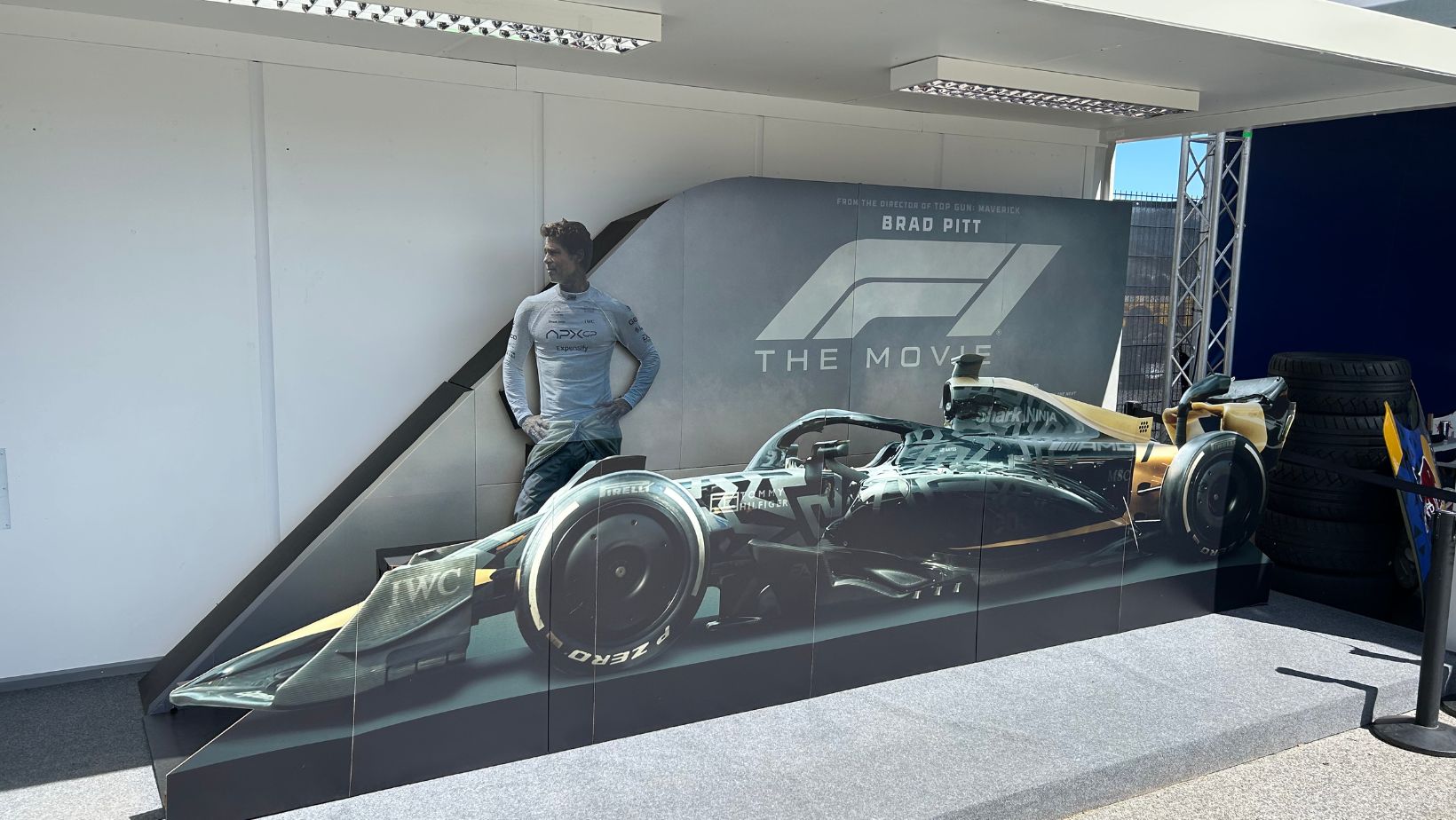

Harry Benjamin: Save Your Best Thinking for When It Matters
By the time Formula 1 reaches the final race before the summer break, I will have worked seven consecutive weekends.
There have been races, flights, hotels, commentary sessions, interviews, production meetings and the usual amount of time spent trying to remember which country I am waking up in. It is a brilliant job and I am very aware of how fortunate I am to do it, but a run like this does expose every inefficient part of your working life.
When you are fresh, you can get away with a clumsy system. You can spend too long searching for a document, rewrite notes you already made or make the same small decision five times. When the weekends keep coming, those little inefficiencies begin to matter.
My natural response to a busy period has often been to work harder. More preparation. More notes. More information. Another hour at the laptop, just in case the extra statistic on page 47 turns out to be the one I desperately need during the race.
Sometimes that additional work is useful. Sometimes it just creates a larger pile of information to search through while 22 Formula 1 cars approach the first corner at 180mph.
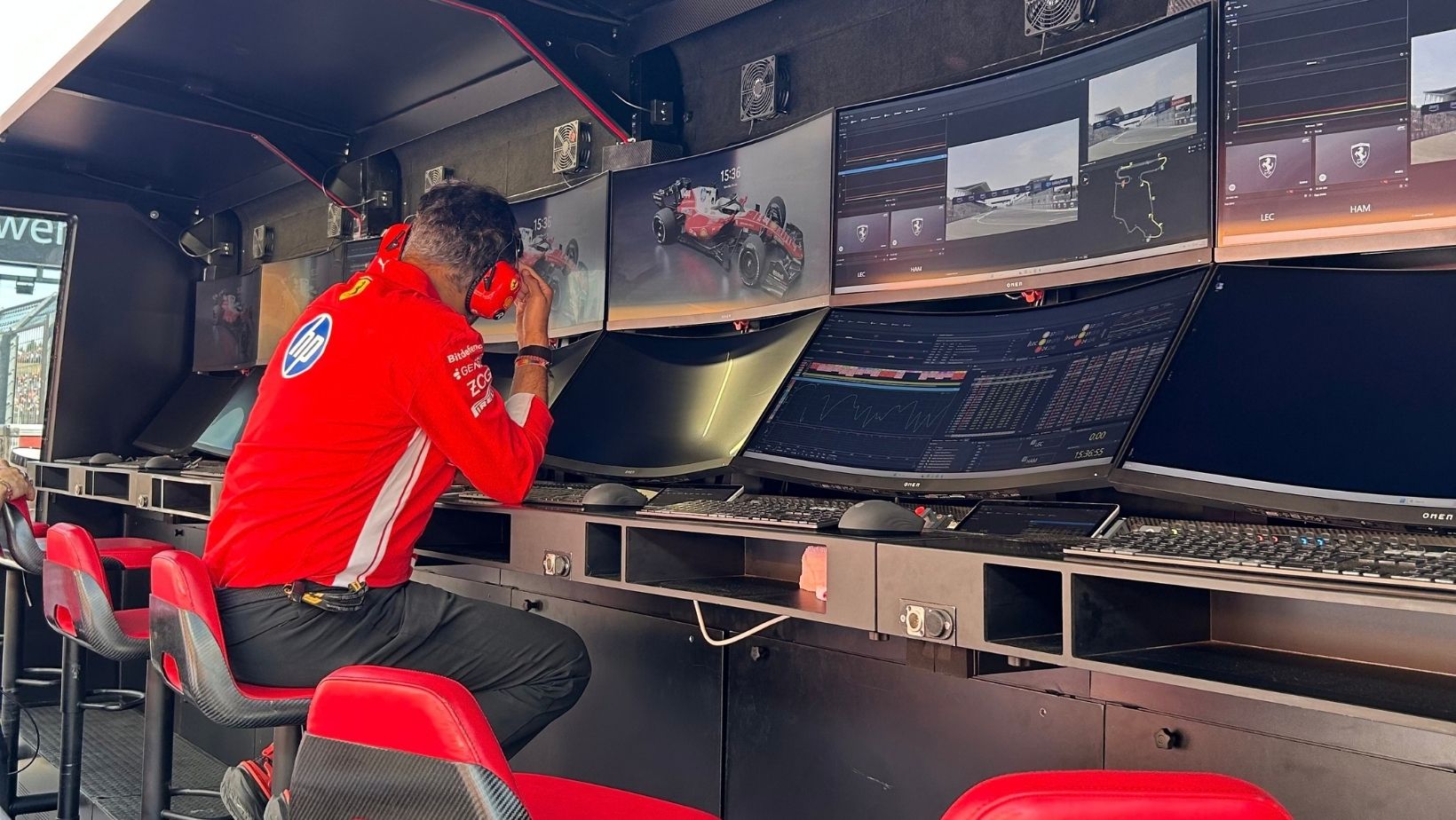
Over the past few months, I have been thinking more deliberately about how I prepare and where my energy is going. That has included everything from the layout of my commentary position to the structure of my notes, the timing information on my screens and the way I organise travel itineraries.

I have also started experimenting with using artificial intelligence to speed up parts of my preparation.
The aim is not to use AI to know less. It is to give myself more time to understand what I know.
A Formula 1 weekend generates an extraordinary amount of information. There are previous results, championship permutations, technical updates, driver quotes, team trends, circuit history and hundreds of possible stories. A commentator needs enough of that material to provide context, but collecting information is not the same as understanding it.
AI can be useful in the first part of that process. It can help organise research, reformat information, identify repeated themes or turn a collection of rough notes into a more usable structure.
It can save me from spending an hour moving text between documents or searching through several pages for information I already have.
What it cannot do is decide what the race means.
It cannot feel the atmosphere changing around a circuit. It cannot know when a driver’s result represents something bigger than the position itself. It cannot listen to a co-commentator, respond naturally and judge whether the moment needs more words or fewer. It cannot reliably distinguish between a statistic that is technically interesting and one that genuinely adds to the story.
It can help arrange the ingredients. It cannot taste the meal.
That distinction matters well beyond broadcasting.
Most jobs contain work that requires your specific judgment, experience and personality. They also contain tasks that simply need to be completed accurately and consistently.
The danger is allowing the repeatable work to consume so much time and mental energy that you have very little left for the work only you can do.
For me, the valuable part of the job is not physically typing a driver’s recent results into a document. It is recognising why those results matter and being able to explain that clearly when the opportunity arrives.
The same principle applies to the physical setup of the commentary box.
A monitor showing the wrong page, a laptop balanced awkwardly beside a keyboard or notes that cannot be reached quickly might sound like minor inconveniences. During a live race, they create friction at exactly the moment you need clarity.
Improving the setup is not glamorous. Nobody turns on the television or radio because the commentator has arranged their desk beautifully. But removing those small obstacles makes it easier to concentrate on the broadcast.
The best systems often go unnoticed. They simply mean the right information appears in the right place at the right time.
Travel is another example. A clear itinerary containing flight details, transfers, hotel addresses and call times will not make a long journey enjoyable, but it removes dozens of unnecessary decisions. At the end of a long race weekend, not having to search through six emails to find the name of a hotel feels like a considerable technological achievement.
There is, however, a trap in becoming more efficient.
The reward for saving time should not always be filling that time with more work.
Productivity can easily become a slightly depressing competition in which every saved minute is immediately handed another task. The calendar expands, the expectations increase and eventually the system designed to make life easier simply allows you to become tired more efficiently.
Seven consecutive weekends has reminded me that rest cannot be completely engineered out of the process.
No note-taking system, commentary setup or AI tool can replace sleep, space and the occasional day in which nobody asks you to explain a tyre strategy.
The purpose of efficiency is not to cram more into every available hour. It is to protect your attention.
It is to remove the work that does not require your best thinking, so that your best thinking is still available when the important moment arrives.
As Formula 1 heads towards its summer break, I am still refining the process. Some experiments will work, others will create a beautifully organised solution to a problem that did not really exist.
But the central idea feels increasingly important.
Working hard matters. Preparation matters. Detail matters.
The challenge is making sure all that effort helps you perform, rather than simply proving how busy you have been.
Sometimes the most useful question is not, “How can I do more?”
It is, “What can I make easier, so I am ready when it really matters?”






.jpeg)










.png)
.png)
.png)
.png)