
Harry Benjamin - Spanish GP Preview: Why expertise isn’t always about having an answer
There is a slightly unusual problem with my Formula 1 preparation this week. Some of the boxes are blank.
Normally, before a Grand Prix, I can look back at what happened last year. I can see which strategy won the race, where overtaking tended to happen, how badly the tyres degraded, which corners caused problems and whether starting from pole was actually much of an advantage.
This weekend, Formula 1 races at Madrid’s new Madring circuit for the first time.
There was no last year.
Which, for someone who spends quite a lot of his working life trying to know things before going on air, is mildly inconvenient. Of course, we aren’t going in completely blind.
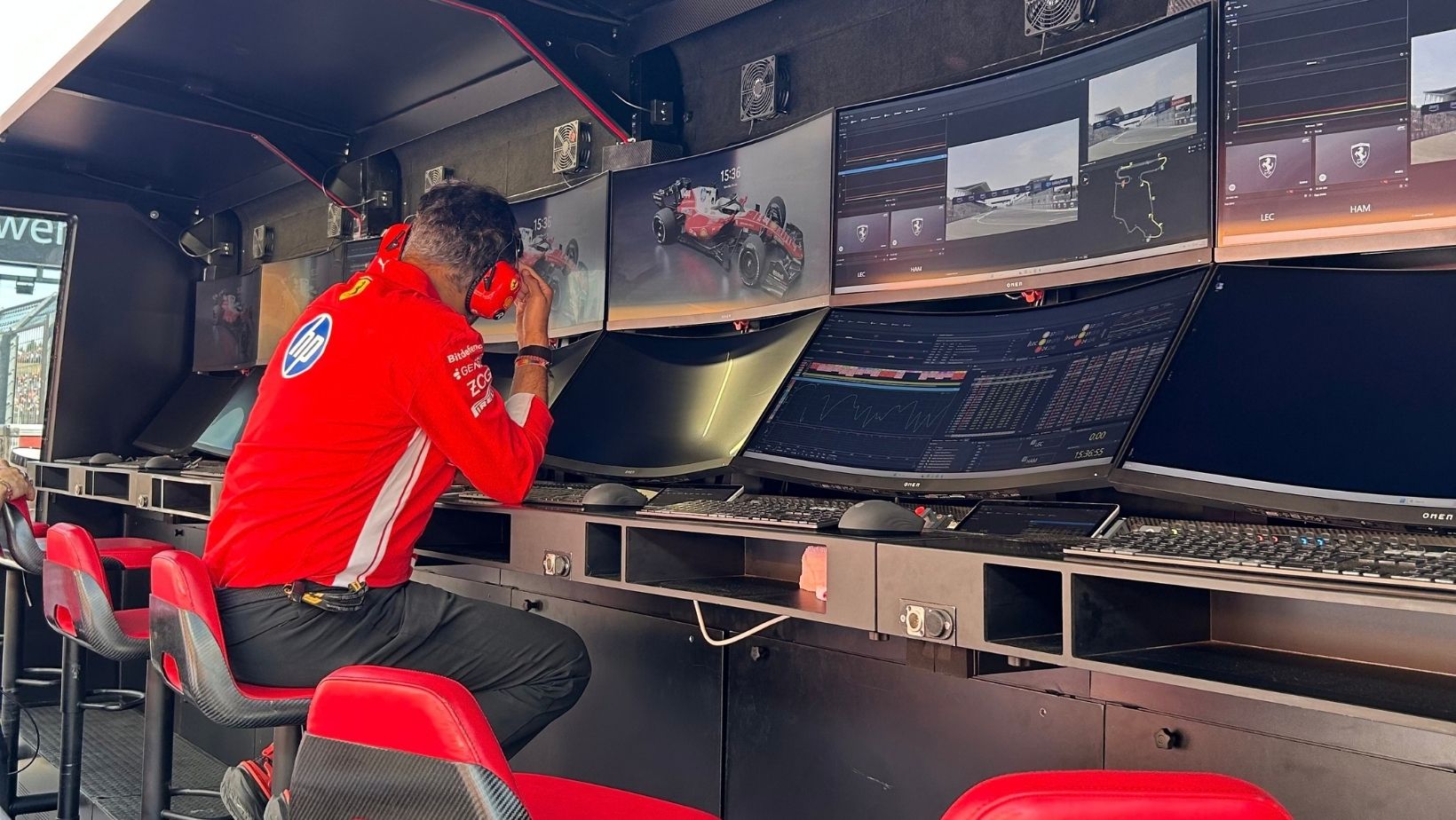
Teams have simulations. Drivers have spent hours learning the layout. There is data about the surface, the corners and the expected speeds. Ferrari has even completed some limited running around the circuit.
I’ve prepared as much as I would for any other race. But there are still questions which, however many documents I read before Friday, nobody can properly answer yet.
How easy will it actually be to overtake? How will the tyres behave over a full race stint?Will the racing line evolve dramatically through the weekend? Which teams will the circuit suit? What will happen when 22 Formula 1 cars arrive at the first corner together?
We have theories. That is not quite the same thing as knowing and I find that distinction increasingly interesting.
Part of my job as a commentator is to provide answers. Something happens on track and, ideally, we can immediately explain what has happened, why it has happened and what it might mean.
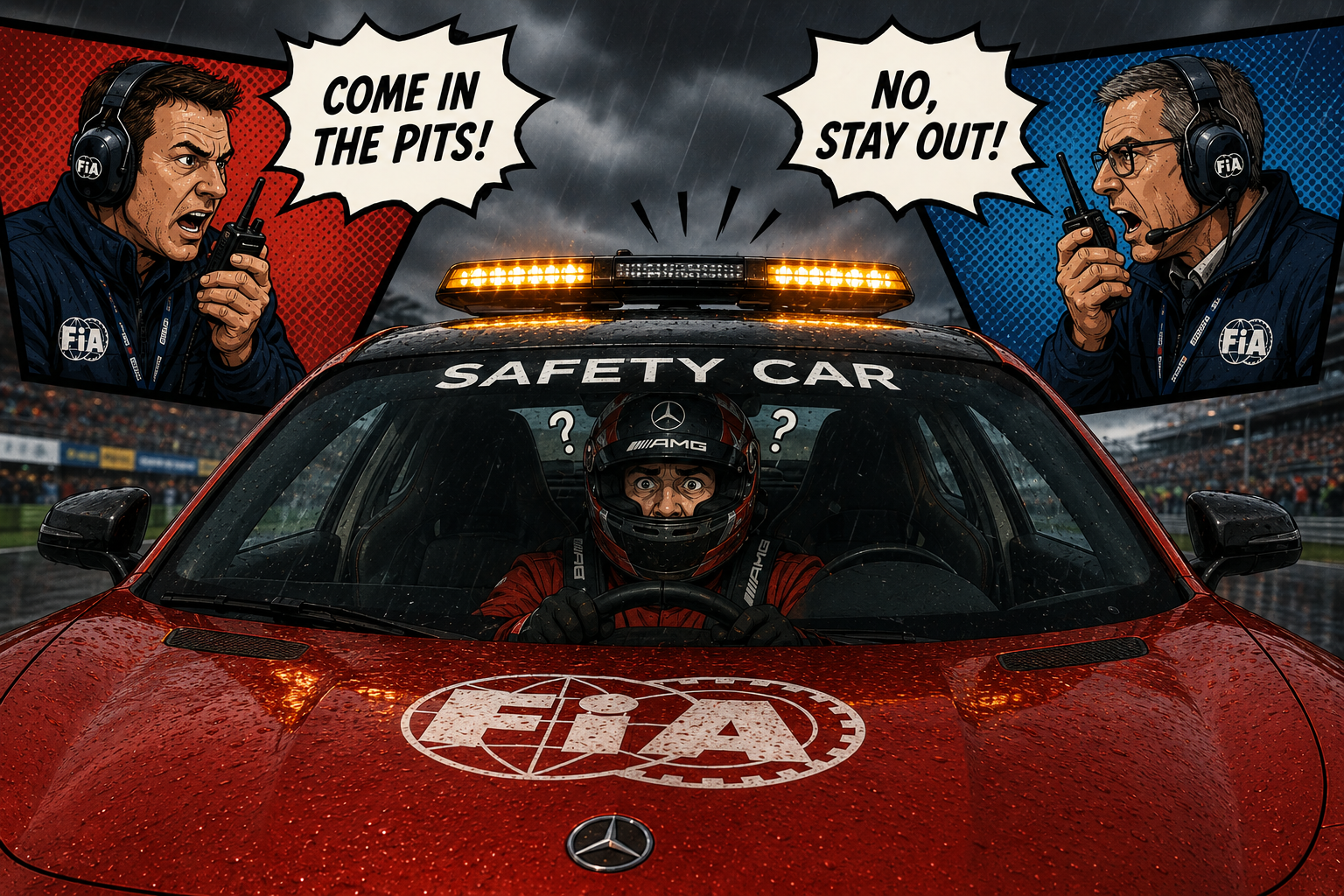
People understandably expect expertise from the people talking to them. So saying “I don’t know” can feel slightly uncomfortable. You’ve got a microphone in front of you. Thousands of people are listening. Surely you are supposed to know?
There is always a temptation to fill the gap. Perhaps the tyres are overheating. Perhaps the driver has damaged something. Perhaps the strategy is designed to do this.
The trouble is that “perhaps” can very quickly become an apparently confident explanation for something that nobody actually understands yet.
And I suspect that temptation exists well beyond Formula 1.
We tend to associate expertise with certainty.
The experienced person is expected to have the answer. The leader should know what happens next. The person giving the presentation should be able to predict the outcome. The consultant should have a recommendation.
“I don’t know yet” can sound suspiciously like a failure to prepare. However, sometimes it is the most informed answer available.
The important word is yet.
There is a significant difference between not knowing because you haven’t done the work and not knowing because the evidence does not exist.
Good preparation should help you understand that boundary.
This weekend, I can tell you what teams expect the circuit to be like. I can explain what the simulations suggest. I can point out the sections where overtaking looks possible and the corners which appear particularly demanding. But once the cars actually go onto the circuit, reality gets a vote.
Reality has an annoying habit of disagreeing with the PowerPoint. Friday practice will answer some questions and create several more. Perhaps everyone expects one part of the circuit to be particularly difficult and the drivers sail through it. Maybe tyre degradation is much lower than predicted or one team arrives looking ideally suited to the layout and spends Friday afternoon wondering where its pace has gone.
At that point, the useful response is not to find increasingly elaborate reasons why the original prediction was actually correct. It is to change your mind. That sounds obvious.
I’m not sure we are always particularly good at it. Once we have put an opinion into the world, there can be an odd instinct to protect it.
We defend the forecast. We explain away the inconvenient data. We subtly move the goalposts.
In Formula 1, the timescale makes that particularly visible. You can have a perfectly sensible theory at 11am and quite a lot of evidence against it by lunchtime.
The best people in the paddock adjust remarkably quickly: “We expected this. We are seeing that.”
There is no great drama about it. The information changed, so the view changed with it. That has become one of the things I try to remember in my own preparation.
Preparation should give you a hypothesis, not something you feel obliged to defend.
That feels relevant to plenty of work away from a racetrack. You launch a new product and customers use it differently from how you imagined. You hire somebody who turns out to have strengths you hadn’t identified in the interview. You enter a market where the assumptions from another country don’t quite apply. You introduce a new technology into a business and discover that the problem you thought it would solve was not actually the biggest problem.
At some point, information ends and judgement begins. The danger comes when we pretend the first is still supporting us when we have actually moved into the second.
Perhaps a better form of expertise is being clearer about the difference.
Here is what I know.
Here is what I think.
Here is why I think it.
And here is what I need to see before I can know more.
That doesn't make the expert less useful. If anything, it makes their judgement easier to trust. By Sunday evening, we will know considerably more about racing at Madring than we do now. Then something slightly strange will happen. Next year, this weekend will become a precedent.
There will be a previous winner. Previous strategies. Previous overtakes. A fastest lap. Data on tyre behaviour. All the empty spaces in my notes will start filling up.
Eventually, Madrid will probably feel like another circuit Formula 1 understands. But this first weekend is a useful reminder that every piece of established knowledge began as an unanswered question.
So when I go on air this weekend, there will almost certainly be moments when somebody asks a question to which I cannot give a definitive answer.
I can explain the possibilities; tell you what we are looking for. I can tell you when the evidence changes.But sometimes the most accurate answer will simply be:
I don’t know yet.





.jpeg)









.png)
.png)
.png)
.png)