Log out
<< All articles

Same race, different job - Harry Benjamin on switching from Radio to TV this weekend

This post is for subscribers only

Already have an account? Log-in

<< All articles

Same race, different job - Harry Benjamin on switching from Radio to TV this weekend

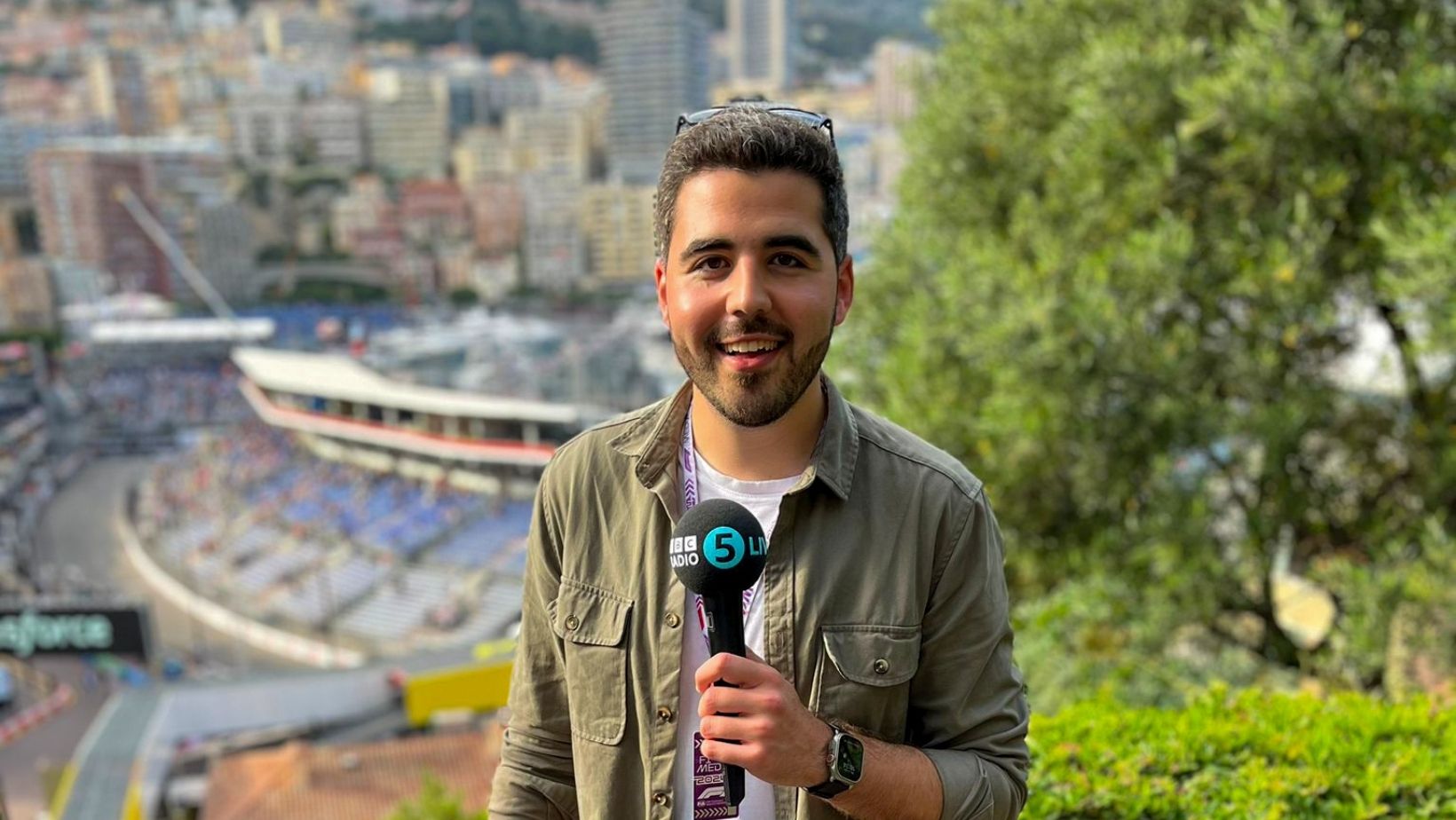
This weekend I’m doing something slightly different. I’m not on BBC Radio 5 Live commentary for the Grand Prix, I’m back on Sky Sports F1 for the first time this season.

From the outside, that might sound like a small change. It’s still Formula 1, it’s still the same drivers, the same teams, the same track, the same stories and broadly the same job title. I’ll still be watching cars go round a circuit and trying to explain what is happening in a way that makes sense to the audience.

But in reality, the job changes quite a lot.

Radio commentary and television commentary are both built around the same subject, but they ask very different things from you. That is something I’ve been thinking about this week because it’s easy to assume that if you know the topic, you can simply move between formats without changing much. Actually, the more I do this job, the more I realise that knowing the topic is only part of the skill. The real skill is knowing what version of that knowledge the moment needs.

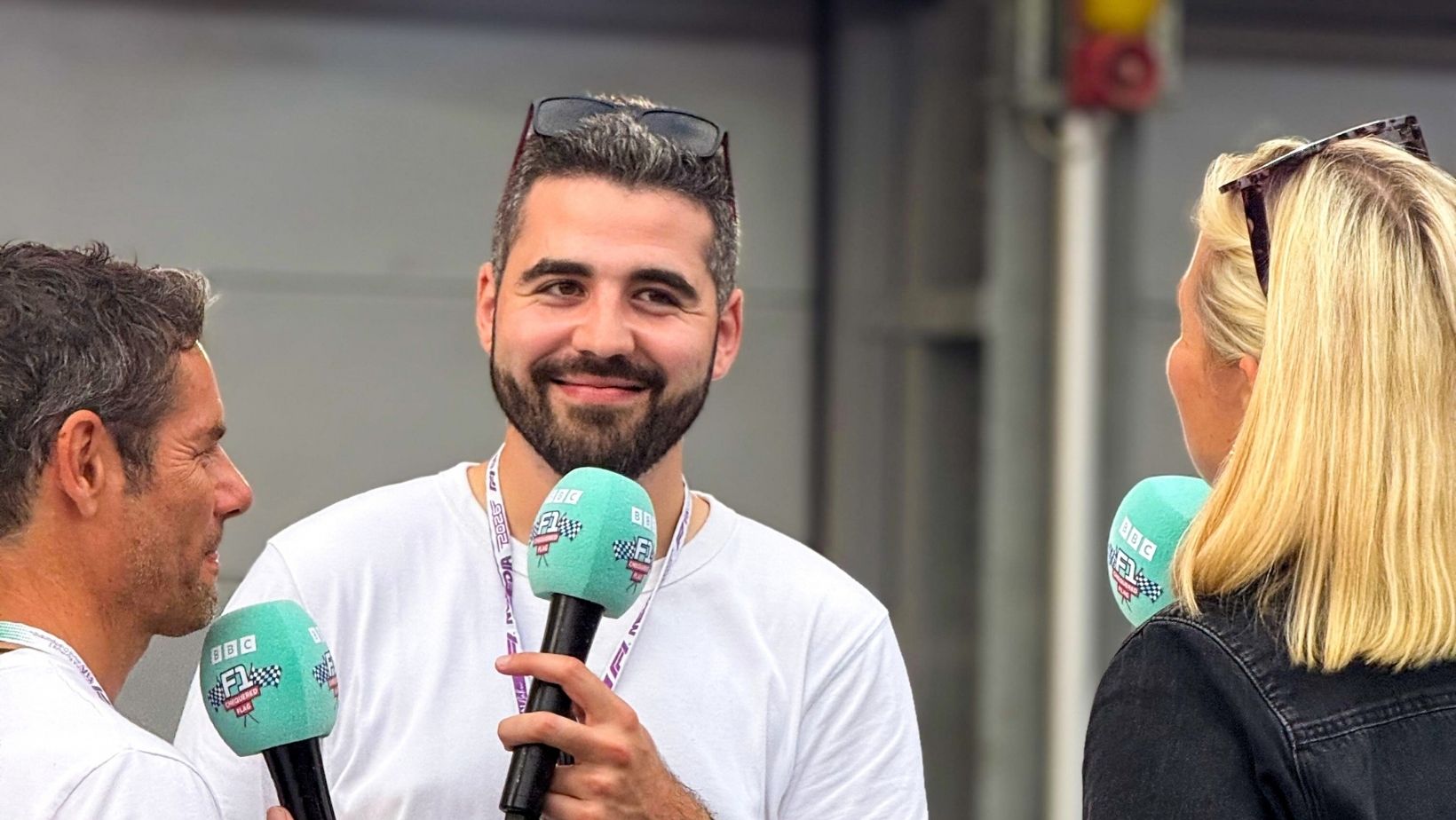
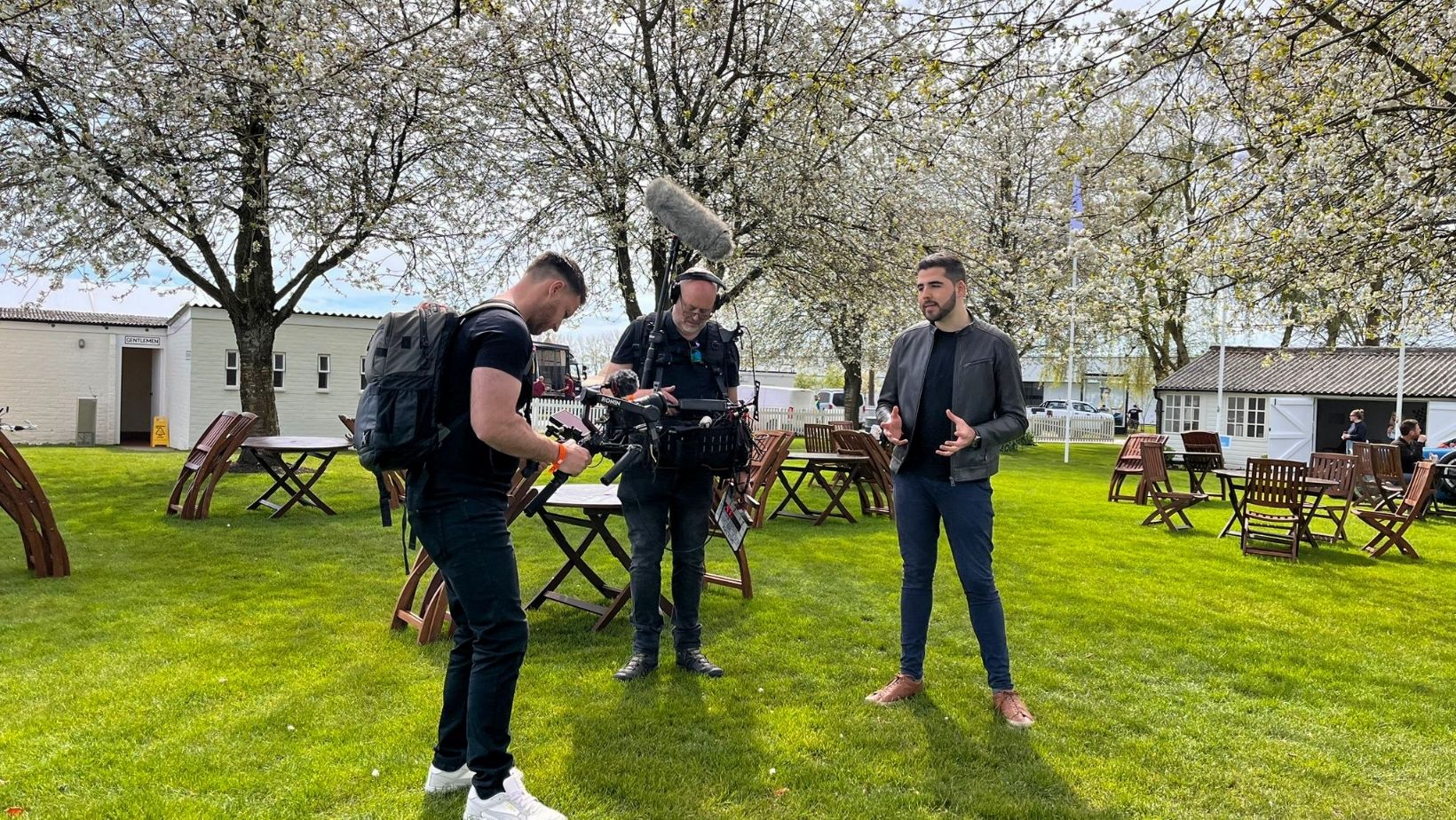
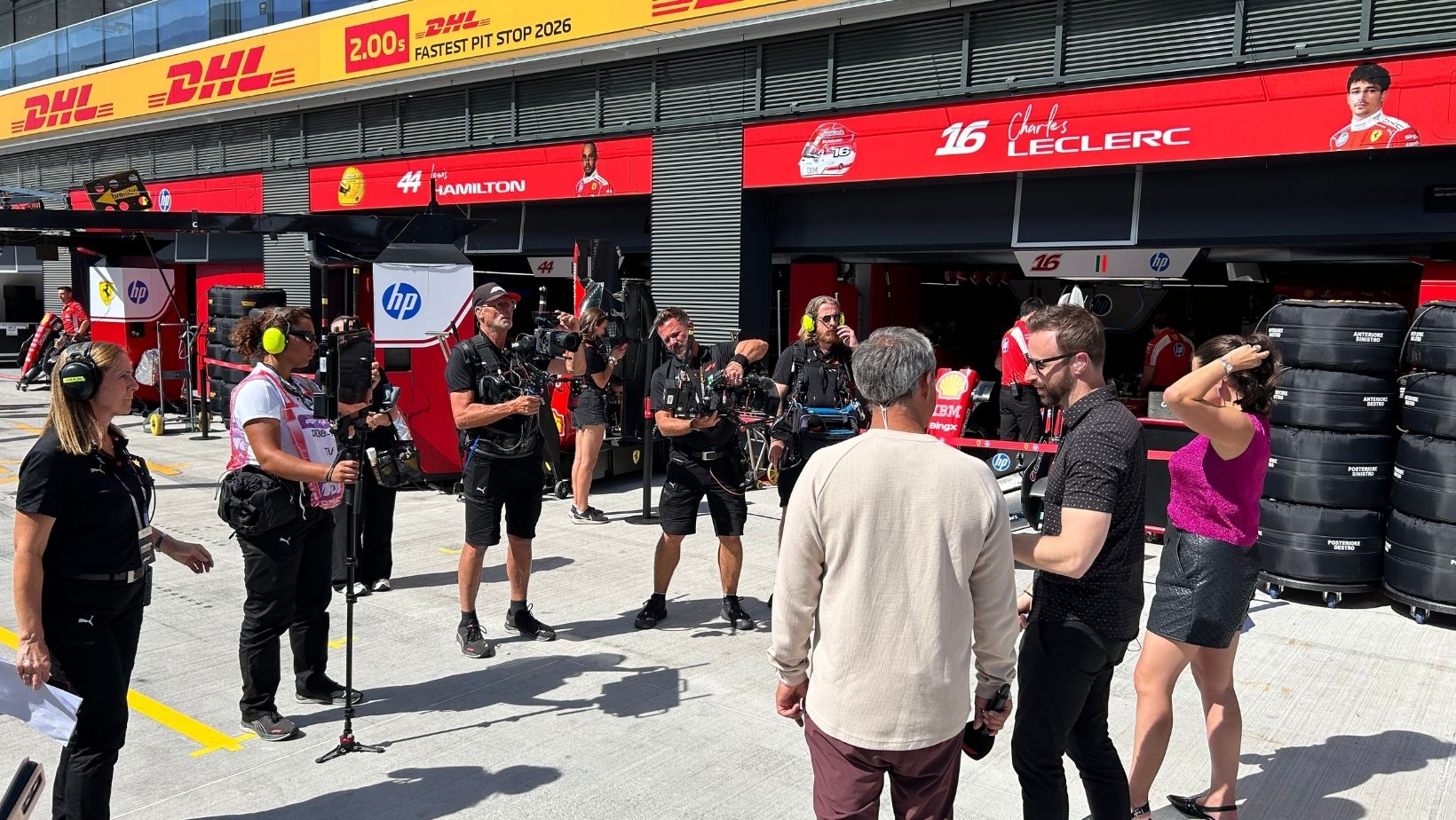
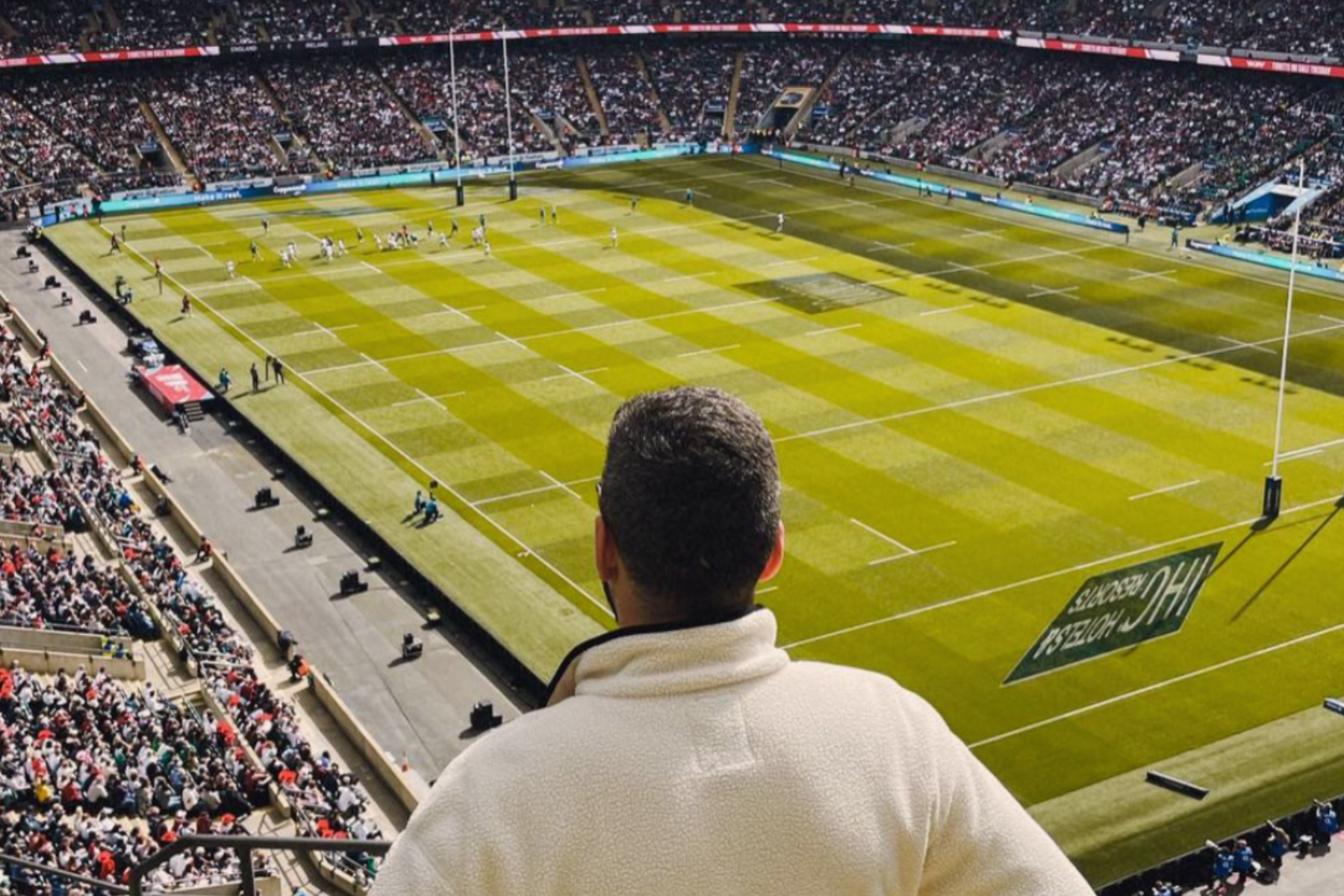
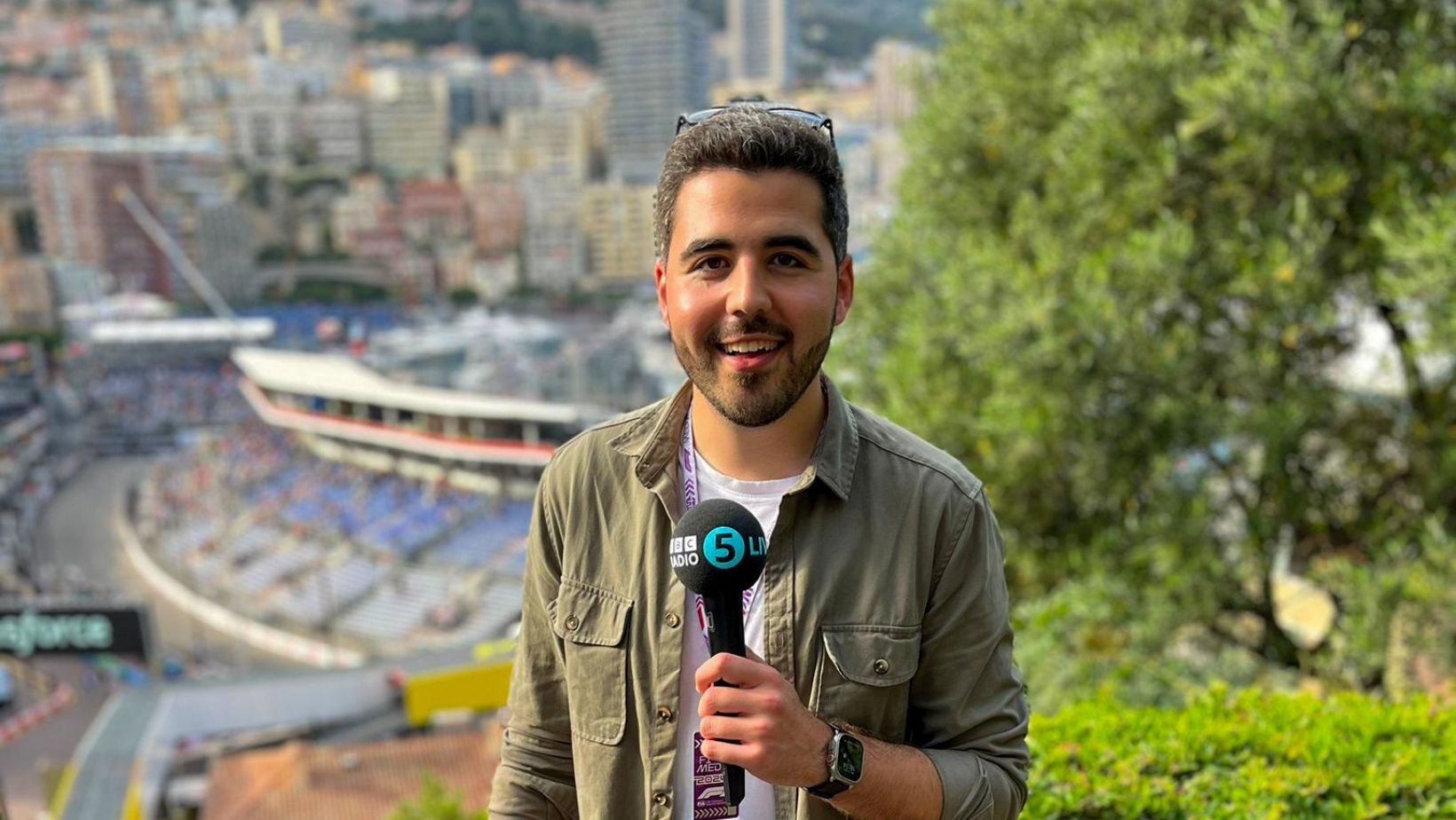
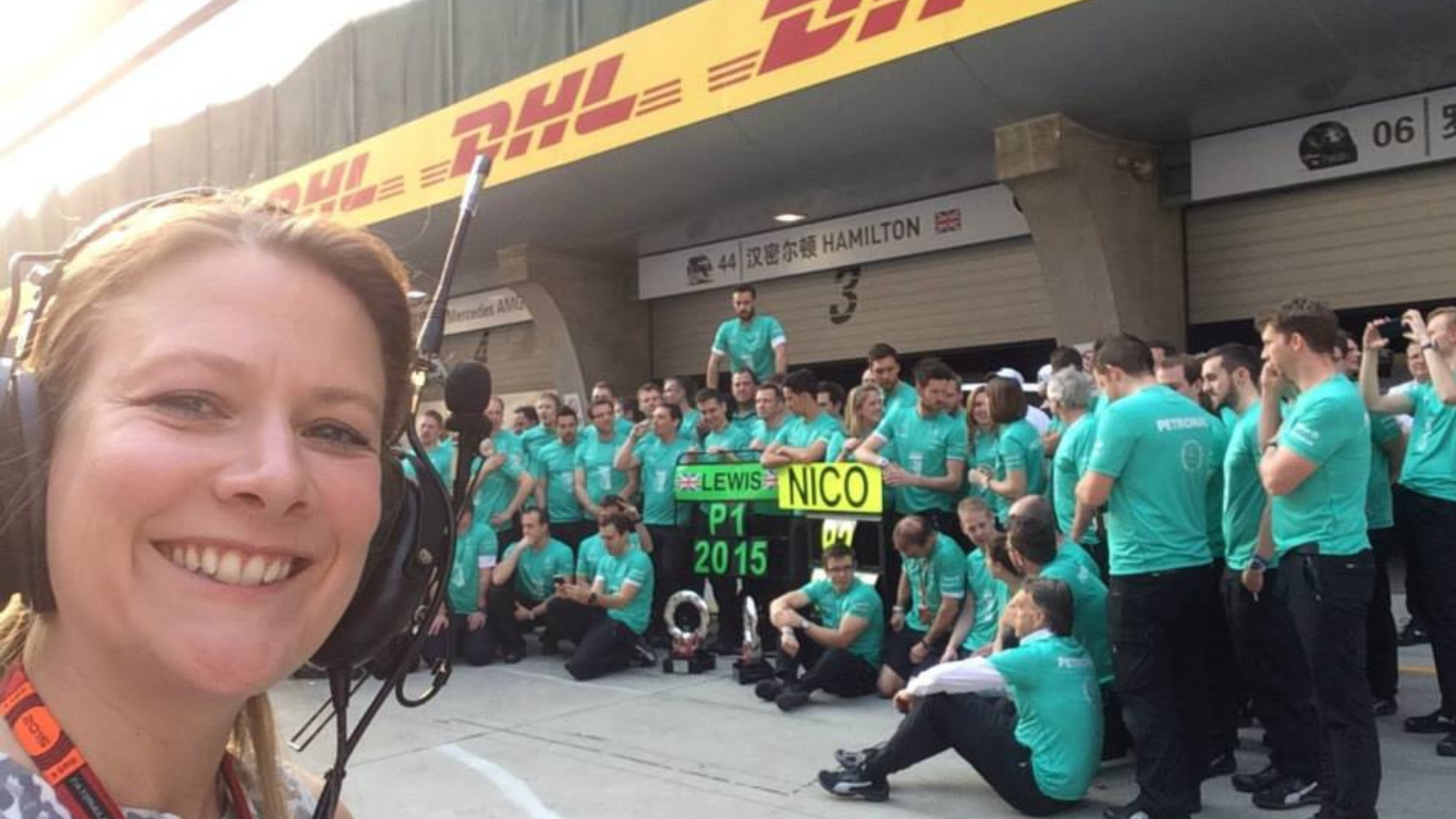
Harry will switch from radio over to Sky Sports F1 for the Spanish Grand Prix, being their lead commentator across the weekend

On radio, your job is to paint the picture. You have to be the viewer’s eyes as well as their guide. If someone is listening in the car, walking the dog, making dinner or pretending to do something productive while the race is on in the background, they need you to tell them where the cars are, what they are doing, who is attacking, who is defending, where the incident has happened and why it matters. You cannot assume they have seen anything. Even something as simple as “he’s gone wide” needs a bit more shape around it, because the listener needs to know where, how badly, whether he has lost a place and whether it changes the race.

That means radio commentary has its own rhythm. You are constantly orientating people. You are describing the action, updating the order, reminding the audience of the context and trying to make the race feel alive without overcomplicating it. There is a real energy to that, and I love it, but it is demanding because you have to carry more of the picture yourself. You can’t just let the camera do the work, because there is no camera for the listener.

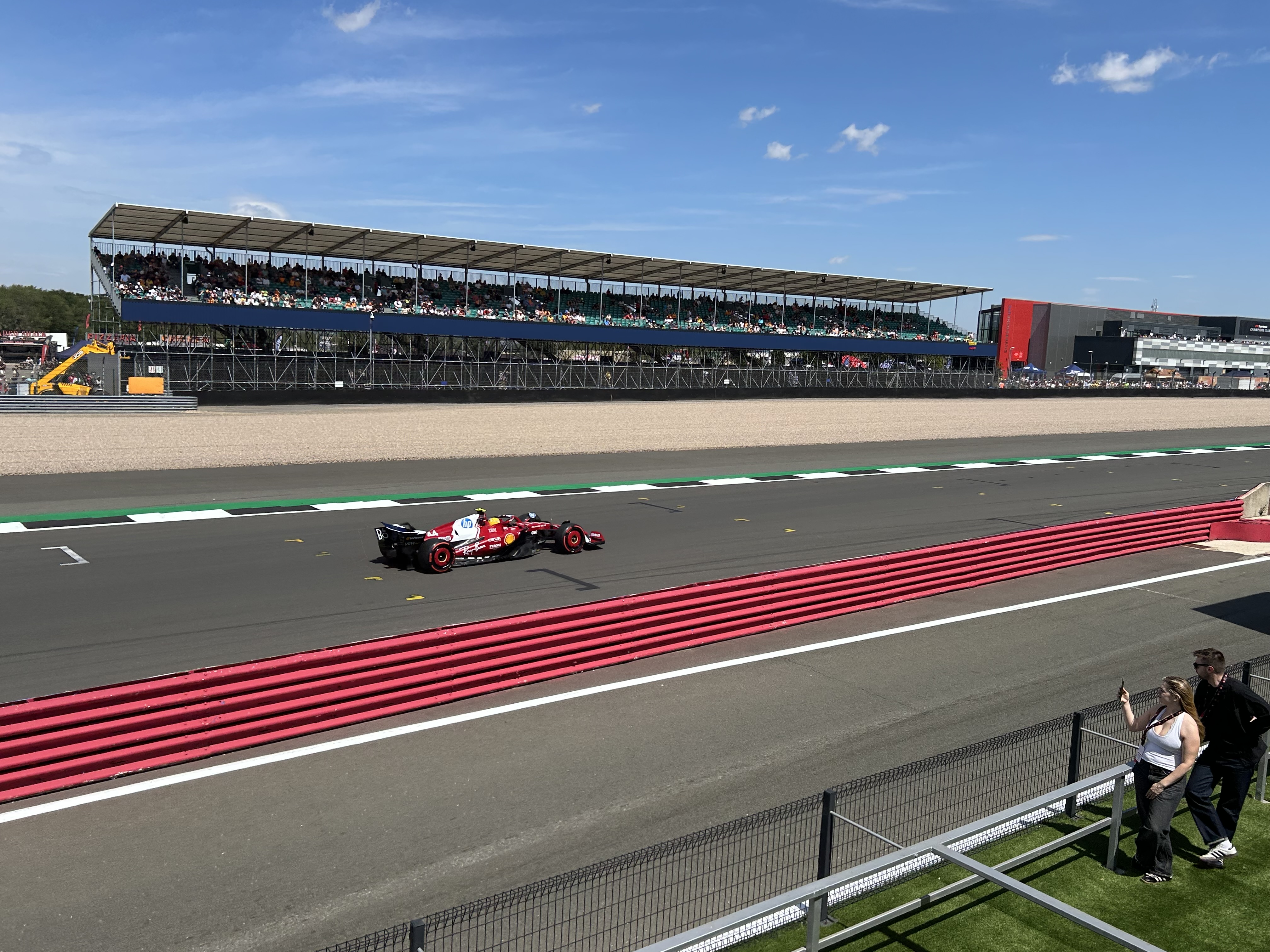
Television is different. The pictures are already doing a huge amount of the work, and one of the biggest mistakes you can make is to describe exactly what everyone can already see. If the shot is showing a car in the barrier, the audience does not need you to tell them there is a car in the barrier. They need you to tell them who it is, how it happened if we know, what it means, whether the driver is okay, whether it brings out a Safety Car, how it affects strategy and what to look for next.

That requires a slightly different discipline. You have to trust the pictures. You have to know when to talk and when to leave space. You have to add to what people are seeing rather than compete with it. Sometimes the best thing you can do on television is not to fill every second, but to let the moment breathe for half a beat before explaining what matters. That is not always easy, especially when your instinct from radio is to keep the listener constantly informed, but it is part of the craft.

The preparation changes too. The core work is similar because you still need to know the drivers, teams, storylines, form, upgrades, penalties, weather, tyres, strategy possibilities and all the little details that might become relevant over a race weekend. But the way you prepare to use that information is different.

For radio, I think more about description and orientation. I want to know how to quickly reset the scene if something changes. I think about how to describe a battle through a sequence of corners, how to make the listener understand the pressure building, and how to keep the whole race clear even when several things are happening at once.

For television, I think more about timing and selection. What is the one detail that improves the picture? What is the context that makes this shot matter more? What can I add that the viewer cannot get simply by looking at the screen? It is less about saying more and more about saying the right thing at the right moment.

That is where I think there is a useful lesson beyond broadcasting.

In a lot of jobs, people confuse expertise with delivery. They assume that being good at something means knowing a lot about it. Of course that matters, but it is not enough on its own. The harder part is adapting your knowledge to the room you are in.

The same idea might need to be explained differently in a meeting, a pitch, an email, a podcast, a presentation, a report or a quick conversation in a corridor. The subject might be identical, but the audience is not. The format is not. The expectation is not. The time available is not. The level of detail required is not.

A board presentation is not the same as an internal update. A client pitch is not the same as a technical briefing. A social media post is not the same as a long form article. A one to one conversation is not the same as standing on a stage. The best people understand that the job is not simply to know what they know. It is to translate it properly.

That is probably where I have made mistakes in the past. There have definitely been times where I have prepared a lot and then tried to use too much of it, as though the amount of information I had gathered needed to justify itself. But most audiences don’t need everything you know. They need the bit that helps them in that moment.

That can be hard to accept because preparation gives you confidence. If you have spent hours gathering notes, you naturally want to use them. But often the quality of the work is in your restraint. It is in choosing the most useful line, not proving that you know ten others. It is in understanding whether the audience needs colour, clarity, analysis, excitement, reassurance or simply silence for a second.

Switching between radio and television is a good reminder of that. It forces you to re-tune. The subject does not change, but the way you serve the audience does. On one platform you are building the picture almost from scratch, while on another you are working with pictures that already exist and trying to make them more meaningful.

I think that is a pretty good way to think about adaptability generally. It is not always about becoming a completely different person or learning a completely new skill. Sometimes it is about taking the same skill and adjusting the way you use it.

This weekend, the race is still the race. The cars will still be the cars. The storylines will still be the storylines. But the job will feel different, because the audience will experience it differently.

And that is the point.

Being good at something is not just about knowing your subject. It is about understanding the context well enough to know what your subject needs to become.

<< All articles

Same race, different job - Harry Benjamin on switching from Radio to TV this weekend

This weekend I’m doing something slightly different. I’m not on BBC Radio 5 Live commentary for the Grand Prix, I’m back on Sky Sports F1 for the first time this season.

From the outside, that might sound like a small change. It’s still Formula 1, it’s still the same drivers, the same teams, the same track, the same stories and broadly the same job title. I’ll still be watching cars go round a circuit and trying to explain what is happening in a way that makes sense to the audience.

But in reality, the job changes quite a lot.

Radio commentary and television commentary are both built around the same subject, but they ask very different things from you. That is something I’ve been thinking about this week because it’s easy to assume that if you know the topic, you can simply move between formats without changing much. Actually, the more I do this job, the more I realise that knowing the topic is only part of the skill. The real skill is knowing what version of that knowledge the moment needs.

Harry will switch from radio over to Sky Sports F1 for the Spanish Grand Prix, being their lead commentator across the weekend

On radio, your job is to paint the picture. You have to be the viewer’s eyes as well as their guide. If someone is listening in the car, walking the dog, making dinner or pretending to do something productive while the race is on in the background, they need you to tell them where the cars are, what they are doing, who is attacking, who is defending, where the incident has happened and why it matters. You cannot assume they have seen anything. Even something as simple as “he’s gone wide” needs a bit more shape around it, because the listener needs to know where, how badly, whether he has lost a place and whether it changes the race.

That means radio commentary has its own rhythm. You are constantly orientating people. You are describing the action, updating the order, reminding the audience of the context and trying to make the race feel alive without overcomplicating it. There is a real energy to that, and I love it, but it is demanding because you have to carry more of the picture yourself. You can’t just let the camera do the work, because there is no camera for the listener.

Television is different. The pictures are already doing a huge amount of the work, and one of the biggest mistakes you can make is to describe exactly what everyone can already see. If the shot is showing a car in the barrier, the audience does not need you to tell them there is a car in the barrier. They need you to tell them who it is, how it happened if we know, what it means, whether the driver is okay, whether it brings out a Safety Car, how it affects strategy and what to look for next.

That requires a slightly different discipline. You have to trust the pictures. You have to know when to talk and when to leave space. You have to add to what people are seeing rather than compete with it. Sometimes the best thing you can do on television is not to fill every second, but to let the moment breathe for half a beat before explaining what matters. That is not always easy, especially when your instinct from radio is to keep the listener constantly informed, but it is part of the craft.

The preparation changes too. The core work is similar because you still need to know the drivers, teams, storylines, form, upgrades, penalties, weather, tyres, strategy possibilities and all the little details that might become relevant over a race weekend. But the way you prepare to use that information is different.

For radio, I think more about description and orientation. I want to know how to quickly reset the scene if something changes. I think about how to describe a battle through a sequence of corners, how to make the listener understand the pressure building, and how to keep the whole race clear even when several things are happening at once.

For television, I think more about timing and selection. What is the one detail that improves the picture? What is the context that makes this shot matter more? What can I add that the viewer cannot get simply by looking at the screen? It is less about saying more and more about saying the right thing at the right moment.

That is where I think there is a useful lesson beyond broadcasting.

In a lot of jobs, people confuse expertise with delivery. They assume that being good at something means knowing a lot about it. Of course that matters, but it is not enough on its own. The harder part is adapting your knowledge to the room you are in.

The same idea might need to be explained differently in a meeting, a pitch, an email, a podcast, a presentation, a report or a quick conversation in a corridor. The subject might be identical, but the audience is not. The format is not. The expectation is not. The time available is not. The level of detail required is not.

A board presentation is not the same as an internal update. A client pitch is not the same as a technical briefing. A social media post is not the same as a long form article. A one to one conversation is not the same as standing on a stage. The best people understand that the job is not simply to know what they know. It is to translate it properly.

That is probably where I have made mistakes in the past. There have definitely been times where I have prepared a lot and then tried to use too much of it, as though the amount of information I had gathered needed to justify itself. But most audiences don’t need everything you know. They need the bit that helps them in that moment.

That can be hard to accept because preparation gives you confidence. If you have spent hours gathering notes, you naturally want to use them. But often the quality of the work is in your restraint. It is in choosing the most useful line, not proving that you know ten others. It is in understanding whether the audience needs colour, clarity, analysis, excitement, reassurance or simply silence for a second.

Switching between radio and television is a good reminder of that. It forces you to re-tune. The subject does not change, but the way you serve the audience does. On one platform you are building the picture almost from scratch, while on another you are working with pictures that already exist and trying to make them more meaningful.

I think that is a pretty good way to think about adaptability generally. It is not always about becoming a completely different person or learning a completely new skill. Sometimes it is about taking the same skill and adjusting the way you use it.

This weekend, the race is still the race. The cars will still be the cars. The storylines will still be the storylines. But the job will feel different, because the audience will experience it differently.

And that is the point.

Being good at something is not just about knowing your subject. It is about understanding the context well enough to know what your subject needs to become.