
Decision Making Under Pressure: What the British Grand Prix Can Teach Every Business Leader
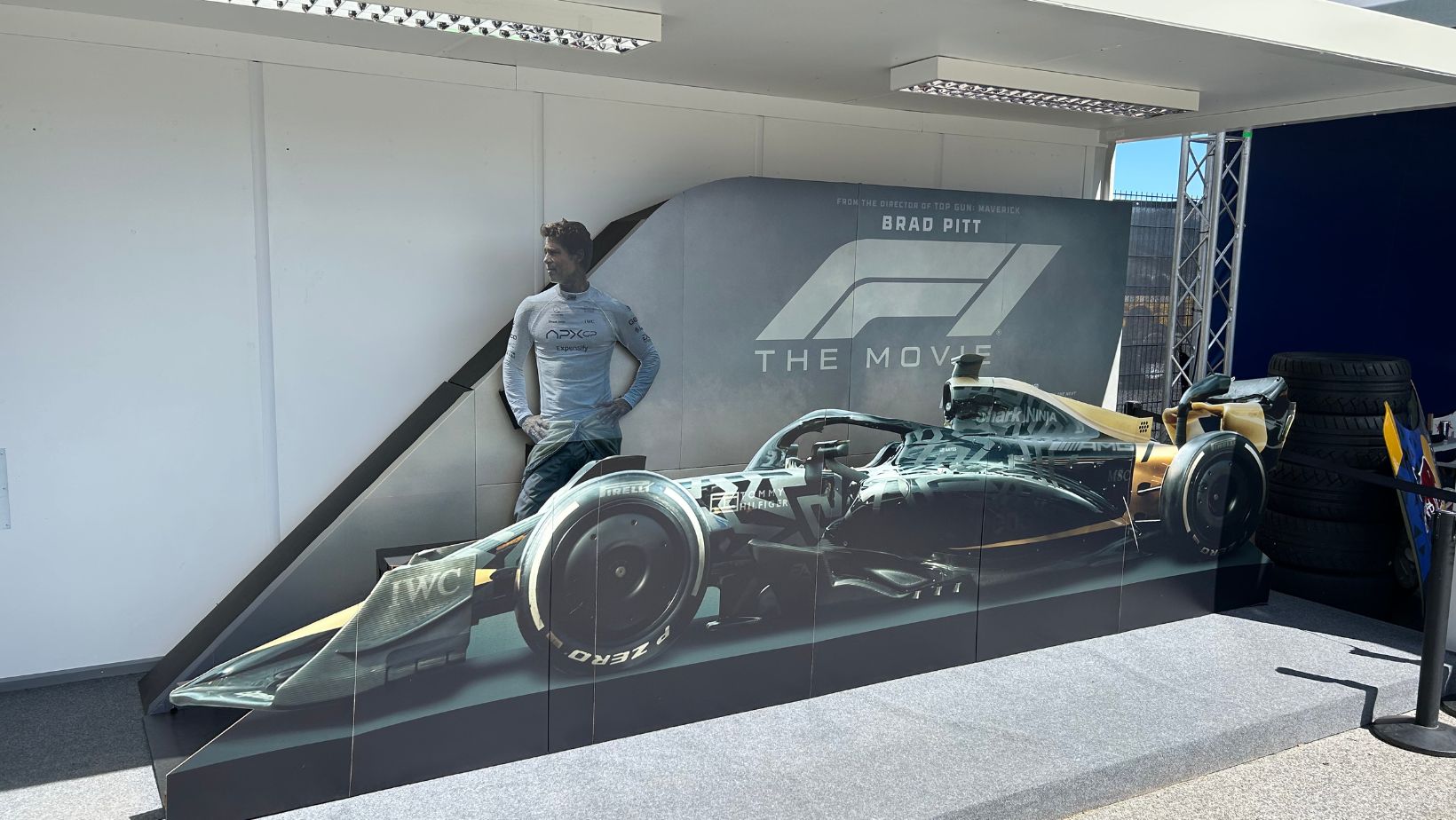
As the 2026 British Grand Prix came to an end behind the Safety Car, social media erupted.
Some believed the race should have been restarted for one final lap. Others argued the FIA made exactly the right call. Drivers, fans and pundits all had an opinion. The FIA themselves said it was a technical fault.
But if we step away from Formula One for a moment, something far more interesting emerges.
This wasn't really a debate about motorsport.
It was a masterclass in decision making under pressure.
Every Leader Eventually Faces Their "Safety Car" Moment
In business, we like to imagine that important decisions are made around boardroom tables with plenty of data, lots of time and complete clarity.
The reality couldn't be more different.
Major decisions often arrive unexpectedly.
A client threatens to leave.
A cyber attack hits.
A key member of staff resigns.
A product fails.
Cash flow tightens.
Suddenly you're making decisions with incomplete information, conflicting opinions and enormous pressure.
Sound familiar?
That is exactly what Formula One race control experiences.
There Is No Perfect Decision
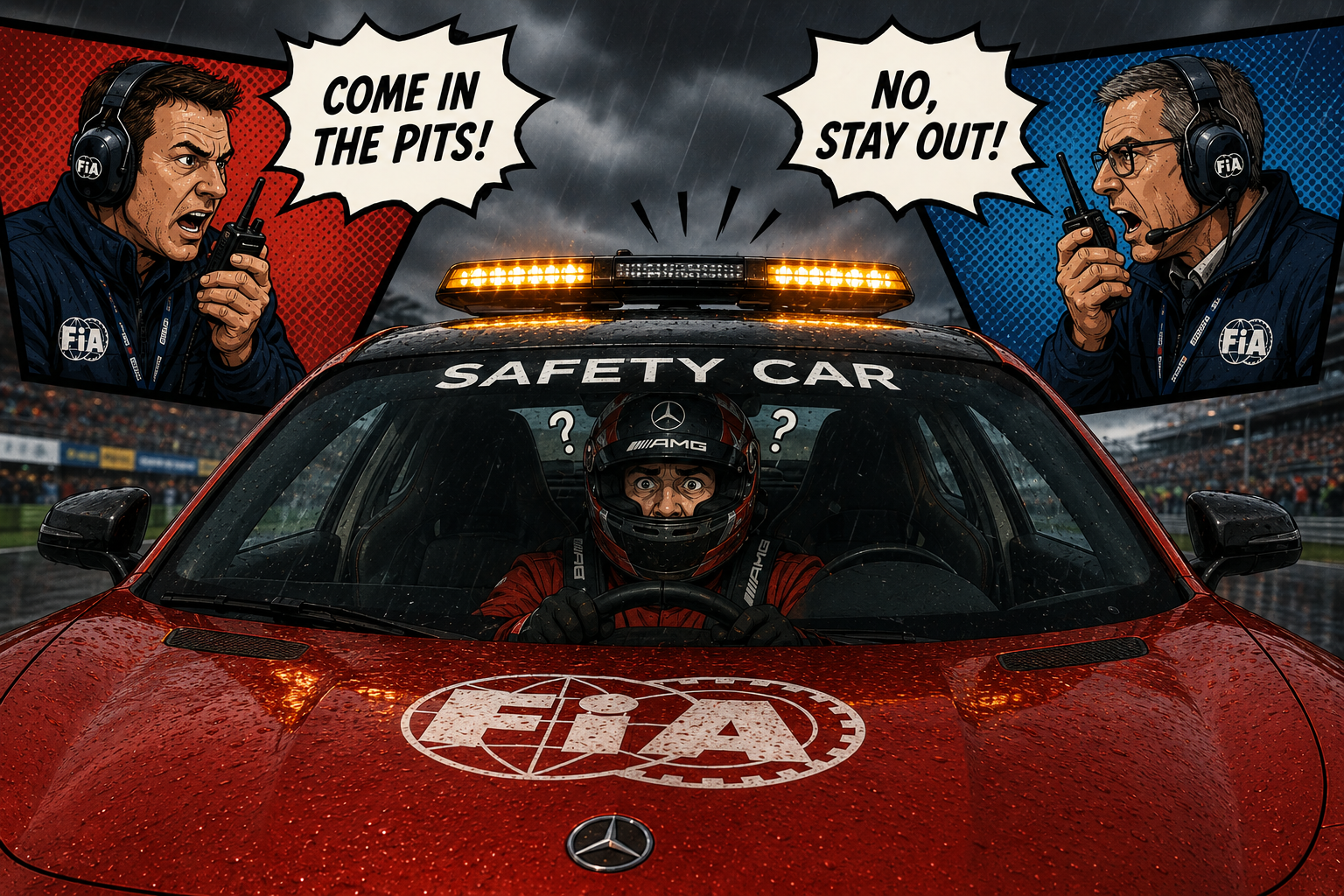
When the Safety Car was deployed late in the British Grand Prix following a significant incident, race control had seconds to evaluate multiple variables:
- Was the circuit safe?
- Could marshals recover the car quickly enough?
- Would a restart create unnecessary risk?
- How much time remained?
- What precedent would this set?
None of these questions had perfect answers.
Whatever decision was taken would disappoint someone.
And that's often true in business.
Many leaders waste valuable time searching for the perfect decision when, in reality, only a series of imperfect options exist.
Great leaders understand that the goal isn't perfection.
The goal is making the best possible decision with the information available at that moment.
Pressure Changes How We Think
One of the biggest misconceptions about leadership is that pressure creates poor decisions.
Pressure doesn't create poor decisions.
Pressure exposes your decision-making process.
Formula One teams spend thousands of hours preparing for situations they hope never happen.
Why?
Because under pressure, nobody suddenly becomes more intelligent.
They fall back on their preparation.
The same is true in business.
When your organisation faces its biggest challenge, you won't suddenly invent a brilliant process.
You'll rely on the culture, systems and behaviours you've already built.
Someone Will Always Disagree
One fascinating aspect of the British Grand Prix aftermath was how intelligent people looked at exactly the same situation and reached completely different conclusions.
The same happens inside every organisation.
Your finance director sees one risk.
Sales sees another.
Operations wants something different.
HR has another perspective.
Leadership isn't about finding unanimous agreement.
It's about listening to different viewpoints before taking responsibility for a decision.
Once you've made it, you own it.
Speed Matters
In Formula One, delaying a decision is often worse than making an imperfect one.
Business is no different.
Markets move.
Competitors react.
Customers don't wait.
Leaders who continually delay difficult decisions often create bigger problems than the original issue.
The best leaders gather enough information, make the call and then adapt if circumstances change.
The Business Takeaway
Whether you agreed with the FIA's decision or not almost misses the point.
The British Grand Prix reminded us that leadership is rarely about choosing between right and wrong.
More often, it's choosing between several imperfect options while the clock is ticking.
The best leaders don't wait for certainty.
They prepare.
They trust their processes.
They accept criticism.
And they have the courage to make the call.
Because in both Formula One and business, indecision is often the greatest risk of all.









.jpeg)










.png)
.png)
.png)
.png)