
Behind The Mic with Harry Benjamin. Part 1: Setting up for the New Season
Introduction: Behind the Mic - Performance Under Pressure
As the engines fire up and anticipation builds for a brand-new Formula 1 season, M2B+ launches an exclusive new series from BBC Radio 5 Live and Sky Sports F1 commentator Harry Benjamin.
Behind the Mic: Performance Under Pressure will follow Harry across the world in 24 parts (1 for each F1 race!!) and take you inside the high-stakes world of elite broadcasting, where preparation is everything and pressure is constant.
In Part 1, he explores what it really takes to set up for a new Formula 1 season - from mastering regulation changes and tracking driver moves to building narrative threads and staying razor-sharp for the first lights out, not to menton an unforeseen set back before he'd even taken off!
This is the unseen performance behind the performance: the mindset, the discipline, and the marginal gains that separate good to great when millions are listening.
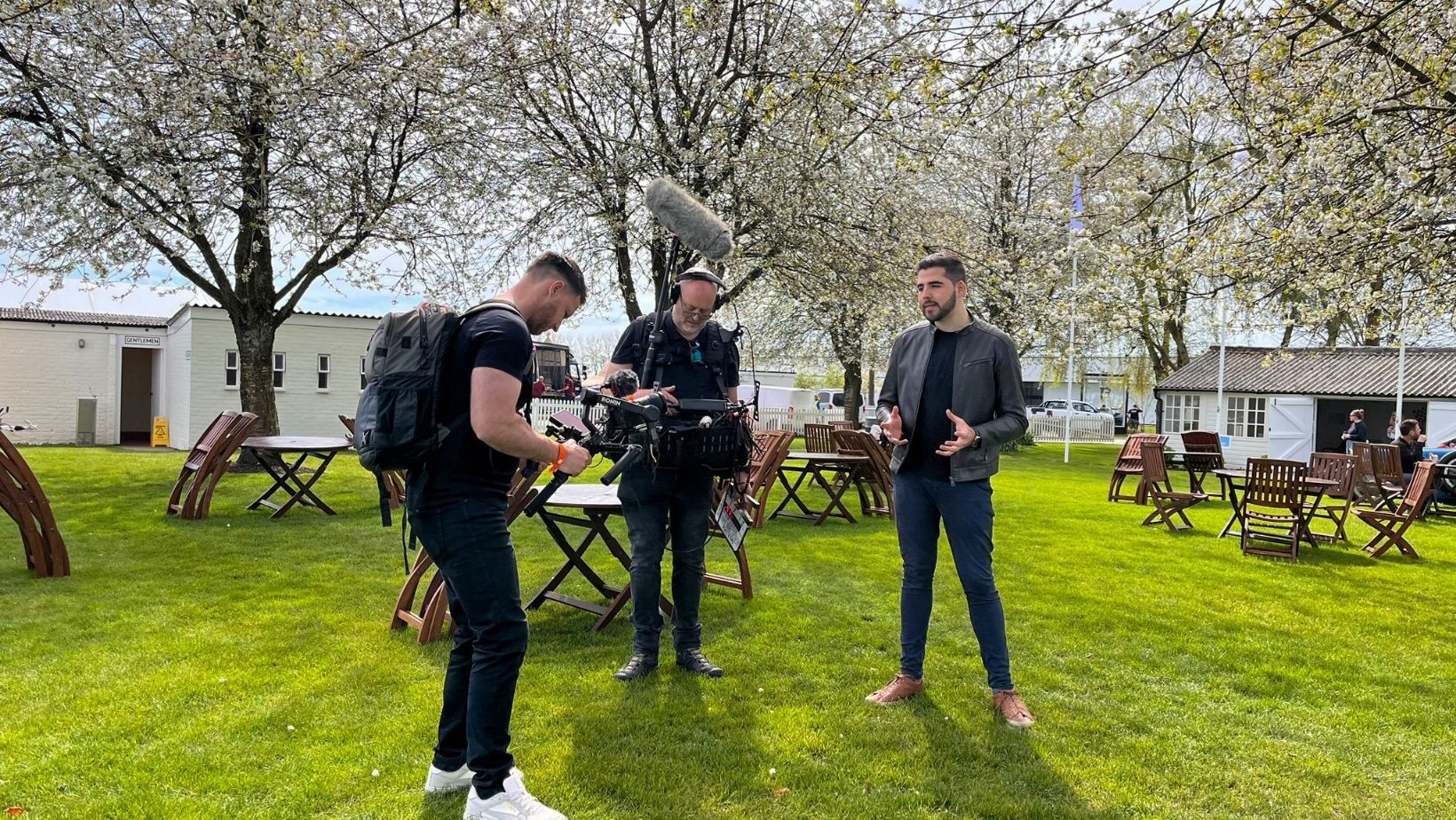
For the full article and many more, subscribe to our online Knowledge Hub Motorsport To Business®+
In this exclusive 24 part M2B+ Series, BBC Radio 5 Live and Sky Sports F1 commentator Harry Benjamin will take us inside the commentary box like never before
Behind The Mic with Harry Benjamin. Part 1: Setting up for the New Season
Introduction: Behind the Mic, Performance Under Pressure
As the engines fire up and anticipation builds for a brand-new Formula 1 season, M2B+ launches an exclusive new series from BBC Radio 5 Live and Sky Sports F1 commentator Harry Benjamin.
Behind the Mic: Performance Under Pressure will follow Harry across the world in 24 parts (1 for each F1 race!!) and take you inside the high-stakes world of elite broadcasting, where preparation is everything and pressure is constant.
In Part 1, he explores what it really takes to set up for a new Formula 1 season - from mastering regulation changes and tracking driver moves to building narrative threads and staying razor-sharp for the first lights out, not to menton an unforeseen set back before he'd even taken off!
This is the unseen performance behind the performance: the mindset, the discipline, and the marginal gains that separate good to great when millions are listening.
In this exclusive 24 part M2B+ series, BBC Radio 5 Live and Sky Sports F1 commentator Harry Benjamin will take us inside the commentator box like never before
Part 1: Setting up for the New Season
I was due to fly into Melbourne with enough time to sleep, do final prep and land ready for the start of a new era in Formula One.
Instead, my Qatar Airways flight sat on the tarmac before being cancelled. Not for bad weather or a mechanical fault, but because of the ripple effects of global disruption. Flights heading for the middle east, where I was transitioning before heading to Melbourne, were delayed and cancelled. With not just me, but hundreds of F1 personnel heading the same direction; it was chaos.
That “first world problem” frustration of it being too cold on the flight or the Gatwick airport lounge being a bit grim felt completely absurd when you consider the real disruption in the world right now. The United States and Israel having launched major strikes on Iran, significantly escalating once again regional tensions and promoting airspace closures.
So as I sit here in the airport lounge waiting to be told my fate, I can’t help but think that it is these moments, the points in time that you simply have no control over. They matter just as much as the ones you do. And how you respond to them often defines your character.
When my original flight to Melbourne was cancelled, it was so easy to spiral. Already anxious about dealing with the jetlag, worrying about my sleep strategy and making sure i’m optimized for my first bit of work. That work also being the deadline I needed to ideally get to Australia by - the Tuesday evening of race week ahead of a Wednesday hosting gig. However, instead of the spiral, it became an exercise in prioritisation. What mattered? Arrival before Wednesday. What didn’t? The preferred route.
Once it became clear there was no way I was making my original route on any other day, I was on the phone, finding new options, discarding the impractical and committing quickly. A reroute via Shanghai with a long layover wasn’t elegant, but it worked. My 5 Live producer, Paddy who is a far more seasoned traveller than I am was on and off the phone with me, found and secured the China Eastern alternative while I focused on a potential contingency plan and ultimately, getting myself back home for the night.
I’ll confess given the global situation, it feels a bit wrong trying to find a lesson here but there is. In volatile situations, speed matters, but so does calm. You don’t need perfect information; you need sufficient information and the discipline to act. What’s becoming clearer to me as I continue in this world of Formula One; where I start my third full season this year; you need the right people around you. The best performers rarely do it alone. It’s often the product of knowing when to delegate and who to trust.
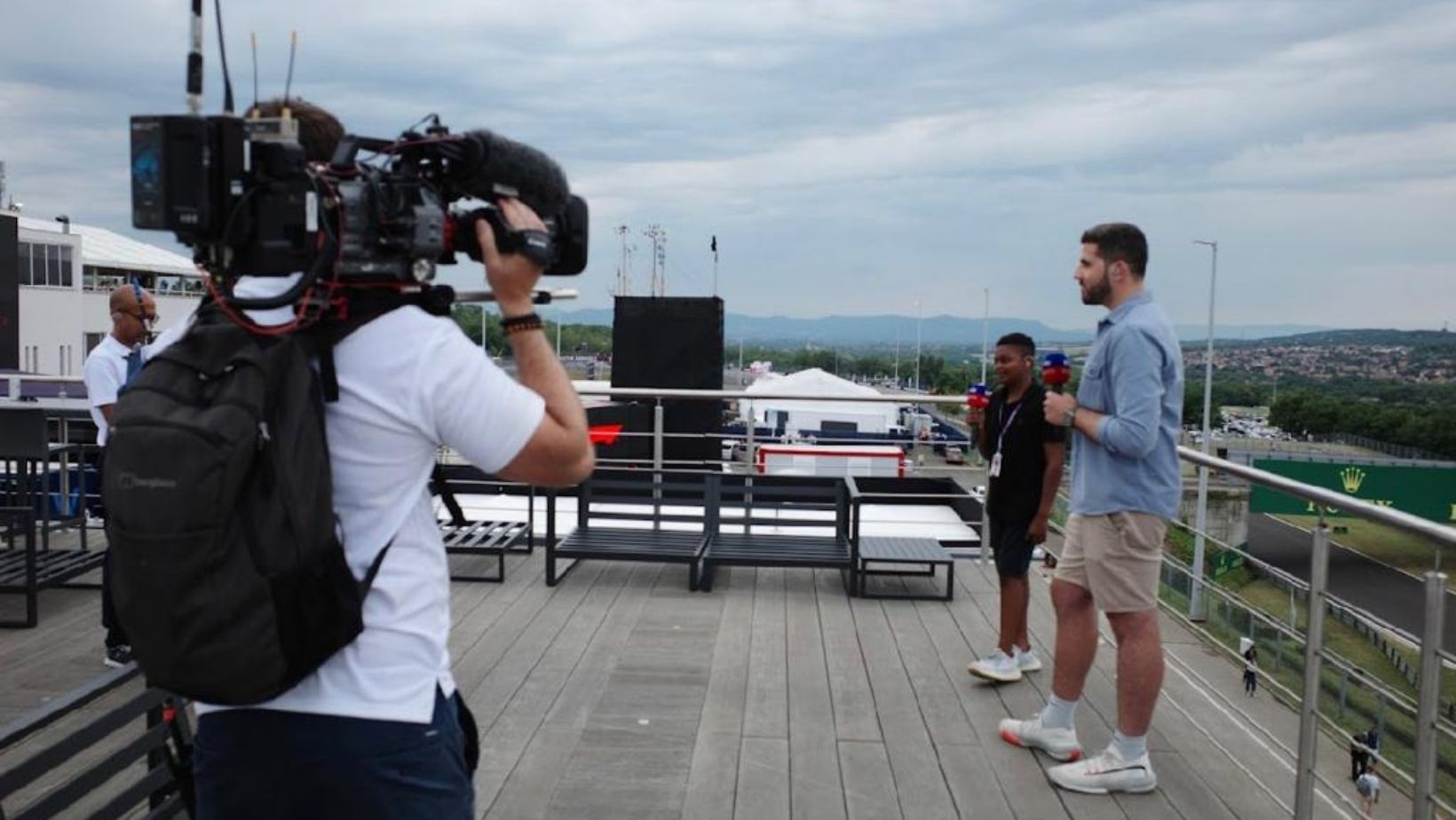
Harry will be live across the weekend on BBC Radio 5 Live
This weekend is round one in Melbourne, and my job as commentator for BBC Radio 5 Live doesn’t start when the cars take to the track for Free Practice One. It starts months before, in moments like this. Delayed flights, shifting contexts, uncertainty and adaptation.
Preparation in F1 isn’t memorising facts. Okay there is a bit of that. It’s also about building frameworks, anticipating patterns, and conditioning your mind to respond under pressure. Before Melbourne, I’m pouring over regulation changes, team lineups, energy deployment rules and preparing mental images for dozens of scenarios. You’re not trying to predict what will happen; well you can try and most likely fail; but you are trying to be ready for what might come your way.
Right now, that looks like a checklist of topics and questions:
How will teams have adapted their car design from testing?
Who has nailed the new battery management regulations?
Which drivers will handle the strategic challenges best?
These questions are less about who’s going to be fastest and more about comfort with uncertainty.
When I’m preparing, there’s always that tension between what I think might happen and what I know might happen. Do I understand enough? Or am I overthinking? It’s a bit similar to boarding that delayed flight. I didn’t know the exact outcome at the time, but I could try and prepare for the possibilities. The better prepared you are, the less your performance is taxed when Plan A falls through.
In live commentary, there’s no rewind button. You only get one chance to interpret what’s unfolding in real time in a way that’s accurate, insightful and enriching for the audience. That is why the unseen work; reviewing race traces, speaking to engineers; is so crucial. It’s the foundation for clarity amongst the chaos.
One of the biggest traps in commentary is overreaction. A team that looks fast in practice doesn’t win the championship. A mistake from a driver in Q1 doesn’t define their season. A strategy call that seems odd on the surface often has deeper rationale. Good prep allows you to see all this. From there, as a commentator you can perform your job which as Murray Walker always said is to “inform and entertain”.
In F1 and the commentary box, you’re surrounded by data. Indications, forecasts and opinions that all claim to tell you the answer and what matters. However, only some of that information is correct, the rest is just noise. Distinguishing between them is where preparation truly pays off. It gives you the luxury of choice; what to pay attention to and what to let fade.
When race day comes round, it becomes simple. Watch, listen, react and call the action. When the lights go out, the pressure doesn’t disappear. But the groundwork makes you feel more confident and less on the back foot. Less reactive and more adaptive.
Whether preparing for the first Grand Prix of the year, handling a delayed flight that ruins your routine, or absorbing global events that feel far more consequential, the work you do ahead of time gives you resilience, and occasionally perspective.
Mistakes will always creep in. We’re human. I’ll report back after Melbourne!
Behind The Mic with Harry Benjamin. Part 1: Setting up for the New Season
Introduction: Behind the Mic, Performance Under Pressure
As the engines fire up and anticipation builds for a brand-new Formula 1 season, M2B+ launches an exclusive new series from BBC Radio 5 Live and Sky Sports F1 commentator Harry Benjamin.
Behind the Mic: Performance Under Pressure will follow Harry across the world in 24 parts (1 for each F1 race!!) and take you inside the high-stakes world of elite broadcasting, where preparation is everything and pressure is constant.
In Part 1, he explores what it really takes to set up for a new Formula 1 season - from mastering regulation changes and tracking driver moves to building narrative threads and staying razor-sharp for the first lights out, not to menton an unforeseen set back before he'd even taken off!
This is the unseen performance behind the performance: the mindset, the discipline, and the marginal gains that separate good to great when millions are listening.
In this exclusive 24 part M2B+ series, BBC Radio 5 Live and Sky Sports F1 commentator Harry Benjamin will take us inside the commentator box like never before
Part 1: Setting up for the New Season
I was due to fly into Melbourne with enough time to sleep, do final prep and land ready for the start of a new era in Formula One.
Instead, my Qatar Airways flight sat on the tarmac before being cancelled. Not for bad weather or a mechanical fault, but because of the ripple effects of global disruption. Flights heading for the middle east, where I was transitioning before heading to Melbourne, were delayed and cancelled. With not just me, but hundreds of F1 personnel heading the same direction; it was chaos.
That “first world problem” frustration of it being too cold on the flight or the Gatwick airport lounge being a bit grim felt completely absurd when you consider the real disruption in the world right now. The United States and Israel having launched major strikes on Iran, significantly escalating once again regional tensions and promoting airspace closures.
So as I sit here in the airport lounge waiting to be told my fate, I can’t help but think that it is these moments, the points in time that you simply have no control over. They matter just as much as the ones you do. And how you respond to them often defines your character.
When my original flight to Melbourne was cancelled, it was so easy to spiral. Already anxious about dealing with the jetlag, worrying about my sleep strategy and making sure i’m optimized for my first bit of work. That work also being the deadline I needed to ideally get to Australia by - the Tuesday evening of race week ahead of a Wednesday hosting gig. However, instead of the spiral, it became an exercise in prioritisation. What mattered? Arrival before Wednesday. What didn’t? The preferred route.
Once it became clear there was no way I was making my original route on any other day, I was on the phone, finding new options, discarding the impractical and committing quickly. A reroute via Shanghai with a long layover wasn’t elegant, but it worked. My 5 Live producer, Paddy who is a far more seasoned traveller than I am was on and off the phone with me, found and secured the China Eastern alternative while I focused on a potential contingency plan and ultimately, getting myself back home for the night.
I’ll confess given the global situation, it feels a bit wrong trying to find a lesson here but there is. In volatile situations, speed matters, but so does calm. You don’t need perfect information; you need sufficient information and the discipline to act. What’s becoming clearer to me as I continue in this world of Formula One; where I start my third full season this year; you need the right people around you. The best performers rarely do it alone. It’s often the product of knowing when to delegate and who to trust.
Harry will be live across the weekend on BBC Radio 5 Live
This weekend is round one in Melbourne, and my job as commentator for BBC Radio 5 Live doesn’t start when the cars take to the track for Free Practice One. It starts months before, in moments like this. Delayed flights, shifting contexts, uncertainty and adaptation.
Preparation in F1 isn’t memorising facts. Okay there is a bit of that. It’s also about building frameworks, anticipating patterns, and conditioning your mind to respond under pressure. Before Melbourne, I’m pouring over regulation changes, team lineups, energy deployment rules and preparing mental images for dozens of scenarios. You’re not trying to predict what will happen; well you can try and most likely fail; but you are trying to be ready for what might come your way.
Right now, that looks like a checklist of topics and questions:
How will teams have adapted their car design from testing?
Who has nailed the new battery management regulations?
Which drivers will handle the strategic challenges best?
These questions are less about who’s going to be fastest and more about comfort with uncertainty.
When I’m preparing, there’s always that tension between what I think might happen and what I know might happen. Do I understand enough? Or am I overthinking? It’s a bit similar to boarding that delayed flight. I didn’t know the exact outcome at the time, but I could try and prepare for the possibilities. The better prepared you are, the less your performance is taxed when Plan A falls through.
In live commentary, there’s no rewind button. You only get one chance to interpret what’s unfolding in real time in a way that’s accurate, insightful and enriching for the audience. That is why the unseen work; reviewing race traces, speaking to engineers; is so crucial. It’s the foundation for clarity amongst the chaos.
One of the biggest traps in commentary is overreaction. A team that looks fast in practice doesn’t win the championship. A mistake from a driver in Q1 doesn’t define their season. A strategy call that seems odd on the surface often has deeper rationale. Good prep allows you to see all this. From there, as a commentator you can perform your job which as Murray Walker always said is to “inform and entertain”.
In F1 and the commentary box, you’re surrounded by data. Indications, forecasts and opinions that all claim to tell you the answer and what matters. However, only some of that information is correct, the rest is just noise. Distinguishing between them is where preparation truly pays off. It gives you the luxury of choice; what to pay attention to and what to let fade.
When race day comes round, it becomes simple. Watch, listen, react and call the action. When the lights go out, the pressure doesn’t disappear. But the groundwork makes you feel more confident and less on the back foot. Less reactive and more adaptive.
Whether preparing for the first Grand Prix of the year, handling a delayed flight that ruins your routine, or absorbing global events that feel far more consequential, the work you do ahead of time gives you resilience, and occasionally perspective.
Mistakes will always creep in. We’re human. I’ll report back after Melbourne!