Log out
<< All articles

When (and When Not) to Lose Your Cool - Lessons from Max Verstappen’s Press Conference Moment

Introduction

In the high-pressure environment of Formula 1, composure is as critical as outright speed. Every word, every gesture, and every reaction is scrutinised, not just by teams and competitors, but by millions of fans and global media. The recent incident involving Max Verstappen at the Japanese Grand Prix offers a powerful lens through which to explore a challenge faced not only in motorsport, but across business leadership: knowing when, and when not, to lose your cool.

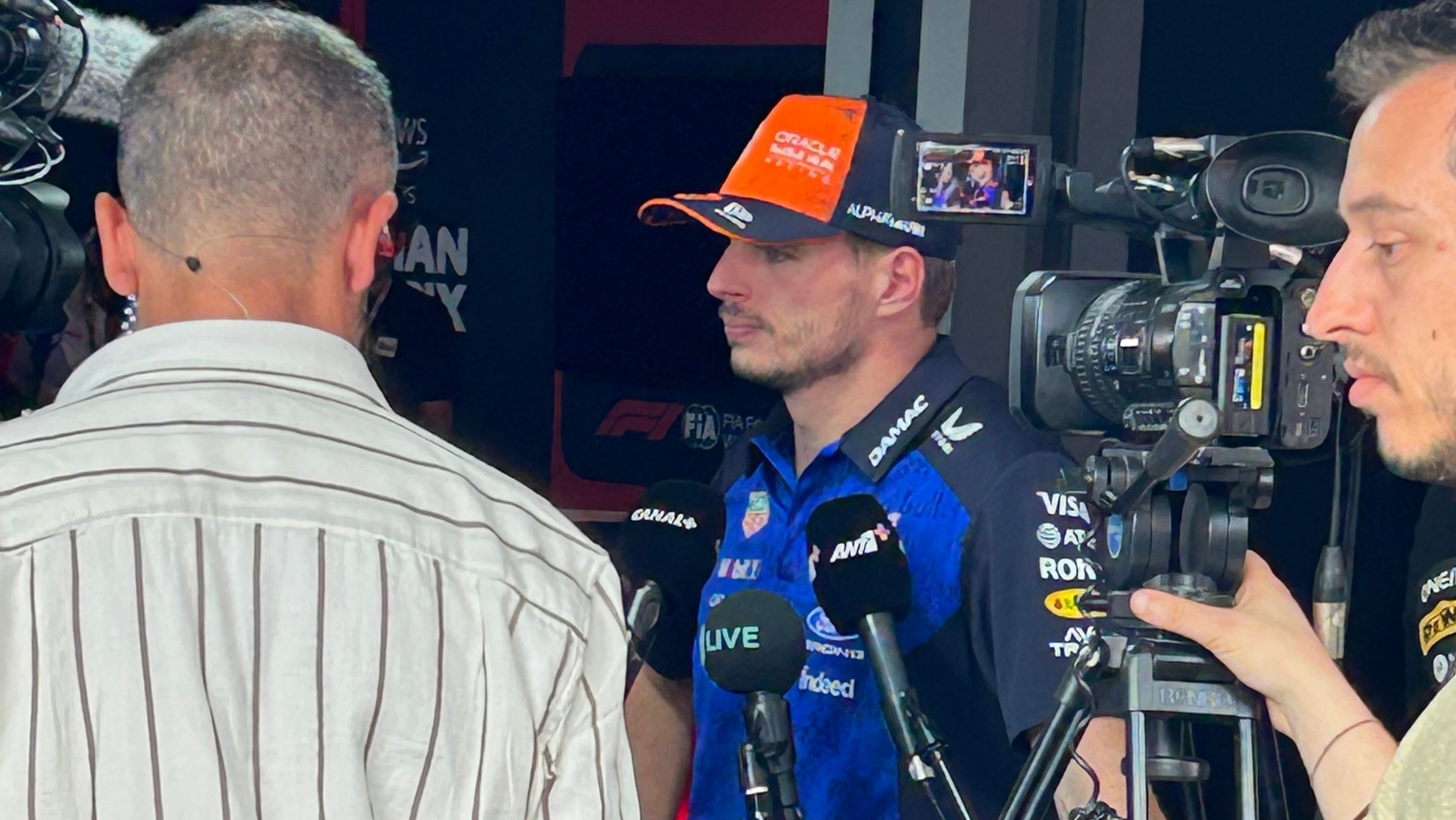
During a pre-weekend media session at Suzuka, Verstappen halted proceedings before the first question was even asked. Fixing his attention on a journalist from The Guardian, he made it clear: he would not speak unless that individual left the room. When questioned, he doubled down. The exchange was brief, direct, and unequivocal - ending with the journalist exiting and the press conference continuing as normal.

On the surface, it was a moment of tension between a driver and the media, but beneath it lies a broader leadership question: what happens when emotion, memory, and perceived unfairness collide in a public setting?
For the full article and many more, subscribe to our online Knowledge Hub Motorsport To Business®+

Don't forget to use our exclusive discount code "M2BTrial" for 6 months for £1 per month*

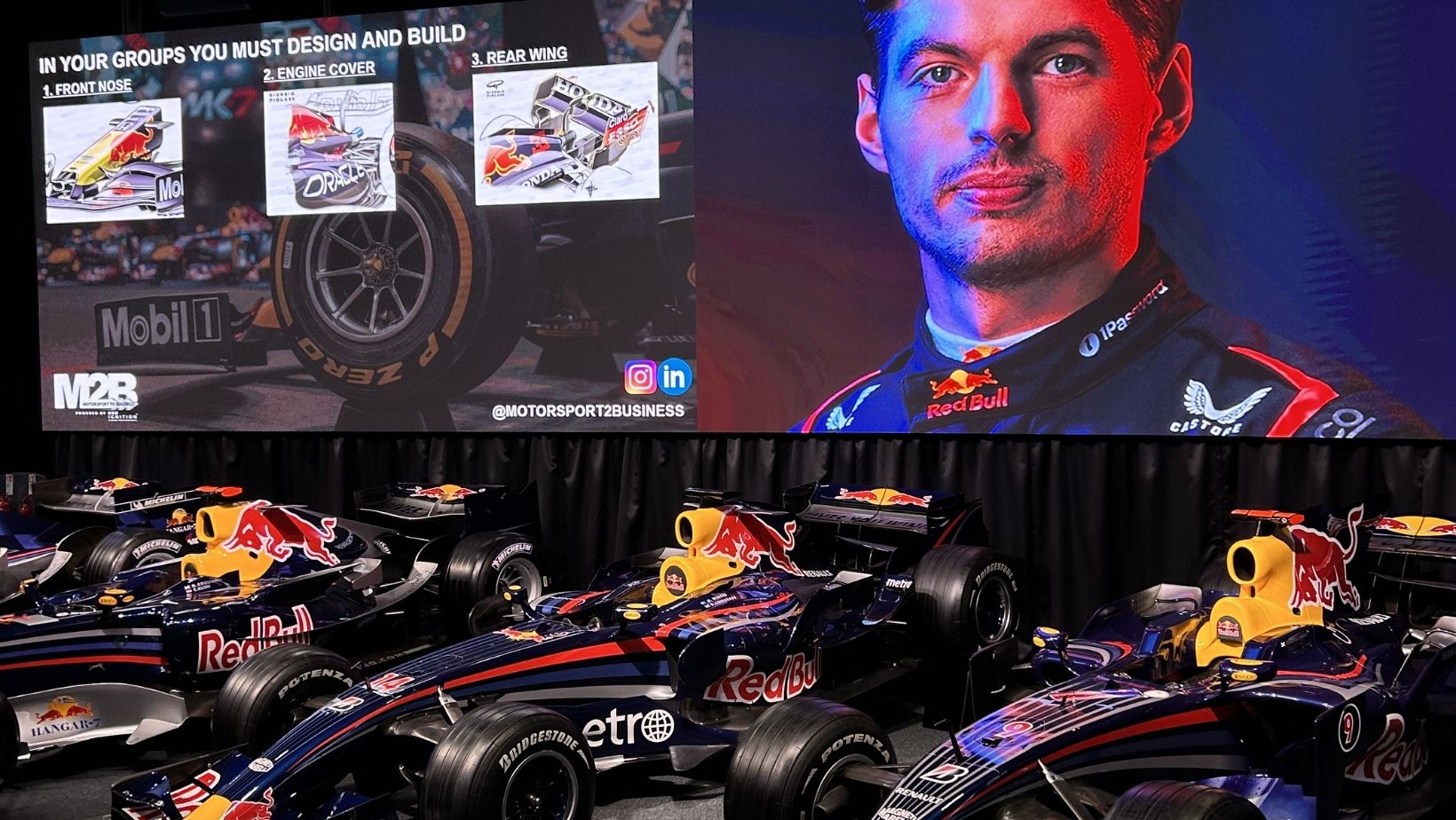
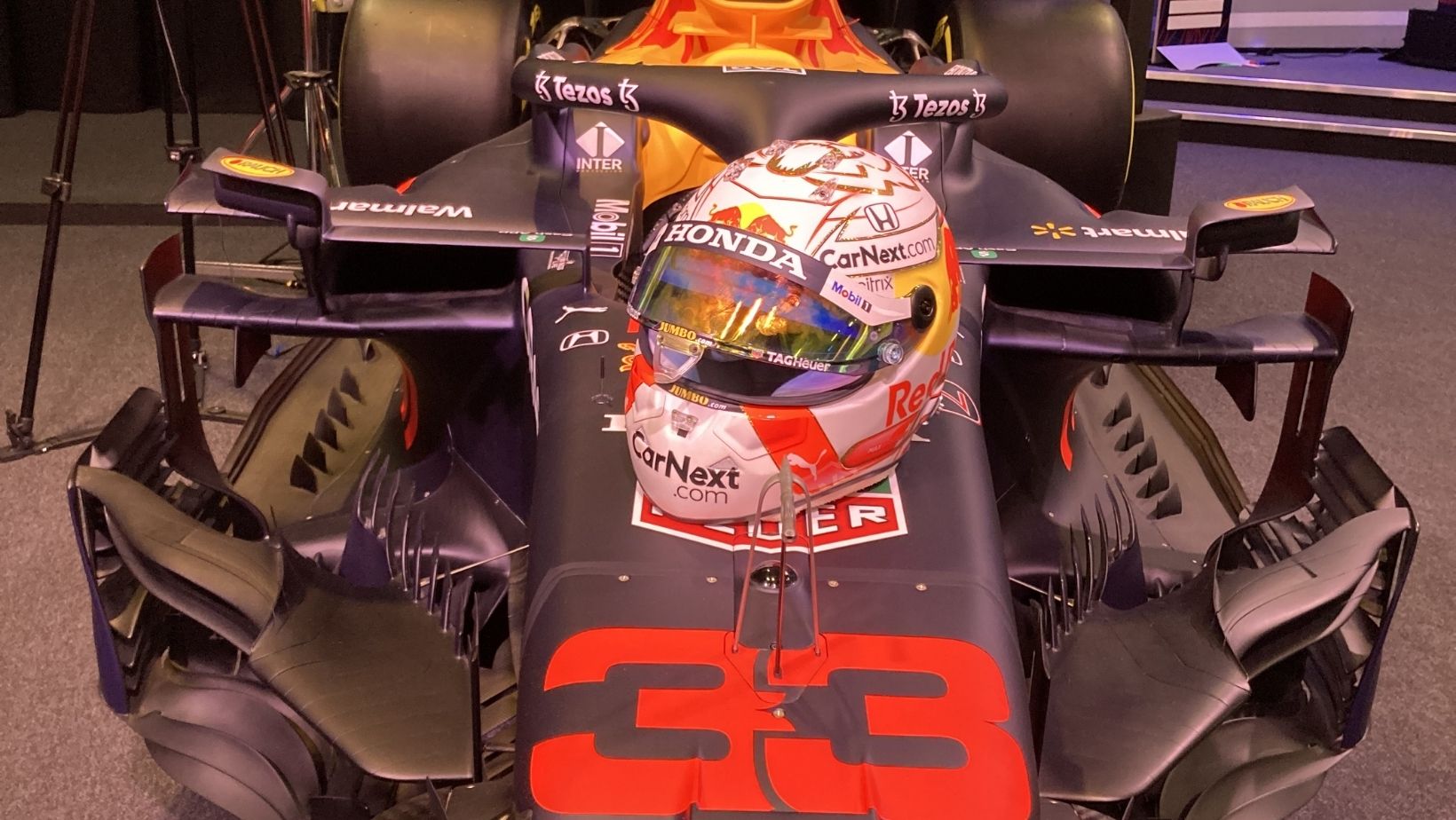
Max Verstappen's championship winning 2021 car sits in the Red Bull team's HQ in Milton Keynes (Picture: Nick Butcher)

*£1 per month for 6 months, then billed at £4.99 per month thereafter. Cancel anytime

This post is for subscribers only

Already have an account? Log-in

<< All articles

When (and When Not) to Lose Your Cool - Lessons from Max Verstappen’s Press Conference Moment

Introduction

In the high-pressure environment of Formula 1, composure is as critical as outright speed. Every word, every gesture, and every reaction is scrutinised, not just by teams and competitors, but by millions of fans and global media. The recent incident involving Max Verstappen at the Japanese Grand Prix offers a powerful lens through which to explore a challenge faced not only in motorsport, but across business leadership: knowing when, and when not, to lose your cool.

During a pre-weekend media session at Suzuka, Verstappen halted proceedings before the first question was even asked. Fixing his attention on a journalist from The Guardian, he made it clear: he would not speak unless that individual left the room. When questioned, he doubled down. The exchange was brief, direct, and unequivocal - ending with the journalist exiting and the press conference continuing as normal.

On the surface, it was a moment of tension between a driver and the media, but beneath it lies a broader leadership question: what happens when emotion, memory, and perceived unfairness collide in a public setting?

Max Verstappen's championship winning 2021 car sits in the Red Bull team's HQ in Milton Keynes (Picture: Nick Butcher)

Context Matters: The Build-Up Behind the Reaction

To understand the moment, we must consider its origins. The tension stemmed from a prior exchange at the season-ending Abu Dhabi Grand Prix, where Verstappen, having won the race but narrowly lost the title to Lando Norris, was asked whether he regretted an earlier-season collision with George Russell at the Spanish Grand Prix.

The question touched a nerve. It focused on a single incident in a long, complex season, one that Verstappen felt did not reflect the broader narrative of his performance. While he acknowledged the mistake elsewhere, the framing appeared, to him, reductive and perhaps provocative.

Fast forward to Suzuka, and that moment had clearly lingered.

This is a familiar dynamic in business. Leaders often carry forward unresolved frustrations - whether from a difficult meeting, a challenging stakeholder, or a perceived slight. When those tensions resurface, especially in public forums, reactions can be sharper than the moment alone might justify.

The Leadership Parallel: When Frustration Becomes Visible

Verstappen’s reaction raises an important leadership question: was this a justified boundary, or a loss of composure?

In business, similar situations arise frequently:

  • A senior leader shuts down a line of questioning in a board meeting
  • A manager dismisses a team member’s input due to past disagreements
  • A stakeholder is excluded from a conversation because of prior tension

From the leader’s perspective, these actions may feel justified - protecting time, energy, or focus. But to others, they can appear reactive, personal, or even defensive.

The challenge lies in the gap between intent and perception.

Verstappen may have intended to avoid what he saw as repetitive or unfair questioning. But to external observers, the moment risked appearing dismissive, confrontational, and emotionally driven.

In leadership, perception is reality.

The Cost of Public Emotional Reactions

One of the defining aspects of this incident is its visibility. It didn’t happen behind closed doors - it unfolded in a press conference, a setting designed for transparency and professionalism.

In business, the equivalent might be:

  • A tense exchange in a company-wide meeting
  • A visible disagreement with a client
  • A public dismissal of a colleague’s contribution

These moments carry amplified consequences.

1. Authority vs. Control

While assertiveness can reinforce authority, visible frustration can undermine it. Leaders are expected to remain composed, especially under scrutiny.

2. Cultural Signal

Behaviour at the top sets the tone. If leaders react sharply, it can normalise similar behaviour across teams - or create an environment where people hesitate to speak up.

3. Reputation Beyond the Room

Just as Verstappen’s moment was quickly reported and discussed, workplace interactions often travel beyond their immediate context. Narratives form quickly and can stick.

Was It Ever Justified?

This is where the discussion becomes more nuanced.

There are situations - both in motorsport and business - where setting a firm boundary is necessary.

If an individual feels:

  • Repeatedly misrepresented
  • Subjected to unfair or leading questioning
  • Disrespected in a professional setting

Then addressing it is not only acceptable - it may be necessary.

The question is not whether to respond, but how.

Imagine an alternative scenario:

  • Verstappen acknowledges the journalist but sets a boundary verbally
  • He addresses the previous question calmly, clarifying his position
  • He reframes the narrative without excluding the individual

The outcome? The same message - delivered with greater control, and likely a stronger impact.

In business, this distinction is critical. Leaders must often challenge, correct, or push back. But the method of delivery determines whether the outcome is constructive or damaging.

Controlled Aggression vs. Emotional Reaction

Motorsport offers a useful concept: controlled aggression.

Elite drivers are aggressive by necessity. They take risks, defend positions, and operate on the edge. But the best, championship-winning drivers, combine aggression with precision and control.

Unchecked aggression leads to penalties, collisions, and lost opportunities.

The same principle applies in leadership.

Controlled aggression in business looks like:

  • Challenging ideas without attacking individuals
  • Holding high standards without creating fear
  • Addressing issues directly without escalating emotion

Emotional reaction, on the other hand, looks like:

  • Personalising disagreements
  • Reacting based on past frustrations
  • Making decisions in the heat of the moment

The Verstappen incident sits right on this boundary and that’s what makes it such a valuable case study.

How It Comes Across to Others

Perhaps the most important leadership lesson from this moment is not what was said - but how it was perceived.

To Verstappen, it may have been:

  • A justified stance
  • A way to avoid unproductive questioning
  • A response rooted in prior experience

To others, it may have appeared:

  • Dismissive
  • Confrontational
  • Emotionally driven

This gap exists in every organisation.

Leaders often believe they are being:

  • Direct
  • Efficient
  • Decisive

But teams may experience:

  • Intimidation
  • Exclusion
  • Lack of openness

Understanding this gap and actively managing it, is a hallmark of effective leadership.
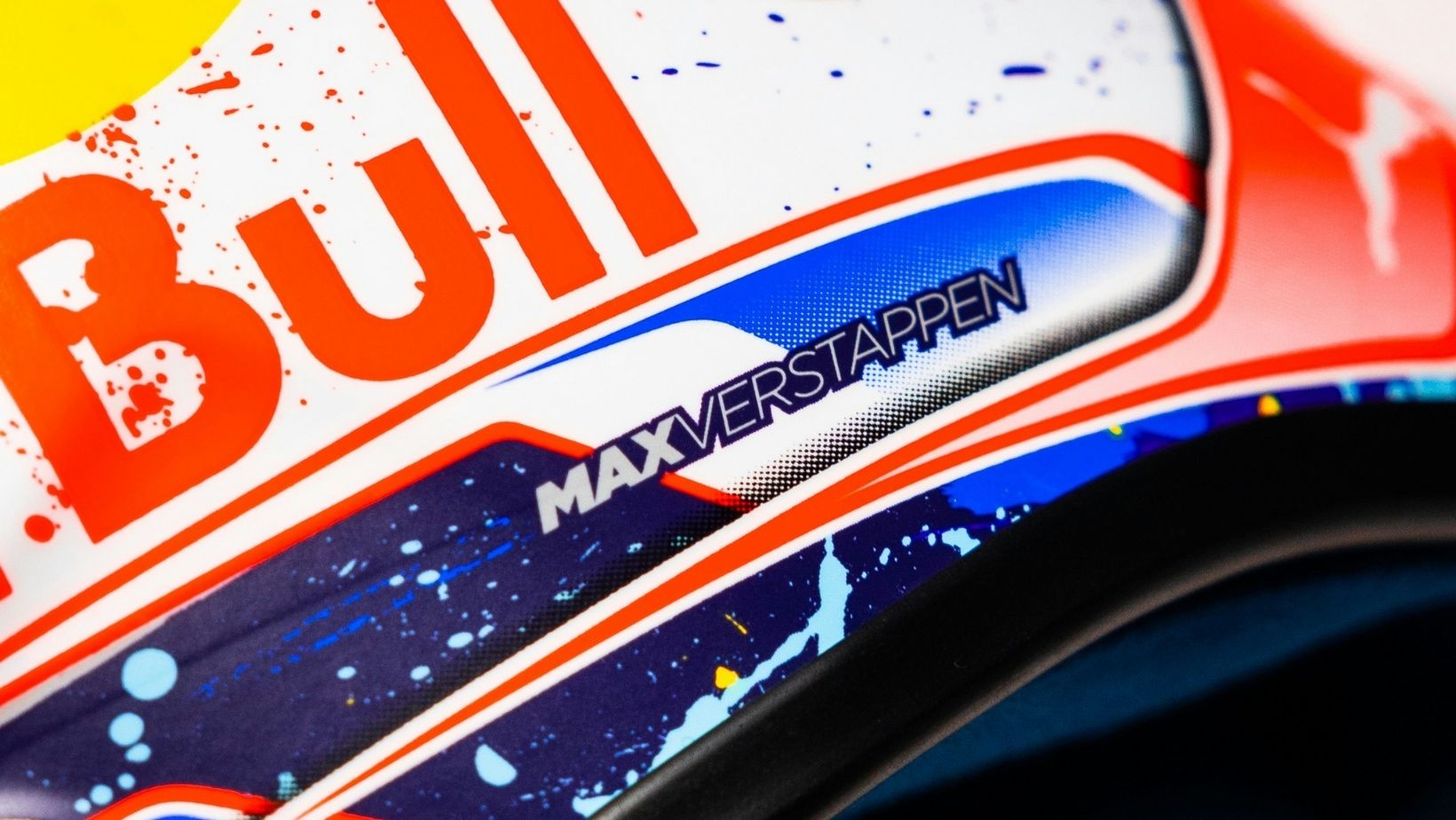
Close up of Verstappen's race helmet (Picture: Adrian Hernandez)

Practical Takeaways for Business Leaders

For leaders who recognise elements of this dynamic in their own behaviour, there are clear, actionable steps to take.

1. Address Issues Early - Not Publicly

If something is bothering you, deal with it directly and privately. Allowing frustration to build increases the likelihood of a public reaction.

In the Verstappen example, the issue stemmed from a previous interaction. Addressing it at the time, or shortly after, may have prevented escalation later.

2. Separate the Person from the Problem

It’s easy to associate individuals with past frustrations. But each interaction should be assessed on its own merit.

In business:

  • Focus on the question, not the questioner
  • Address the issue, not the individual

3. Build the Pause

Before reacting, ask:

“What outcome do I want from this moment?”

If the answer is:

  • Clarity
  • Respect
  • Progress

Then the response should align with that goal - not with the emotion of the moment.

4. Reframe Challenges as Opportunities

Difficult questions or situations are often opportunities to:

  • Clarify your position
  • Reinforce your message
  • Demonstrate composure under pressure

Handled well, they can strengthen rather than weaken your position.

5. Choose Control Over Catharsis

Expressing frustration may feel satisfying in the moment, but it rarely delivers long-term value.

Control, on the other hand:

  • Builds credibility
  • Reinforces authority
  • Strengthens relationships

6. Recover Quickly if Needed

Even high performers misstep.

If you recognise that a reaction was not ideal:

  • Acknowledge it
  • Reset the tone
  • Move forward constructively

This is not a weakness, it’s a leadership strength.

Final Thought: Pressure Reveals, It Doesn’t Create

In both motorsport and business, pressure doesn’t create behaviour - it reveals it.

The Verstappen press conference moment is not just about a single interaction. It’s a reflection of how high-performing individuals respond when pushed, questioned, or challenged.

For business leaders, the lesson is clear:

You will be challenged.

You will feel frustrated.

You may even feel justified in reacting.

But leadership is not defined by the pressure you face - it’s defined by how you respond to it.

Because in the moments that test your composure most, you are also shaping how others define your leadership.

<< All articles

When (and When Not) to Lose Your Cool - Lessons from Max Verstappen’s Press Conference Moment

Introduction

In the high-pressure environment of Formula 1, composure is as critical as outright speed. Every word, every gesture, and every reaction is scrutinised, not just by teams and competitors, but by millions of fans and global media. The recent incident involving Max Verstappen at the Japanese Grand Prix offers a powerful lens through which to explore a challenge faced not only in motorsport, but across business leadership: knowing when, and when not, to lose your cool.

During a pre-weekend media session at Suzuka, Verstappen halted proceedings before the first question was even asked. Fixing his attention on a journalist from The Guardian, he made it clear: he would not speak unless that individual left the room. When questioned, he doubled down. The exchange was brief, direct, and unequivocal - ending with the journalist exiting and the press conference continuing as normal.

On the surface, it was a moment of tension between a driver and the media, but beneath it lies a broader leadership question: what happens when emotion, memory, and perceived unfairness collide in a public setting?

Max Verstappen's championship winning 2021 car sits in the Red Bull team's HQ in Milton Keynes (Picture: Nick Butcher)

Context Matters: The Build-Up Behind the Reaction

To understand the moment, we must consider its origins. The tension stemmed from a prior exchange at the season-ending Abu Dhabi Grand Prix, where Verstappen, having won the race but narrowly lost the title to Lando Norris, was asked whether he regretted an earlier-season collision with George Russell at the Spanish Grand Prix.

The question touched a nerve. It focused on a single incident in a long, complex season, one that Verstappen felt did not reflect the broader narrative of his performance. While he acknowledged the mistake elsewhere, the framing appeared, to him, reductive and perhaps provocative.

Fast forward to Suzuka, and that moment had clearly lingered.

This is a familiar dynamic in business. Leaders often carry forward unresolved frustrations - whether from a difficult meeting, a challenging stakeholder, or a perceived slight. When those tensions resurface, especially in public forums, reactions can be sharper than the moment alone might justify.

The Leadership Parallel: When Frustration Becomes Visible

Verstappen’s reaction raises an important leadership question: was this a justified boundary, or a loss of composure?

In business, similar situations arise frequently:

  • A senior leader shuts down a line of questioning in a board meeting
  • A manager dismisses a team member’s input due to past disagreements
  • A stakeholder is excluded from a conversation because of prior tension

From the leader’s perspective, these actions may feel justified - protecting time, energy, or focus. But to others, they can appear reactive, personal, or even defensive.

The challenge lies in the gap between intent and perception.

Verstappen may have intended to avoid what he saw as repetitive or unfair questioning. But to external observers, the moment risked appearing dismissive, confrontational, and emotionally driven.

In leadership, perception is reality.

The Cost of Public Emotional Reactions

One of the defining aspects of this incident is its visibility. It didn’t happen behind closed doors - it unfolded in a press conference, a setting designed for transparency and professionalism.

In business, the equivalent might be:

  • A tense exchange in a company-wide meeting
  • A visible disagreement with a client
  • A public dismissal of a colleague’s contribution

These moments carry amplified consequences.

1. Authority vs. Control

While assertiveness can reinforce authority, visible frustration can undermine it. Leaders are expected to remain composed, especially under scrutiny.

2. Cultural Signal

Behaviour at the top sets the tone. If leaders react sharply, it can normalise similar behaviour across teams - or create an environment where people hesitate to speak up.

3. Reputation Beyond the Room

Just as Verstappen’s moment was quickly reported and discussed, workplace interactions often travel beyond their immediate context. Narratives form quickly and can stick.

Was It Ever Justified?

This is where the discussion becomes more nuanced.

There are situations - both in motorsport and business - where setting a firm boundary is necessary.

If an individual feels:

  • Repeatedly misrepresented
  • Subjected to unfair or leading questioning
  • Disrespected in a professional setting

Then addressing it is not only acceptable - it may be necessary.

The question is not whether to respond, but how.

Imagine an alternative scenario:

  • Verstappen acknowledges the journalist but sets a boundary verbally
  • He addresses the previous question calmly, clarifying his position
  • He reframes the narrative without excluding the individual

The outcome? The same message - delivered with greater control, and likely a stronger impact.

In business, this distinction is critical. Leaders must often challenge, correct, or push back. But the method of delivery determines whether the outcome is constructive or damaging.

Controlled Aggression vs. Emotional Reaction

Motorsport offers a useful concept: controlled aggression.

Elite drivers are aggressive by necessity. They take risks, defend positions, and operate on the edge. But the best, championship-winning drivers, combine aggression with precision and control.

Unchecked aggression leads to penalties, collisions, and lost opportunities.

The same principle applies in leadership.

Controlled aggression in business looks like:

  • Challenging ideas without attacking individuals
  • Holding high standards without creating fear
  • Addressing issues directly without escalating emotion

Emotional reaction, on the other hand, looks like:

  • Personalising disagreements
  • Reacting based on past frustrations
  • Making decisions in the heat of the moment

The Verstappen incident sits right on this boundary and that’s what makes it such a valuable case study.

How It Comes Across to Others

Perhaps the most important leadership lesson from this moment is not what was said - but how it was perceived.

To Verstappen, it may have been:

  • A justified stance
  • A way to avoid unproductive questioning
  • A response rooted in prior experience

To others, it may have appeared:

  • Dismissive
  • Confrontational
  • Emotionally driven

This gap exists in every organisation.

Leaders often believe they are being:

  • Direct
  • Efficient
  • Decisive

But teams may experience:

  • Intimidation
  • Exclusion
  • Lack of openness

Understanding this gap and actively managing it, is a hallmark of effective leadership.

Close up of Verstappen's race helmet (Picture: Adrian Hernandez)

Practical Takeaways for Business Leaders

For leaders who recognise elements of this dynamic in their own behaviour, there are clear, actionable steps to take.

1. Address Issues Early - Not Publicly

If something is bothering you, deal with it directly and privately. Allowing frustration to build increases the likelihood of a public reaction.

In the Verstappen example, the issue stemmed from a previous interaction. Addressing it at the time, or shortly after, may have prevented escalation later.

2. Separate the Person from the Problem

It’s easy to associate individuals with past frustrations. But each interaction should be assessed on its own merit.

In business:

  • Focus on the question, not the questioner
  • Address the issue, not the individual

3. Build the Pause

Before reacting, ask:

“What outcome do I want from this moment?”

If the answer is:

  • Clarity
  • Respect
  • Progress

Then the response should align with that goal - not with the emotion of the moment.

4. Reframe Challenges as Opportunities

Difficult questions or situations are often opportunities to:

  • Clarify your position
  • Reinforce your message
  • Demonstrate composure under pressure

Handled well, they can strengthen rather than weaken your position.

5. Choose Control Over Catharsis

Expressing frustration may feel satisfying in the moment, but it rarely delivers long-term value.

Control, on the other hand:

  • Builds credibility
  • Reinforces authority
  • Strengthens relationships

6. Recover Quickly if Needed

Even high performers misstep.

If you recognise that a reaction was not ideal:

  • Acknowledge it
  • Reset the tone
  • Move forward constructively

This is not a weakness, it’s a leadership strength.

Final Thought: Pressure Reveals, It Doesn’t Create

In both motorsport and business, pressure doesn’t create behaviour - it reveals it.

The Verstappen press conference moment is not just about a single interaction. It’s a reflection of how high-performing individuals respond when pushed, questioned, or challenged.

For business leaders, the lesson is clear:

You will be challenged.

You will feel frustrated.

You may even feel justified in reacting.

But leadership is not defined by the pressure you face - it’s defined by how you respond to it.

Because in the moments that test your composure most, you are also shaping how others define your leadership.