Watch on Sunday, Learn on Monday: What Vowles got right when the story turned negative
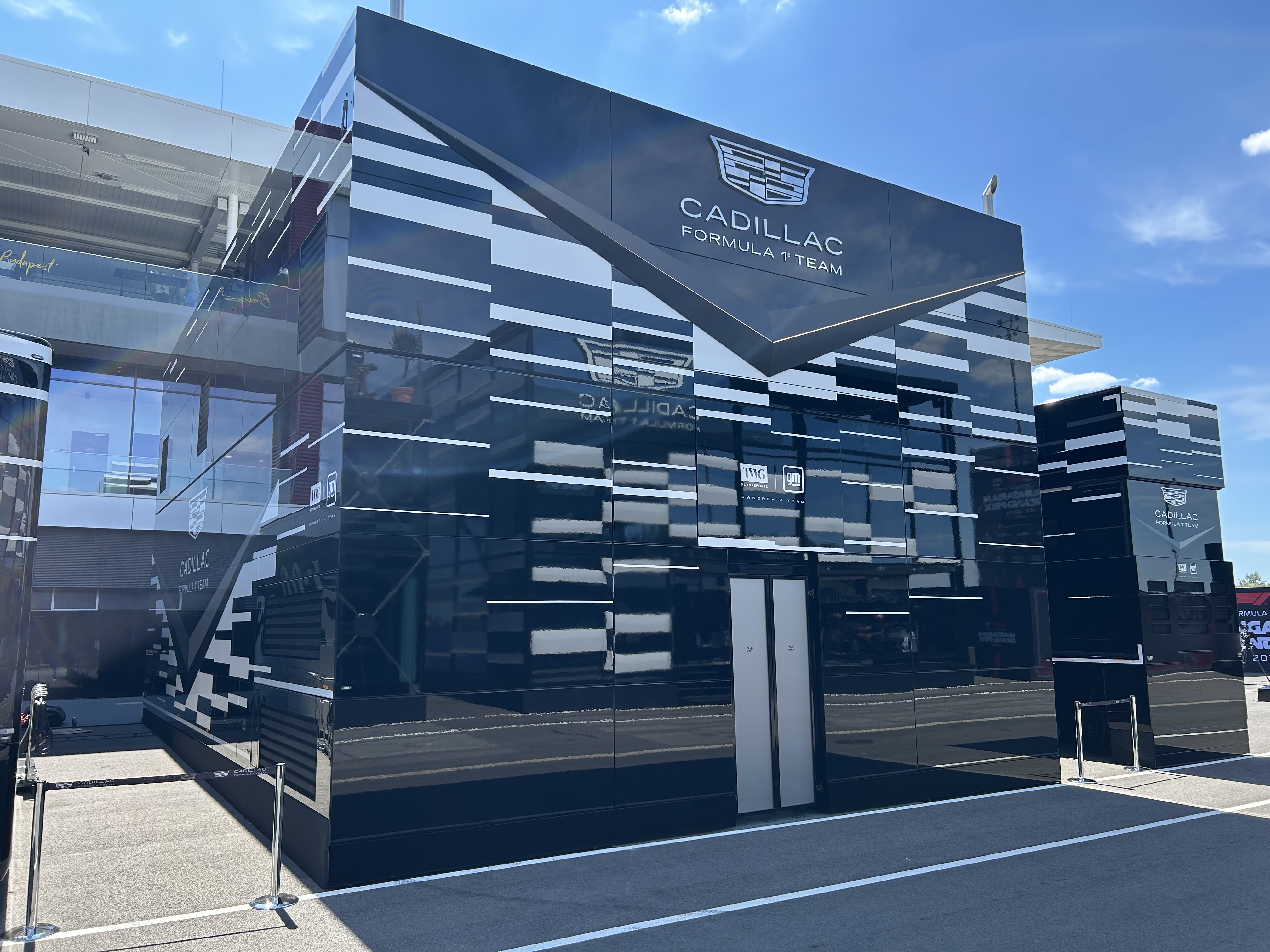
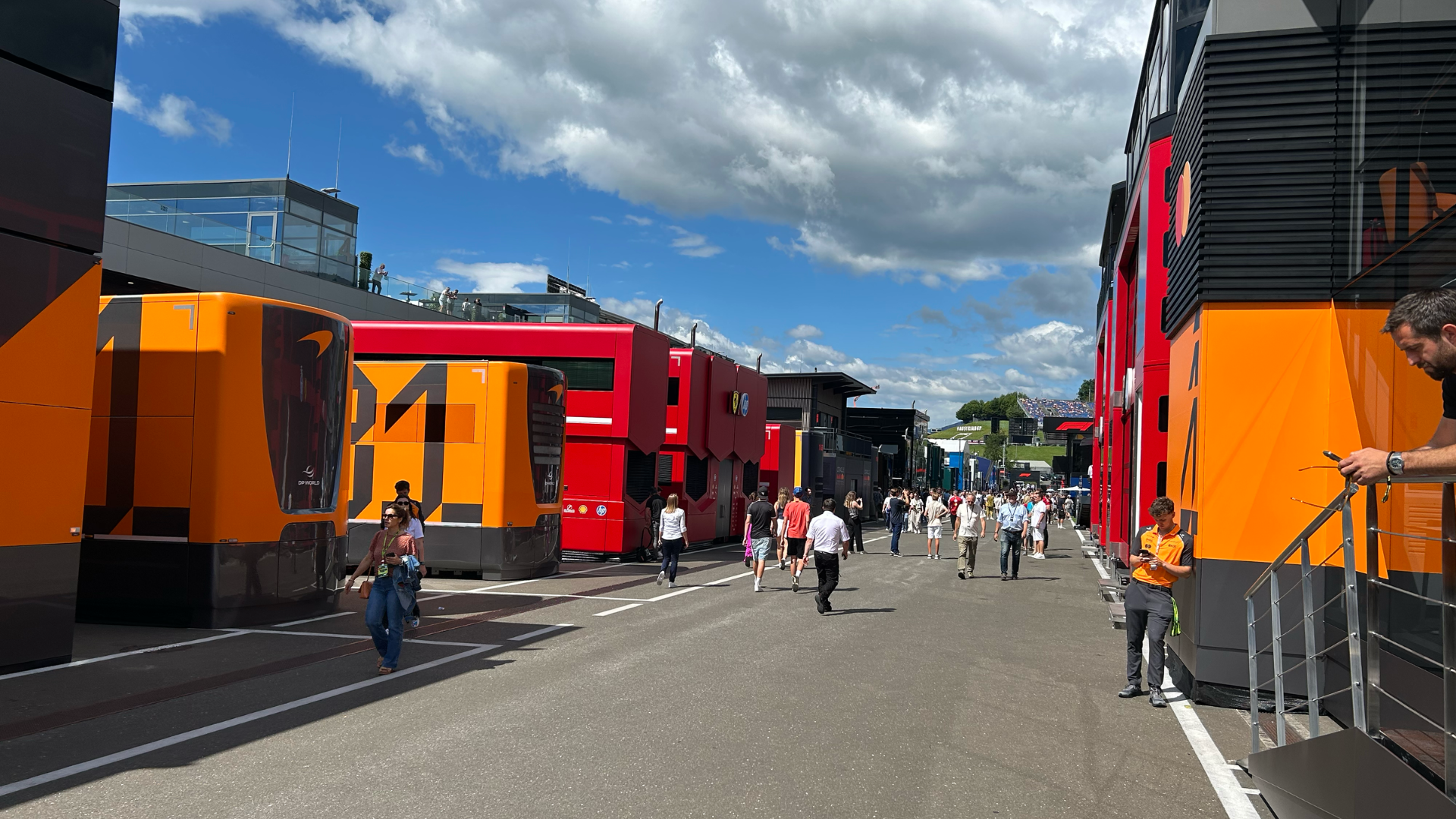
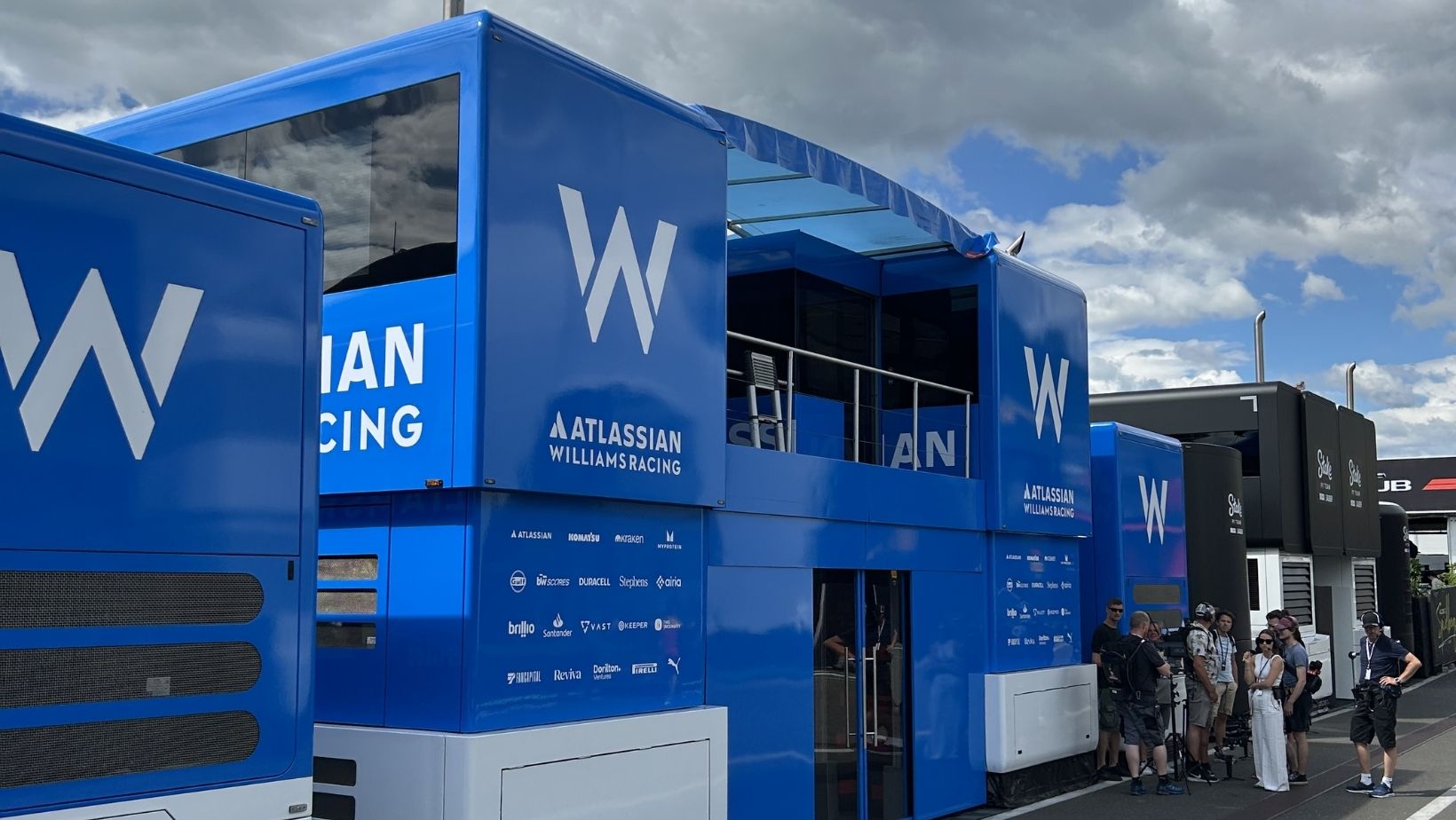
In a week where everyone expects spy-shots of 11 teams on track, only 10 liveries show up in the photos. Testing week is a scoreboard without numbers. You’re either present or you’re not. And absence, fairly or not, gets read as a verdict. Rivalling teams notice first, then the journalists, then the partners who quietly ask the question no one wants to say out loud: what does this mean? In the space between what people see and what they assume, Williams team principal James Vowles does the unglamorous work of leadership - making reality feel managed.
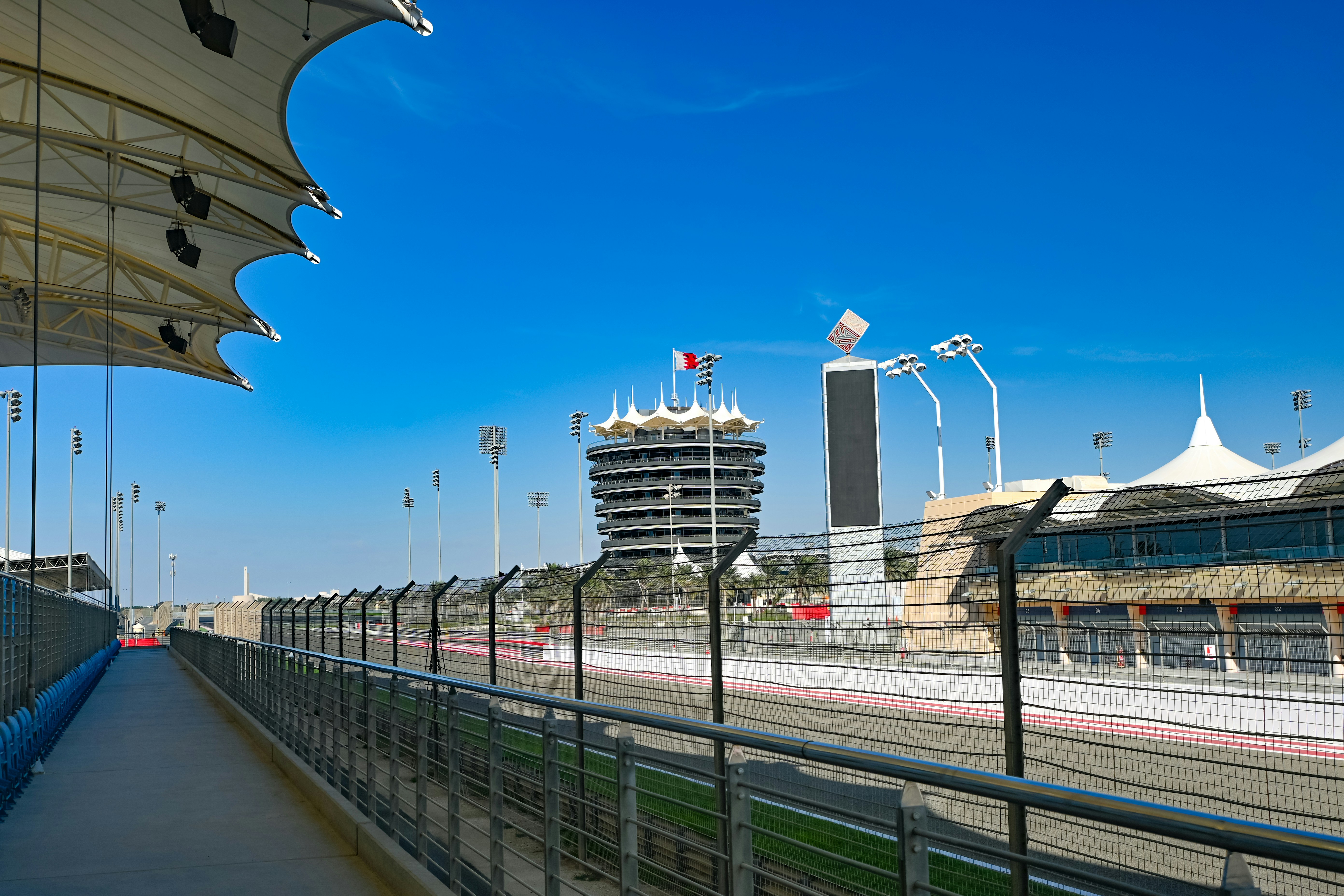
At 2:11pm on 23 January, Williams confirmed in a statement it would skip Barcelona’s shakedown after delays in the FW48 programme. The team said it was prioritising “maximum car performance” over compromised running. Instead, it would run an alternative programme to prepare for official pre-season testing in Bahrain and the season-opening race in Melbourne.
A visible delay triggers a stakeholder audit. Fans read it as direction of travel. Partners read it as risk. The factory reads it as pressure. Each group wants the same thing in different language: clarity, a plan, and the next piece of proof. If that doesn’t arrive quickly, speculation becomes the message. Owning that moment is the team principal’s job.
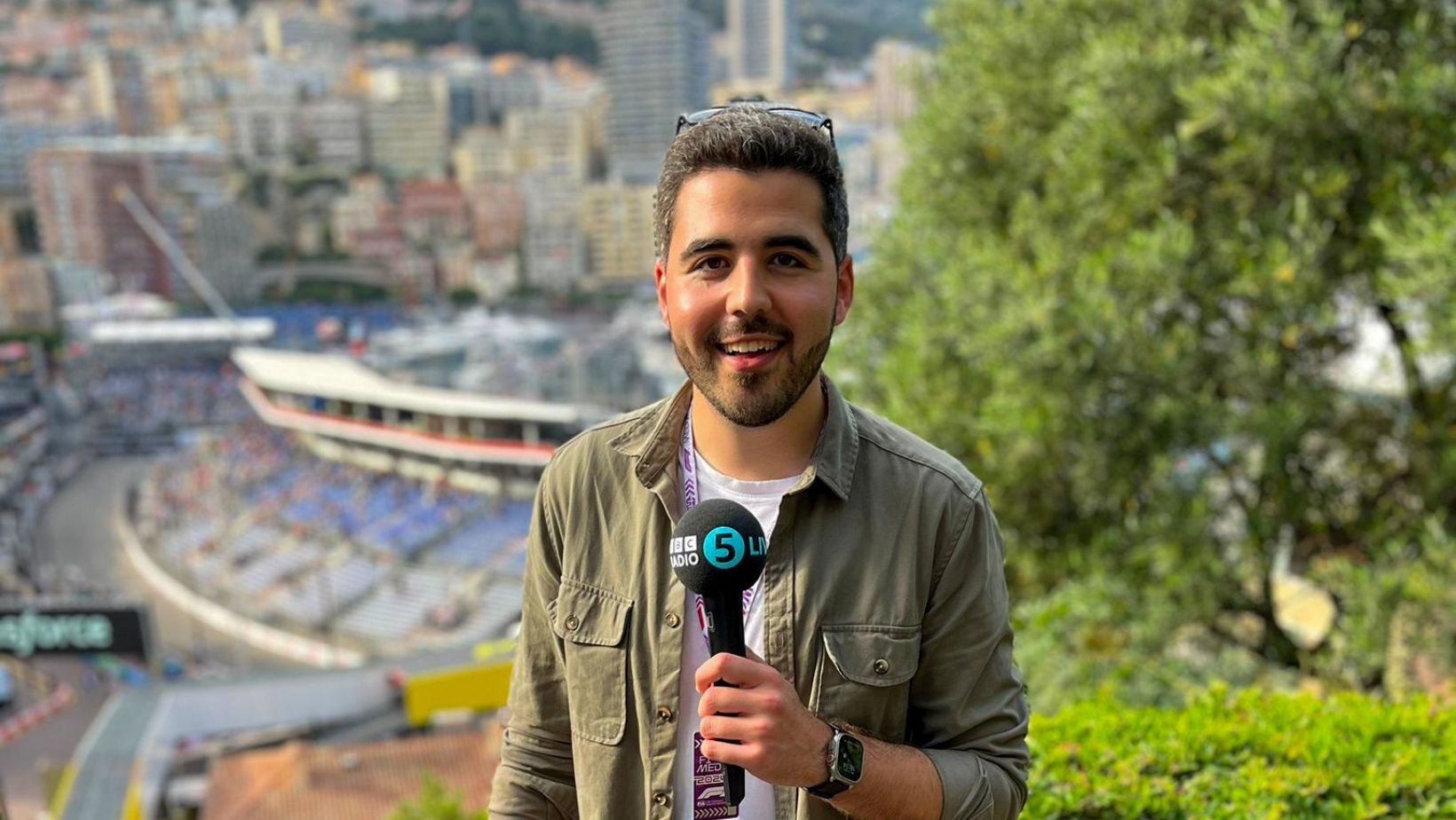
Rahil Hashmi looks at how Williams F1 Team Principal James Vowles has handled communication with the team's stakeholders, partners and fans.

For the full article and many more, subscribe to our online Knowledge Hub Motorsport To Business®+
Watch on Sunday, Learn on Monday: What Vowles got right when the story turned negative
In a week where everyone expects spy-shots of 11 teams on track, only 10 liveries show up in the photos. Testing week is a scoreboard without numbers. You’re either present or you’re not. And absence, fairly or not, gets read as a verdict. Rivalling teams notice first, then the journalists, then the partners who quietly ask the question no one wants to say out loud: what does this mean? In the space between what people see and what they assume, Williams team principal James Vowles does the unglamorous work of leadership - making reality feel managed.
At 2:11pm on 23 January, Williams confirmed in a statement it would skip Barcelona’s shakedown after delays in the FW48 programme. The team said it was prioritising “maximum car performance” over compromised running. Instead, it would run an alternative programme to prepare for official pre-season testing in Bahrain and the season-opening race in Melbourne.
A visible delay triggers a stakeholder audit. Fans read it as direction of travel. Partners read it as risk. The factory reads it as pressure. Each group wants the same thing in different language: clarity, a plan, and the next piece of proof. If that doesn’t arrive quickly, speculation becomes the message. Owning that moment is the team principal’s job.
Rahil Hashmi looks at how Williams F1 Team Principal James Vowles has handled communication with the team's stakeholders, partners and fans.
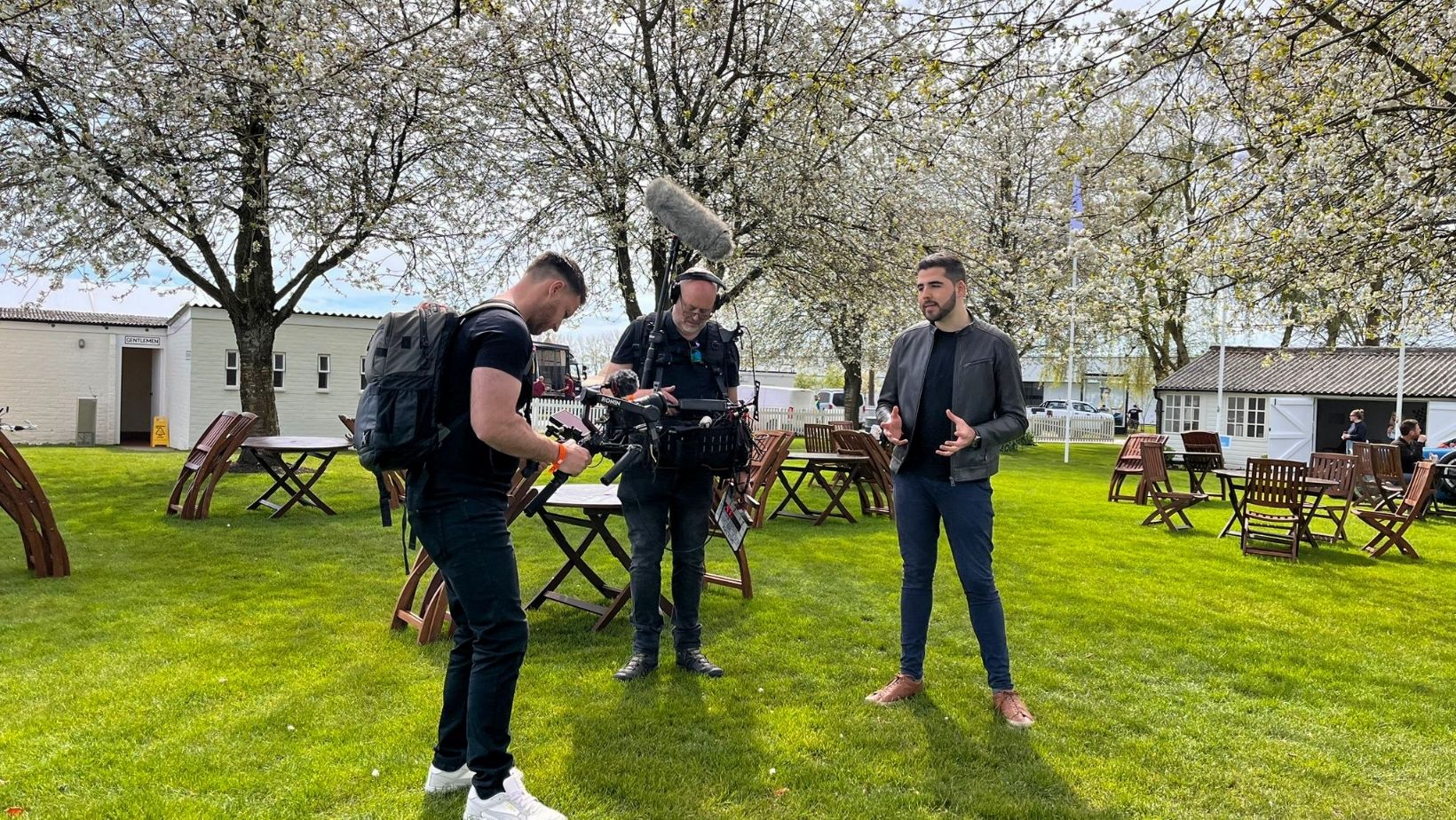
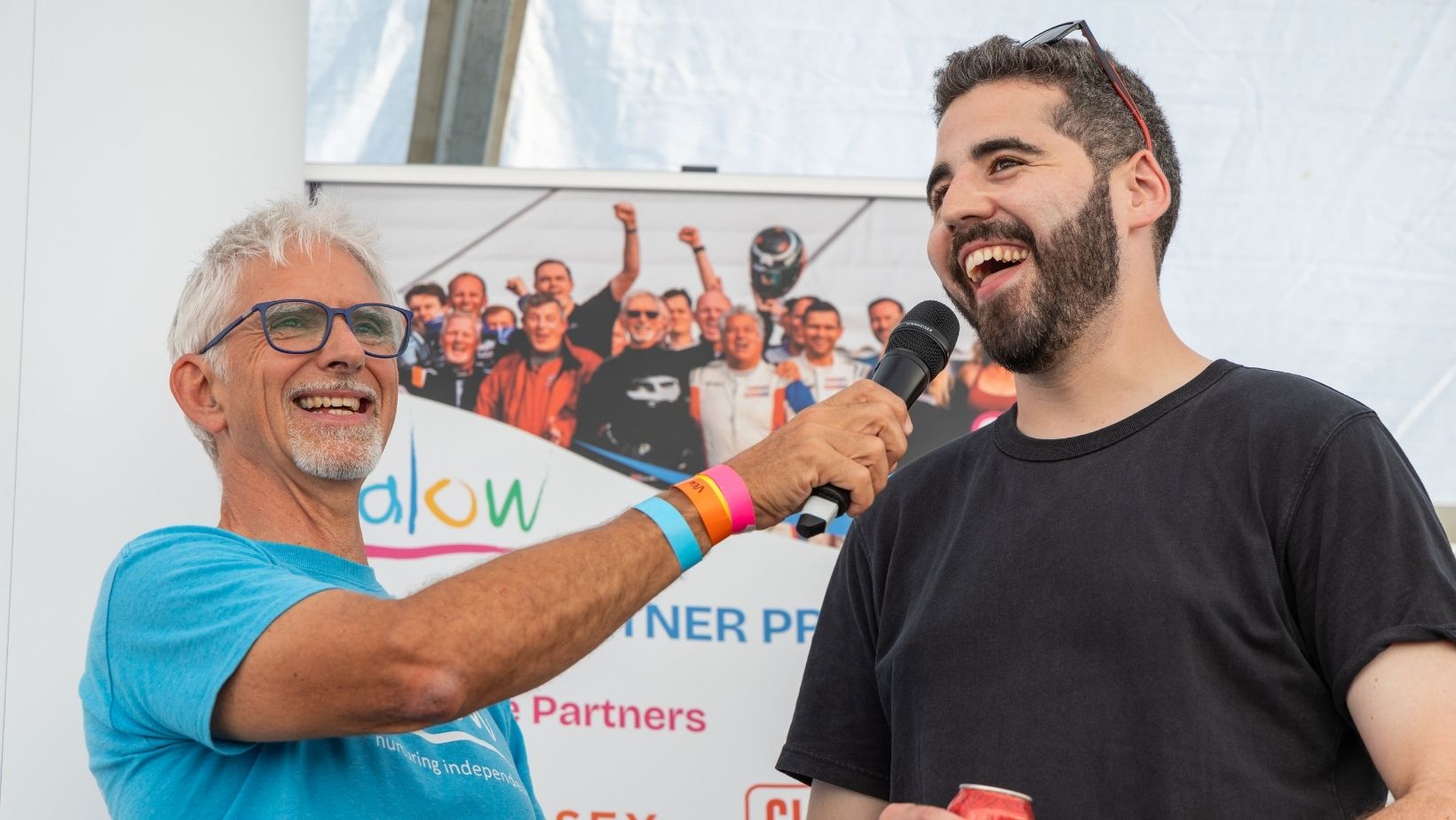
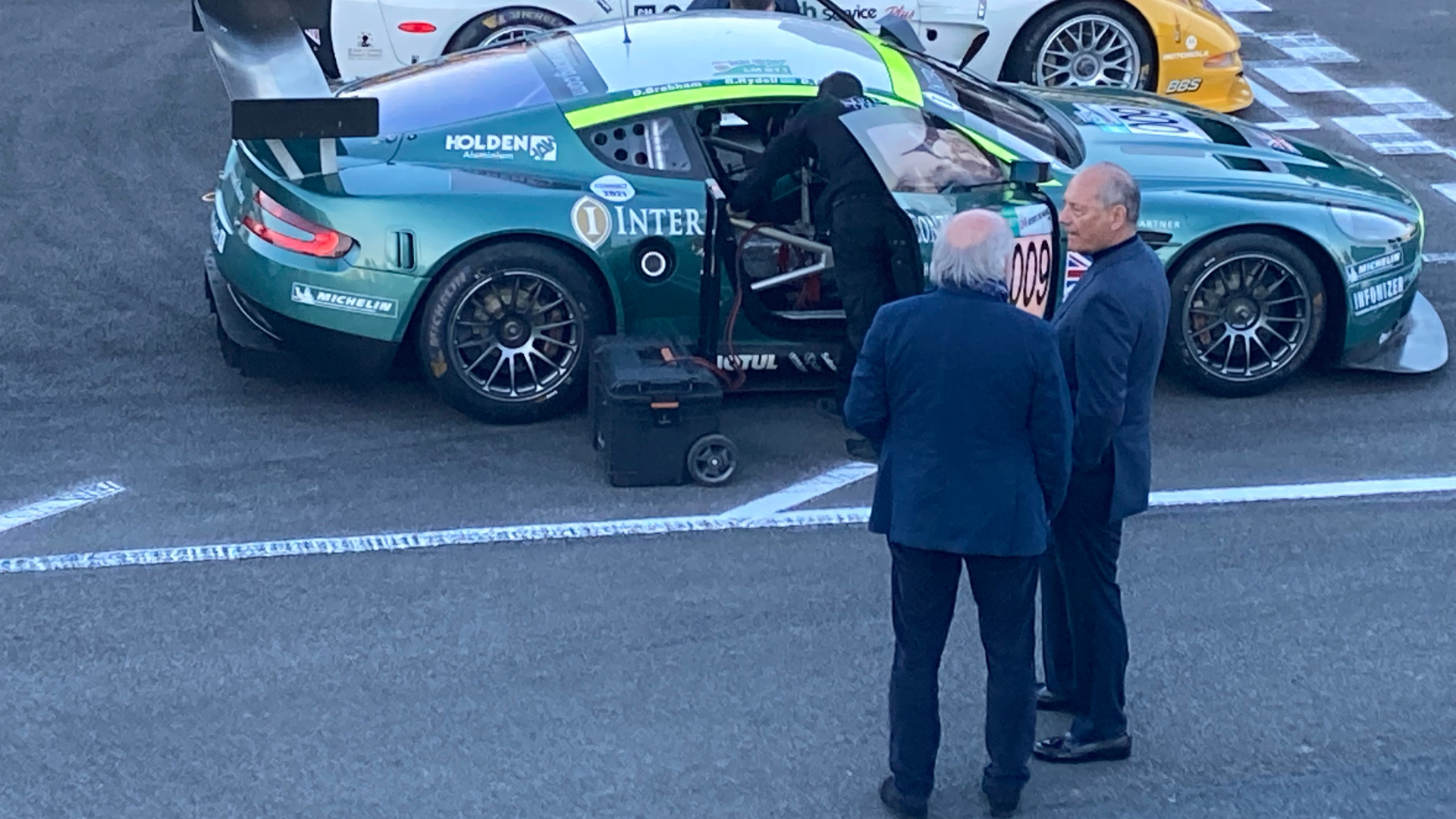
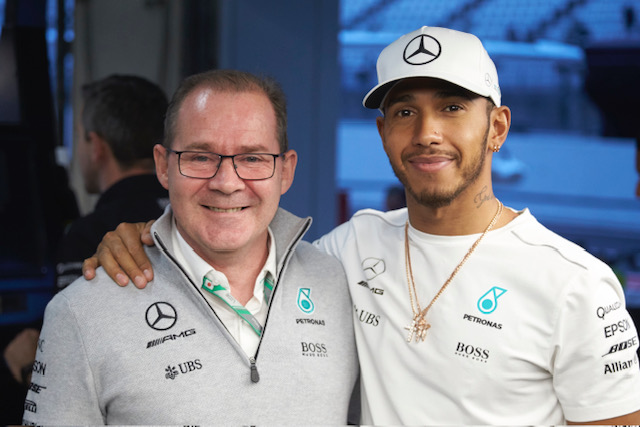
Williams F1 Team Principal James Vowles is known for his personal touch when it comes to communicating to fans. Pictured here at Goodwood Festival of Speed
The decision logic: two bad options, one accountable call
Vowles effectively had two bad options: turn up in Barcelona with a car that isn’t fully ready, or skip the first collective proof-point of the new era and take the headline hit. You don’t just lose “laps”, you lose correlation - the first moment when aero numbers, vehicle dynamics, cooling systems and driver feel stop being theory and meet track reality.
And Williams fans have scar tissue here. Under the previous management of Claire Williams and Paddy Lowe in 2019, the car missed the start of pre-season running; the knock-on effects lasted all year, and Williams finished last with one point. So the response had to be immediate. Rather than letting the gap fill itself, Vowles stepped forward to speak directly.
The video: the medium is the message
Instead of hiding behind a carefully worded statement, Vowles chose the format you can’t really “PR your way out of”. The tone matters as much as the content. It’s harder for stakeholders to believe you’re spinning when your expression, your cadence, and your confidence are being read in real time.
Materially, he did three things stakeholders actually needed. First, he anchored on checkable truths: Williams’ 2026 car had passed the mandatory crash tests, and they were ready to run in Bahrain. Second, he converted anxiety into a sequence: a promotional filming day (200km), then Bahrain testing, then Melbourne - each one a binary proof-point. Third, he translated the mitigation work without assuming everyone speaks motorsport, describing Williams’ Virtual Track Test as a physical testing rig running “pretty much in tandem” with Barcelona.
It’s easy to underestimate how rare that combination is in motorsport: facts, dates, and a human being taking direct responsibility for the message rather than outsourcing it to a comms machine.
The Vowles signature: openness as a competitive advantage
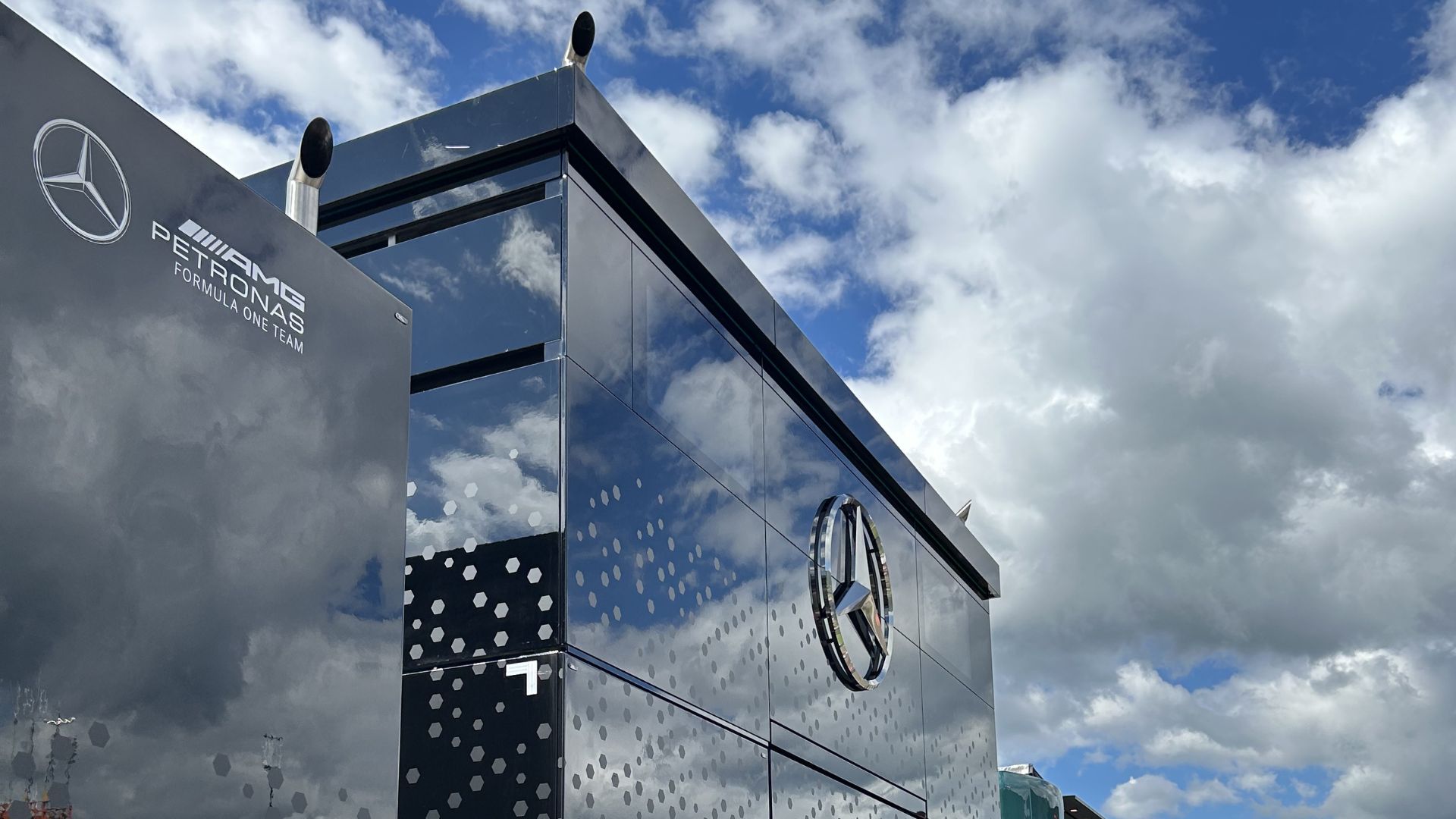
This level of direct transparency isn’t a one-off panic response - it’s Vowles’ default setting. Long before Williams, he built a reputation for owning decisions in public, even when it made him look worse in the moment. Heading up strategy at Mercedes, he was known for having the “broad shoulders”, personally apologising to drivers over team radio when calls went wrong.
That instinct has always extended beyond the pit wall. Vowles has consistently communicated directly on camera; from informal updates on Instagram to more serious, explanatory videos for fans and partners alike, both at Mercedes and now at Williams. It’s that mix of transparency and humanity that has made him a fan favourite. A simple response, but one that feels increasingly rare in sport today.
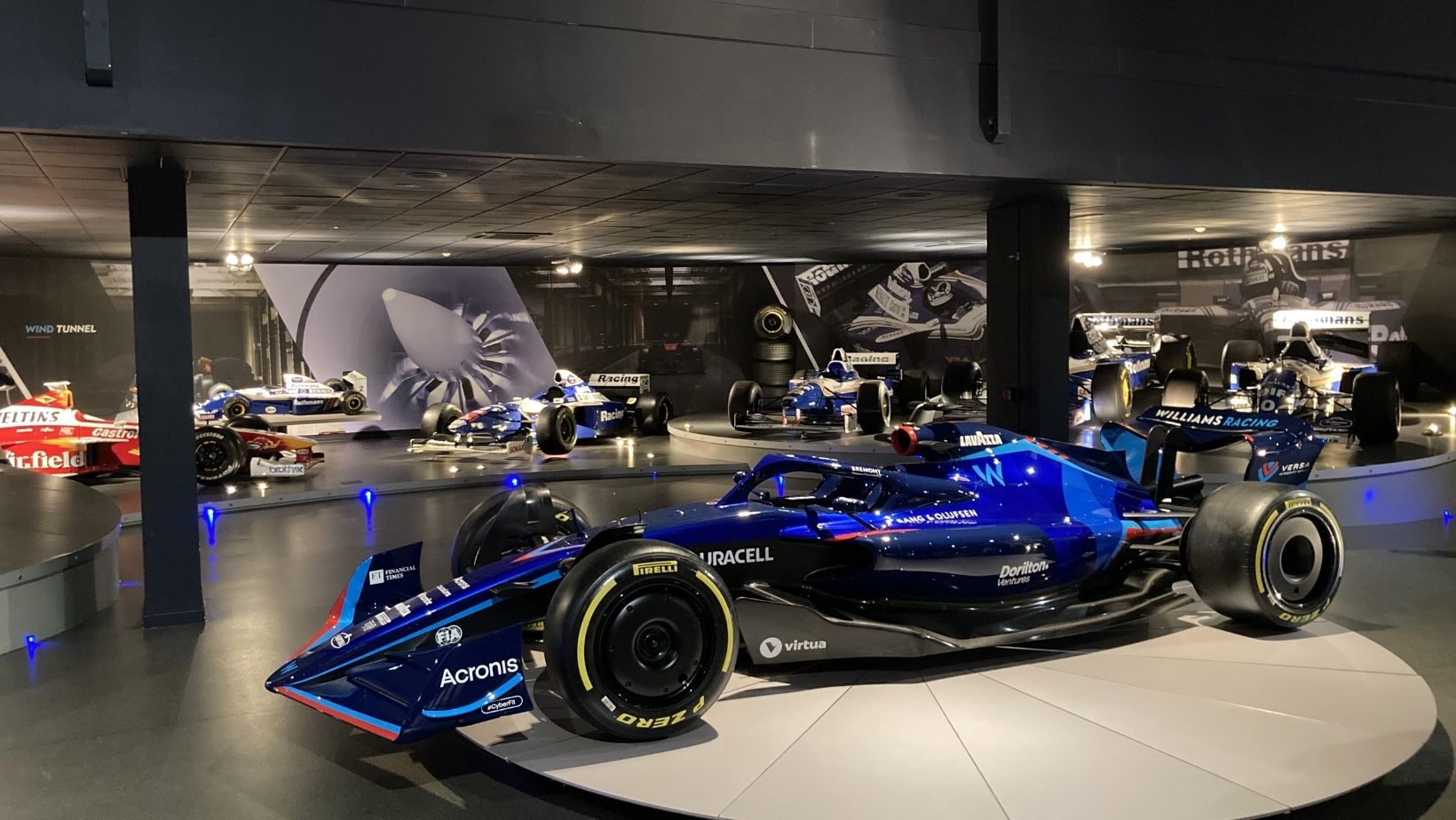
Back at Williams HQ. Can Vowles return them back to winning ways?
Same event, four different risks
The same missed event is felt very differently, depending on who’s watching:
● Fans and the wider community feel it emotionally, as a signal of direction - are things genuinely moving forward, or are old patterns creeping back in?
● Partners read it through the lens of delivery and reputation, asking whether the programme is still under control.
● The team inside the factory feel the pressure operationally, wondering what breaks next and where responsibility will land.
● The media see a narrative vacuum, ready to be filled by speculation if clarity doesn’t arrive quickly.
Fans and partners: replacing panic with proof
Williams’ response worked because it replaced a missing milestone with a clear chain of substitutes: a statement to establish the facts, a video to explain the compromise, and a defined path to first on-track running.
For partners, a missed shakedown doesn’t only move a schedule, it threatens confidence in execution as content plans shift and the season narrative risks being written without you. The mistake is answering that risk with optimism. The better move is translating the delay into a controlled trade-off: what was sacrificed (in this case, a private shakedown week) and what was protected (Bahrain readiness, reliability, a cleaner baseline). That’s what Vowles did - making the decision legible, attaching dates to the mitigation plan, and killing the most damaging rumour by addressing crash tests directly.
Internal team: preventing blame-culture
Inside Grove, the leadership problem is different again. Lost time creates heat, and heat creates scapegoats. The worst response is thrash: frantic rework, rushed sign-offs, people optimising to avoid blame instead of to fix constraints.
Vowles framed the delay as the consequence of pushing performance boundaries under new regulations - “painful”, but the result of choosing to “push the limits”. That framing is useful because it aims pressure at the system, not the individual. Your team doesn’t judge you on your press release. They judge you on what you reward when it’s awkward.
Vowles handles bad news by forcing it into order. Those most exposed to uncertainty (partners and senior stakeholders) need clarity before speculation sets in, with fans and media addressed through cadence rather than panic or argument. The sequencing matters. A delay is manageable; a delay that surprises the wrong people isn’t.
What actually holds when things wobble
Setbacks rarely fail because of the delay itself, but instead because the gap they create is left unmanaged. When plans slip in public, belief becomes fragile. The leaders who hold trust in those moments are the ones who make reality legible: they explain the trade-off, show what changes and what doesn’t, and anchor uncertainty to the next visible proof.
“Watch on Sunday, learn on Monday” isn’t about copying a sport or an industry. It’s about copying the behaviour that keeps people with you when certainty disappears: clarity over comfort, sequence over spin, and accountability that’s visible enough to be trusted.
Watch on Sunday, Learn on Monday: What Vowles got right when the story turned negative
In a week where everyone expects spy-shots of 11 teams on track, only 10 liveries show up in the photos. Testing week is a scoreboard without numbers. You’re either present or you’re not. And absence, fairly or not, gets read as a verdict. Rivalling teams notice first, then the journalists, then the partners who quietly ask the question no one wants to say out loud: what does this mean? In the space between what people see and what they assume, Williams team principal James Vowles does the unglamorous work of leadership - making reality feel managed.
At 2:11pm on 23 January, Williams confirmed in a statement it would skip Barcelona’s shakedown after delays in the FW48 programme. The team said it was prioritising “maximum car performance” over compromised running. Instead, it would run an alternative programme to prepare for official pre-season testing in Bahrain and the season-opening race in Melbourne.
A visible delay triggers a stakeholder audit. Fans read it as direction of travel. Partners read it as risk. The factory reads it as pressure. Each group wants the same thing in different language: clarity, a plan, and the next piece of proof. If that doesn’t arrive quickly, speculation becomes the message. Owning that moment is the team principal’s job.
Rahil Hashmi looks at how Williams F1 Team Principal James Vowles has handled communication with the team's stakeholders, partners and fans.
Williams F1 Team Principal James Vowles is known for his personal touch when it comes to communicating to fans. Pictured here at Goodwood Festival of Speed
The decision logic: two bad options, one accountable call
Vowles effectively had two bad options: turn up in Barcelona with a car that isn’t fully ready, or skip the first collective proof-point of the new era and take the headline hit. You don’t just lose “laps”, you lose correlation - the first moment when aero numbers, vehicle dynamics, cooling systems and driver feel stop being theory and meet track reality.
And Williams fans have scar tissue here. Under the previous management of Claire Williams and Paddy Lowe in 2019, the car missed the start of pre-season running; the knock-on effects lasted all year, and Williams finished last with one point. So the response had to be immediate. Rather than letting the gap fill itself, Vowles stepped forward to speak directly.
The video: the medium is the message
Instead of hiding behind a carefully worded statement, Vowles chose the format you can’t really “PR your way out of”. The tone matters as much as the content. It’s harder for stakeholders to believe you’re spinning when your expression, your cadence, and your confidence are being read in real time.
Materially, he did three things stakeholders actually needed. First, he anchored on checkable truths: Williams’ 2026 car had passed the mandatory crash tests, and they were ready to run in Bahrain. Second, he converted anxiety into a sequence: a promotional filming day (200km), then Bahrain testing, then Melbourne - each one a binary proof-point. Third, he translated the mitigation work without assuming everyone speaks motorsport, describing Williams’ Virtual Track Test as a physical testing rig running “pretty much in tandem” with Barcelona.
It’s easy to underestimate how rare that combination is in motorsport: facts, dates, and a human being taking direct responsibility for the message rather than outsourcing it to a comms machine.
The Vowles signature: openness as a competitive advantage
This level of direct transparency isn’t a one-off panic response - it’s Vowles’ default setting. Long before Williams, he built a reputation for owning decisions in public, even when it made him look worse in the moment. Heading up strategy at Mercedes, he was known for having the “broad shoulders”, personally apologising to drivers over team radio when calls went wrong.
That instinct has always extended beyond the pit wall. Vowles has consistently communicated directly on camera; from informal updates on Instagram to more serious, explanatory videos for fans and partners alike, both at Mercedes and now at Williams. It’s that mix of transparency and humanity that has made him a fan favourite. A simple response, but one that feels increasingly rare in sport today.
Back at Williams HQ. Can Vowles return them back to winning ways?
Same event, four different risks
The same missed event is felt very differently, depending on who’s watching:
● Fans and the wider community feel it emotionally, as a signal of direction - are things genuinely moving forward, or are old patterns creeping back in?
● Partners read it through the lens of delivery and reputation, asking whether the programme is still under control.
● The team inside the factory feel the pressure operationally, wondering what breaks next and where responsibility will land.
● The media see a narrative vacuum, ready to be filled by speculation if clarity doesn’t arrive quickly.
Fans and partners: replacing panic with proof
Williams’ response worked because it replaced a missing milestone with a clear chain of substitutes: a statement to establish the facts, a video to explain the compromise, and a defined path to first on-track running.
For partners, a missed shakedown doesn’t only move a schedule, it threatens confidence in execution as content plans shift and the season narrative risks being written without you. The mistake is answering that risk with optimism. The better move is translating the delay into a controlled trade-off: what was sacrificed (in this case, a private shakedown week) and what was protected (Bahrain readiness, reliability, a cleaner baseline). That’s what Vowles did - making the decision legible, attaching dates to the mitigation plan, and killing the most damaging rumour by addressing crash tests directly.
Internal team: preventing blame-culture
Inside Grove, the leadership problem is different again. Lost time creates heat, and heat creates scapegoats. The worst response is thrash: frantic rework, rushed sign-offs, people optimising to avoid blame instead of to fix constraints.
Vowles framed the delay as the consequence of pushing performance boundaries under new regulations - “painful”, but the result of choosing to “push the limits”. That framing is useful because it aims pressure at the system, not the individual. Your team doesn’t judge you on your press release. They judge you on what you reward when it’s awkward.
Vowles handles bad news by forcing it into order. Those most exposed to uncertainty (partners and senior stakeholders) need clarity before speculation sets in, with fans and media addressed through cadence rather than panic or argument. The sequencing matters. A delay is manageable; a delay that surprises the wrong people isn’t.
What actually holds when things wobble
Setbacks rarely fail because of the delay itself, but instead because the gap they create is left unmanaged. When plans slip in public, belief becomes fragile. The leaders who hold trust in those moments are the ones who make reality legible: they explain the trade-off, show what changes and what doesn’t, and anchor uncertainty to the next visible proof.
“Watch on Sunday, learn on Monday” isn’t about copying a sport or an industry. It’s about copying the behaviour that keeps people with you when certainty disappears: clarity over comfort, sequence over spin, and accountability that’s visible enough to be trusted.