What Mercedes, Russell and Antonelli Must Now Consider After the First Two Races of 2026
Introduction
A Motorsport-to-Business perspective on managing internal competition at the highest level. Two races into the 2026 Formula One season and a fascinating narrative is already developing inside the Mercedes-AMG Petronas Formula One Team garage.
Round One produced victory for George Russell.
Round Two in China produced victory for his teammate, rookie sensation Kimi Antonelli.
Two races. Two winners. One team.
On the surface, this is the ideal scenario for Mercedes. The car is competitive, both drivers are performing, and the team has immediately established itself as a major contender in the 2026 championship fight.
But inside Formula One, such a situation introduces one of the most complex dynamics in elite sport - the intra-team championship battle.
History shows that when two drivers from the same team begin winning races early in the season, the challenge is no longer simply about beating rival teams.
It becomes about managing competition within the organisation itself.
For Russell and Antonelli, the opening races have created momentum - but also a new strategic reality.
And for Mercedes leadership, memories of a previous internal championship battle will inevitably come into focus.
Motorsport To Business's Nick Butcher looks at what Mercedes, Russell and Antonelli must consider as the season progresses and what history can teach them.
For the full article and many more, subscribe to our online Knowledge Hub Motorsport To Business®+
Don't forget to use our exclusive discount code "M2BTrial" for 6 months for £1 per month*
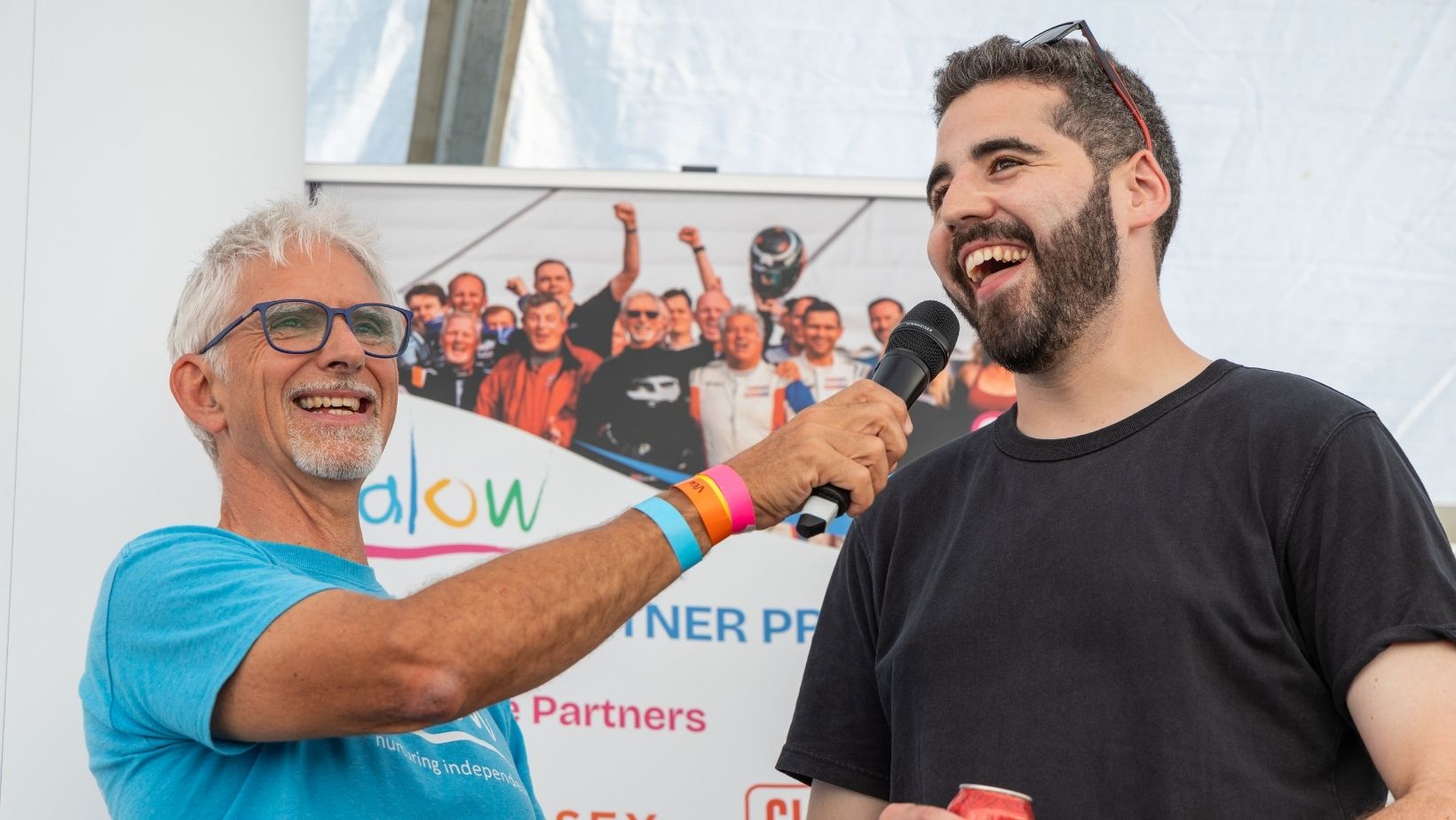
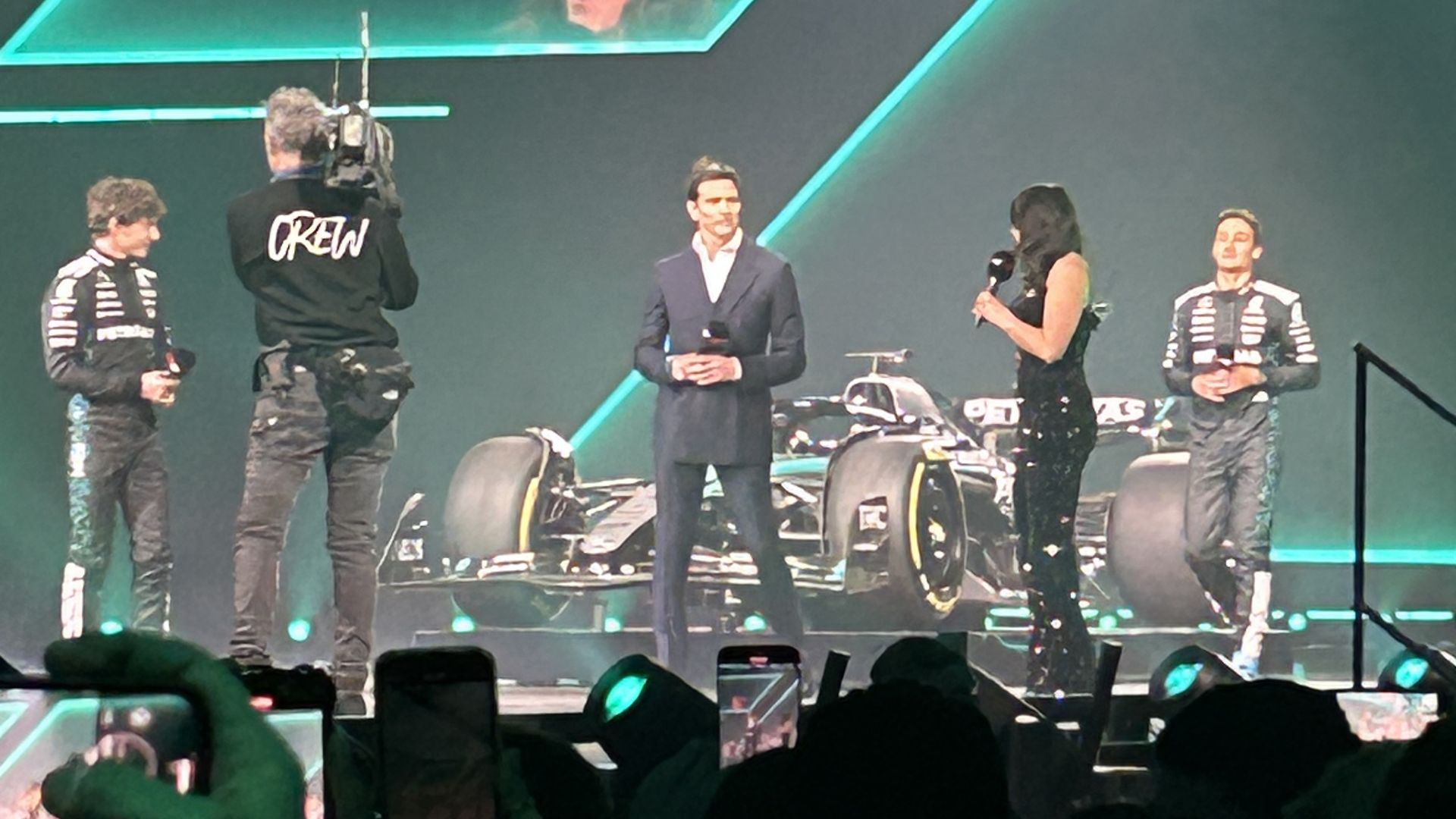
Russell and Antonelli on stage with Mercedes AMG F1 Team Principal Toto Wolff - but which one will come out on top? Picture: Nick Butcher
*£1 per month for 6 months, then billed at £4.99 per month thereafter. Cancel anytime
What Mercedes, Russell and Antonelli Must Now Consider After the First Two Races of 2026
Introduction
A Motorsport-to-Business perspective on managing internal competition at the highest level. Two races into the 2026 Formula One season and a fascinating narrative is already developing inside the Mercedes-AMG Petronas Formula One Team garage.
Round One produced victory for George Russell.
Round Two in China produced victory for his teammate - 19 year old sensation Kimi Antonelli.
Two races. Two winners. One team.
On the surface, this is the ideal scenario for Mercedes. The car is competitive, both drivers are performing, and the team has immediately established itself as a major contender in the 2026 championship fight.
But inside Formula One, such a situation introduces one of the most complex dynamics in elite sport - the intra-team championship battle.
History shows that when two drivers from the same team begin winning races early in the season, the challenge is no longer simply about beating rival teams.
It becomes about managing competition within the organisation itself.
For Russell and Antonelli, the opening races have created momentum - but also a new strategic reality.
And for Mercedes leadership, memories of a previous internal championship battle will inevitably come into focus.
Motorsport To Business's Nick Butcher looks at what Mercedes, Russell and Antonelli must consider as the season progresses and what history can teach them.
Russell and Antonelli on stage with Mercedes AMG F1 Team Principal Toto Wolff - but which one will come out on top? Picture: Nick Butcher
The Ideal Start… With a Complication
From a performance perspective, Mercedes could not have asked for more.
Russell wins the opening round and establishes early championship leadership.
Antonelli follows up with victory in China, confirming the car’s pace and his own potential.
From a Constructors’ Championship perspective, this is perfect.
But Formula One drivers are not simply employees executing a team strategy. They are elite competitors whose careers are defined by one objective:
winning the Drivers’ World Championship.
The moment Antonelli crossed the finish line in China, the internal dynamic shifted.
The question inside the Mercedes garage is no longer simply:
How do we beat Ferrari, Red Bull, or McLaren?
It is now also:
How do we manage two drivers capable of beating each other?
The Complexity of Teammate Championship Battles
In Formula One, the most dangerous rival is often not in another car - it is the driver in the identical machine beside you.
Teammates share:
the same engineering resources
the same data
the same strategy tools
the same car performance
This eliminates many variables that normally influence competition.
When teammates fight for a title, the battle becomes extremely precise.
For Russell and Antonelli, the fight may evolve into one of the most intriguing internal rivalries the sport has seen in years.
Lessons from the Hamilton–Rosberg Era
Mercedes leadership has been here before.
Between 2013 and 2016, the team managed one of the most famous intra-team rivalries in modern Formula One between Lewis Hamilton and Nico Rosberg with both drivers were competing for the championship in dominant Mercedes machinery.
At times the rivalry produced extraordinary racing.
At other moments it produced intense internal tension.
The most famous flashpoints included:
collisions on track
strategic disputes
strained communication within the garage
With Hamilton winning the championship in 2014 and 2015, the rivalry culminated in Rosberg winning the 2016 World Championship before unexpectedly retiring shortly afterwards.
For Mercedes leadership, the Hamilton–Rosberg years provided a masterclass in both the benefits and risks of internal competition.
The Benefits
- The rivalry pushed both drivers to extraordinary performance levels.
- Mercedes dominated the sport during this period.
- Internal competition created relentless motivation.
The Risks
- Tension sometimes spilled onto the track, costing the team points.
- Internal divisions emerged between engineering groups aligned with each driver.
- Leadership was frequently required to intervene.
These experiences will inevitably influence how Mercedes manages Russell and Antonelli in 2026.
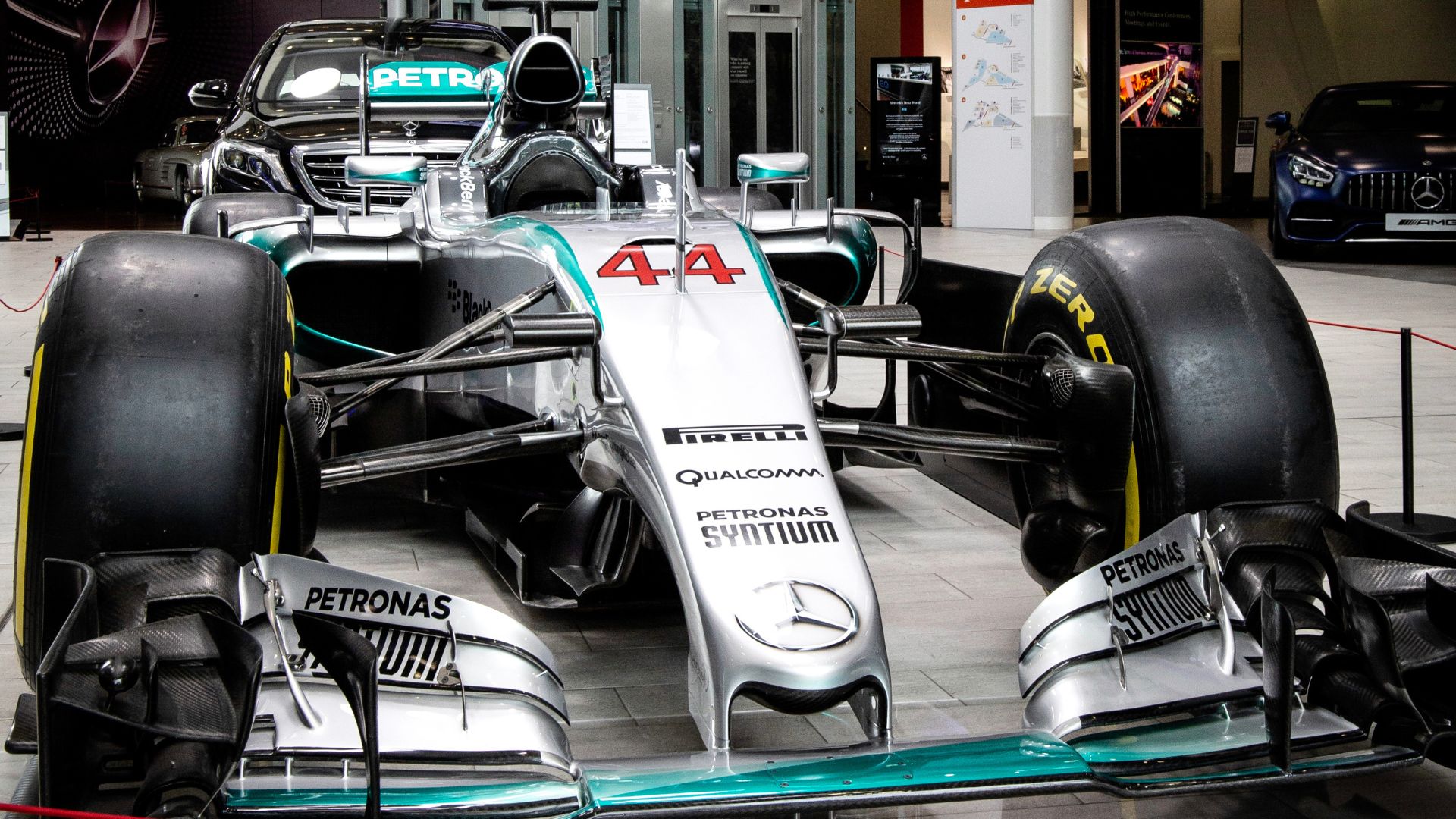
Lewis Hamilton's 2015 Championship winning Mercedes AMG F1 car sits in Mercedes Benz World in Surrey, one of the fantastic venues we work with at Motorsport To Business
George Russell’s Strategic Position
After winning the first race, Russell appeared to hold the early advantage.
He is the experienced driver within the team, having spent several seasons developing into a leader inside the Mercedes organisation.
His strengths include:
technical understanding
qualifying pace
consistency across race weekends
But Antonelli’s victory in China introduces a new challenge.
Russell must now think beyond the opening success and consider several strategic factors.
1. Establish Psychological Authority
Championship battles often involve subtle psychological dynamics.
Russell’s experience gives him a natural leadership position within the team.
But Antonelli’s early win sends a signal: the rookie is not intimidated.
Russell must therefore maintain strong performance consistency to reinforce his status as a championship contender.
2. Avoid Overdriving
When a teammate begins winning races, drivers sometimes push beyond optimal limits.
That can lead to mistakes.
Championship campaigns reward disciplined performance rather than emotional reactions.
Russell’s objective must be maximising points across every weekend.
Kimi Antonelli’s Opportunity
For Antonelli, winning in China is a remarkable achievement. With just over a season's experience, rookie drivers rarely win so early in their Formula One careers but early success brings its own challenges.
Antonelli must balance ambition with patience.
1. Managing Expectations
After a race win, external expectations escalate rapidly.
Media narratives may begin portraying Antonelli as a future champion.
But championship seasons are long and complex.
Remaining grounded will be critical.
2. Learning at Championship Pace
Rookies typically spend their first season learning race management, tyre strategy, and technical feedback.
Antonelli may now be learning those lessons while fighting for wins.
That accelerates development - but also increases pressure.
Mercedes’ Leadership Challenge
While the drivers compete on track, the leadership challenge sits with the team’s management structure.
Managing two competitive drivers requires careful strategic balance.
Teams must avoid two extremes:
Over-control
Strict team orders too early in the season can damage driver motivation and public perception.
Under-management
Allowing unrestricted competition can lead to collisions or lost points.
Mercedes leadership must therefore create structured competition.
That typically involves:
clear racing rules between teammates
transparent strategic decision making
strong internal communication
The Hamilton–Rosberg era demonstrated how difficult, but necessary, this balance can be.
Toto Wolff will be reflecting the lessons he learnt during the height of Hamilton vs Rosberg (Picture: Oliver Chapman-Dainty)
The Four Phases of an Intra-Team Championship Battle
If Russell and Antonelli continue winning races, the internal championship fight will likely evolve through several phases.
Phase 1: Friendly Competition (Early Season)
At the start of the season, both drivers focus on maximising team performance.
Collaboration remains strong.
Data sharing is open.
The garage atmosphere remains positive.
This is likely where Mercedes currently sits.
Phase 2: Strategic Awareness (Mid Season)
As the championship standings develop, drivers begin thinking more strategically.
Qualifying battles intensify.
Small advantages become critical.
Drivers start protecting their competitive edge.
Phase 3: Psychological Pressure (Late Season)
If both drivers remain close in the standings, pressure rises significantly.
Every race result carries championship implications.
Mistakes become costly.
Team leadership becomes more involved in race strategy decisions.
Phase 4: Championship Resolution
Eventually the standings create a clear championship leader.
At this point teams often shift strategy to support the leading contender.
But reaching this stage without internal conflict requires exceptional leadership.
Why Internal Competition Can Be Powerful
Despite the challenges, many successful Formula One teams have benefited from strong internal competition.
It drives:
innovation
performance intensity
constant improvement
When managed correctly, it prevents complacency.
Drivers know that even if they dominate the rest of the field, their teammate remains a constant benchmark.
For Mercedes, Russell and Antonelli could form one of the most competitive driver pairings on the grid.
The key is ensuring the rivalry remains productive rather than destructive.
Motorsport to Business: Lessons from Internal Competition
The situation unfolding at Mercedes offers powerful insights for business leaders managing high-performance teams.
Internal competition exists in many organisations:
sales teams competing for top performance
product teams racing to innovate
leadership candidates vying for promotion
Handled correctly, it can drive extraordinary results.
Handled poorly, it can fracture organisations.
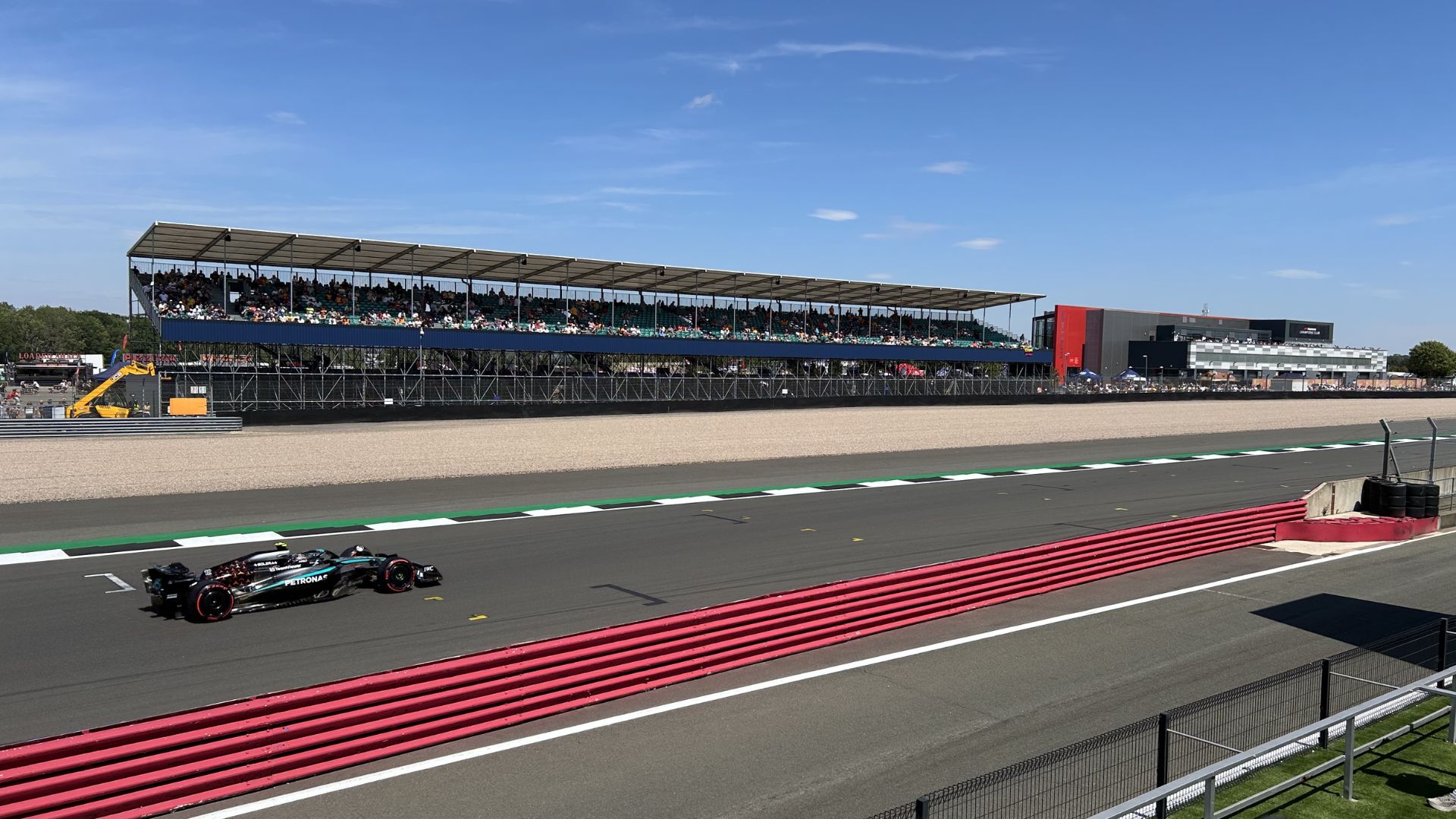
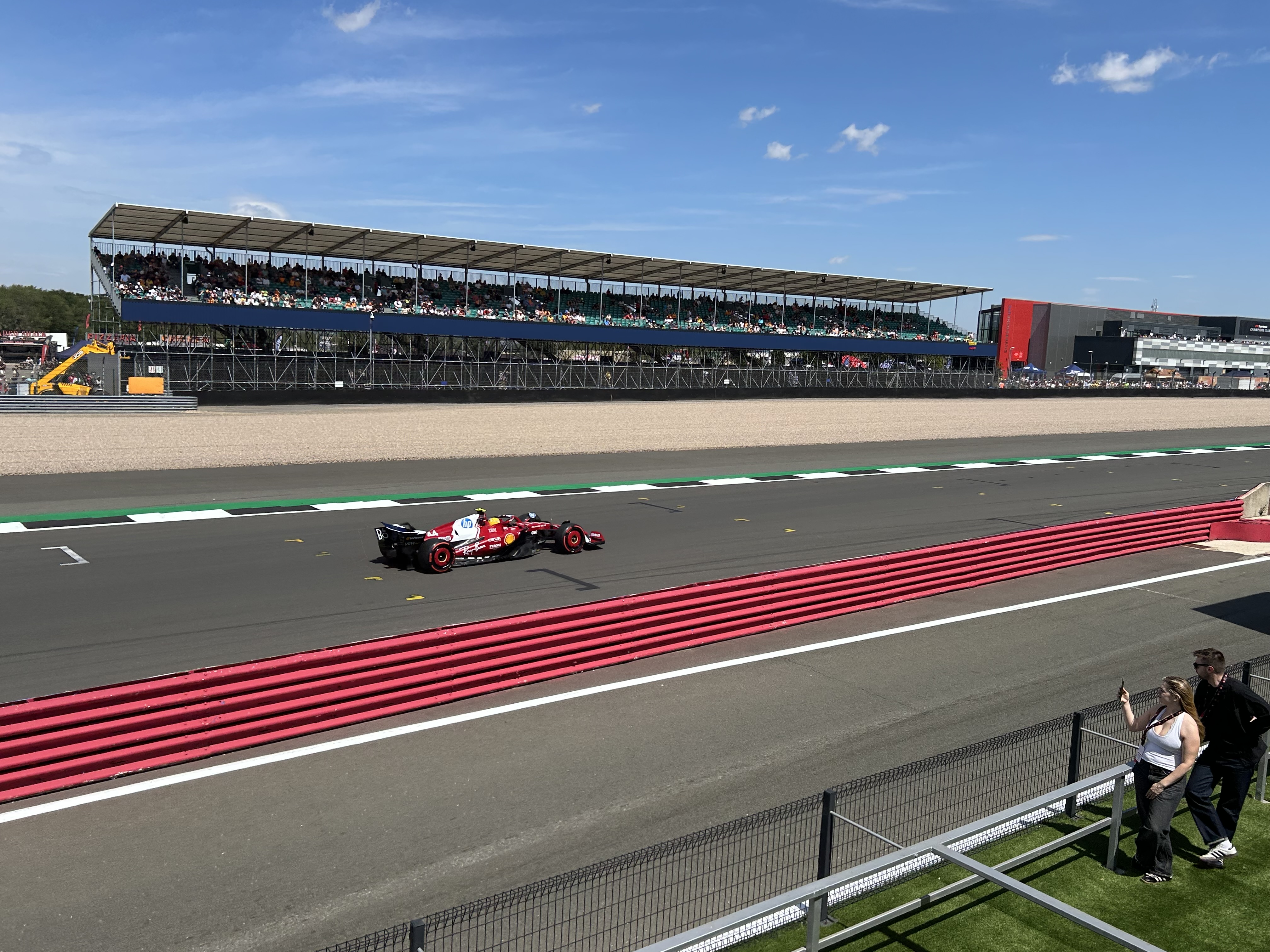
Antonelli on-track at Silverstone in 2025 (Picture: Nick Butcher)
Motorsport to Business Takeaways for Leaders
1. Internal Competition Can Drive Excellence
Competition between talented individuals often elevates overall performance.
Russell and Antonelli pushing each other may extract the maximum performance from the Mercedes car.
In business, carefully structured competition can stimulate innovation and productivity.
2. Leadership Must Set Clear Rules
During the Hamilton–Rosberg rivalry, Mercedes learned the importance of defining racing rules between teammates.
Business leaders must also establish clear expectations.
Competition should exist. - but within agreed boundaries.
3. Protect the Organisation’s Primary Goal
In Formula One, the team ultimately wants to win championships.
Individual driver ambitions must align with that objective.
In business, leaders must ensure internal rivalries never undermine the organisation’s broader mission.
4. Experience and Youth Create Powerful Combinations
Russell represents experience and stability.
Antonelli represents youthful ambition and fresh perspective.
Many successful organisations benefit from combining seasoned leaders with emerging talent.
5. Early Success Changes Strategic Thinking
Winning early races shifts the psychology of a season.
Companies often experience the same shift after early market success.
The focus must quickly move from launching successfully to sustaining leadership.
6. Momentum Requires Management
Momentum is powerful but fragile.
One mistake, one collision, or one internal conflict can derail a championship campaign.
Leaders must actively manage momentum rather than assuming it will continue naturally.
Final Thought
After two races, the 2026 Formula One season has already created one of its most compelling storylines.
George Russell and Kimi Antonelli have each taken victory for the Mercedes-AMG Petronas Formula One Team, placing the team firmly at the centre of the championship fight.
But with that success comes complexity.
Internal competition, if managed well, can drive extraordinary performance.
If mismanaged, it can fracture even the strongest teams - as history during the rivalry between Lewis Hamilton and Nico Rosberg demonstrated.
For Russell and Antonelli, the season is no longer just about beating rival teams.
It is about navigating the delicate balance between cooperation and competition.
And for business leaders watching from outside the paddock, the lesson is clear:
The greatest challenge in high-performance organisations is often not external competition - but managing the ambition of talented people inside your own team.
What Mercedes, Russell and Antonelli Must Now Consider After the First Two Races of 2026
Introduction
A Motorsport-to-Business perspective on managing internal competition at the highest level. Two races into the 2026 Formula One season and a fascinating narrative is already developing inside the Mercedes-AMG Petronas Formula One Team garage.
Round One produced victory for George Russell.
Round Two in China produced victory for his teammate - 19 year old sensation Kimi Antonelli.
Two races. Two winners. One team.
On the surface, this is the ideal scenario for Mercedes. The car is competitive, both drivers are performing, and the team has immediately established itself as a major contender in the 2026 championship fight.
But inside Formula One, such a situation introduces one of the most complex dynamics in elite sport - the intra-team championship battle.
History shows that when two drivers from the same team begin winning races early in the season, the challenge is no longer simply about beating rival teams.
It becomes about managing competition within the organisation itself.
For Russell and Antonelli, the opening races have created momentum - but also a new strategic reality.
And for Mercedes leadership, memories of a previous internal championship battle will inevitably come into focus.
Motorsport To Business's Nick Butcher looks at what Mercedes, Russell and Antonelli must consider as the season progresses and what history can teach them.
Russell and Antonelli on stage with Mercedes AMG F1 Team Principal Toto Wolff - but which one will come out on top? Picture: Nick Butcher
The Ideal Start… With a Complication
From a performance perspective, Mercedes could not have asked for more.
Russell wins the opening round and establishes early championship leadership.
Antonelli follows up with victory in China, confirming the car’s pace and his own potential.
From a Constructors’ Championship perspective, this is perfect.
But Formula One drivers are not simply employees executing a team strategy. They are elite competitors whose careers are defined by one objective:
winning the Drivers’ World Championship.
The moment Antonelli crossed the finish line in China, the internal dynamic shifted.
The question inside the Mercedes garage is no longer simply:
How do we beat Ferrari, Red Bull, or McLaren?
It is now also:
How do we manage two drivers capable of beating each other?
The Complexity of Teammate Championship Battles
In Formula One, the most dangerous rival is often not in another car - it is the driver in the identical machine beside you.
Teammates share:
the same engineering resources
the same data
the same strategy tools
the same car performance
This eliminates many variables that normally influence competition.
When teammates fight for a title, the battle becomes extremely precise.
For Russell and Antonelli, the fight may evolve into one of the most intriguing internal rivalries the sport has seen in years.
Lessons from the Hamilton–Rosberg Era
Mercedes leadership has been here before.
Between 2013 and 2016, the team managed one of the most famous intra-team rivalries in modern Formula One between Lewis Hamilton and Nico Rosberg with both drivers were competing for the championship in dominant Mercedes machinery.
At times the rivalry produced extraordinary racing.
At other moments it produced intense internal tension.
The most famous flashpoints included:
collisions on track
strategic disputes
strained communication within the garage
With Hamilton winning the championship in 2014 and 2015, the rivalry culminated in Rosberg winning the 2016 World Championship before unexpectedly retiring shortly afterwards.
For Mercedes leadership, the Hamilton–Rosberg years provided a masterclass in both the benefits and risks of internal competition.
The Benefits
- The rivalry pushed both drivers to extraordinary performance levels.
- Mercedes dominated the sport during this period.
- Internal competition created relentless motivation.
The Risks
- Tension sometimes spilled onto the track, costing the team points.
- Internal divisions emerged between engineering groups aligned with each driver.
- Leadership was frequently required to intervene.
These experiences will inevitably influence how Mercedes manages Russell and Antonelli in 2026.
Lewis Hamilton's 2015 Championship winning Mercedes AMG F1 car sits in Mercedes Benz World in Surrey, one of the fantastic venues we work with at Motorsport To Business
George Russell’s Strategic Position
After winning the first race, Russell appeared to hold the early advantage.
He is the experienced driver within the team, having spent several seasons developing into a leader inside the Mercedes organisation.
His strengths include:
technical understanding
qualifying pace
consistency across race weekends
But Antonelli’s victory in China introduces a new challenge.
Russell must now think beyond the opening success and consider several strategic factors.
1. Establish Psychological Authority
Championship battles often involve subtle psychological dynamics.
Russell’s experience gives him a natural leadership position within the team.
But Antonelli’s early win sends a signal: the rookie is not intimidated.
Russell must therefore maintain strong performance consistency to reinforce his status as a championship contender.
2. Avoid Overdriving
When a teammate begins winning races, drivers sometimes push beyond optimal limits.
That can lead to mistakes.
Championship campaigns reward disciplined performance rather than emotional reactions.
Russell’s objective must be maximising points across every weekend.
Kimi Antonelli’s Opportunity
For Antonelli, winning in China is a remarkable achievement. With just over a season's experience, rookie drivers rarely win so early in their Formula One careers but early success brings its own challenges.
Antonelli must balance ambition with patience.
1. Managing Expectations
After a race win, external expectations escalate rapidly.
Media narratives may begin portraying Antonelli as a future champion.
But championship seasons are long and complex.
Remaining grounded will be critical.
2. Learning at Championship Pace
Rookies typically spend their first season learning race management, tyre strategy, and technical feedback.
Antonelli may now be learning those lessons while fighting for wins.
That accelerates development - but also increases pressure.
Mercedes’ Leadership Challenge
While the drivers compete on track, the leadership challenge sits with the team’s management structure.
Managing two competitive drivers requires careful strategic balance.
Teams must avoid two extremes:
Over-control
Strict team orders too early in the season can damage driver motivation and public perception.
Under-management
Allowing unrestricted competition can lead to collisions or lost points.
Mercedes leadership must therefore create structured competition.
That typically involves:
clear racing rules between teammates
transparent strategic decision making
strong internal communication
The Hamilton–Rosberg era demonstrated how difficult, but necessary, this balance can be.
Toto Wolff will be reflecting the lessons he learnt during the height of Hamilton vs Rosberg (Picture: Oliver Chapman-Dainty)
The Four Phases of an Intra-Team Championship Battle
If Russell and Antonelli continue winning races, the internal championship fight will likely evolve through several phases.
Phase 1: Friendly Competition (Early Season)
At the start of the season, both drivers focus on maximising team performance.
Collaboration remains strong.
Data sharing is open.
The garage atmosphere remains positive.
This is likely where Mercedes currently sits.
Phase 2: Strategic Awareness (Mid Season)
As the championship standings develop, drivers begin thinking more strategically.
Qualifying battles intensify.
Small advantages become critical.
Drivers start protecting their competitive edge.
Phase 3: Psychological Pressure (Late Season)
If both drivers remain close in the standings, pressure rises significantly.
Every race result carries championship implications.
Mistakes become costly.
Team leadership becomes more involved in race strategy decisions.
Phase 4: Championship Resolution
Eventually the standings create a clear championship leader.
At this point teams often shift strategy to support the leading contender.
But reaching this stage without internal conflict requires exceptional leadership.
Why Internal Competition Can Be Powerful
Despite the challenges, many successful Formula One teams have benefited from strong internal competition.
It drives:
innovation
performance intensity
constant improvement
When managed correctly, it prevents complacency.
Drivers know that even if they dominate the rest of the field, their teammate remains a constant benchmark.
For Mercedes, Russell and Antonelli could form one of the most competitive driver pairings on the grid.
The key is ensuring the rivalry remains productive rather than destructive.
Motorsport to Business: Lessons from Internal Competition
The situation unfolding at Mercedes offers powerful insights for business leaders managing high-performance teams.
Internal competition exists in many organisations:
sales teams competing for top performance
product teams racing to innovate
leadership candidates vying for promotion
Handled correctly, it can drive extraordinary results.
Handled poorly, it can fracture organisations.
Antonelli on-track at Silverstone in 2025 (Picture: Nick Butcher)
Motorsport to Business Takeaways for Leaders
1. Internal Competition Can Drive Excellence
Competition between talented individuals often elevates overall performance.
Russell and Antonelli pushing each other may extract the maximum performance from the Mercedes car.
In business, carefully structured competition can stimulate innovation and productivity.
2. Leadership Must Set Clear Rules
During the Hamilton–Rosberg rivalry, Mercedes learned the importance of defining racing rules between teammates.
Business leaders must also establish clear expectations.
Competition should exist. - but within agreed boundaries.
3. Protect the Organisation’s Primary Goal
In Formula One, the team ultimately wants to win championships.
Individual driver ambitions must align with that objective.
In business, leaders must ensure internal rivalries never undermine the organisation’s broader mission.
4. Experience and Youth Create Powerful Combinations
Russell represents experience and stability.
Antonelli represents youthful ambition and fresh perspective.
Many successful organisations benefit from combining seasoned leaders with emerging talent.
5. Early Success Changes Strategic Thinking
Winning early races shifts the psychology of a season.
Companies often experience the same shift after early market success.
The focus must quickly move from launching successfully to sustaining leadership.
6. Momentum Requires Management
Momentum is powerful but fragile.
One mistake, one collision, or one internal conflict can derail a championship campaign.
Leaders must actively manage momentum rather than assuming it will continue naturally.
Final Thought
After two races, the 2026 Formula One season has already created one of its most compelling storylines.
George Russell and Kimi Antonelli have each taken victory for the Mercedes-AMG Petronas Formula One Team, placing the team firmly at the centre of the championship fight.
But with that success comes complexity.
Internal competition, if managed well, can drive extraordinary performance.
If mismanaged, it can fracture even the strongest teams - as history during the rivalry between Lewis Hamilton and Nico Rosberg demonstrated.
For Russell and Antonelli, the season is no longer just about beating rival teams.
It is about navigating the delicate balance between cooperation and competition.
And for business leaders watching from outside the paddock, the lesson is clear:
The greatest challenge in high-performance organisations is often not external competition - but managing the ambition of talented people inside your own team.