What we can learn when Global Conflict stops the Grid
What the Cancellation of the Bahrain and Saudi Arabian Grands Prix Teaches Business Leaders
The decision to cancel the 2026 Bahrain Grand Prix and Saudi Arabian Grand Prix has underlined one of the defining realities of modern global sport: even the most commercially powerful championships are not immune to geopolitical risk.
Following the escalation of war across the Middle East, Formula One confirmed the races scheduled for April would not take place, reducing the 2026 championship calendar from 24 to 22 rounds. The move leaves a five-week gap between the Japanese Grand Prix and the Miami Grand Prix, and is expected to cost the sport around £100 million in lost revenue, according to reports cited by the BBC.
The decision was taken jointly by the Fédération Internationale de l’Automobile (FIA) and Formula One Group, which is owned by Liberty Media. While motorsport fans immediately focused on the sporting consequences, the cancellation offers a broader lesson about risk management, leadership and strategic decision-making under uncertainty.
In our latest In-depth Insight, Nick Butcher breaks down what all parties had to consider and what business leaders across industries can learn from this if in a simular situation.
For the full article and many more, subscribe to our online Knowledge Hub Motorsport To Business®+
Don't forget to use our exclusive discount code "M2BTrial" for 6 months for £1 per month*
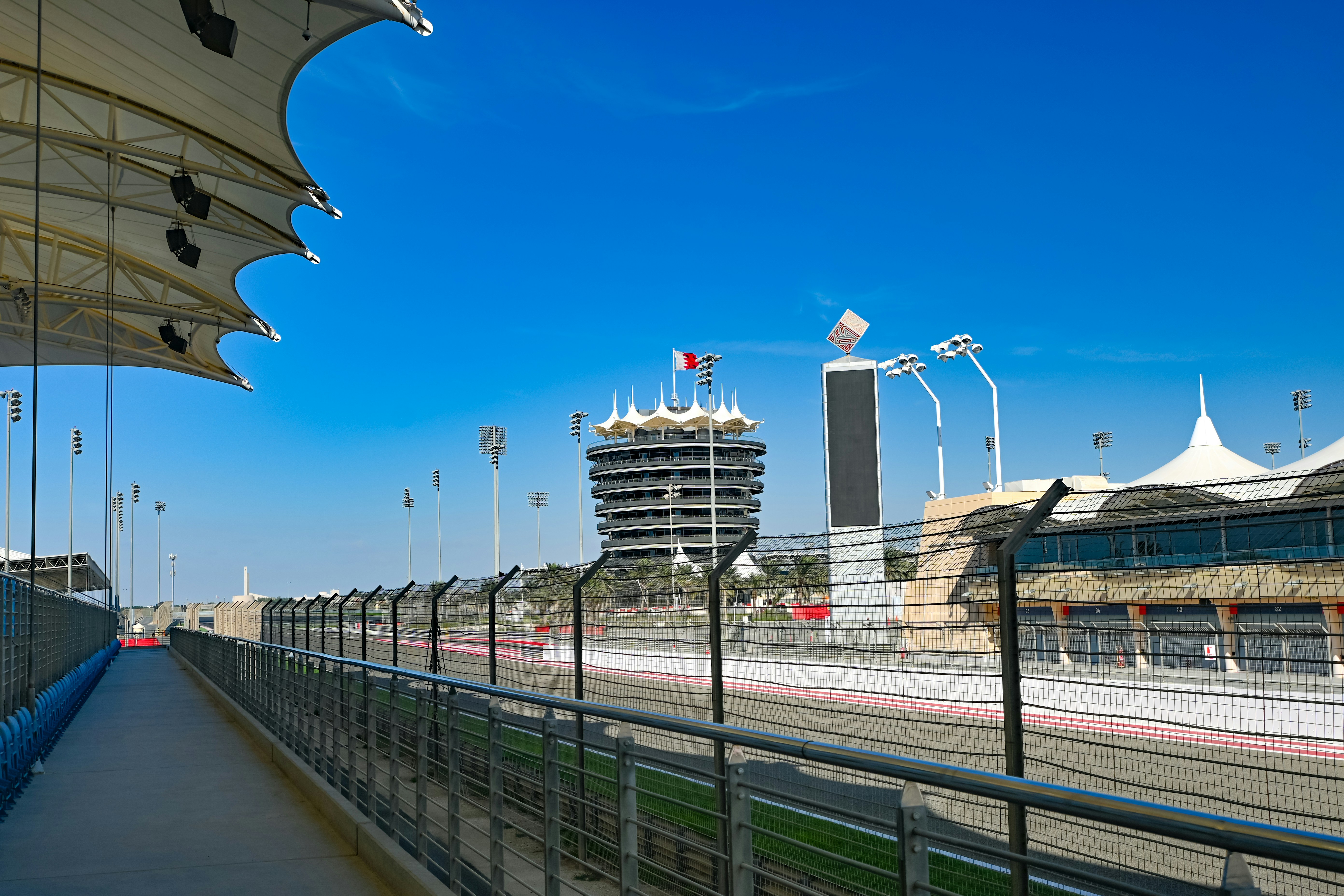
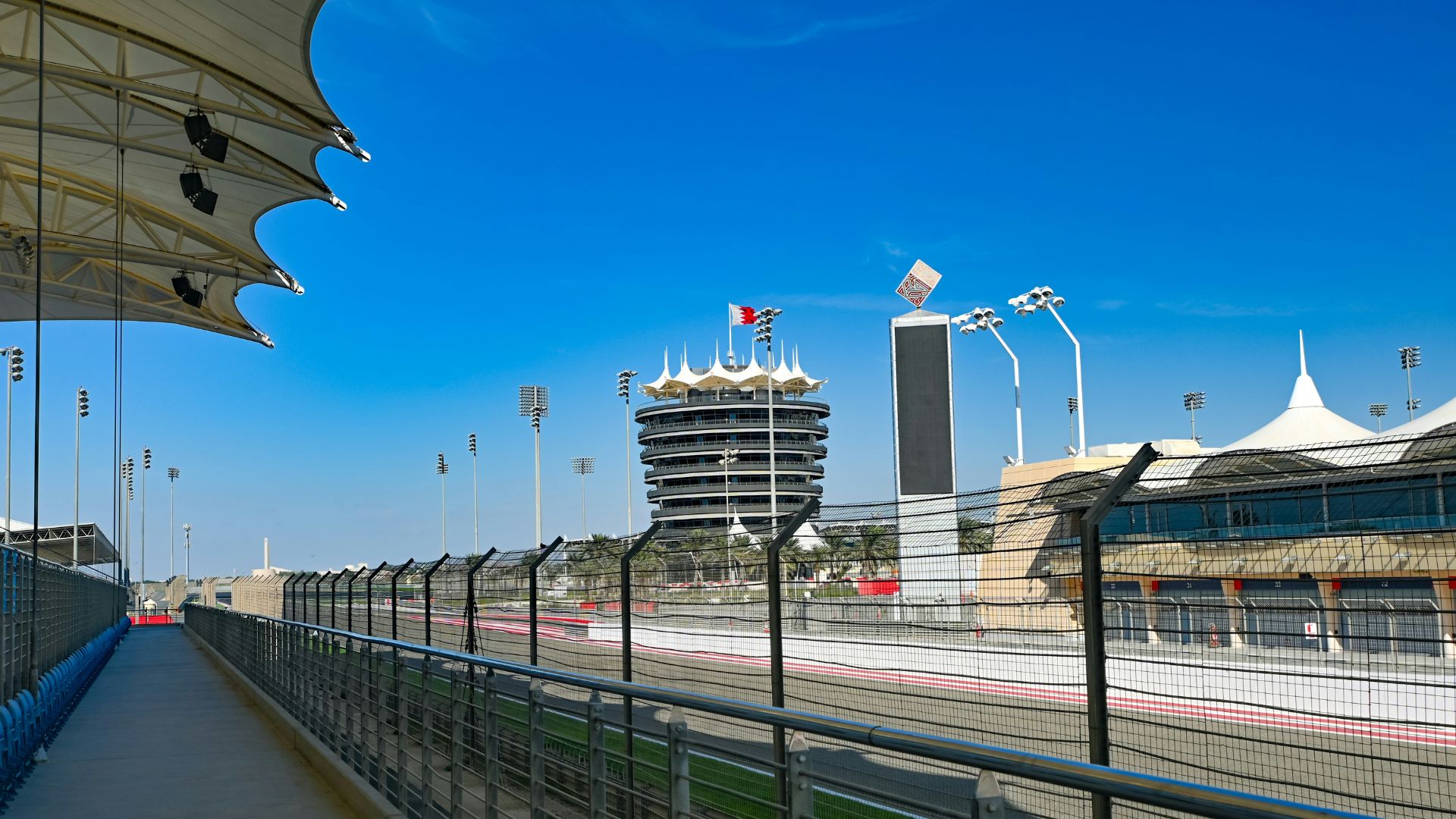
The Bahrain track stands still (Picture: Ondrej Bocek)
*£1 per month for 6 months, then billed at £4.99 per month thereafter. Cancel anytime
What we can learn when Global Conflict stops the Grid
What the Cancellation of the Bahrain and Saudi Arabian Grands Prix Teaches Business Leaders
The decision to cancel the 2026 Bahrain Grand Prix and Saudi Arabian Grand Prix has underlined one of the defining realities of modern global sport: even the most commercially powerful championships are not immune to geopolitical risk.
Following the escalation of war across the Middle East, Formula One confirmed the races scheduled for April would not take place, reducing the 2026 championship calendar from 24 to 22 rounds. The move leaves a five-week gap between the Japanese Grand Prix and the Miami Grand Prix, and is expected to cost the sport around £100 million in lost revenue, according to reports cited by the BBC.
The decision was taken jointly by the Fédération Internationale de l’Automobile (FIA) and Formula One Group, which is owned by Liberty Media. While motorsport fans immediately focused on the sporting consequences, the cancellation offers a broader lesson about risk management, leadership and strategic decision-making under uncertainty.
In our latest In-depth Insight, Nick Butcher breaks down what all parties had to consider and what business leaders across industries can learn from this if in a simular situation.
The Bahrain track stands still (Picture: Ondrej Bocek)
Why Formula One Had No Choice
At the heart of the decision was safety.
The conflict has already seen military strikes across the region, including attacks near Bahrain, which hosts a major US military base and sits less than 200 kilometres from Iran. Governments including the UK issued travel warnings, making it extremely difficult to guarantee the safety of teams, staff and fans.
But safety was only the first of several operational barriers.
Logistics: The hidden complexity of global sport
Formula One operates one of the most complex logistics systems in world sport. Each race requires transporting around 50 tonnes of freight per team, including cars, spare parts, hospitality units and broadcast infrastructure.
In this case, equipment used during pre-season testing was already located in Bahrain. Teams would have had to enter the country to retrieve freight before transporting it roughly 1,500 kilometres to Jeddah for the Saudi race - potentially over land due to airspace restrictions.
When combined with regional instability, this made the logistical plan increasingly impractical.
Insurance and financial risk
Insurance is another factor often overlooked outside the paddock.
In conflict zones, insurance policies for large events are frequently voided. Without coverage, hosting a global sporting event involving thousands of staff, millions in equipment and global broadcast operations becomes financially reckless.
For the organisers, the calculation became simple: if the risk cannot be insured, it cannot be staged.
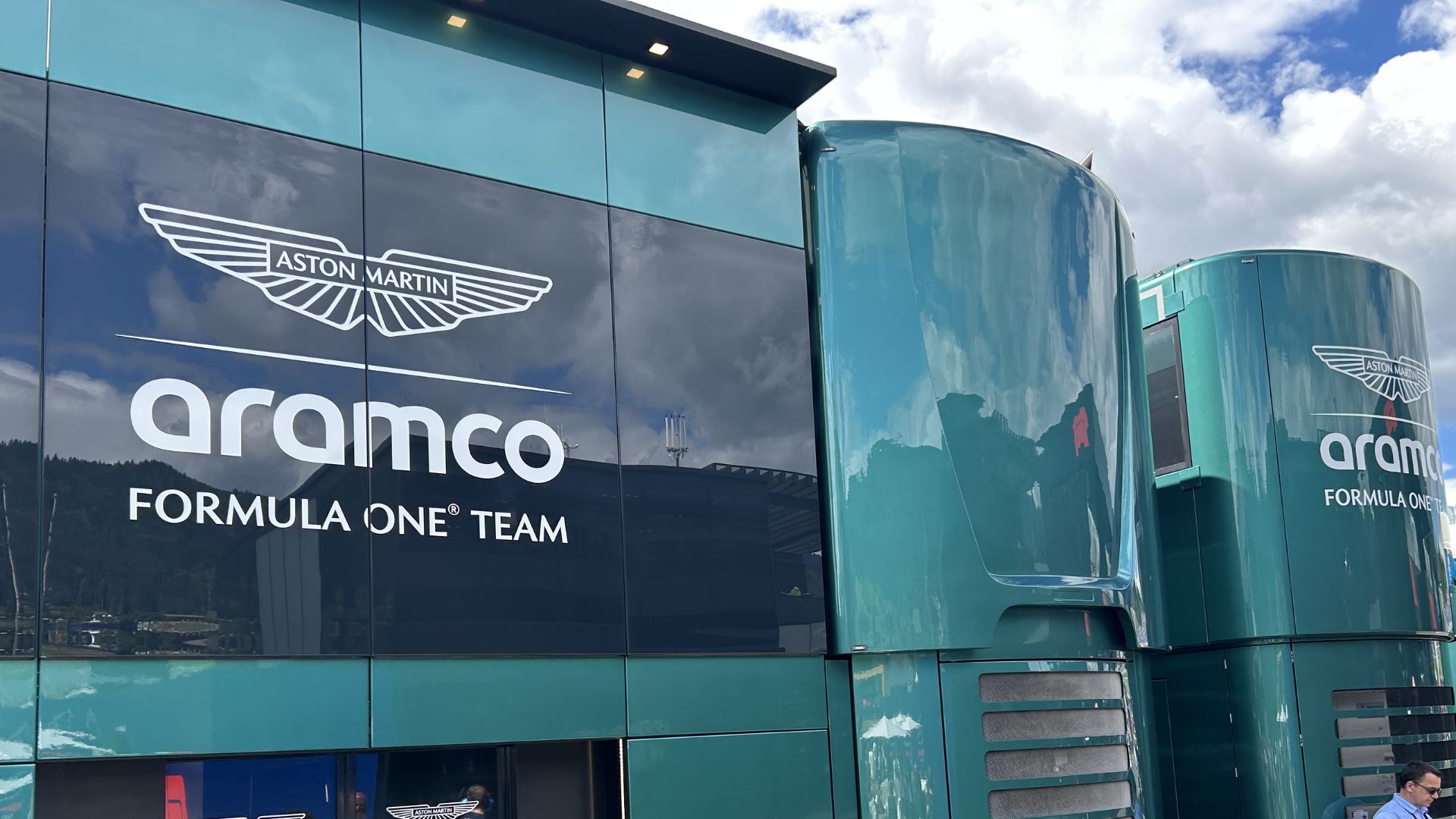
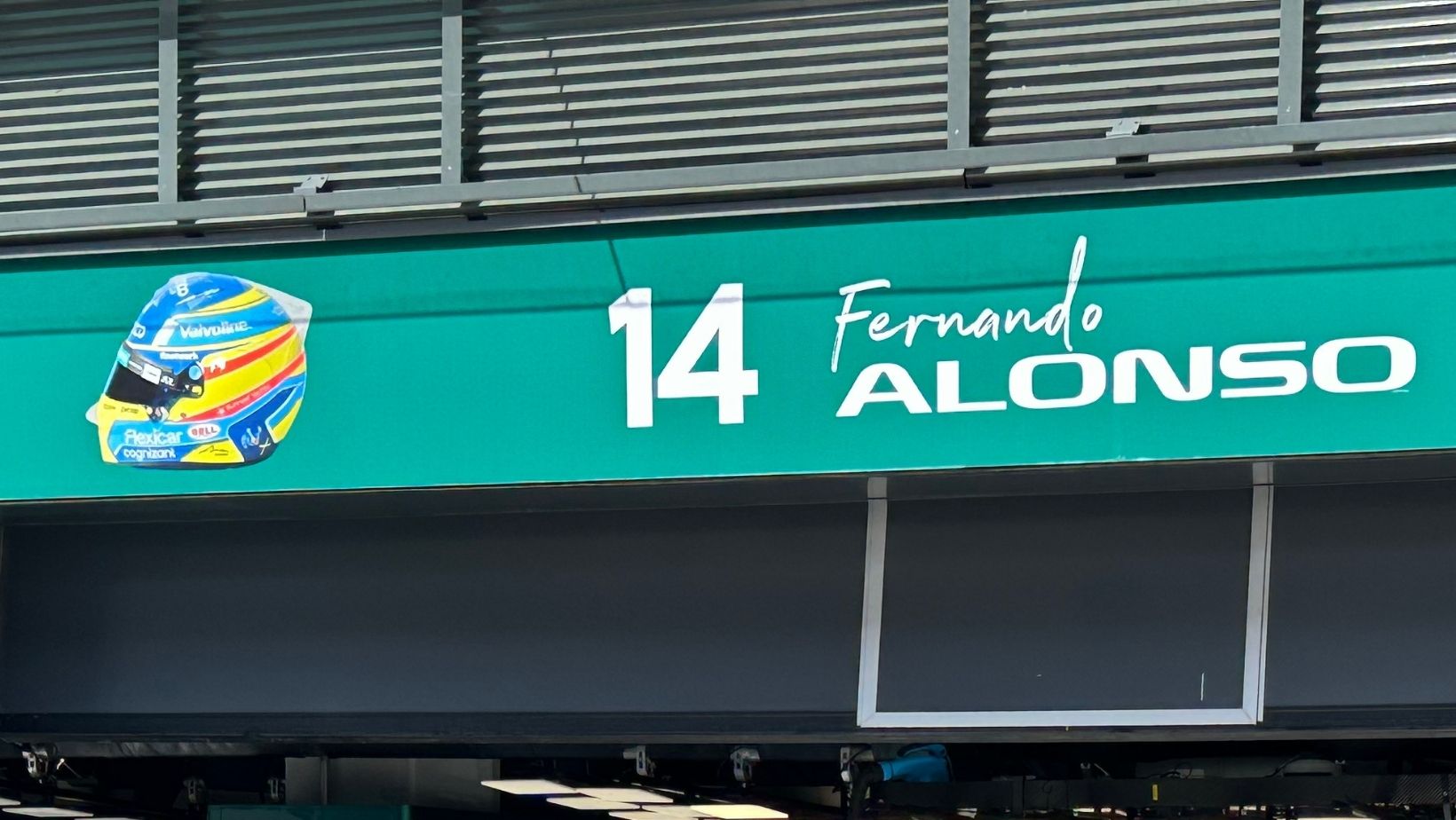
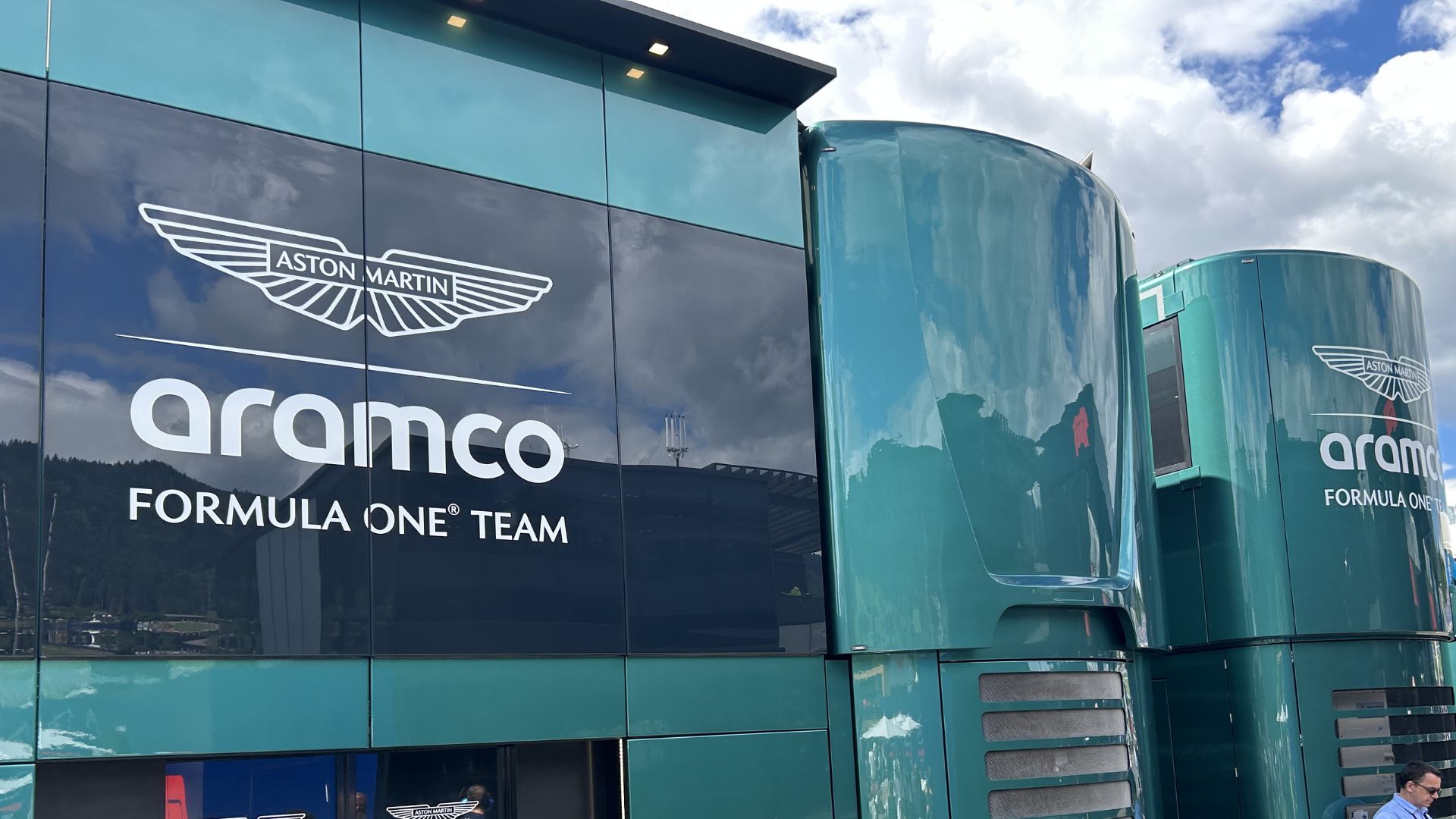
Saudi backed Aramco who sponsor the Aston Martin F1 team (Picture: Nick Butcher)
The £100 Million Question: The Economic Impact
Financially, the cancellations are significant.
Middle Eastern races are among the most lucrative on the Formula One calendar because host governments pay some of the highest race hosting fees in global sport. Losing the Bahrain and Saudi Arabian events removes a major revenue stream for the championship.
The impact spreads across several layers:
1. Formula One and Liberty Media
Hosting fees, sponsorship activation and race-weekend commercial activity disappear instantly.
2. Teams
Teams receive a share of Formula One’s revenue. Lower championship income can ultimately reduce prize money distributions.
3. Local economies
Grand Prix weekends generate tens of thousands of visitors, major hotel occupancy and international media exposure.
4. Supply chains
Event contractors, freight providers, hospitality suppliers and broadcast crews all lose work tied to the race weekends.
The total estimated financial hit of around £100 million illustrates how global sport operates as a complex economic ecosystem.
What Liberty Media and the FIA Had to Consider
Before making the final decision, several key factors would have been assessed by Formula One leadership.
1. Duty of care
The FIA’s first responsibility is to the safety of drivers, teams and staff. FIA President Mohammed Ben Sulayem emphasised that protecting the motorsport community had to come first.
In business terms, this is the equivalent of employee welfare and operational safety taking priority over revenue.
2. Calendar stability
Formula One has built a highly structured global calendar. Adding replacement races is difficult because venues, broadcasters and logistics partners are booked years in advance.
In this case, organisers opted not to replace the races, accepting a shorter season instead.
3. Long-term relationships
Bahrain and Saudi Arabia are strategic partners for Formula One. Bahrain has hosted races since 2004 and has a contract extending well into the next decade.
Handling the cancellation diplomatically helps protect these long-term relationships.
4. Brand reputation
Staging a race in an active conflict zone could have created enormous reputational risk for the sport and its commercial partners.
Sometimes the cost of proceeding is greater than the cost of cancelling.
Lessons for Business Leaders
While the context is motorsport, the leadership lessons apply across industries.
1. Safety and ethics must override short-term profit
The £100 million financial hit is significant, yet Formula One still chose to cancel.
In business, leaders often face similar dilemmas when external factors -geopolitical tensions, natural disasters or regulatory changes - threaten operations.
The key lesson: protect people first, revenue second.
Formula One’s logistics operation shows how fragile global supply networks can be.
Companies operating across multiple regions must plan for:
geopolitical disruption
airspace or shipping closures
insurance limitations
regulatory restrictions
Contingency planning is no longer optional - it is strategic infrastructure.
3. Timing decisions is critical
Formula One waited as long as possible before confirming the cancellation, partly because freight shipments were about to leave Asia for the Middle East.
This illustrates a common business challenge: deciding when uncertainty becomes unacceptable risk.
Too early, and you may overreact.
Too late, and the cost of reversal becomes far higher.
4. Protect long-term relationships during crises
Despite the cancellation, Formula One leadership emphasised their desire to return to both races when conditions allow.
In business, maintaining relationships during disruption is essential. Partners remember how organisations behave during crises.
5. Resilience is built into the system
By shortening the season rather than forcing replacements, Formula One protected the integrity of the championship.
In business strategy terms, this reflects resilience over optimisation. Systems built only for maximum efficiency often collapse when unexpected shocks occur.
Motorsport’s Ongoing Balancing Act
Formula One’s expansion into the Middle East has been one of the defining commercial trends of the past two decades. Races in Bahrain, Saudi Arabia, Qatar and Abu Dhabi now form a key part of the championship’s global footprint.
But the cancellation of these events is a reminder that global sport is deeply connected to global politics.
For the leadership of Formula One and its owners at Liberty Media, the decision was difficult - financially, commercially and politically.
Yet it may ultimately reinforce one of the most important principles of leadership:
the hardest decisions are often the ones that protect the future rather than the present.
What we can learn when Global Conflict stops the Grid
What the Cancellation of the Bahrain and Saudi Arabian Grands Prix Teaches Business Leaders
The decision to cancel the 2026 Bahrain Grand Prix and Saudi Arabian Grand Prix has underlined one of the defining realities of modern global sport: even the most commercially powerful championships are not immune to geopolitical risk.
Following the escalation of war across the Middle East, Formula One confirmed the races scheduled for April would not take place, reducing the 2026 championship calendar from 24 to 22 rounds. The move leaves a five-week gap between the Japanese Grand Prix and the Miami Grand Prix, and is expected to cost the sport around £100 million in lost revenue, according to reports cited by the BBC.
The decision was taken jointly by the Fédération Internationale de l’Automobile (FIA) and Formula One Group, which is owned by Liberty Media. While motorsport fans immediately focused on the sporting consequences, the cancellation offers a broader lesson about risk management, leadership and strategic decision-making under uncertainty.
In our latest In-depth Insight, Nick Butcher breaks down what all parties had to consider and what business leaders across industries can learn from this if in a simular situation.
The Bahrain track stands still (Picture: Ondrej Bocek)
Why Formula One Had No Choice
At the heart of the decision was safety.
The conflict has already seen military strikes across the region, including attacks near Bahrain, which hosts a major US military base and sits less than 200 kilometres from Iran. Governments including the UK issued travel warnings, making it extremely difficult to guarantee the safety of teams, staff and fans.
But safety was only the first of several operational barriers.
Logistics: The hidden complexity of global sport
Formula One operates one of the most complex logistics systems in world sport. Each race requires transporting around 50 tonnes of freight per team, including cars, spare parts, hospitality units and broadcast infrastructure.
In this case, equipment used during pre-season testing was already located in Bahrain. Teams would have had to enter the country to retrieve freight before transporting it roughly 1,500 kilometres to Jeddah for the Saudi race - potentially over land due to airspace restrictions.
When combined with regional instability, this made the logistical plan increasingly impractical.
Insurance and financial risk
Insurance is another factor often overlooked outside the paddock.
In conflict zones, insurance policies for large events are frequently voided. Without coverage, hosting a global sporting event involving thousands of staff, millions in equipment and global broadcast operations becomes financially reckless.
For the organisers, the calculation became simple: if the risk cannot be insured, it cannot be staged.
Saudi backed Aramco who sponsor the Aston Martin F1 team (Picture: Nick Butcher)
The £100 Million Question: The Economic Impact
Financially, the cancellations are significant.
Middle Eastern races are among the most lucrative on the Formula One calendar because host governments pay some of the highest race hosting fees in global sport. Losing the Bahrain and Saudi Arabian events removes a major revenue stream for the championship.
The impact spreads across several layers:
1. Formula One and Liberty Media
Hosting fees, sponsorship activation and race-weekend commercial activity disappear instantly.
2. Teams
Teams receive a share of Formula One’s revenue. Lower championship income can ultimately reduce prize money distributions.
3. Local economies
Grand Prix weekends generate tens of thousands of visitors, major hotel occupancy and international media exposure.
4. Supply chains
Event contractors, freight providers, hospitality suppliers and broadcast crews all lose work tied to the race weekends.
The total estimated financial hit of around £100 million illustrates how global sport operates as a complex economic ecosystem.
What Liberty Media and the FIA Had to Consider
Before making the final decision, several key factors would have been assessed by Formula One leadership.
1. Duty of care
The FIA’s first responsibility is to the safety of drivers, teams and staff. FIA President Mohammed Ben Sulayem emphasised that protecting the motorsport community had to come first.
In business terms, this is the equivalent of employee welfare and operational safety taking priority over revenue.
2. Calendar stability
Formula One has built a highly structured global calendar. Adding replacement races is difficult because venues, broadcasters and logistics partners are booked years in advance.
In this case, organisers opted not to replace the races, accepting a shorter season instead.
3. Long-term relationships
Bahrain and Saudi Arabia are strategic partners for Formula One. Bahrain has hosted races since 2004 and has a contract extending well into the next decade.
Handling the cancellation diplomatically helps protect these long-term relationships.
4. Brand reputation
Staging a race in an active conflict zone could have created enormous reputational risk for the sport and its commercial partners.
Sometimes the cost of proceeding is greater than the cost of cancelling.
Lessons for Business Leaders
While the context is motorsport, the leadership lessons apply across industries.
1. Safety and ethics must override short-term profit
The £100 million financial hit is significant, yet Formula One still chose to cancel.
In business, leaders often face similar dilemmas when external factors -geopolitical tensions, natural disasters or regulatory changes - threaten operations.
The key lesson: protect people first, revenue second.
Formula One’s logistics operation shows how fragile global supply networks can be.
Companies operating across multiple regions must plan for:
geopolitical disruption
airspace or shipping closures
insurance limitations
regulatory restrictions
Contingency planning is no longer optional - it is strategic infrastructure.
3. Timing decisions is critical
Formula One waited as long as possible before confirming the cancellation, partly because freight shipments were about to leave Asia for the Middle East.
This illustrates a common business challenge: deciding when uncertainty becomes unacceptable risk.
Too early, and you may overreact.
Too late, and the cost of reversal becomes far higher.
4. Protect long-term relationships during crises
Despite the cancellation, Formula One leadership emphasised their desire to return to both races when conditions allow.
In business, maintaining relationships during disruption is essential. Partners remember how organisations behave during crises.
5. Resilience is built into the system
By shortening the season rather than forcing replacements, Formula One protected the integrity of the championship.
In business strategy terms, this reflects resilience over optimisation. Systems built only for maximum efficiency often collapse when unexpected shocks occur.
Motorsport’s Ongoing Balancing Act
Formula One’s expansion into the Middle East has been one of the defining commercial trends of the past two decades. Races in Bahrain, Saudi Arabia, Qatar and Abu Dhabi now form a key part of the championship’s global footprint.
But the cancellation of these events is a reminder that global sport is deeply connected to global politics.
For the leadership of Formula One and its owners at Liberty Media, the decision was difficult - financially, commercially and politically.
Yet it may ultimately reinforce one of the most important principles of leadership:
the hardest decisions are often the ones that protect the future rather than the present.