What role will China’s carmakers play in motorsport’s future?
Introduction
There was a time when British car culture treated Chinese manufacturers as a punchline. A 2009 Top Gear script introduced Geely through a “fake Rolls-Royce” gag - the sort of shorthand that captured how unseriously China’s car industry was once taken in the West. That shorthand no longer holds. Chinese brands now account for roughly 9–11% of new-car sales in Britain, while BYD says it registered more than 50,000 cars in the UK last year.
China is no longer just a market for motorsport visits. Formula 1 has already locked Shanghai in through 2030 and Chinese car manufacturer BYD rumoured to be considering entering Formula One as a team. The more interesting question now is not whether China matters to motorsport, but what role its brands are about to play within it.
Rahil Hashmi investigates further.
For the full article and many more, subscribe to our online Knowledge Hub Motorsport To Business®+
Don't forget to use our exclusive discount code "M2BTrial" for 6 months for £1 per month*
*£1 per month for 6 months, then billed at £4.99 per month thereafter. Cancel anytime
What role will China’s carmakers play in motorsport’s future?
Introduction
There was a time when British car culture treated Chinese manufacturers as a punchline. A 2009 Top Gear script introduced Geely through a “fake Rolls-Royce” gag - the sort of shorthand that captured how unseriously China’s car industry was once taken in the West. That shorthand no longer holds. Chinese brands now account for roughly 9–11% of new-car sales in Britain, while BYD says it registered more than 50,000 cars in the UK last year.
China is no longer just a market for motorsport visits. Formula 1 has already locked Shanghai in through 2030 and Chinese car manufacturer BYD rumoured to be considering entering Formula One as a team. The more interesting question now is not whether China matters to motorsport, but what role its brands are about to play within it.
Rahil Hashmi investigates further.
As Chinese Car Manufacturer BYD considers Formula One, Rahil Hashmi looks at the role they are other Chinese car makers play in motorsport's future
The scale already exists
The scale of that market is easy to underestimate from the outside. Tencent (Formula 1’s broadcast partner in mainland China) said the sport’s return to Shanghai in 2024 drew more than 200,000 spectators and 14.8 million viewers across China, with a fanbase of more than 150 million at the time. By the end of 2025, F1’s own season review put that figure at 221.1 million. For perspective, China’s population is about 1.41 billion, compared with roughly 340 million in the United States. Yet America gets three races on the 2026 calendar; China gets one.
The audience is already there. What still looks underweight, however, is the sport’s physical and industrial footprint relative to the scale of that market.
Where the manufacturers are, and aren’t
Chinese manufacturers are not starting from zero in racing; they are already present, just mostly below the prestige line. Geely is the clearest case. Through Swedish touring-car specialist Cyan Racing, it is taking the Geely Preface TCR into the 2026 FIA TCR World Tour, an international touring-car series. It may sit some way below Formula 1 or Le Mans in terms of status, however, that footprint is not one to be ignored. Moreover, three of the seven confirmed World Tour stops are in the Chinese sphere - Chengdu, Zhuzhou and Macau.
Additionally, Touring cars matter here as they sit much closer to the road-car business: production-based shells, customer cars and national championships – the classic idea of ‘watch on Sunday, buy on Monday’. Geely already sells the Lynk & Co 03 as a TCR race car to teams worldwide, including in TCR UK, Britain’s more accessible touring-car series beneath the BTCC.
Formula E has offered another route in. NIO spent seven seasons attached to a team there before that link ended in 2023 and the operation re-emerged as ERT (Electric Racing Technologies), but without a manufacturer badge. Even then, the interest did not disappear: when Formula E returned to Shanghai in 2024, BYD, Zeekr, Lynk & Co, Xiaomi and IM Motor were invited in as guests for workshops on the Gen4 car and the series’ technical roadmap. As FIA Electric and New Energy Championships Commission president Zhou Xiaoxu put it, China’s “booming EV market” was reflected in the number of manufacturers attending to understand Formula E’s future possibilities.
The picture then is one of partial presence: Chinese brands competing where racing sells relevance but still largely missing from the championships that global automotive status.
Why this gap matters now
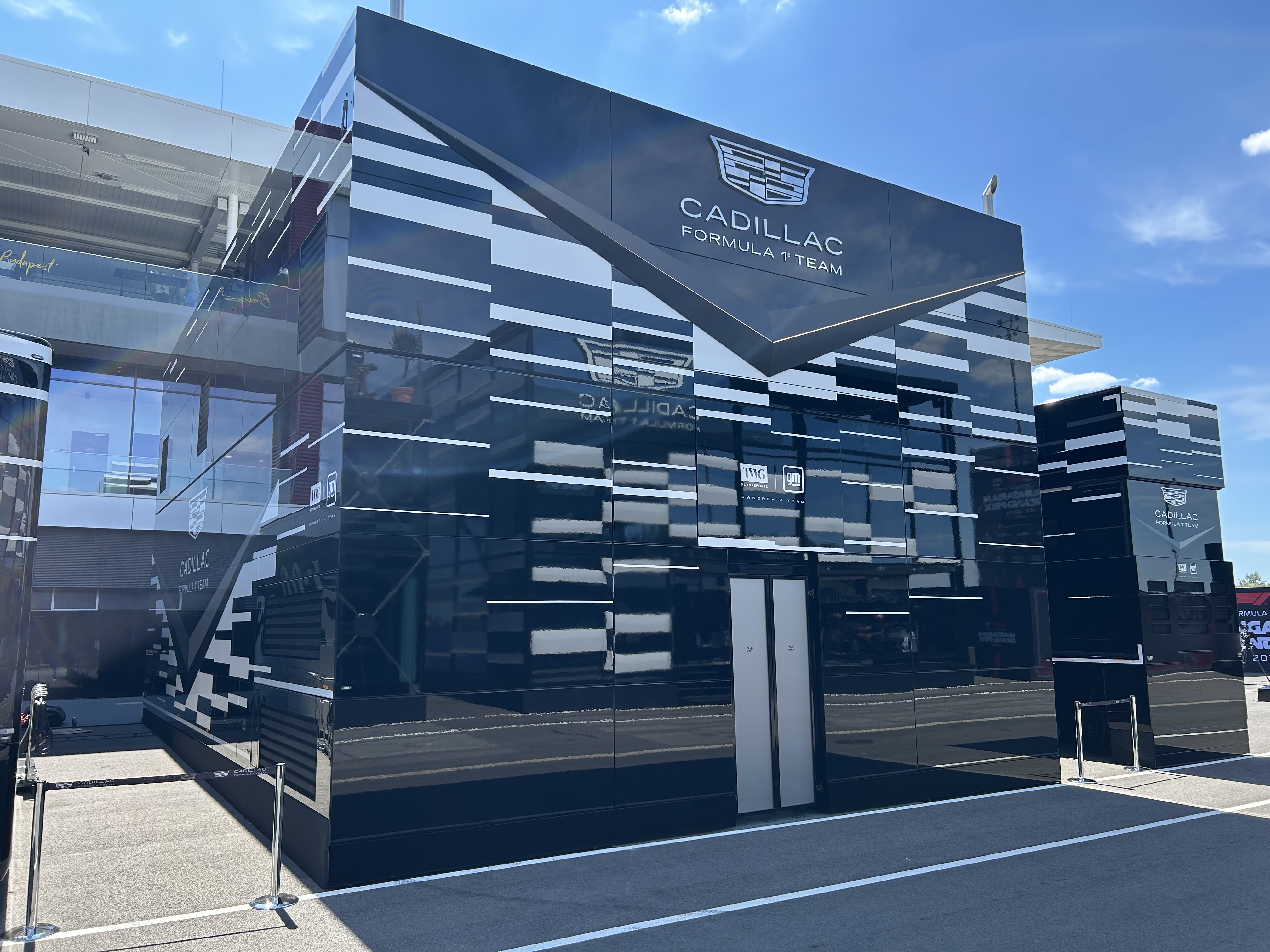
A decade ago, that underrepresentation might have felt like an interesting side note, but today, Formula 1 is a platform brands use to be taken seriously. The clearest evidence is how the sport talks about manufacturers itself. In the run-up to Cadillac’s entry, Mohammed Ben Sulayem said Stefano Domenicali’s view was that Formula 1 needed “an OEM, not just an extra team”. When the deal was approved, Domenicali called General Motors and Cadillac’s commitment an “important and positive demonstration of the evolution of our sport”.
Ford’s return tells the same story from another angle: Red Bull has insisted its 2026 partnership is “much more than a marketing deal”. In other words, the value of being in motorsport is no longer only exposure. And the same can be said for Mercedes, Toyota and Alpine.
BYD as a signal
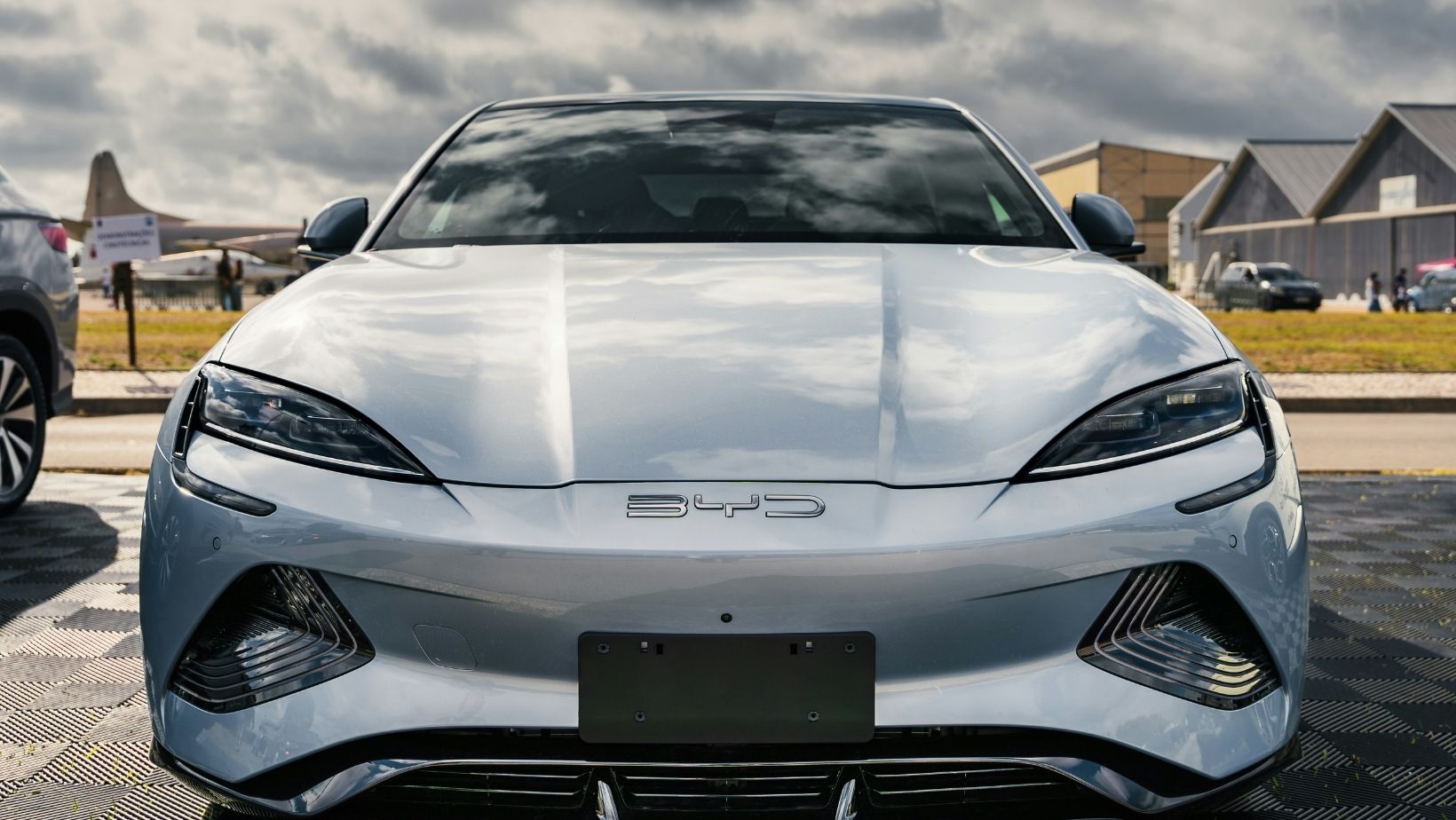
BYD is useful here as it may be the clearest signal of where the Chinese market is heading. The company has already broken through in Britain without racing: BYD UK says it registered 51,422 cars in 2025, giving it a 2.55% market share, up from 0.45% a year earlier, while Reuters reported its UK sales rose 83% year on year in February 2026. That rise has been built through pricing and distribution rather than racing. Which is why Bloomberg’s recent report that BYD is examining options in Formula 1 and endurance racing matters. It suggests a different phase of growth.
BYD no longer has to fight to be seen. The more difficult task is how it is perceived. Against established German rivals, it is still less instinctively associated with performance, engineering pedigree and premium quality. Formula 1’s main appeal for the Chinese therefore isn’t exposure, but the opportunity to reshape brands’ meaning.
The market moved first
What sits underneath all of this is a widening gap between commercial weight and reputational presence. Chinese brands already have real scale in markets that used to dismiss them. Yet the championships that still do most to shape global automotive status remain dominated by European, Japanese and, increasingly, American manufacturer narratives.
Chinese manufacturers are present in motorsport however, but not in the championships that carry the greatest global status. Seen that way, this is not a story about absence so much as timing. The market has moved first. The motorsport footprint may only now be starting to catch up.
For years, China mattered to motorsport because it brought the market. The more interesting question now is how quickly its manufacturers decide they want a role in shaping the sport from within.
Motorsport to Business – Key Takeaways
1. Markets mature before brands fully reposition inside them China already matters to motorsport commercially: the audience is large and the Grand Prix is locked in through 2030. But commercial presence and reputational presence do not always grow at the same speed. A company can win market share before it wins status.
2. Scale eventually creates a branding decision Once a brand no longer has to fight to be seen, the question changes. The challenge becomes how it is perceived - whether it is associated with price and volume alone, or with performance, engineering and credibility. That is where motorsport becomes more than exposure. It becomes a tool for repositioning.
3. Not all motorsport participation does the same job Touring cars, Formula E and customer racing all offer value, but they do not carry the same symbolic weight as Formula 1 or top-tier endurance racing. The championship a brand chooses says a lot about what it is trying to achieve.
4. Underrepresentation can matter as much as absence Chinese manufacturers are not starting from zero in racing. They already have a footprint. But that footprint still sits below the level of their industrial scale in the road-car market. That creates a mismatch: commercial weight on one side, symbolic presence on the other.
5. The real strategic question is not whether to enter, but when Motorsport is not automatically the first move for a growing car brand. Often it becomes relevant later, once distribution is built, visibility is secured and the next task is to reshape how the brand is read. The Chinese story in motorsport may now be moving into that phase.
What role will China’s carmakers play in motorsport’s future?
Introduction
There was a time when British car culture treated Chinese manufacturers as a punchline. A 2009 Top Gear script introduced Geely through a “fake Rolls-Royce” gag - the sort of shorthand that captured how unseriously China’s car industry was once taken in the West. That shorthand no longer holds. Chinese brands now account for roughly 9–11% of new-car sales in Britain, while BYD says it registered more than 50,000 cars in the UK last year.
China is no longer just a market for motorsport visits. Formula 1 has already locked Shanghai in through 2030 and Chinese car manufacturer BYD rumoured to be considering entering Formula One as a team. The more interesting question now is not whether China matters to motorsport, but what role its brands are about to play within it.
Rahil Hashmi investigates further.
As Chinese Car Manufacturer BYD considers Formula One, Rahil Hashmi looks at the role they are other Chinese car makers play in motorsport's future
The scale already exists
The scale of that market is easy to underestimate from the outside. Tencent (Formula 1’s broadcast partner in mainland China) said the sport’s return to Shanghai in 2024 drew more than 200,000 spectators and 14.8 million viewers across China, with a fanbase of more than 150 million at the time. By the end of 2025, F1’s own season review put that figure at 221.1 million. For perspective, China’s population is about 1.41 billion, compared with roughly 340 million in the United States. Yet America gets three races on the 2026 calendar; China gets one.
The audience is already there. What still looks underweight, however, is the sport’s physical and industrial footprint relative to the scale of that market.
Where the manufacturers are, and aren’t
Chinese manufacturers are not starting from zero in racing; they are already present, just mostly below the prestige line. Geely is the clearest case. Through Swedish touring-car specialist Cyan Racing, it is taking the Geely Preface TCR into the 2026 FIA TCR World Tour, an international touring-car series. It may sit some way below Formula 1 or Le Mans in terms of status, however, that footprint is not one to be ignored. Moreover, three of the seven confirmed World Tour stops are in the Chinese sphere - Chengdu, Zhuzhou and Macau.
Additionally, Touring cars matter here as they sit much closer to the road-car business: production-based shells, customer cars and national championships – the classic idea of ‘watch on Sunday, buy on Monday’. Geely already sells the Lynk & Co 03 as a TCR race car to teams worldwide, including in TCR UK, Britain’s more accessible touring-car series beneath the BTCC.
Formula E has offered another route in. NIO spent seven seasons attached to a team there before that link ended in 2023 and the operation re-emerged as ERT (Electric Racing Technologies), but without a manufacturer badge. Even then, the interest did not disappear: when Formula E returned to Shanghai in 2024, BYD, Zeekr, Lynk & Co, Xiaomi and IM Motor were invited in as guests for workshops on the Gen4 car and the series’ technical roadmap. As FIA Electric and New Energy Championships Commission president Zhou Xiaoxu put it, China’s “booming EV market” was reflected in the number of manufacturers attending to understand Formula E’s future possibilities.
The picture then is one of partial presence: Chinese brands competing where racing sells relevance but still largely missing from the championships that global automotive status.
Why this gap matters now
A decade ago, that underrepresentation might have felt like an interesting side note, but today, Formula 1 is a platform brands use to be taken seriously. The clearest evidence is how the sport talks about manufacturers itself. In the run-up to Cadillac’s entry, Mohammed Ben Sulayem said Stefano Domenicali’s view was that Formula 1 needed “an OEM, not just an extra team”. When the deal was approved, Domenicali called General Motors and Cadillac’s commitment an “important and positive demonstration of the evolution of our sport”.
Ford’s return tells the same story from another angle: Red Bull has insisted its 2026 partnership is “much more than a marketing deal”. In other words, the value of being in motorsport is no longer only exposure. And the same can be said for Mercedes, Toyota and Alpine.
BYD as a signal
BYD is useful here as it may be the clearest signal of where the Chinese market is heading. The company has already broken through in Britain without racing: BYD UK says it registered 51,422 cars in 2025, giving it a 2.55% market share, up from 0.45% a year earlier, while Reuters reported its UK sales rose 83% year on year in February 2026. That rise has been built through pricing and distribution rather than racing. Which is why Bloomberg’s recent report that BYD is examining options in Formula 1 and endurance racing matters. It suggests a different phase of growth.
BYD no longer has to fight to be seen. The more difficult task is how it is perceived. Against established German rivals, it is still less instinctively associated with performance, engineering pedigree and premium quality. Formula 1’s main appeal for the Chinese therefore isn’t exposure, but the opportunity to reshape brands’ meaning.
The market moved first
What sits underneath all of this is a widening gap between commercial weight and reputational presence. Chinese brands already have real scale in markets that used to dismiss them. Yet the championships that still do most to shape global automotive status remain dominated by European, Japanese and, increasingly, American manufacturer narratives.
Chinese manufacturers are present in motorsport however, but not in the championships that carry the greatest global status. Seen that way, this is not a story about absence so much as timing. The market has moved first. The motorsport footprint may only now be starting to catch up.
For years, China mattered to motorsport because it brought the market. The more interesting question now is how quickly its manufacturers decide they want a role in shaping the sport from within.
Motorsport to Business – Key Takeaways
1. Markets mature before brands fully reposition inside them China already matters to motorsport commercially: the audience is large and the Grand Prix is locked in through 2030. But commercial presence and reputational presence do not always grow at the same speed. A company can win market share before it wins status.
2. Scale eventually creates a branding decision Once a brand no longer has to fight to be seen, the question changes. The challenge becomes how it is perceived - whether it is associated with price and volume alone, or with performance, engineering and credibility. That is where motorsport becomes more than exposure. It becomes a tool for repositioning.
3. Not all motorsport participation does the same job Touring cars, Formula E and customer racing all offer value, but they do not carry the same symbolic weight as Formula 1 or top-tier endurance racing. The championship a brand chooses says a lot about what it is trying to achieve.
4. Underrepresentation can matter as much as absence Chinese manufacturers are not starting from zero in racing. They already have a footprint. But that footprint still sits below the level of their industrial scale in the road-car market. That creates a mismatch: commercial weight on one side, symbolic presence on the other.
5. The real strategic question is not whether to enter, but when Motorsport is not automatically the first move for a growing car brand. Often it becomes relevant later, once distribution is built, visibility is secured and the next task is to reshape how the brand is read. The Chinese story in motorsport may now be moving into that phase.