
Why Gucci Is Entering Formula One With Alpine – And What Business Leaders Can Learn From It
Formula One has changed.
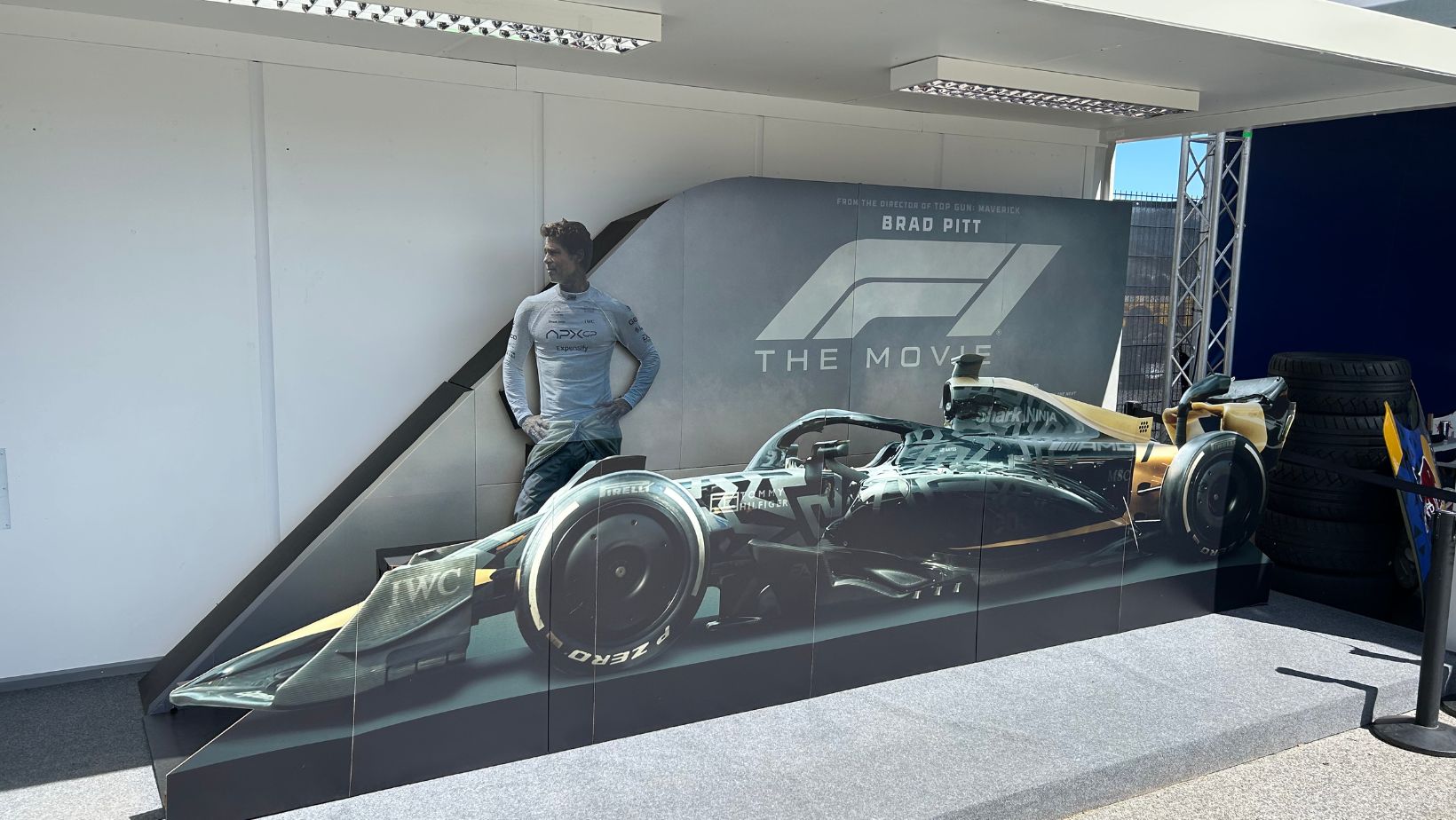
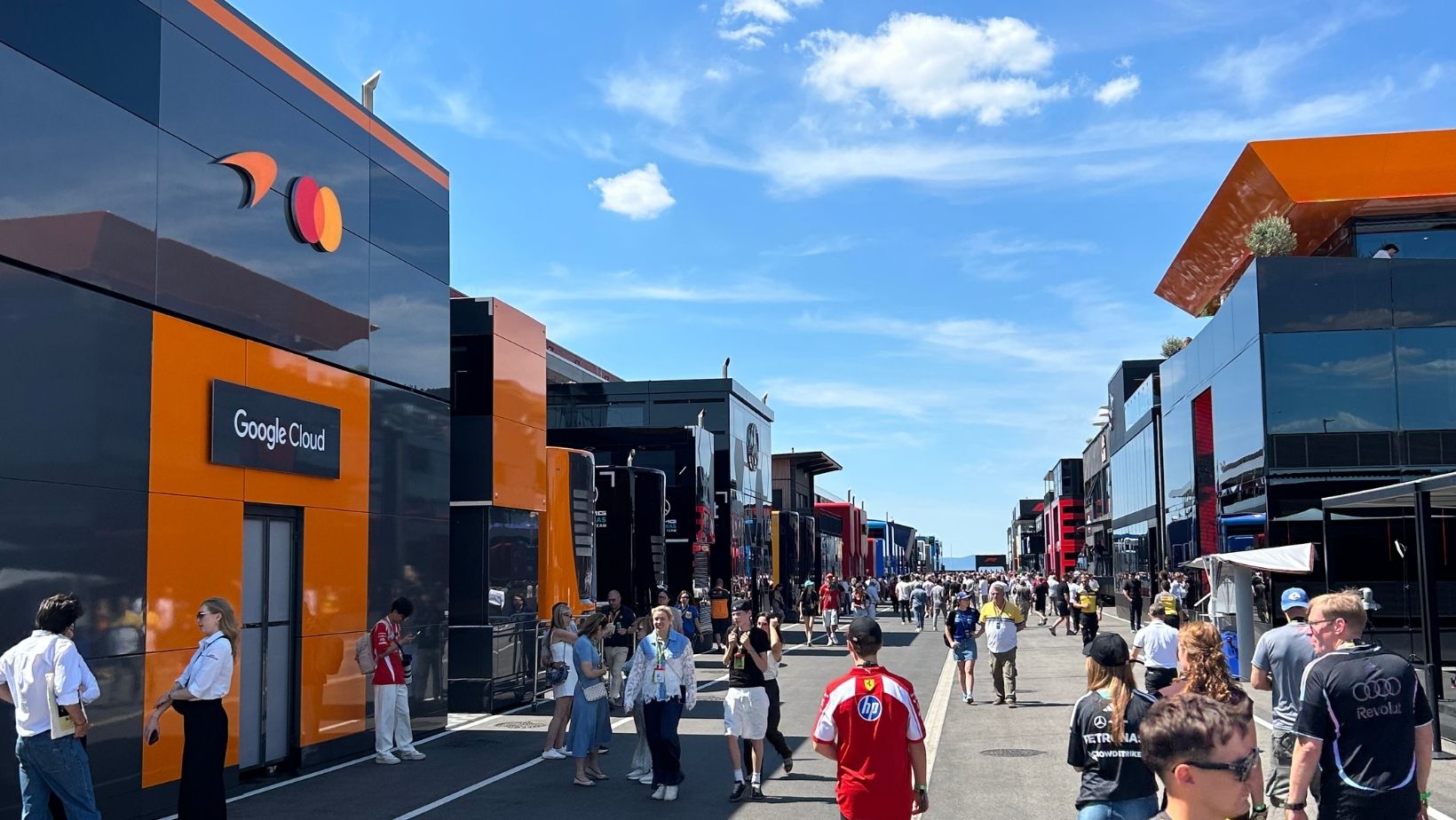
What was once viewed primarily as a motorsport championship has evolved into one of the world’s most powerful luxury lifestyle and entertainment platforms. From Netflix and Hollywood influence to global celebrity culture and premium brand partnerships, Formula One now sits at the intersection of sport, fashion, technology, business and culture.
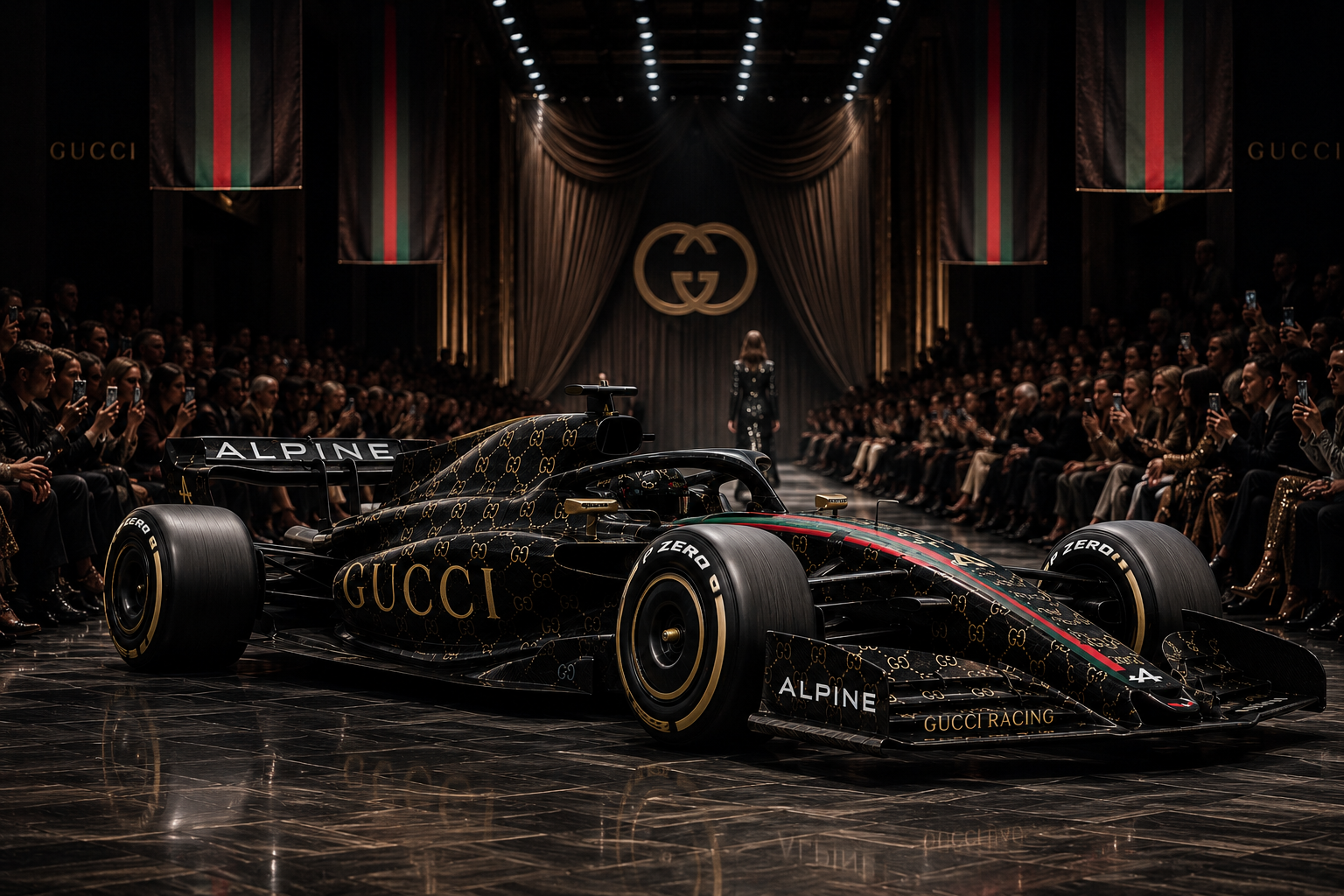
That is exactly why Gucci is becoming title partner of the Alpine F1 Team from 2027, with the team set to race under the name “Gucci Racing Alpine Formula One Team.” (Reuters)
At first glance, it may seem like an unusual partnership.
But in reality, this move makes perfect business sense.
The question is not “Why would Gucci enter Formula One?”
The real question is:
“Why wouldn’t they?”
Formula One Is No Longer Just A Sport
Gucci’s decision reflects a much bigger shift happening across Formula One.
Luxury brands are no longer simply sponsoring teams for logo exposure. They are using Formula One as a global storytelling platform.
According to Formula One and Alpine, the partnership is being built around performance, precision, discipline and excellence - values that naturally align with both elite motorsport and luxury fashion. (Alpine F1 Team)
The audience profile is also hugely attractive.
Formula One now reaches more than 1.5 billion viewers globally and, crucially for luxury brands, is attracting a younger, more diverse and increasingly female audience. (Reuters)
For Gucci, this is not simply about branding on a race car.
It is about:
- Remaining culturally relevant
- Reaching younger consumers
- Expanding into experiential luxury
- Creating lifestyle products and fanwear
- Driving global desirability
- Associating the brand with innovation and elite performance
In many ways, Formula One has become the luxury industry’s version of the Premier League or Champions League.
The brands that are present are signalling status, ambition and cultural relevance.
Why Alpine Makes Sense For Gucci
Interestingly, Gucci have not partnered with the obvious choice such as Ferrari or Mercedes.
Instead, they have chosen Alpine.
That decision may reveal the real strategy.
Alpine are currently in a rebuilding phase under the guidance of Flavio Briatore, a man who understands better than almost anyone how fashion, branding and Formula One can work together. (The Times)
The team has momentum.
After a difficult 2025 season, Alpine have improved significantly in 2026 and currently sit firmly in the midfield battle. (Reuters)
That creates an opportunity.
Gucci are not simply buying visibility.
They are buying the opportunity to shape a narrative.
If Alpine continue improving, Gucci become associated with transformation, ambition and resurgence — powerful storytelling for any luxury brand.
There is also another important factor:
ownership alignment.
Gucci’s parent company Kering is now led by Luca de Meo, the former Renault CEO who played a key role in Alpine’s Formula One direction. (Reuters)
This is not a random sponsorship.
It is a strategically aligned ecosystem.
The AlphaTauri Case Study – What Worked And What Didn’t
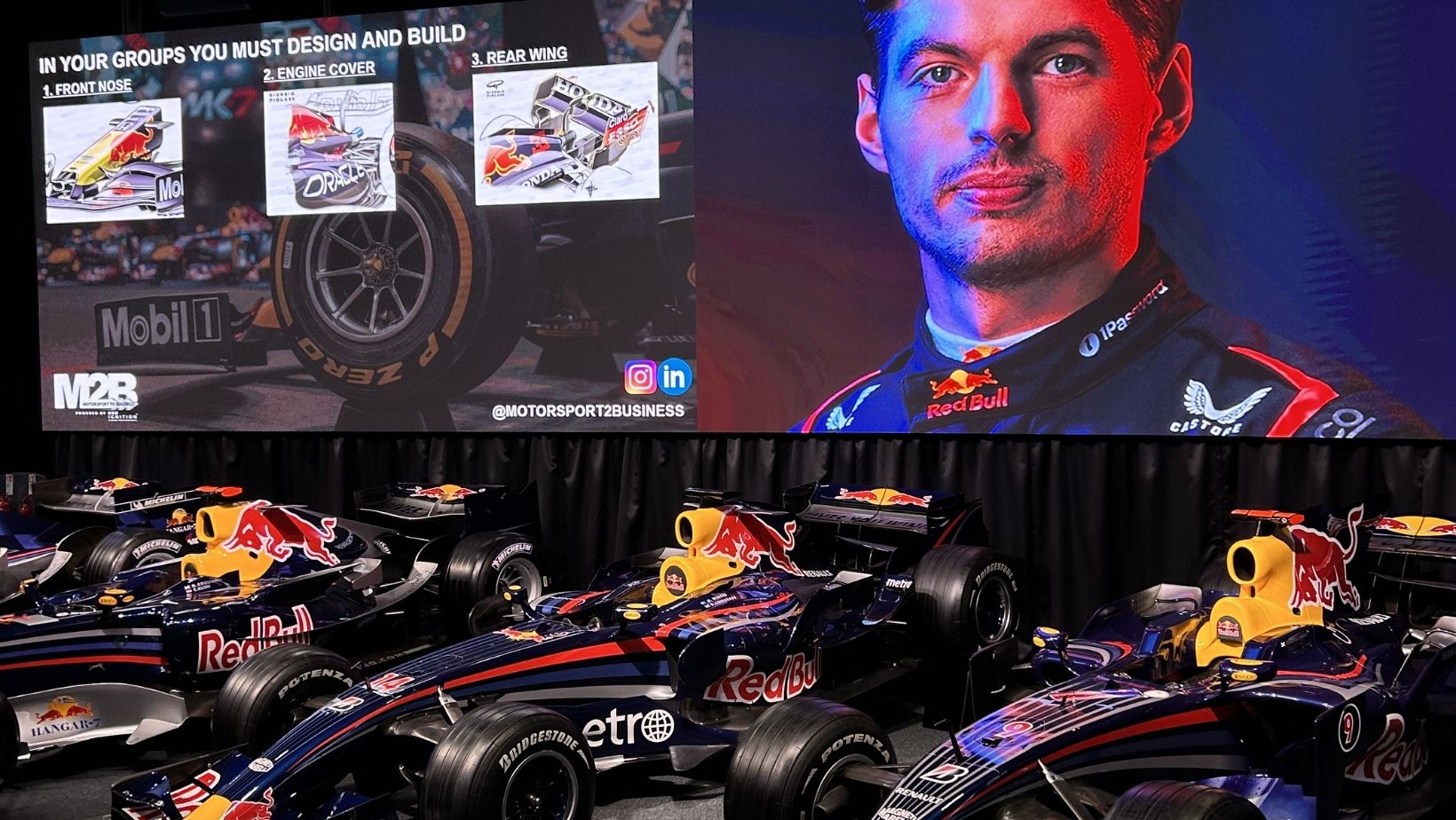
Gucci can learn a great deal from Red Bull GmbH and its fashion brand AlphaTauri.
When Red Bull rebranded Toro Rosso into AlphaTauri in 2020, the goal was clear:
use Formula One to globally launch and scale a fashion label.
The positives were obvious.
Formula One immediately gave AlphaTauri:
- Global awareness
- Instant premium positioning
- Celebrity association
- Lifestyle credibility
- International reach
The fashion shows, paddock presence and integration with athletes created a unique crossover between fashion and motorsport.
However, there were also lessons.
Despite strong visibility, AlphaTauri struggled to truly break through into mainstream fashion culture.
Why?
Because awareness does not automatically equal emotional connection.
Many Formula One fans recognised the brand, but fewer fully understood the fashion proposition itself.
There was also a challenge around authenticity.
AlphaTauri was effectively a fashion brand created by a drinks company. While commercially smart, it lacked the deep heritage and cultural authority that Gucci already possesses.
That is where Gucci have an advantage.
Gucci are not trying to become fashionable through Formula One.
They already are.
Instead, they are using Formula One to modernise, energise and evolve their luxury identity.
The Benetton Formula One Blueprint
Perhaps the most important case study of all is the legendary Benetton Formula operation of the 1990s.
And once again, Flavio Briatore sits at the centre of the story.
Benetton proved something revolutionary:
a fashion brand could not only participate in Formula One - it could win.
With drivers such as Michael Schumacher, Benetton won World Championships in 1994 and 1995 while becoming one of the most recognisable brands in global sport.
The key lesson?
Success on track amplifies brand power exponentially.
Benetton did not simply advertise in Formula One.
They became part of Formula One culture.
The colours, branding and attitude made Benetton feel disruptive, modern and aspirational.
It helped transform the company from a fashion retailer into a global lifestyle brand with cultural relevance far beyond clothing.
Gucci will undoubtedly study this carefully.
Because the real opportunity is not sponsorship visibility.
It is cultural ownership.
What Gucci Must Get Right
There are several things Gucci must avoid if they want this partnership to become iconic rather than simply expensive.
1. The Racing Team Must Become Competitive
In Formula One, performance matters.
Luxury brands can tolerate short-term struggles, but sustained failure damages prestige.
The Benetton example worked because the team won.
If Alpine can genuinely challenge near the front in the coming years, Gucci’s investment becomes dramatically more valuable.
2. The Partnership Must Feel Authentic
Fans quickly reject partnerships that feel forced.
The collaboration must feel integrated into the identity of the team, not simply placed on top of it.
That means:
- Premium storytelling
- Genuine innovation
- Exclusive experiences
- Elevated hospitality
- Limited-edition products
- Strong visual identity
Done correctly, Gucci Racing could become one of the most desirable lifestyle brands in sport.
3. They Must Think Beyond Formula One
The smartest sports partnerships are never really about the sport itself.
They are about what the platform unlocks.
Expect Gucci to build:
- Fashion collections
- Collaborations
- Hospitality experiences
- VIP events
- Digital content
- Youth-focused campaigns
- Influencer partnerships
- Luxury travel and lifestyle products
Formula One simply becomes the stage.
What Business Leaders Can Learn From This
There is also a wider leadership and business lesson here.
The strongest modern brands no longer operate within one category.
They build ecosystems.
Formula One teams are becoming media companies.
Fashion brands are becoming entertainment businesses.
Luxury brands are becoming experience platforms.
The companies winning in today’s economy are the ones creating emotional connection, community and cultural relevance — not simply selling products.
That is exactly what Gucci are attempting to achieve with Alpine.
This partnership is not about putting a logo on a car.
It is about positioning Gucci at the centre of one of the world’s fastest-growing premium entertainment ecosystems.
And if they execute it correctly, “Gucci Racing” could become one of the defining sports-business partnerships of the next decade.
Because in modern Formula One, the battle is no longer just for championships.
It is for cultural relevance.








.jpeg)










.png)
.png)
.png)
.png)