Log out
<< All articles

When Your Escape Becomes Your Job

Introduction

For many fans, Formula One offers a welcome escape - two hours of speed, noise and drama that provide a break from everyday life. For Harry Benjamin, however, that escape has evolved into a profession, bringing both the privilege of working within the sport and the challenge of maintaining balance when passion and performance become intertwined. In Part 4 of this exclusive M2B+ series, Harry reflects on the unique pressures of turning a lifelong passion into a career and the impact it has on personal recovery and perspective.

With a rare pause in the calendar before the season resumes in Miami, this chapter explores the importance of genuinely switching off in high-performance environments. Drawing parallels between motorsport and business, it highlights how clarity, resilience and sustained success often come not from constant engagement, but from the ability to step away, reset and return with renewed focus.

Over to you Harry!

For the full article and many more, subscribe to our online Knowledge Hub Motorsport To Business®+

Don't forget to use our exclusive discount code "M2BHarry" for 6 months for £1 per month*

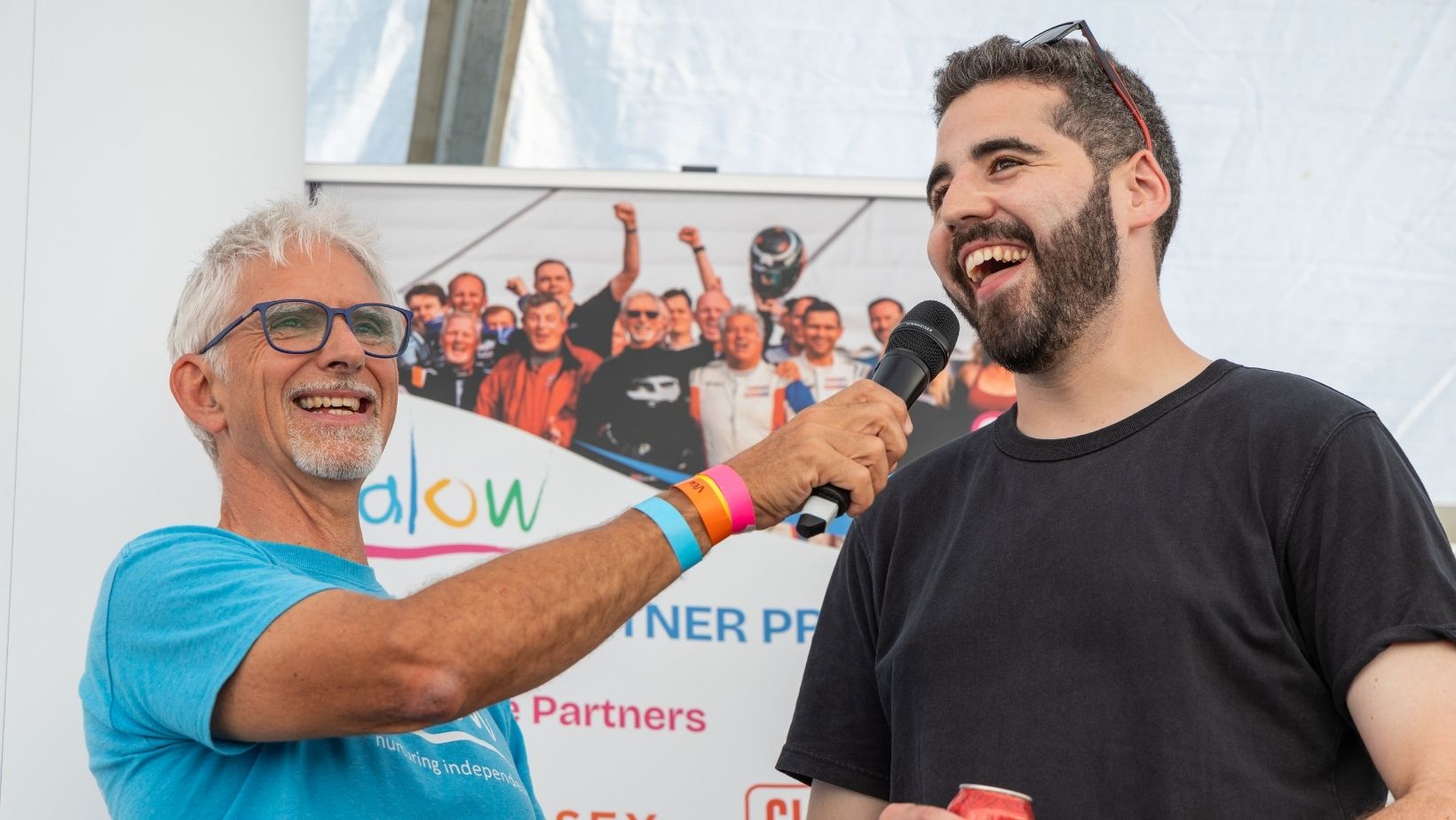
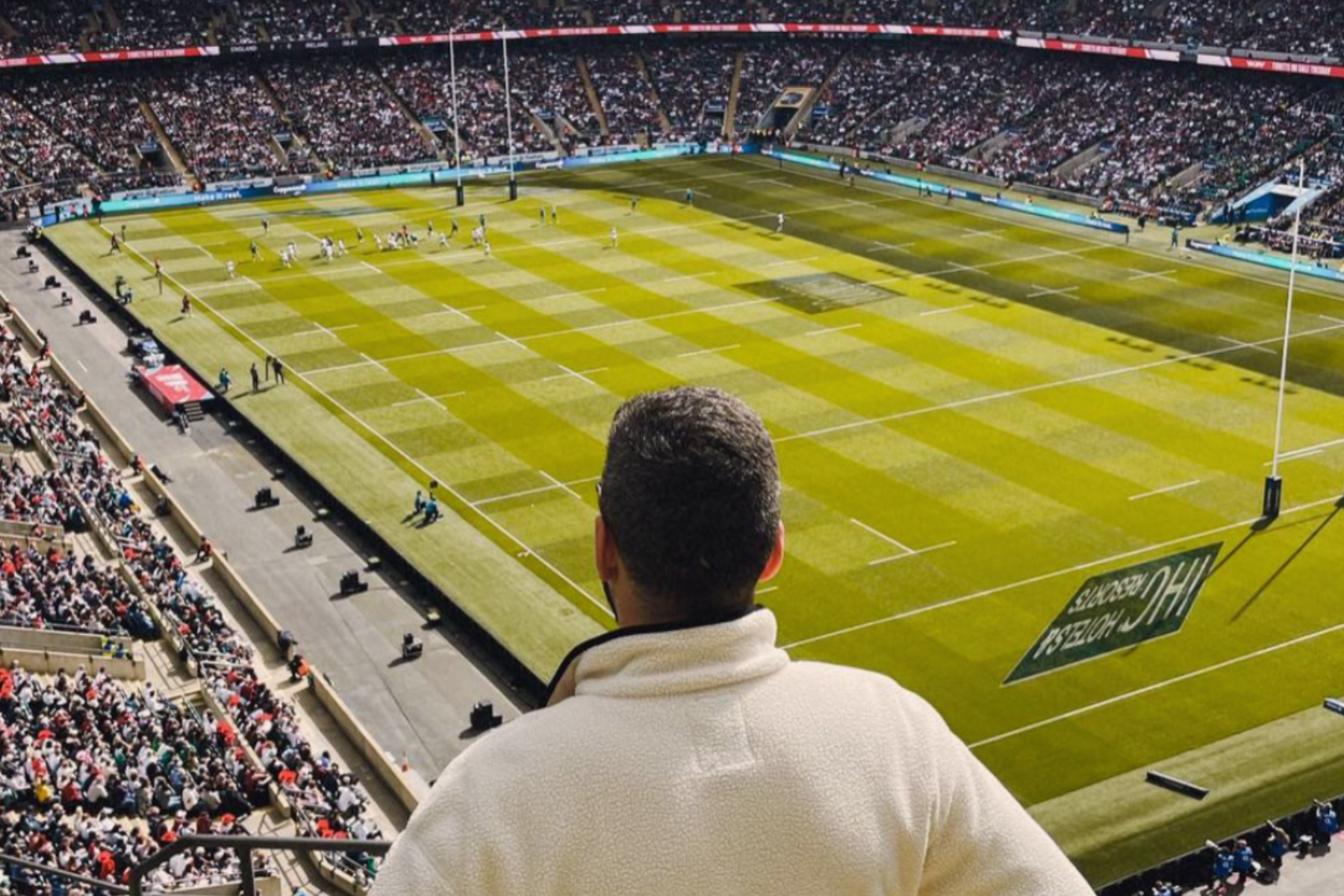
Enjoying his time off, Harry with a friend at the Women's Six Nations last weekend (Picture: Harry Benjamin)

*£1 per month for 6 months, then billed at £4.99 per month thereafter. Cancel anytime

This post is for subscribers only

Already have an account? Log-in

<< All articles

When Your Escape Becomes Your Job

Introduction

For many fans, Formula One offers a welcome escape - two hours of speed, noise and drama that provide a break from everyday life. For Harry Benjamin, however, that escape has evolved into a profession, bringing both the privilege of working within the sport and the challenge of maintaining balance when passion and performance become intertwined. In Part 4 of this exclusive M2B+ series, Harry reflects on the unique pressures of turning a lifelong passion into a career and the impact it has on personal recovery and perspective.

With a rare pause in the calendar before the season resumes in Miami, this chapter explores the importance of genuinely switching off in high-performance environments. Drawing parallels between motorsport and business, it highlights how clarity, resilience and sustained success often come not from constant engagement, but from the ability to step away, reset and return with renewed focus.

Over to you Harry!

Enjoying his time off, Harry with a friend at the Women's Six Nations last weekend (Picture: Harry Benjamin)

Part 4: When Your Escape Becomes Your Job

For a lot of people, Formula 1 is an escape. Two hours on a Sunday where nothing else really matters. Noise, speed, drama; a complete contrast to everyday life.

For me, it used to be exactly that. Then it became my job. Which is brilliant. But it also changes something fundamental. When the thing you used to switch off with becomes the thing you rely on to perform, in fact the thing that might well define your life, you lose your natural reset.

In F1, everything is intense. Race weekends are high pressure, high focus, high consequence. You’re constantly processing information, reacting in real time, and trying to stay one step ahead.

When it’s over, your instinct is often to stay in it. You want to review, analyse and prepare for the next one. That does however create a problem.

Without stepping away, you never really recover.

One of the most important things I’ve learned and something that’s easy to overlook is the value of completely switching off. Not half-switching off. Not scrolling through highlights or reading analysis. Actually stepping away.

We’ve got an unusual gap in the calendar at the moment. No races through April before things start again in Miami. On paper, it looks like downtime. In reality, it’s an opportunity.

I think the best drivers, engineers and teams understand something that applies well beyond the sport. You don’t get better by staying switched on all the time. You get better by knowing when to switch off. That might mean doing something completely unrelated.

Sport. Time with friends. Even something as simple as a walk without headphones in. For me, it’s socialising with friends and binge watching tv shows..!

It sounds obvious, but it’s not always easy, especially when your job is something you care about.

And that’s probably the reality check.

Harry enjoys a snack at the rugby during some well earned time off (Picture: Harry Benjamin)

Finding that switch-off isn’t straightforward. It’s easy to say “just pick up a hobby” or “do something different”, but when your work takes up a lot of your time, your energy and, in many ways, your identity, it’s not that simple.

In my case, Formula 1 isn’t just a job, it’s a lifestyle. It dictates where you are, what you’re doing, how you’re thinking. I don’t think that’s unique to motorsport. In a lot of high-performance environments, whether it’s sport, media, business or anything competitive, there’s a huge crossover between work and life.

That’s often what makes people good at what they do. But it also means switching off becomes harder, because you’re not just stepping away from a job, you’re stepping away from something that feels like a part of who you are.

So there are moments where you do get a bit lost in it. Where the lines blur and everything feels like it’s pointing in the same direction. I think that’s okay.

It’s part of caring about what you do. It’s part of wanting to get better. It does, though, make it even more important to find something that anchors you back.

Not necessarily something big or dramatic, but something consistent. Something that reminds you there’s a world outside of the thing you’re chasing professionally.

That perspective is what allows you to come back clearer.

A lot of people are told to “follow your passion”  and turn the thing you love into the thing you do. Which can work. However, it comes with a trade-off.

Once your passion becomes your profession, it stops being your escape. So you have to find a new one. Something that gives your brain space. Something that isn’t tied to performance, outcomes or pressure.

In Formula 1, the margins are tiny. Clarity matters and clarity doesn’t come from doing more and more of the same thing. It comes from stepping away just long enough to come back sharper.

The same is true in any industry. Sometimes the best thing you can do for your work…is not think about it at all.

<< All articles

When Your Escape Becomes Your Job

Introduction

For many fans, Formula One offers a welcome escape - two hours of speed, noise and drama that provide a break from everyday life. For Harry Benjamin, however, that escape has evolved into a profession, bringing both the privilege of working within the sport and the challenge of maintaining balance when passion and performance become intertwined. In Part 4 of this exclusive M2B+ series, Harry reflects on the unique pressures of turning a lifelong passion into a career and the impact it has on personal recovery and perspective.

With a rare pause in the calendar before the season resumes in Miami, this chapter explores the importance of genuinely switching off in high-performance environments. Drawing parallels between motorsport and business, it highlights how clarity, resilience and sustained success often come not from constant engagement, but from the ability to step away, reset and return with renewed focus.

Over to you Harry!

Enjoying his time off, Harry with a friend at the Women's Six Nations last weekend (Picture: Harry Benjamin)

Part 4: When Your Escape Becomes Your Job

For a lot of people, Formula 1 is an escape. Two hours on a Sunday where nothing else really matters. Noise, speed, drama; a complete contrast to everyday life.

For me, it used to be exactly that. Then it became my job. Which is brilliant. But it also changes something fundamental. When the thing you used to switch off with becomes the thing you rely on to perform, in fact the thing that might well define your life, you lose your natural reset.

In F1, everything is intense. Race weekends are high pressure, high focus, high consequence. You’re constantly processing information, reacting in real time, and trying to stay one step ahead.

When it’s over, your instinct is often to stay in it. You want to review, analyse and prepare for the next one. That does however create a problem.

Without stepping away, you never really recover.

One of the most important things I’ve learned and something that’s easy to overlook is the value of completely switching off. Not half-switching off. Not scrolling through highlights or reading analysis. Actually stepping away.

We’ve got an unusual gap in the calendar at the moment. No races through April before things start again in Miami. On paper, it looks like downtime. In reality, it’s an opportunity.

I think the best drivers, engineers and teams understand something that applies well beyond the sport. You don’t get better by staying switched on all the time. You get better by knowing when to switch off. That might mean doing something completely unrelated.

Sport. Time with friends. Even something as simple as a walk without headphones in. For me, it’s socialising with friends and binge watching tv shows..!

It sounds obvious, but it’s not always easy, especially when your job is something you care about.

And that’s probably the reality check.

Harry enjoys a snack at the rugby during some well earned time off (Picture: Harry Benjamin)

Finding that switch-off isn’t straightforward. It’s easy to say “just pick up a hobby” or “do something different”, but when your work takes up a lot of your time, your energy and, in many ways, your identity, it’s not that simple.

In my case, Formula 1 isn’t just a job, it’s a lifestyle. It dictates where you are, what you’re doing, how you’re thinking. I don’t think that’s unique to motorsport. In a lot of high-performance environments, whether it’s sport, media, business or anything competitive, there’s a huge crossover between work and life.

That’s often what makes people good at what they do. But it also means switching off becomes harder, because you’re not just stepping away from a job, you’re stepping away from something that feels like a part of who you are.

So there are moments where you do get a bit lost in it. Where the lines blur and everything feels like it’s pointing in the same direction. I think that’s okay.

It’s part of caring about what you do. It’s part of wanting to get better. It does, though, make it even more important to find something that anchors you back.

Not necessarily something big or dramatic, but something consistent. Something that reminds you there’s a world outside of the thing you’re chasing professionally.

That perspective is what allows you to come back clearer.

A lot of people are told to “follow your passion”  and turn the thing you love into the thing you do. Which can work. However, it comes with a trade-off.

Once your passion becomes your profession, it stops being your escape. So you have to find a new one. Something that gives your brain space. Something that isn’t tied to performance, outcomes or pressure.

In Formula 1, the margins are tiny. Clarity matters and clarity doesn’t come from doing more and more of the same thing. It comes from stepping away just long enough to come back sharper.

The same is true in any industry. Sometimes the best thing you can do for your work…is not think about it at all.