Log out
<< All articles

F1’s new era is being judged, but the real test is how the sport adapts

Introduction

After the opening race in Melbourne, the Formula One season quickly shifts into its next phase with a rapid turnaround before the next round in Shanghai. For Harry Benjamin, the pace mirrors the sport itself, analysing the first real data from race conditions, recalibrating expectations and preparing for the added complexity of the season’s first Sprint weekend.

In Part 2 of Behind the Mic: Performance Under Pressure, the focus moves from preseason preparation to real-time adaptation, as the early narrative of the year begins to take shape in Formula One.

With debate already building around Formula 1’s latest technical regulations, this chapter explores a bigger question facing the sport. Many of the decisions shaping today’s cars were made years ago, long before they appeared on track. As the season unfolds, the real test is not simply those original choices, but how quickly the sport, and everyone around it, can adjust, respond and refine when the reality begins to look different from the plan.

Over to you Harry!

For the full article and many more, subscribe to our online Knowledge Hub Motorsport To Business®+

Don't forget to use our exclusive discount code "M2BHarry" for 6 months for £1 per month*

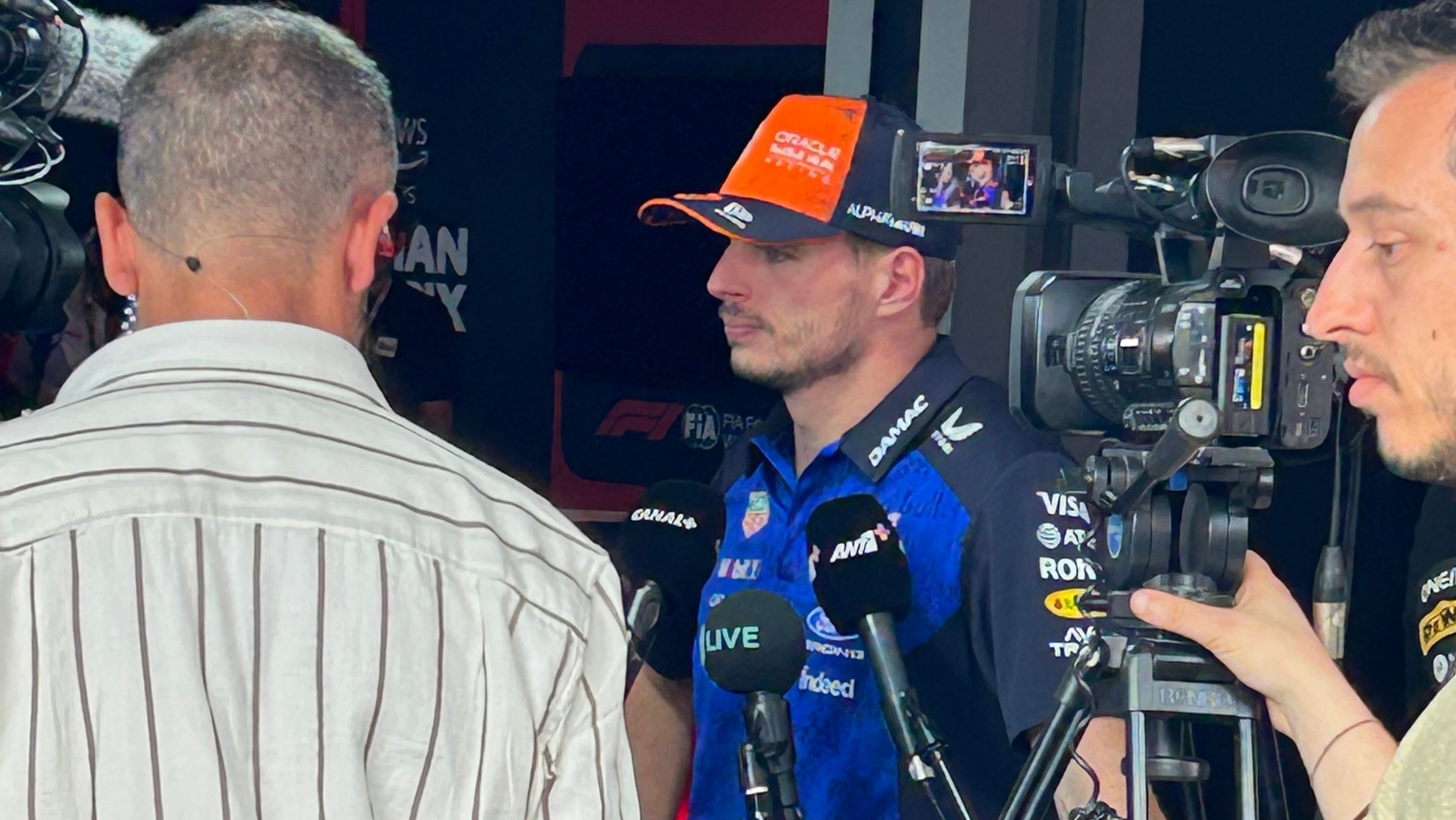
As a new era begins, Harry interviews Nico Hulkenburg as his new Audi F1 team joins the grid for the 2026 season

*£1 per month for 6 months, then billed at £4.99 per month thereafter. Cancel anytime

This post is for subscribers only

Already have an account? Log-in

<< All articles

F1’s new era is being judged, but the real test is how the sport adapts

Introduction

After the opening race in Melbourne, the Formula One season quickly shifts into its next phase with a rapid turnaround before the next round in Shanghai. For Harry Benjamin, the pace mirrors the sport itself, analysing the first real data from race conditions, recalibrating expectations and preparing for the added complexity of the season’s first Sprint weekend.

In Part 2 of Behind the Mic: Performance Under Pressure, the focus moves from preseason preparation to real-time adaptation, as the early narrative of the year begins to take shape in Formula One.

With debate already building around Formula 1’s latest technical regulations, this chapter explores a bigger question facing the sport. Many of the decisions shaping today’s cars were made years ago, long before they appeared on track. As the season unfolds, the real test is not simply those original choices, but how quickly the sport, and everyone around it, can adjust, respond and refine when the reality begins to look different from the plan.

Over to you Harry!

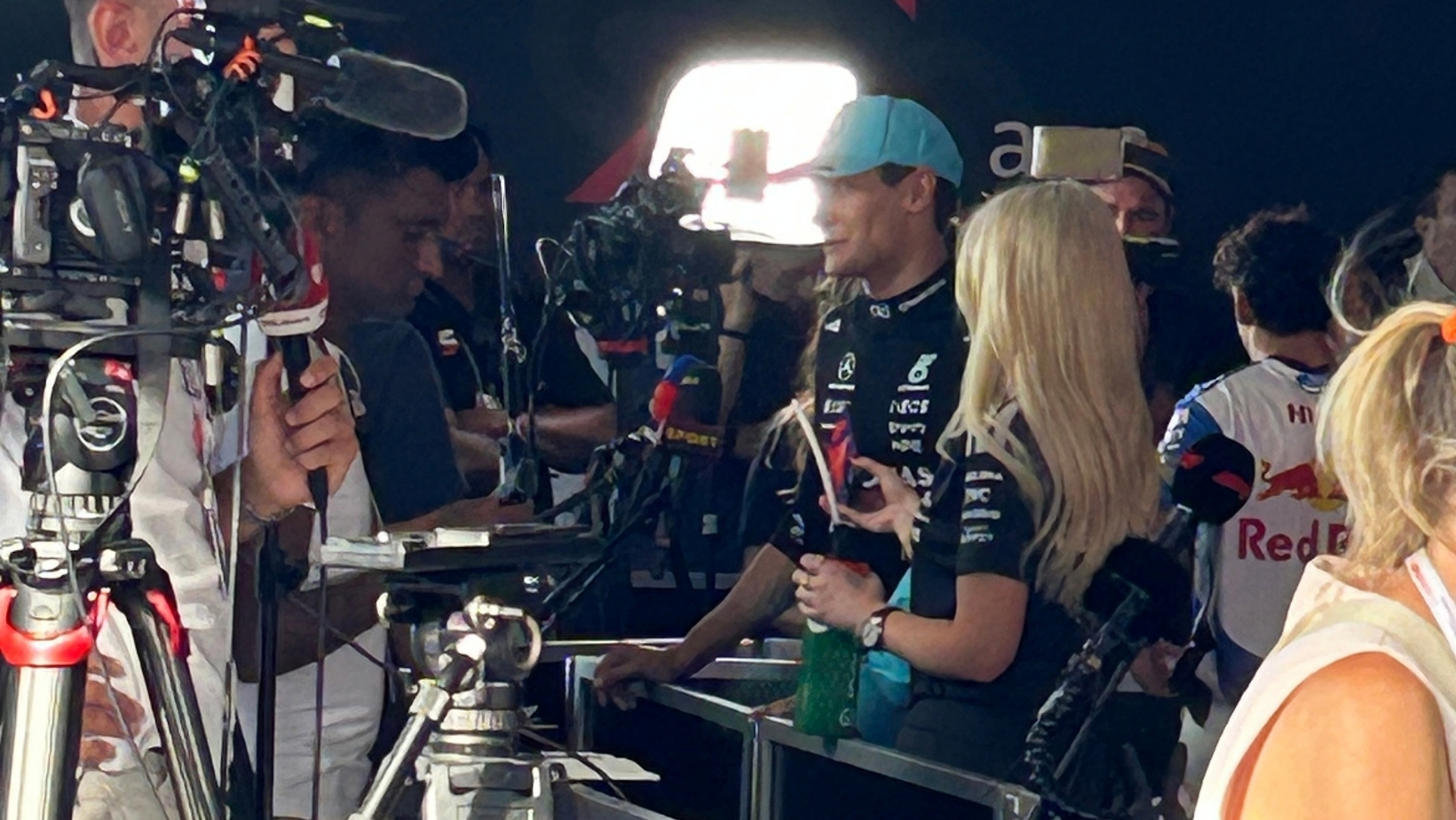
As a new era begins, Harry interviews Nico Hulkenburg as his new Audi F1 team joins the grid for the 2026 season

Part 2: F1’s new era is being judged, but the real test is how the sport adapts

With Australia and China back-to-back at the start of the season, there isn’t much time to linger. I landed back in the UK on Tuesday afternoon after travelling home via Shanghai, still half operating on Melbourne time, and within a few hours it was straight back into preparation mode. This weekend's race coverage comes from a studio in London.

Rhythm is something the sport demands from everyone involved. The race itself might last a couple of hours, but the learning cycle around it begins almost immediately afterwards.

Australia was the first real data point of the season. Testing offers clues, but the opening race is where the sport starts to reveal itself properly. Drivers discover where the limits really are. Teams begin to understand how their winter assumptions hold up under competitive pressure. And commentators, like everyone else in the paddock, start adjusting their expectations.

The days after Melbourne were spent doing exactly that. Watching back the race, looking at how drivers handled the new energy deployment demands and where the pressure points emerged.

Shanghai hosts the first Sprint weekend of the year. A Sprint format compresses everything. Less practice, less time for teams to adjust setups, fewer chances to correct mistakes. From a commentary perspective it changes the preparation too. You have to anticipate a wider range of scenarios, because the margins for teams to fix things shrink dramatically.

The job is the same. You still need to make good decisions, you just have less time and fewer rehearsal opportunities.
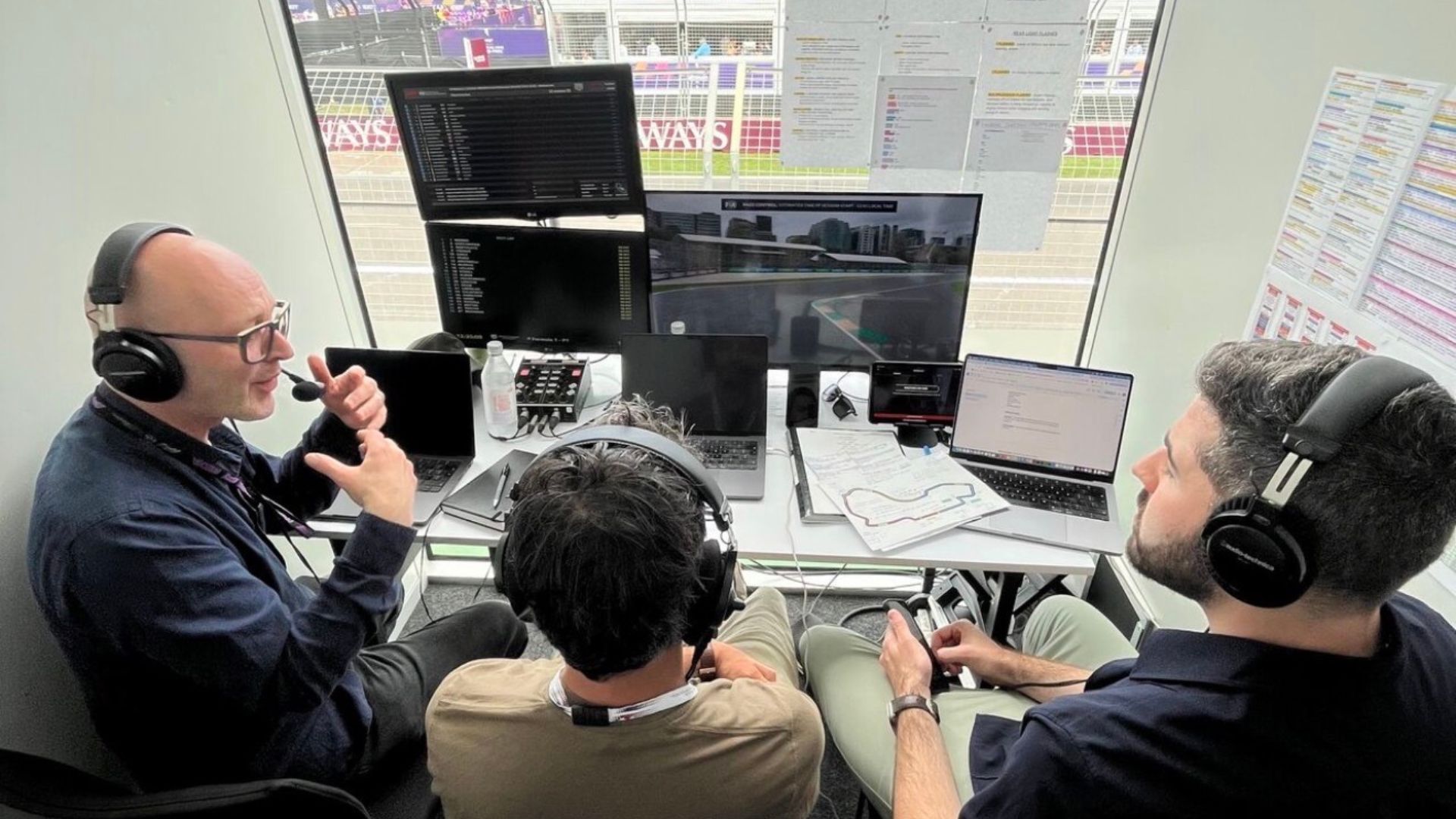
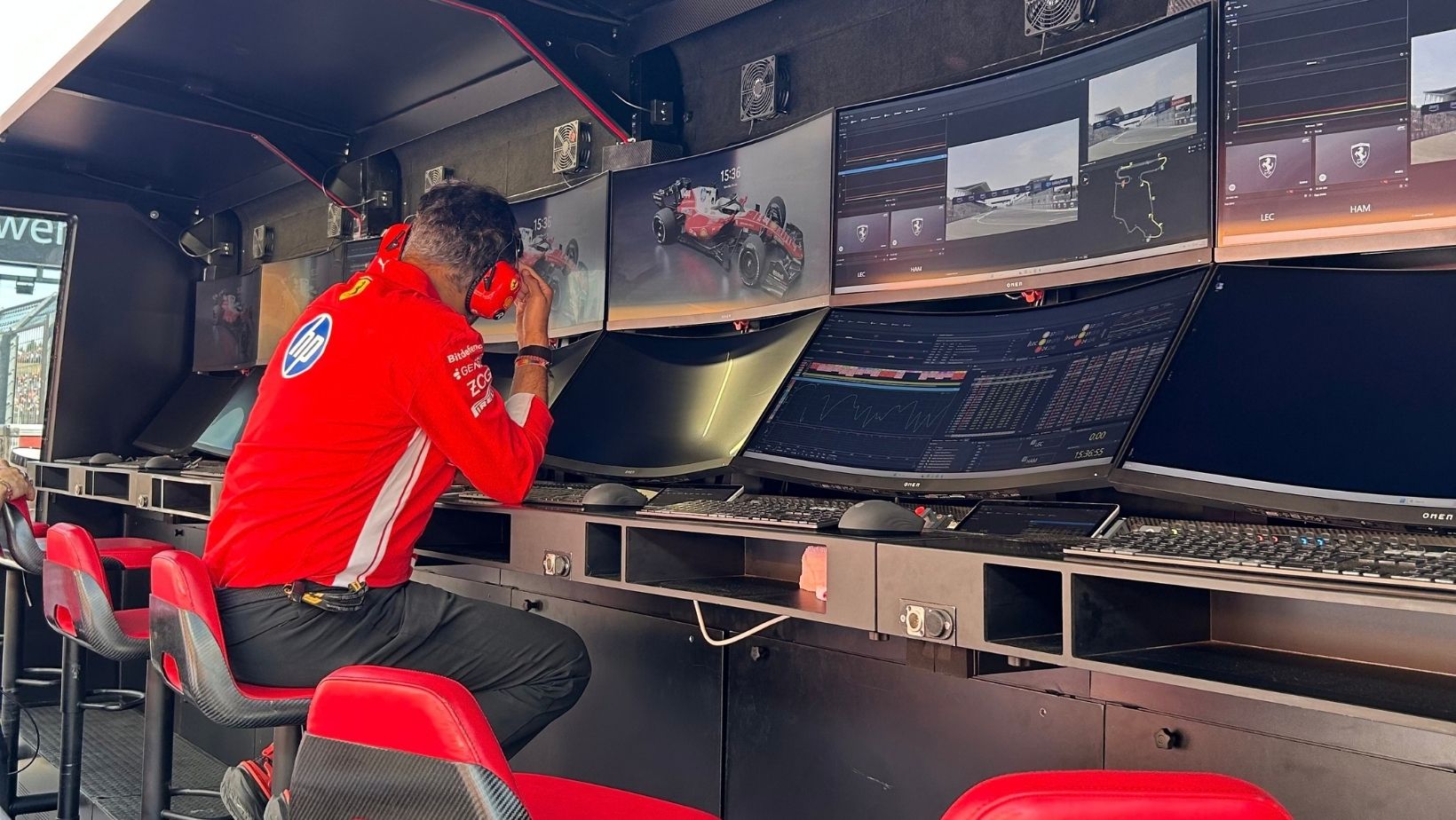
Inside the commentary box, Harry is joined by former F1 mechanic Marc Priestley and BBC's Andrew Benson

One of the interesting talking points emerging after Melbourne has been the split in opinion around Formula 1’s new technical regulations. Some believe the balance between electrical deployment and traditional power delivery has shifted too far. Others argue it represents an important step in the sport’s technological evolution and road relevancy.

What’s fascinating about that debate is how long the timeline really is. These regulations weren’t drawn up last winter. Many of the baseline decisions shaping the current cars were made years ago, following long discussions between teams, governing bodies and manufacturers. At the time, they reflected the priorities and expectations of that moment.

But the reality in any complex system is that the world rarely stays still while those decisions are being implemented. Just look at the ongoing conflict in the Middle East.

Markets shift. External pressures change. Technology evolves faster than expected. And occasionally the outcomes don’t look exactly like the original plans.

That doesn’t necessarily mean the original decisions were wrong. It simply means circumstances have changed.

Formula 1 is now in this phase. The sport is being critiqued, quite rightly, on decisions taken years ago. But its reputation will ultimately be shaped by what it does next. Adjustments, refinements and responses are part of any high-performance ecosystem.

Strategic decisions are often made long before their consequences fully materialise. You commit to a certain direction based on the best information available at the time. But when circumstances change, clinging rigidly to the original blueprint can be more damaging than adapting it.

What matters most is the response.

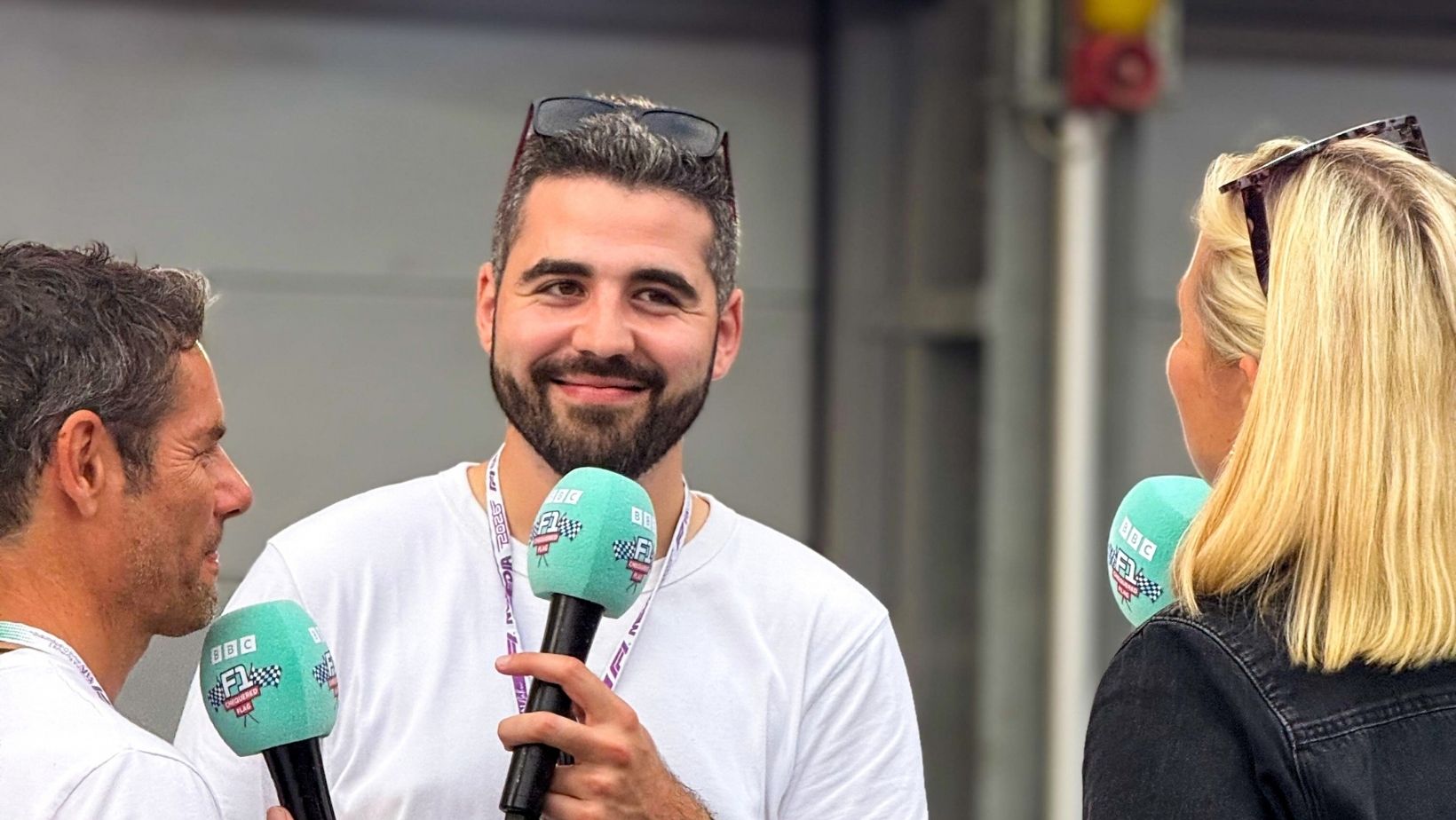
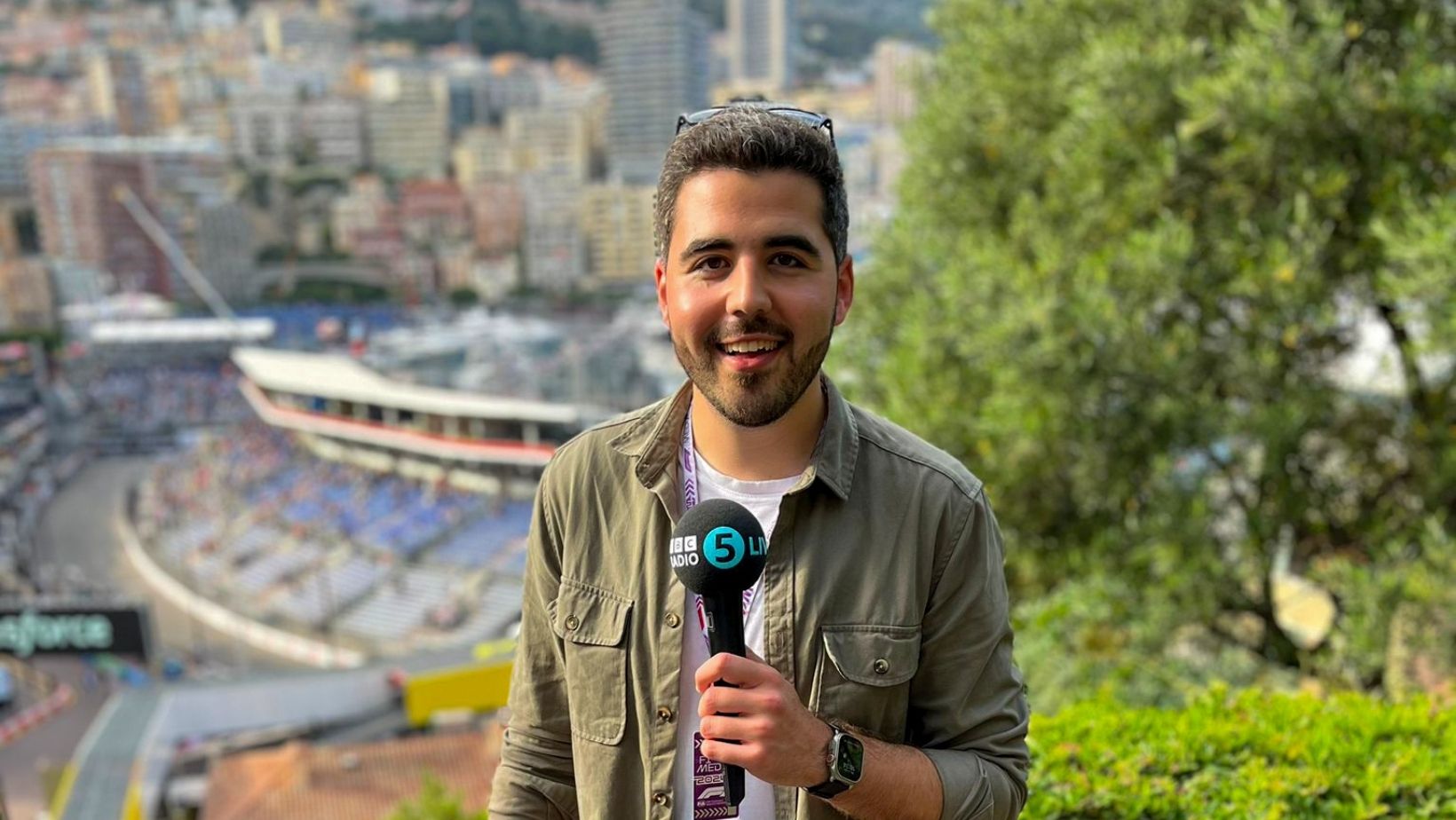
Harry wrapping up an exciting and interesting Melbourne weekend on the BBC's F1 Chequered Flag podcast

Heading into China, that’s the mindset I’m taking back into the commentary box. Melbourne offered us a teaser, not the final outcome. The job now is to incorporate those lessons, adjust the framework and keep an open mind.

In F1, whilst the first decision is crucial, it rarely becomes the final result. It’s the sequence of decisions that follow it.

And the next one always arrives faster than you think.

<< All articles

F1’s new era is being judged, but the real test is how the sport adapts

Introduction

After the opening race in Melbourne, the Formula One season quickly shifts into its next phase with a rapid turnaround before the next round in Shanghai. For Harry Benjamin, the pace mirrors the sport itself, analysing the first real data from race conditions, recalibrating expectations and preparing for the added complexity of the season’s first Sprint weekend.

In Part 2 of Behind the Mic: Performance Under Pressure, the focus moves from preseason preparation to real-time adaptation, as the early narrative of the year begins to take shape in Formula One.

With debate already building around Formula 1’s latest technical regulations, this chapter explores a bigger question facing the sport. Many of the decisions shaping today’s cars were made years ago, long before they appeared on track. As the season unfolds, the real test is not simply those original choices, but how quickly the sport, and everyone around it, can adjust, respond and refine when the reality begins to look different from the plan.

Over to you Harry!

As a new era begins, Harry interviews Nico Hulkenburg as his new Audi F1 team joins the grid for the 2026 season

Part 2: F1’s new era is being judged, but the real test is how the sport adapts

With Australia and China back-to-back at the start of the season, there isn’t much time to linger. I landed back in the UK on Tuesday afternoon after travelling home via Shanghai, still half operating on Melbourne time, and within a few hours it was straight back into preparation mode. This weekend's race coverage comes from a studio in London.

Rhythm is something the sport demands from everyone involved. The race itself might last a couple of hours, but the learning cycle around it begins almost immediately afterwards.

Australia was the first real data point of the season. Testing offers clues, but the opening race is where the sport starts to reveal itself properly. Drivers discover where the limits really are. Teams begin to understand how their winter assumptions hold up under competitive pressure. And commentators, like everyone else in the paddock, start adjusting their expectations.

The days after Melbourne were spent doing exactly that. Watching back the race, looking at how drivers handled the new energy deployment demands and where the pressure points emerged.

Shanghai hosts the first Sprint weekend of the year. A Sprint format compresses everything. Less practice, less time for teams to adjust setups, fewer chances to correct mistakes. From a commentary perspective it changes the preparation too. You have to anticipate a wider range of scenarios, because the margins for teams to fix things shrink dramatically.

The job is the same. You still need to make good decisions, you just have less time and fewer rehearsal opportunities.

Inside the commentary box, Harry is joined by former F1 mechanic Marc Priestley and BBC's Andrew Benson

One of the interesting talking points emerging after Melbourne has been the split in opinion around Formula 1’s new technical regulations. Some believe the balance between electrical deployment and traditional power delivery has shifted too far. Others argue it represents an important step in the sport’s technological evolution and road relevancy.

What’s fascinating about that debate is how long the timeline really is. These regulations weren’t drawn up last winter. Many of the baseline decisions shaping the current cars were made years ago, following long discussions between teams, governing bodies and manufacturers. At the time, they reflected the priorities and expectations of that moment.

But the reality in any complex system is that the world rarely stays still while those decisions are being implemented. Just look at the ongoing conflict in the Middle East.

Markets shift. External pressures change. Technology evolves faster than expected. And occasionally the outcomes don’t look exactly like the original plans.

That doesn’t necessarily mean the original decisions were wrong. It simply means circumstances have changed.

Formula 1 is now in this phase. The sport is being critiqued, quite rightly, on decisions taken years ago. But its reputation will ultimately be shaped by what it does next. Adjustments, refinements and responses are part of any high-performance ecosystem.

Strategic decisions are often made long before their consequences fully materialise. You commit to a certain direction based on the best information available at the time. But when circumstances change, clinging rigidly to the original blueprint can be more damaging than adapting it.

What matters most is the response.

Harry wrapping up an exciting and interesting Melbourne weekend on the BBC's F1 Chequered Flag podcast

Heading into China, that’s the mindset I’m taking back into the commentary box. Melbourne offered us a teaser, not the final outcome. The job now is to incorporate those lessons, adjust the framework and keep an open mind.

In F1, whilst the first decision is crucial, it rarely becomes the final result. It’s the sequence of decisions that follow it.

And the next one always arrives faster than you think.