

When did we stop doing things just for the fun of it?
Last weekend, I drove to Le Mans in a Citroën 2CV. Not in a modern GT car. Not in something comfortable. Not even with Sat Nav.
A tiny, slow, occasionally questionable French icon… navigating entirely by waypoints.
However, I was somewhere in rural France, slightly lost and travelling at approximately the speed of continental drift, when the organiser said something that’s stuck with me all week:
“Adults don’t really do things just for the fun of it anymore.”
He’s spot on.
As children, we instinctively seek adventure. We build things, race things, climb things, explore things and usually do all of it with absolutely no strategic value whatsoever.
Then somewhere along the way, life becomes optimised.
Efficient.
Productive.
Commercial.
Measured.
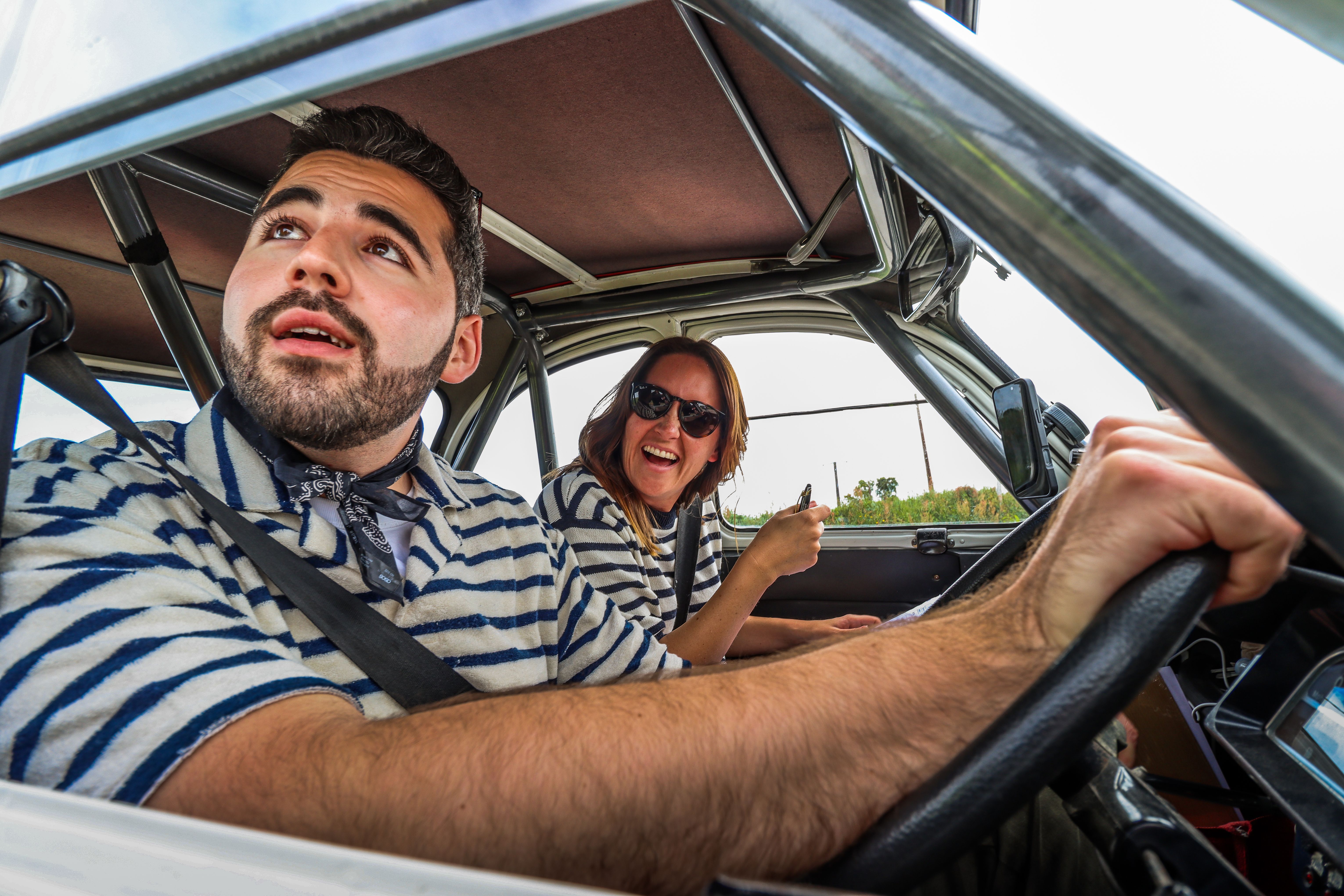
Even our hobbies often become goals to complete rather than experiences to enjoy. Which is partly why the whole trip felt strangely refreshing. Nobody was doing it because it made sense. The cars were slow. The route was inefficient.The weather occasionally questionable. Half the field looked one mechanical issue away from an international recovery operation.
But everyone was smiling.
And perhaps that’s because motorsport, at its best, has always understood something business sometimes forgets. People connect emotionally to passion long before they connect logically to performance. That applies whether you’re driving a 2cv through France or running a Formula 1 team.
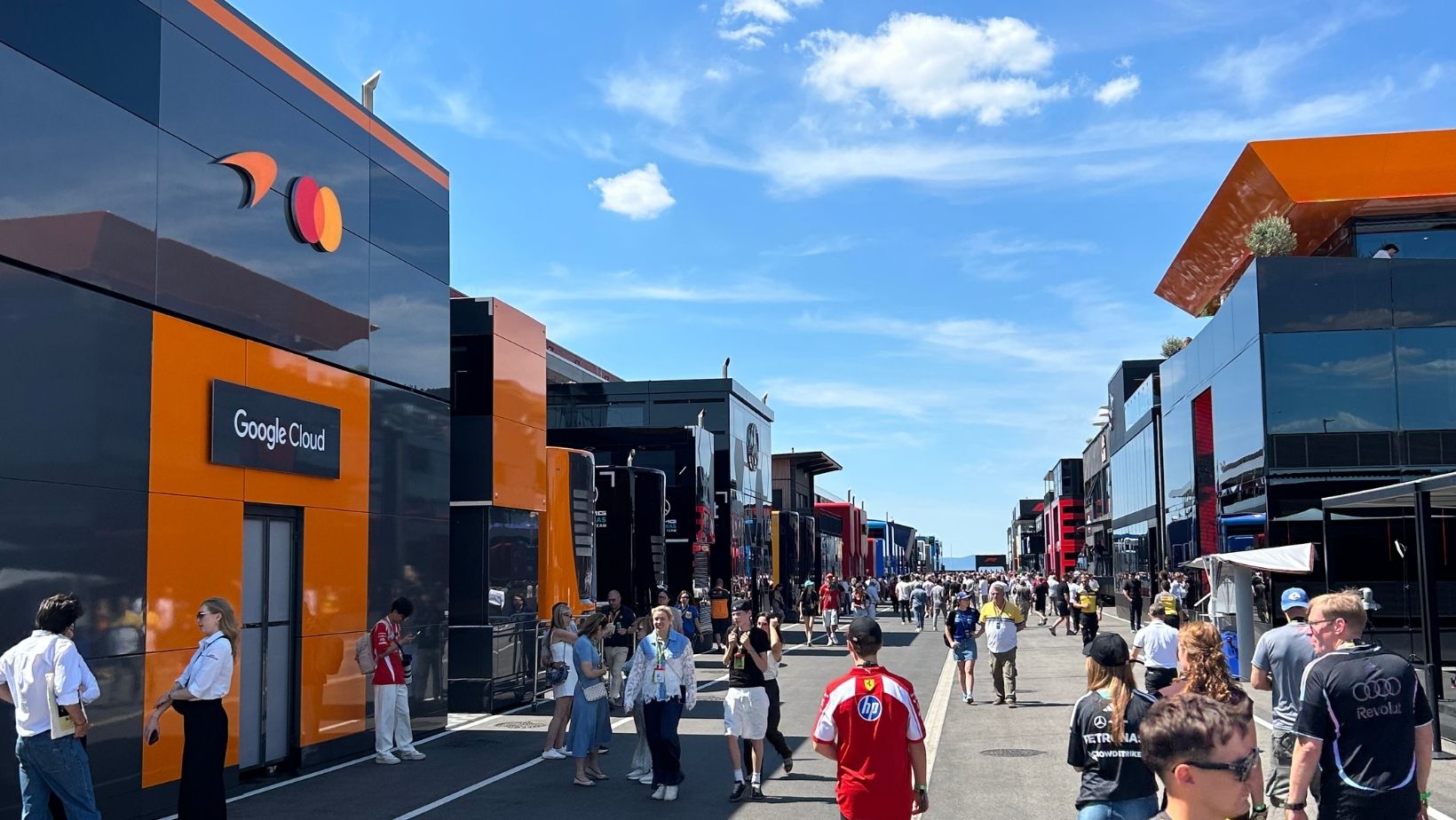
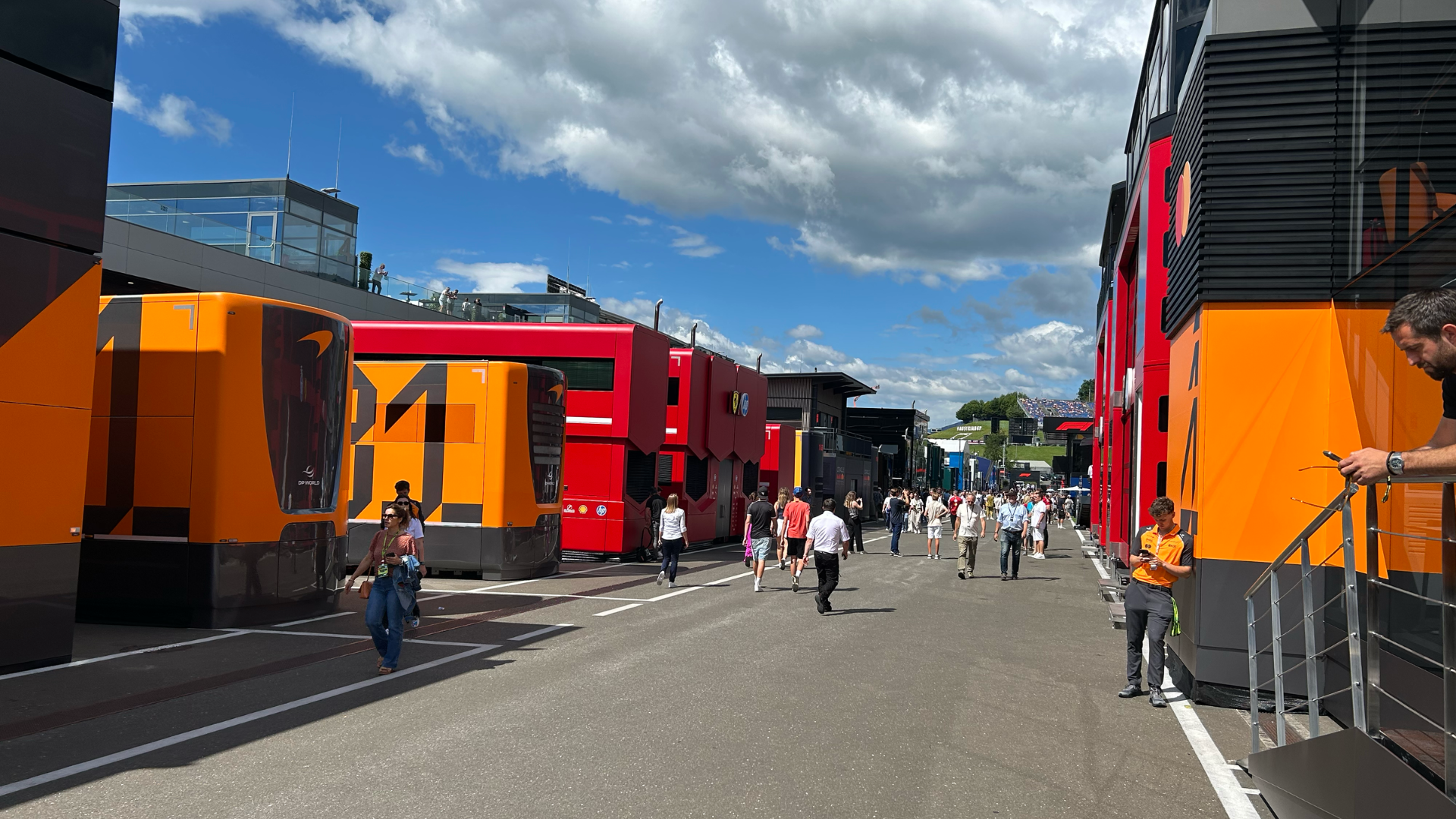
Take McLaren right now. Yes, the data matters, the simulation matters and the infrastructure matters, but underneath all the technology and engineering, the reason Formula 1 resonates with people is because it still manages to tap into something emotional.
There’s excitement, adventure and competition. Not to mention risk and a feeling of identity or belonging. Canada this weekend is actually a perfect example of that.
The Circuit Gilles Villeneuve isn’t loved because it’s clinically perfect. It’s loved because it feels alive. Walls inches from the circuit with drivers attacking kerbs, braking heavily with the prospect of safety cars lurking and brilliance or disaster at almost every corner.
It’s chaotic, unpredictable and most of all human.
In business, I sometimes think we spend too much time trying to eliminate exactly those things. Every process must be optimised. Every risk assessed. Every decision is justified and every moment must be productive.
Yet some of the best ideas, opportunities and relationships often come from things that started with no obvious value at all. It could be a simple conversation or a side project. That random trip or indeed a slightly ridiculous idea involving a Citroen 2cv and a map!
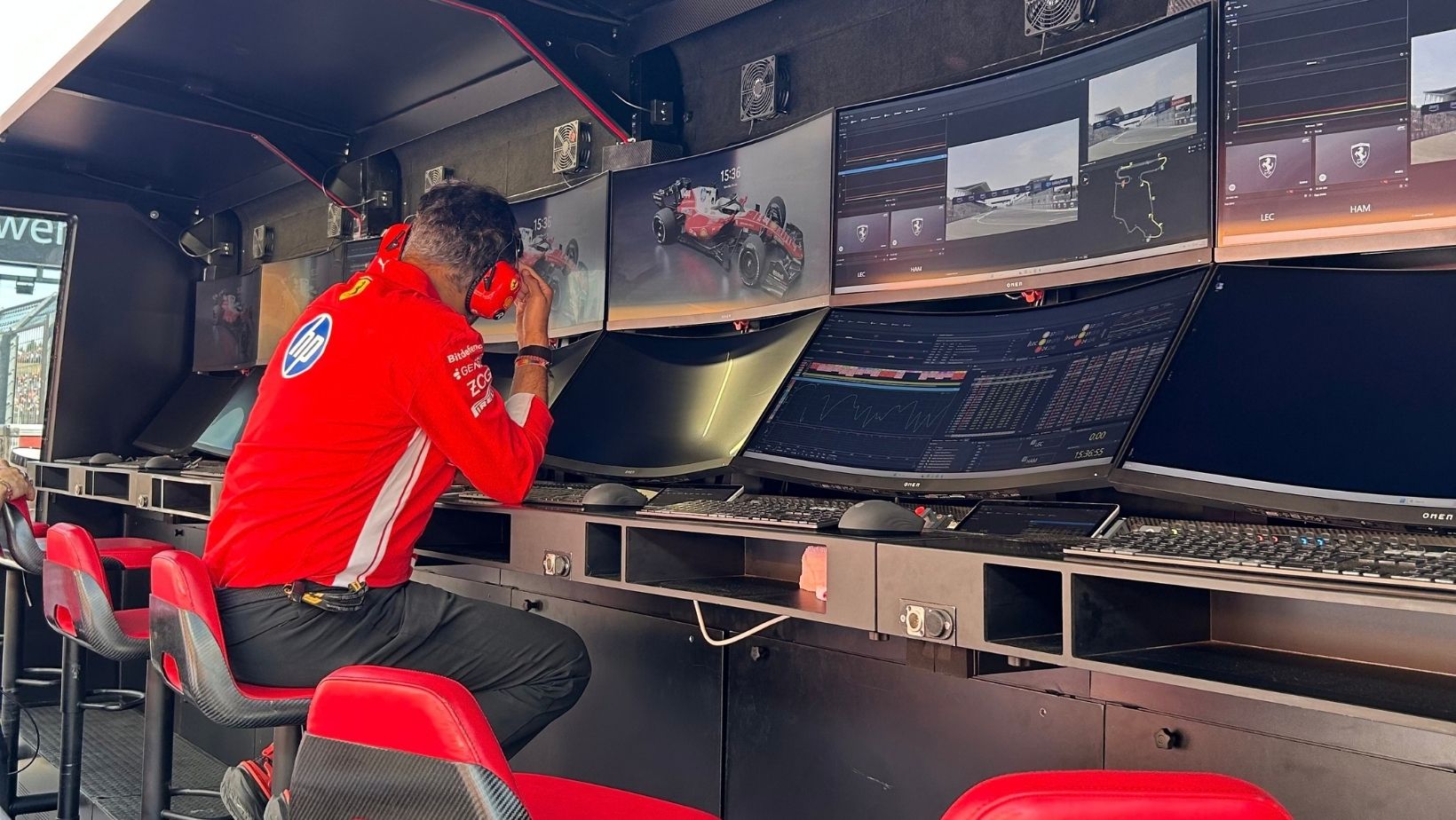
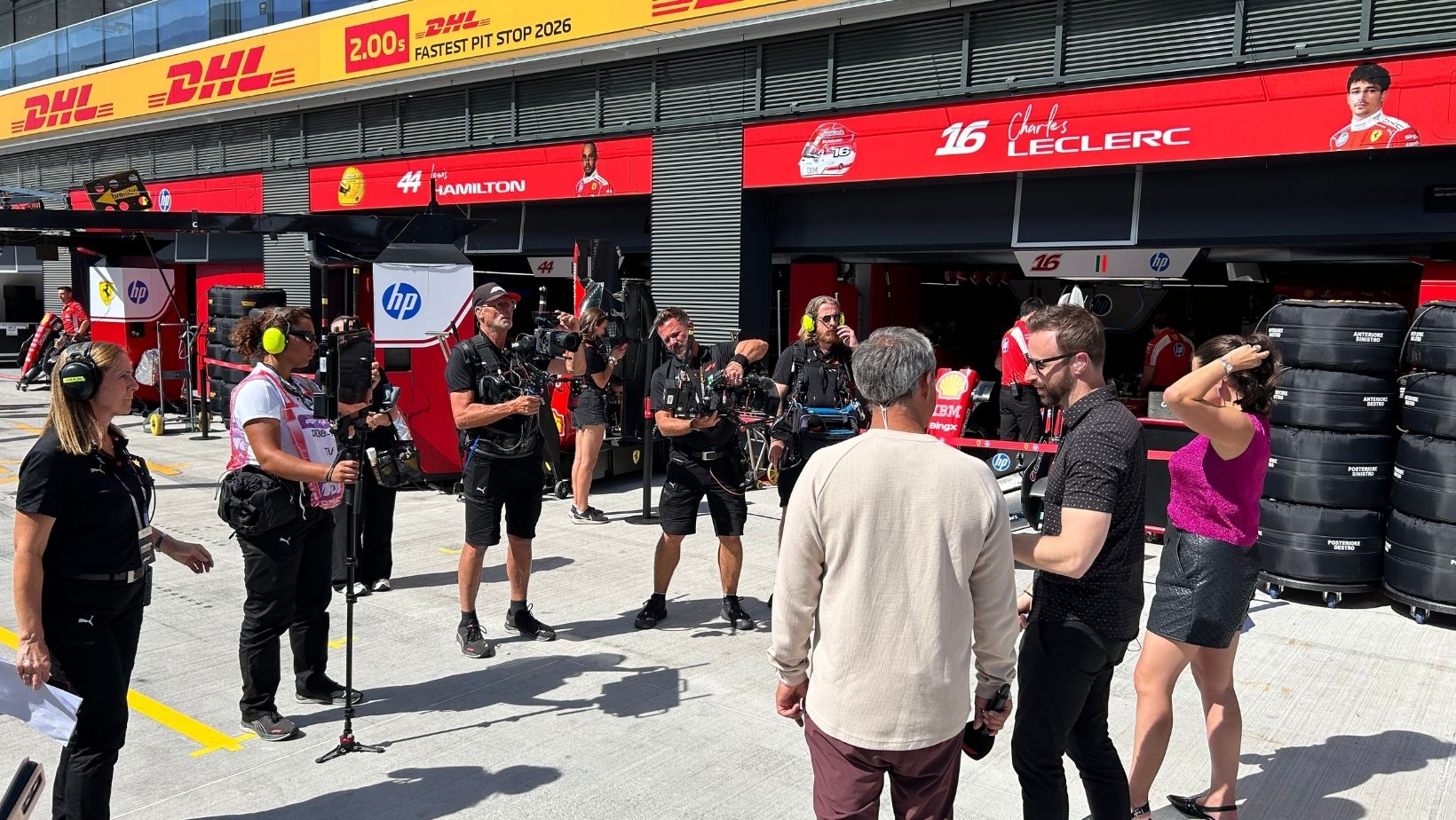
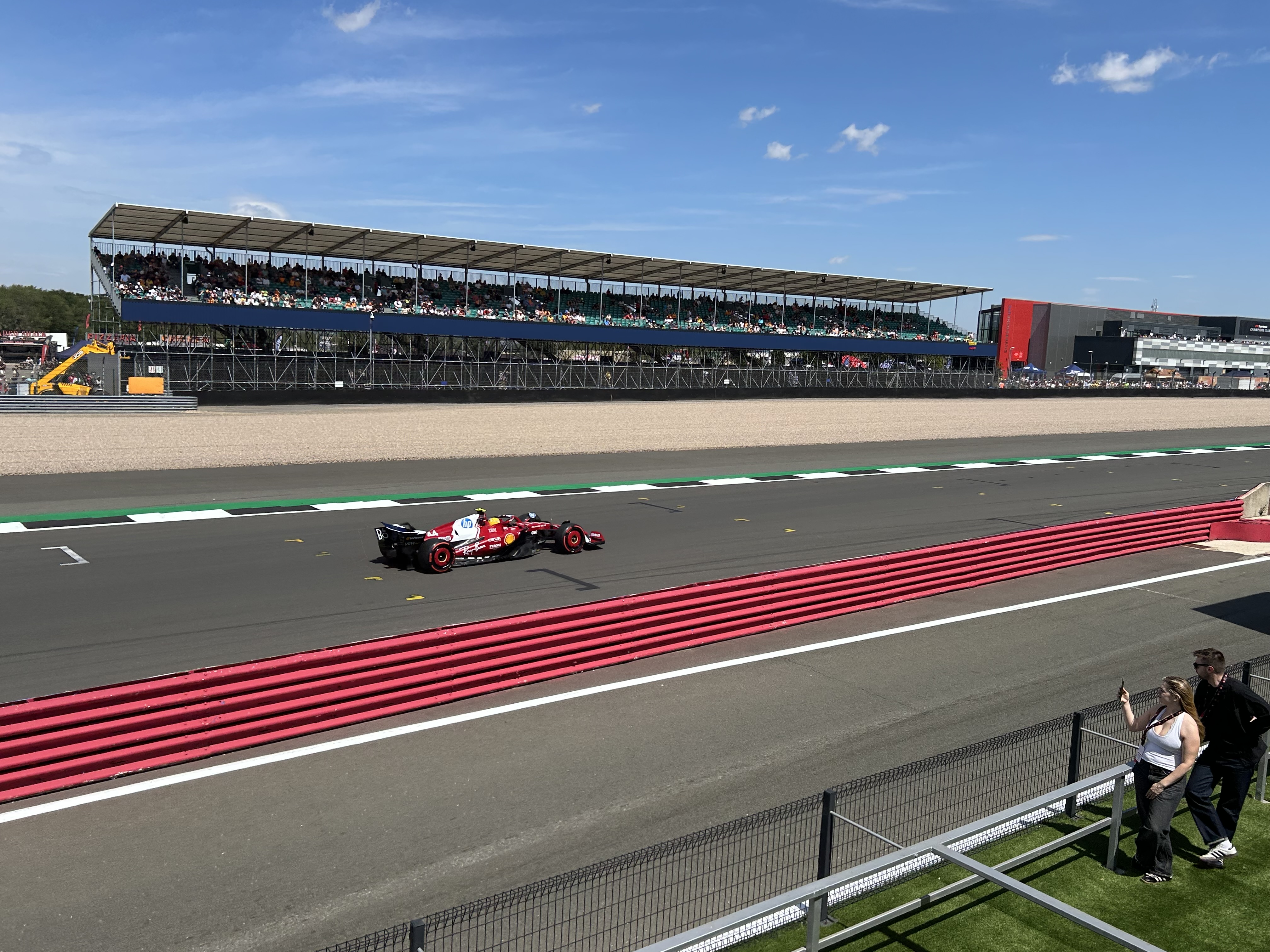
Even in Formula 1, the teams that often move fastest are the ones willing to experiment. Ferrari’s more aggressive technical philosophy this year is a good example. “Macarena” wings, unusual aero concepts and increasingly bold design ideas suggest a team less afraid of failure than in previous years.
That’s because creativity rarely appears in environments obsessed purely with efficiency. That doesn’t mean structure and planning aren’t important. They absolutely are. Although, perhaps the best teams, and people, leave some room for curiosity too; for doing things simply because they might be interesting.
While driving across France in a tiny 2cv probably wasn’t the fastest way to get to Le Mans, it may well be the most memorable.
Maybe that’s the point.





.jpeg)








.png)
.png)
.png)
.png)