Log out
<< All articles

Resilience Under Pressure: What Lewis Hamilton's Ferrari Victory Teaches Us About Bouncing Back

This post is for subscribers only

Already have an account? Log-in

<< All articles

Resilience Under Pressure: What Lewis Hamilton's Ferrari Victory Teaches Us About Bouncing Back

From criticism and self-doubt to victory in Ferrari red, Lewis Hamilton's comeback offers powerful lessons for business leaders facing their own challenges.

Over the years, through Motorsport To Business, I've had the privilege of interviewing some of the biggest names in motorsport.

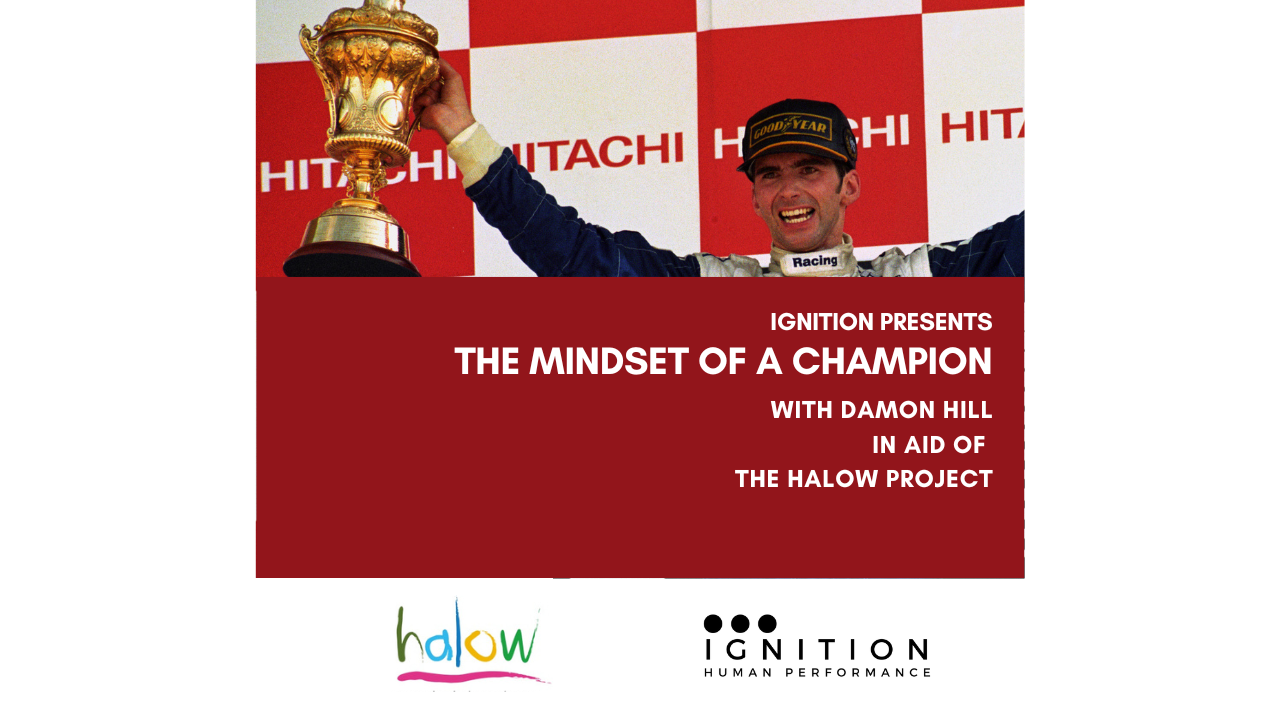
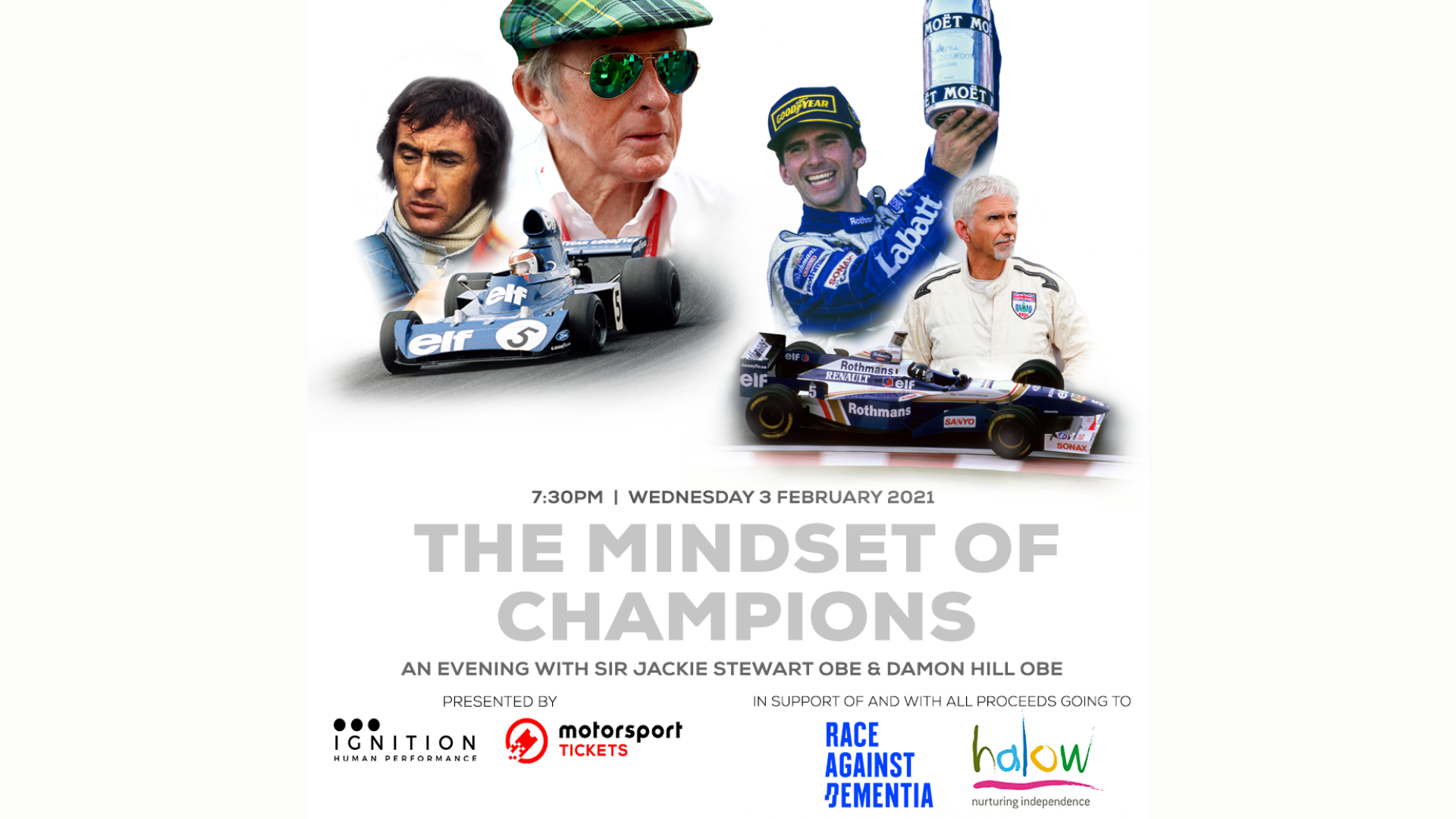
From conversations with Sir Jackie Stewart about overcoming adversity, to Damon Hill reflecting on the pressure of living up to expectations, one theme consistently emerges: elite performers are not defined by their successes alone. They are defined by how they respond when things aren't going their way.

That is why Lewis Hamilton's post-race interview with Craig Slater on the Sky Sports F1 channel following his victory for Ferrari at the Spanish Grand Prix resonated so strongly with me.

Watching the interview, it quickly became apparent that this wasn't simply a driver reflecting on a race win. It was an honest insight into how an elite performer rebuilds confidence, deals with criticism and finds the motivation to keep pushing forward when others are questioning whether his best days are behind him.

On the surface, it was a celebration of a race win. But listen closely and it was really a masterclass in resilience, self-belief and the power of having the right people around you.

Hamilton spoke openly about the difficulties of the previous season, the criticism he faced, the moments when others questioned whether he still belonged at the front of Formula One and, perhaps most importantly, how he found the strength to keep going.

For anyone leading a business, building a career or navigating a difficult period in life, there are lessons here that extend far beyond motorsport.
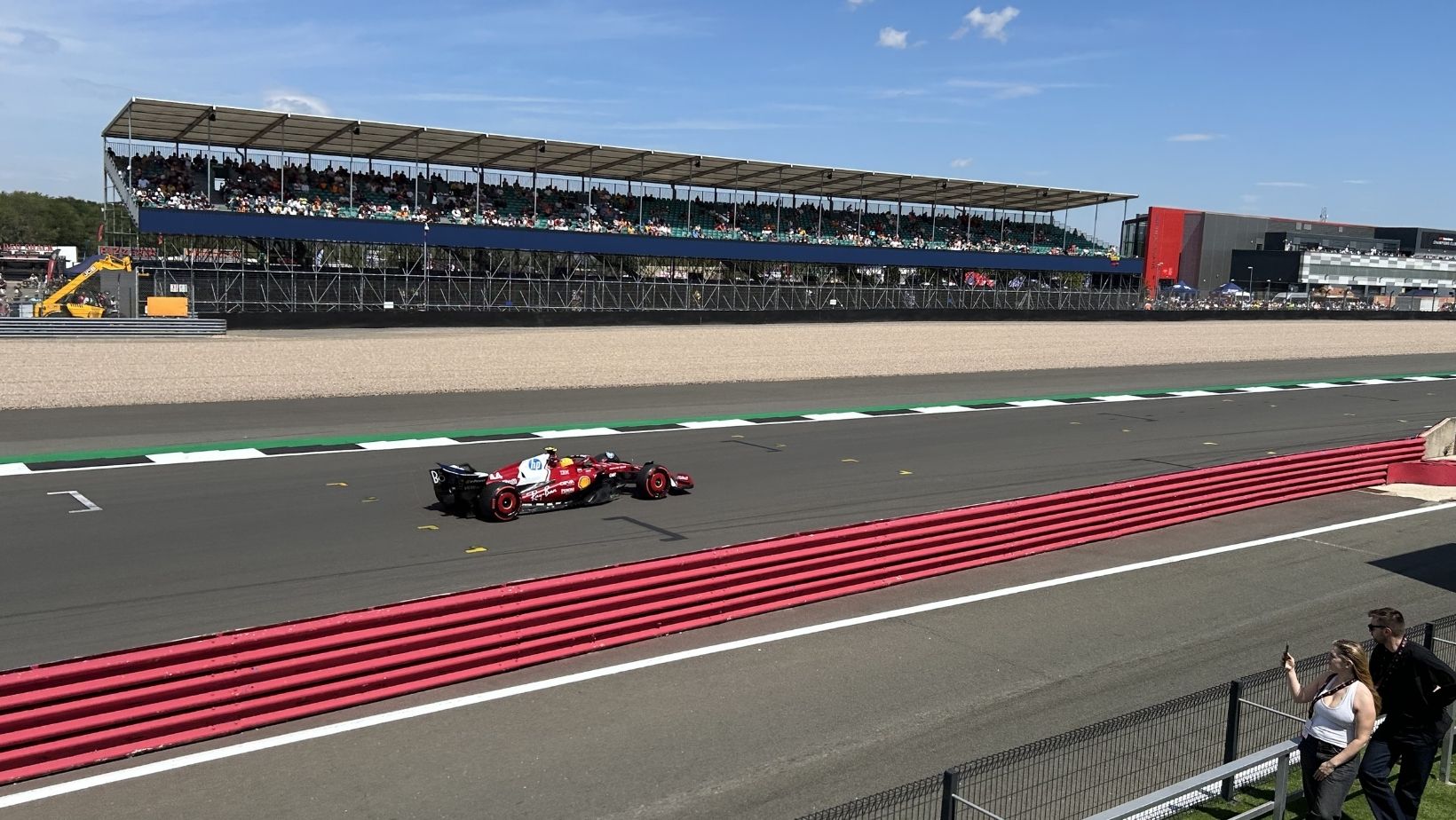
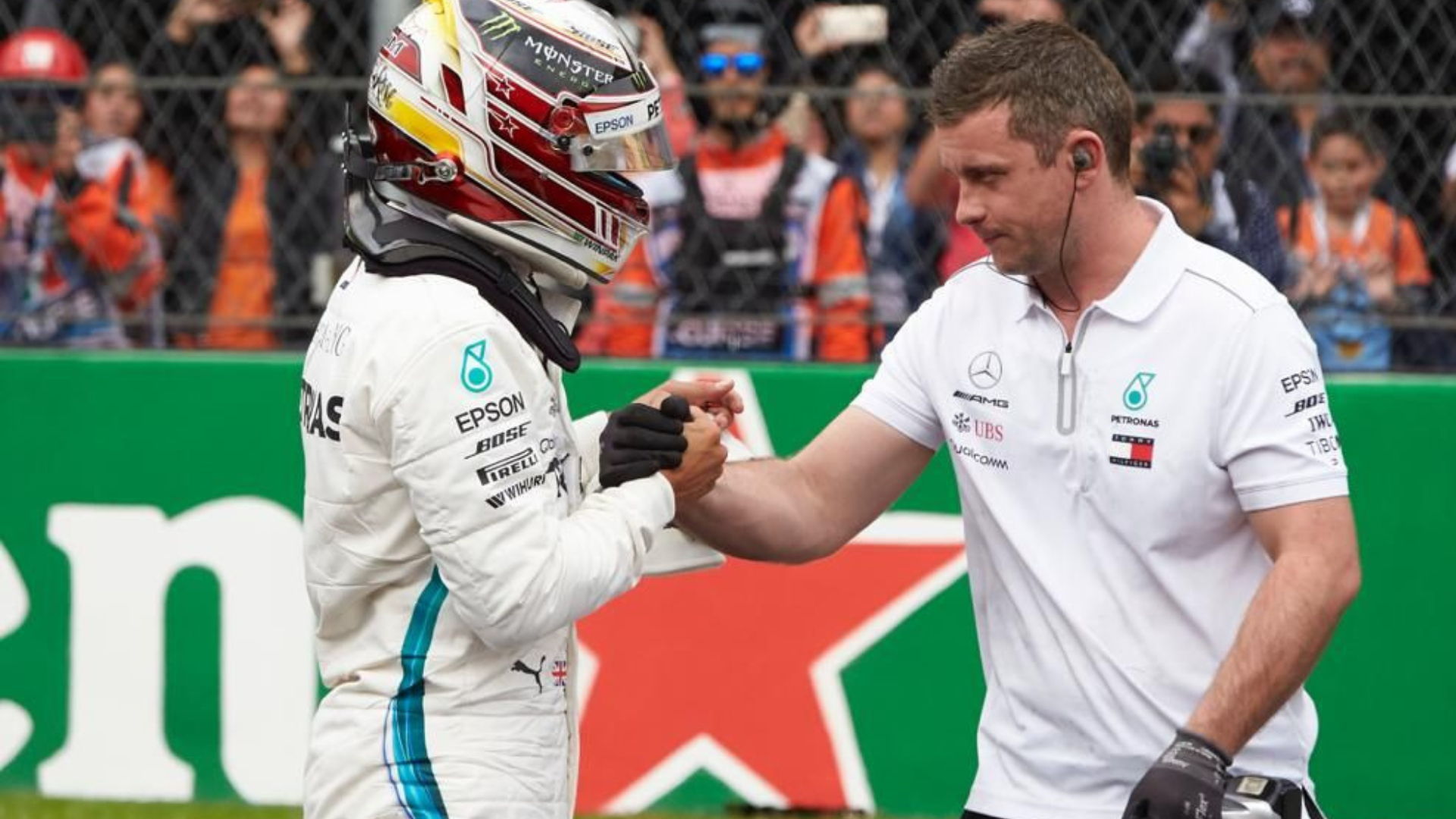
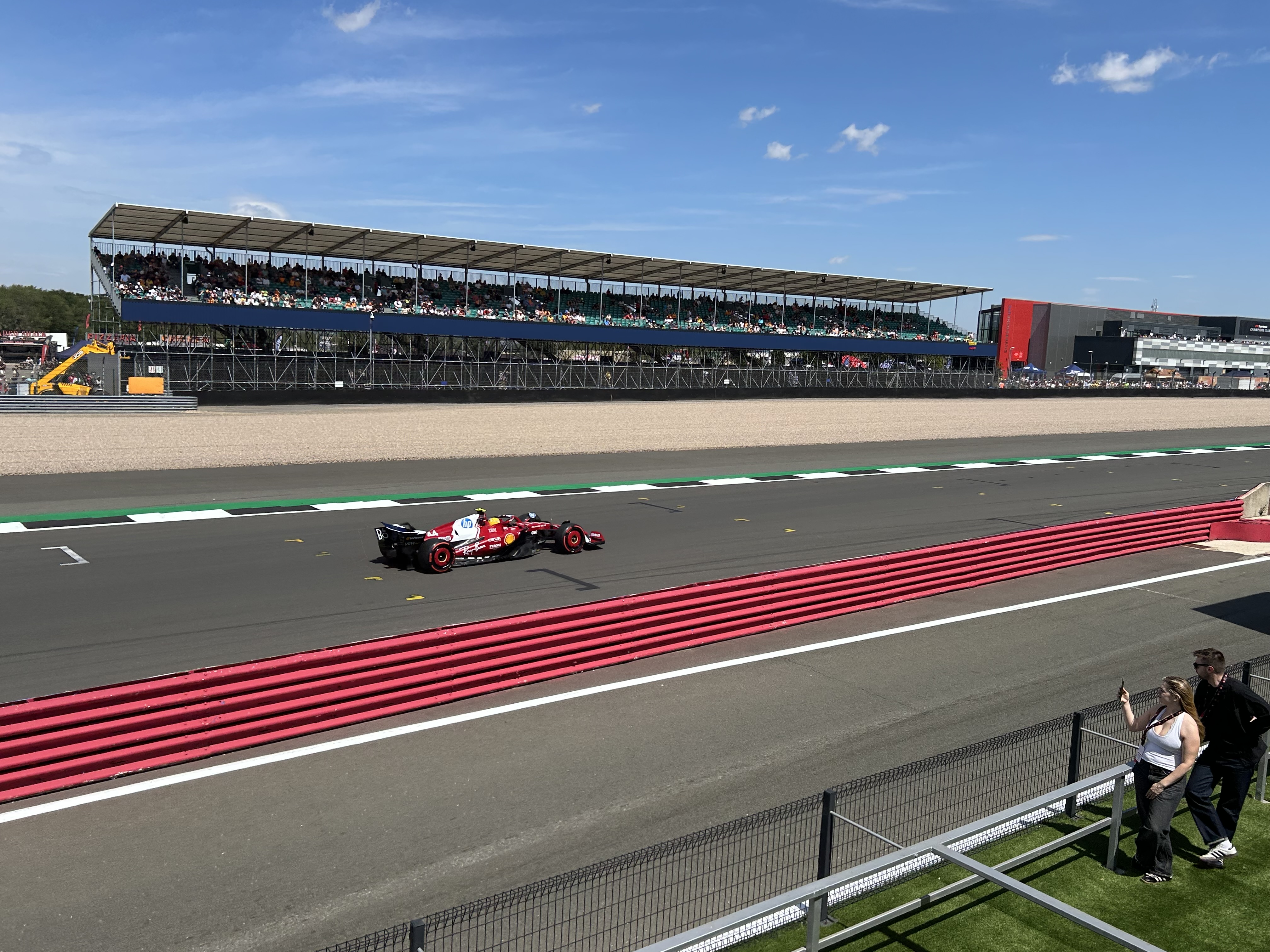
Sir Lewis Hamilton in front of his home crowd last year

The Reality of Setbacks

The 2025 Formula One season was one of the most challenging periods of Hamilton's career.

For the first time in many years, there were genuine questions about whether he could return to the front. Critics questioned his pace. Former drivers questioned whether he still had what it took. Some openly suggested retirement.

In business, setbacks rarely happen on a global stage, but they can feel just as public.

A lost client.

A failed project.

A redundancy.

A difficult year financially.

A promotion that doesn't materialise.

The challenge isn't the setback itself. It's what happens next.

Do you allow the criticism to define you?

Or do you find a way to keep moving forward?

"Don't Forget Who You Are"

One line from Hamilton's interview stood out more than any other.

He spoke about fans shouting to him during difficult moments:

"Don't forget who you are."

It's such a simple phrase, but it's incredibly powerful.

When performance drops, when confidence is shaken and when pressure builds, people often lose sight of their identity.

They become consumed by the latest result.

The latest criticism.

The latest failure.

But resilience often starts with remembering who you are before the setback occurred.

As leaders, we frequently tie our self-worth to outcomes.

A good quarter means we're successful.

A bad quarter means we're failing.

Hamilton's comments remind us that our identity cannot be built solely on results.

Results fluctuate.

Character doesn't.

The Importance of Your Support Team

Another recurring theme throughout Hamilton's interview was gratitude.

He repeatedly referenced the people around him.

His team.

His family.

His supporters.

The people who helped him through difficult moments.

In motorsport, no driver wins alone.

The same is true in business.

Behind every successful leader is a network of people providing support, challenge, perspective and encouragement.

One of the biggest mistakes professionals make during difficult periods is trying to solve everything themselves.

The strongest leaders don't isolate.

They lean on their team.

They ask for help.

They allow others to support them.

Resilience is rarely an individual achievement.

More often, it is a collective effort.

Turning Negativity Into Fuel

Hamilton also addressed criticism directly.

"I often use that as fuel."

This is a trait we see repeatedly in elite performers.

They don't ignore criticism.

They don't become consumed by it.

They channel it.

The key difference is that they remain in control of how they respond.

Many people allow negative feedback to become evidence of why they should stop.

Elite performers use it as evidence of why they should continue.

In business, competitors will doubt you.

Customers will leave.

Colleagues will question decisions.

Markets will change.

The question isn't whether criticism will arrive.

It's whether you allow it to drain your energy or direct it.

The Courage to Reinvent

Perhaps the most revealing part of Hamilton's interview was when he spoke about wanting to change aspects of the team around him and help move Ferrari's development in a different direction.

This wasn't someone celebrating and becoming comfortable.

This was someone who had won and immediately started thinking about what comes next.

Resilient people don't simply recover.

They evolve.

They learn from adversity and use it to create a better future.

Many businesses survive difficult periods but emerge unchanged.

The best organisations use setbacks as a catalyst for improvement.

They review.

They adapt.

They grow.

Hamilton's journey demonstrates that resilience isn't about returning to who you were before.

It's about becoming stronger because of what you've experienced.

The Childhood Dream

Towards the end of the interview, Hamilton spoke emotionally about watching Ferrari as a child.

He remembered seeing Michael Schumacher win in red and wondering what it would feel like to stand on that podium himself.

That image stayed with him throughout his career.

Even through the difficult moments.

Even when people doubted him.

Even when he doubted himself.

It served as a reminder of why he started.

Business leaders often lose touch with that original purpose.

The meetings replace the mission.

The targets replace the dream.

The pressure replaces the passion.

Hamilton's story is a reminder that sometimes the best way forward is to reconnect with the reason you started in the first place.

Motorsport To Business Takeaway

Resilience isn't about pretending things are easy.

It's about continuing when they aren't.

Lewis Hamilton's Ferrari victory wasn't simply a lesson in performance.

It was a lesson in belief.

Belief in yourself when others doubt you.

Belief in your team when progress feels slow.

Belief that setbacks are temporary and growth is possible.

The more time I spend speaking to world champions, team principals and leaders from within Formula One, the more I realise that resilience is rarely about talent alone. It is about perspective, support, self-awareness and the ability to keep moving forward when progress feels slow.

Lewis Hamilton's Ferrari victory reminded us that setbacks are not the end of the story. Often, they are simply the chapter that makes the ending worthwhile.

Most importantly, it was a reminder that difficult periods do not define us.

Our response to them does.

Whether you're leading a business, managing a team or navigating a personal challenge, the lesson is simple:

Don't forget who you are.

And never stop believing in what you could still become.

<< All articles

Resilience Under Pressure: What Lewis Hamilton's Ferrari Victory Teaches Us About Bouncing Back

From criticism and self-doubt to victory in Ferrari red, Lewis Hamilton's comeback offers powerful lessons for business leaders facing their own challenges.

Over the years, through Motorsport To Business, I've had the privilege of interviewing some of the biggest names in motorsport.

From conversations with Sir Jackie Stewart about overcoming adversity, to Damon Hill reflecting on the pressure of living up to expectations, one theme consistently emerges: elite performers are not defined by their successes alone. They are defined by how they respond when things aren't going their way.

That is why Lewis Hamilton's post-race interview with Craig Slater on the Sky Sports F1 channel following his victory for Ferrari at the Spanish Grand Prix resonated so strongly with me.

Watching the interview, it quickly became apparent that this wasn't simply a driver reflecting on a race win. It was an honest insight into how an elite performer rebuilds confidence, deals with criticism and finds the motivation to keep pushing forward when others are questioning whether his best days are behind him.

On the surface, it was a celebration of a race win. But listen closely and it was really a masterclass in resilience, self-belief and the power of having the right people around you.

Hamilton spoke openly about the difficulties of the previous season, the criticism he faced, the moments when others questioned whether he still belonged at the front of Formula One and, perhaps most importantly, how he found the strength to keep going.

For anyone leading a business, building a career or navigating a difficult period in life, there are lessons here that extend far beyond motorsport.

Sir Lewis Hamilton in front of his home crowd last year

The Reality of Setbacks

The 2025 Formula One season was one of the most challenging periods of Hamilton's career.

For the first time in many years, there were genuine questions about whether he could return to the front. Critics questioned his pace. Former drivers questioned whether he still had what it took. Some openly suggested retirement.

In business, setbacks rarely happen on a global stage, but they can feel just as public.

A lost client.

A failed project.

A redundancy.

A difficult year financially.

A promotion that doesn't materialise.

The challenge isn't the setback itself. It's what happens next.

Do you allow the criticism to define you?

Or do you find a way to keep moving forward?

"Don't Forget Who You Are"

One line from Hamilton's interview stood out more than any other.

He spoke about fans shouting to him during difficult moments:

"Don't forget who you are."

It's such a simple phrase, but it's incredibly powerful.

When performance drops, when confidence is shaken and when pressure builds, people often lose sight of their identity.

They become consumed by the latest result.

The latest criticism.

The latest failure.

But resilience often starts with remembering who you are before the setback occurred.

As leaders, we frequently tie our self-worth to outcomes.

A good quarter means we're successful.

A bad quarter means we're failing.

Hamilton's comments remind us that our identity cannot be built solely on results.

Results fluctuate.

Character doesn't.

The Importance of Your Support Team

Another recurring theme throughout Hamilton's interview was gratitude.

He repeatedly referenced the people around him.

His team.

His family.

His supporters.

The people who helped him through difficult moments.

In motorsport, no driver wins alone.

The same is true in business.

Behind every successful leader is a network of people providing support, challenge, perspective and encouragement.

One of the biggest mistakes professionals make during difficult periods is trying to solve everything themselves.

The strongest leaders don't isolate.

They lean on their team.

They ask for help.

They allow others to support them.

Resilience is rarely an individual achievement.

More often, it is a collective effort.

Turning Negativity Into Fuel

Hamilton also addressed criticism directly.

"I often use that as fuel."

This is a trait we see repeatedly in elite performers.

They don't ignore criticism.

They don't become consumed by it.

They channel it.

The key difference is that they remain in control of how they respond.

Many people allow negative feedback to become evidence of why they should stop.

Elite performers use it as evidence of why they should continue.

In business, competitors will doubt you.

Customers will leave.

Colleagues will question decisions.

Markets will change.

The question isn't whether criticism will arrive.

It's whether you allow it to drain your energy or direct it.

The Courage to Reinvent

Perhaps the most revealing part of Hamilton's interview was when he spoke about wanting to change aspects of the team around him and help move Ferrari's development in a different direction.

This wasn't someone celebrating and becoming comfortable.

This was someone who had won and immediately started thinking about what comes next.

Resilient people don't simply recover.

They evolve.

They learn from adversity and use it to create a better future.

Many businesses survive difficult periods but emerge unchanged.

The best organisations use setbacks as a catalyst for improvement.

They review.

They adapt.

They grow.

Hamilton's journey demonstrates that resilience isn't about returning to who you were before.

It's about becoming stronger because of what you've experienced.

The Childhood Dream

Towards the end of the interview, Hamilton spoke emotionally about watching Ferrari as a child.

He remembered seeing Michael Schumacher win in red and wondering what it would feel like to stand on that podium himself.

That image stayed with him throughout his career.

Even through the difficult moments.

Even when people doubted him.

Even when he doubted himself.

It served as a reminder of why he started.

Business leaders often lose touch with that original purpose.

The meetings replace the mission.

The targets replace the dream.

The pressure replaces the passion.

Hamilton's story is a reminder that sometimes the best way forward is to reconnect with the reason you started in the first place.

Motorsport To Business Takeaway

Resilience isn't about pretending things are easy.

It's about continuing when they aren't.

Lewis Hamilton's Ferrari victory wasn't simply a lesson in performance.

It was a lesson in belief.

Belief in yourself when others doubt you.

Belief in your team when progress feels slow.

Belief that setbacks are temporary and growth is possible.

The more time I spend speaking to world champions, team principals and leaders from within Formula One, the more I realise that resilience is rarely about talent alone. It is about perspective, support, self-awareness and the ability to keep moving forward when progress feels slow.

Lewis Hamilton's Ferrari victory reminded us that setbacks are not the end of the story. Often, they are simply the chapter that makes the ending worthwhile.

Most importantly, it was a reminder that difficult periods do not define us.

Our response to them does.

Whether you're leading a business, managing a team or navigating a personal challenge, the lesson is simple:

Don't forget who you are.

And never stop believing in what you could still become.