Log out
<< All articles

Goodwood Review/Belgium GP Preview: Harry Benjamin - Sometimes you just have to pull yourself together

This post is for subscribers only

Already have an account? Log-in

<< All articles

Goodwood Review/Belgium GP Preview: Harry Benjamin - Sometimes you just have to pull yourself together

There is a point during the Goodwood Festival of Speed where you stop trying to make the weekend feel normal.

You can plan it, prep it, spreadsheet it, schedule it, brief it and colour-code it if that’s your thing. But at some stage, usually when you’re sweating through a shirt, trying to get from one side of the hill to the other, realising the thing you were meant to be doing has either moved, been delayed or disappeared entirely, you have to accept the reality of it.

Goodwood is controlled chaos.

I’m still recovering from the weekend to be honest. This year felt like the biggest version I’ve ever experienced. Bigger crowds, bigger demands, more moving parts, more expectation, more heat, and more moments where everyone involved had to make a decision very quickly, usually with imperfect information and not quite enough water.

Not everything went right. It never does.

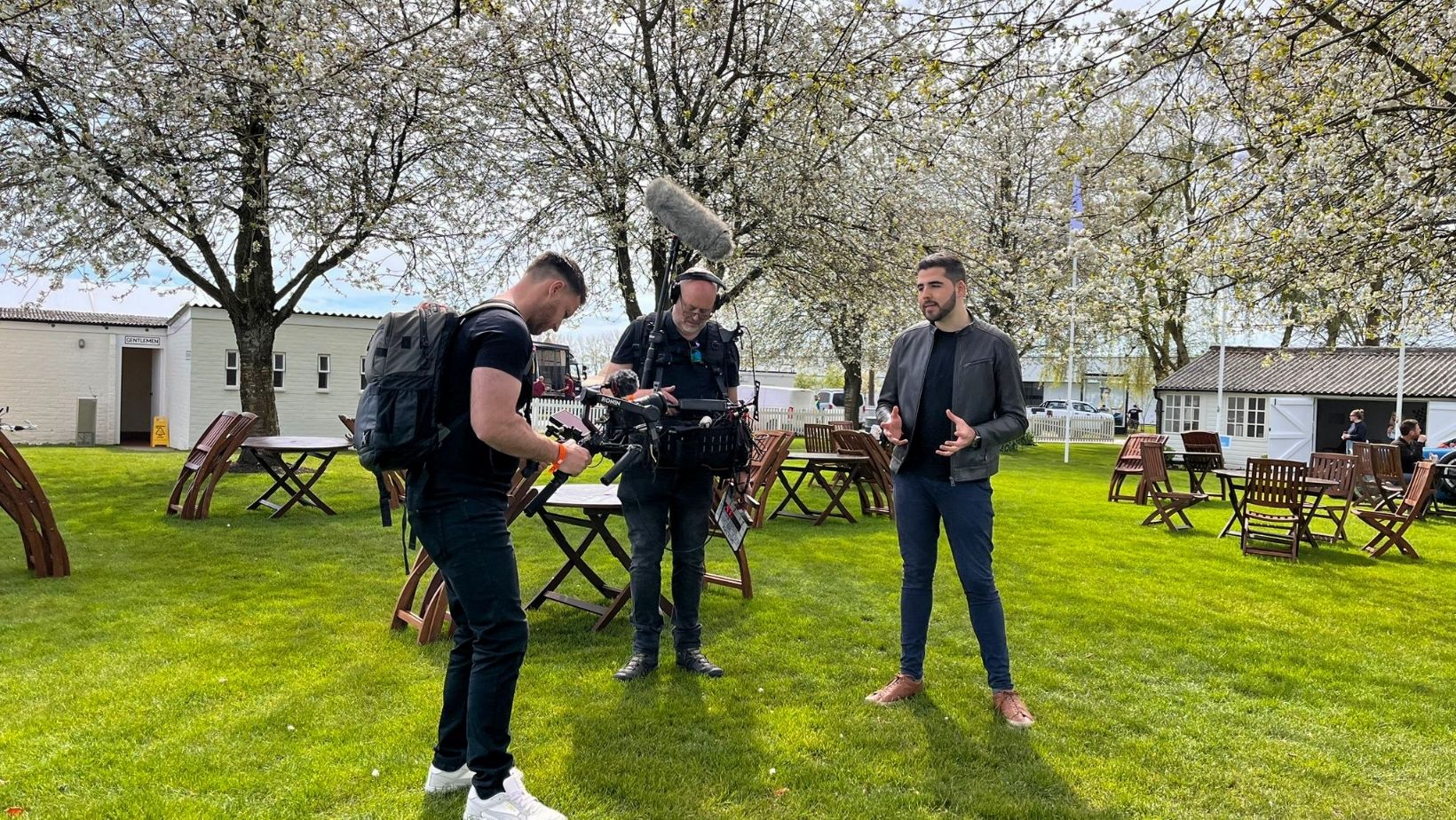
There were delays. There were cancellations. There were schedule changes. There were those slightly delirious moments where you find yourself walking with great purpose before realising you are not entirely sure where you’re going. There was also a heatwave, which added a lovely extra layer of glamour to the whole thing, by which I mean I spent large parts of the weekend profusely sweating and trying to look like a functioning broadcast professional.

But there was also a brilliant team around me. That is the bit that matters.
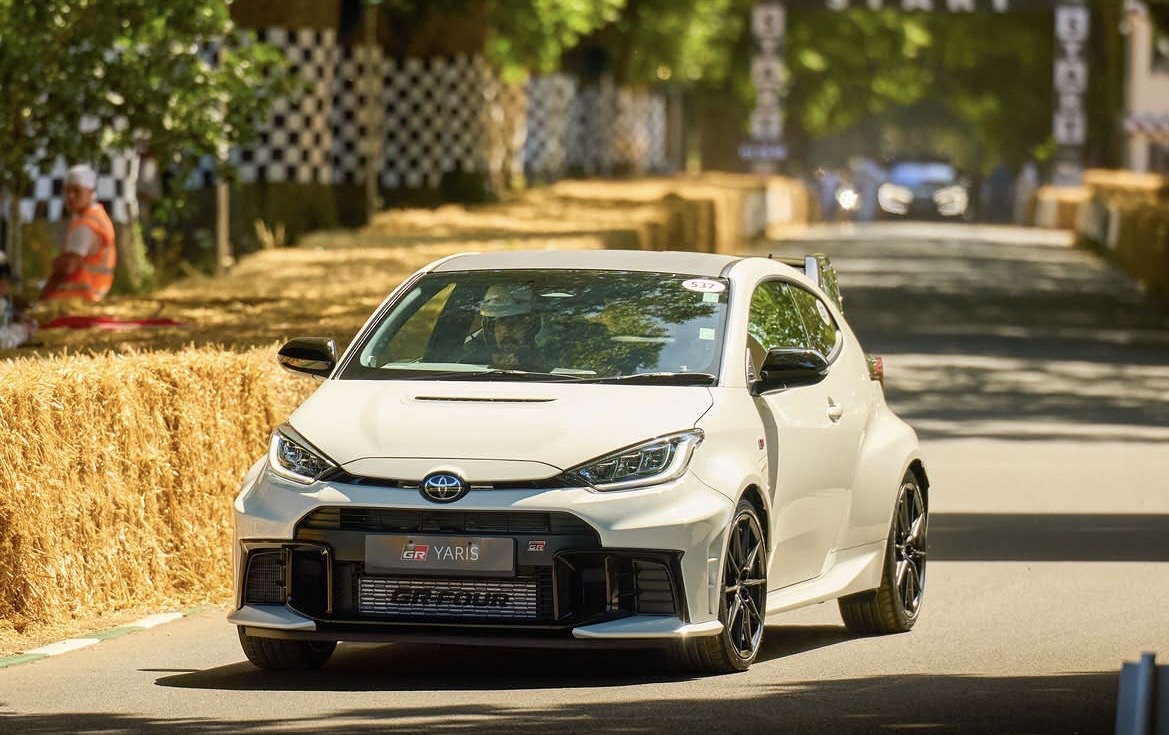
Harry driving the famous Goodwood Festival of Speed Hillclimb

When a weekend gets that intense, the quality of the people around you becomes very obvious very quickly. The ones who stay calm. The ones who solve the next problem rather than obsessing over the last one. The ones who can still laugh when the plan has collapsed for the third time that morning. The ones who understand that the job is not to make everything perfect, because that is impossible. The job is to keep the thing moving.

I’ve been thinking about that a lot this week, partly because I’ve come out of Goodwood and gone straight back into another race week, with Belgium waiting at the weekend.

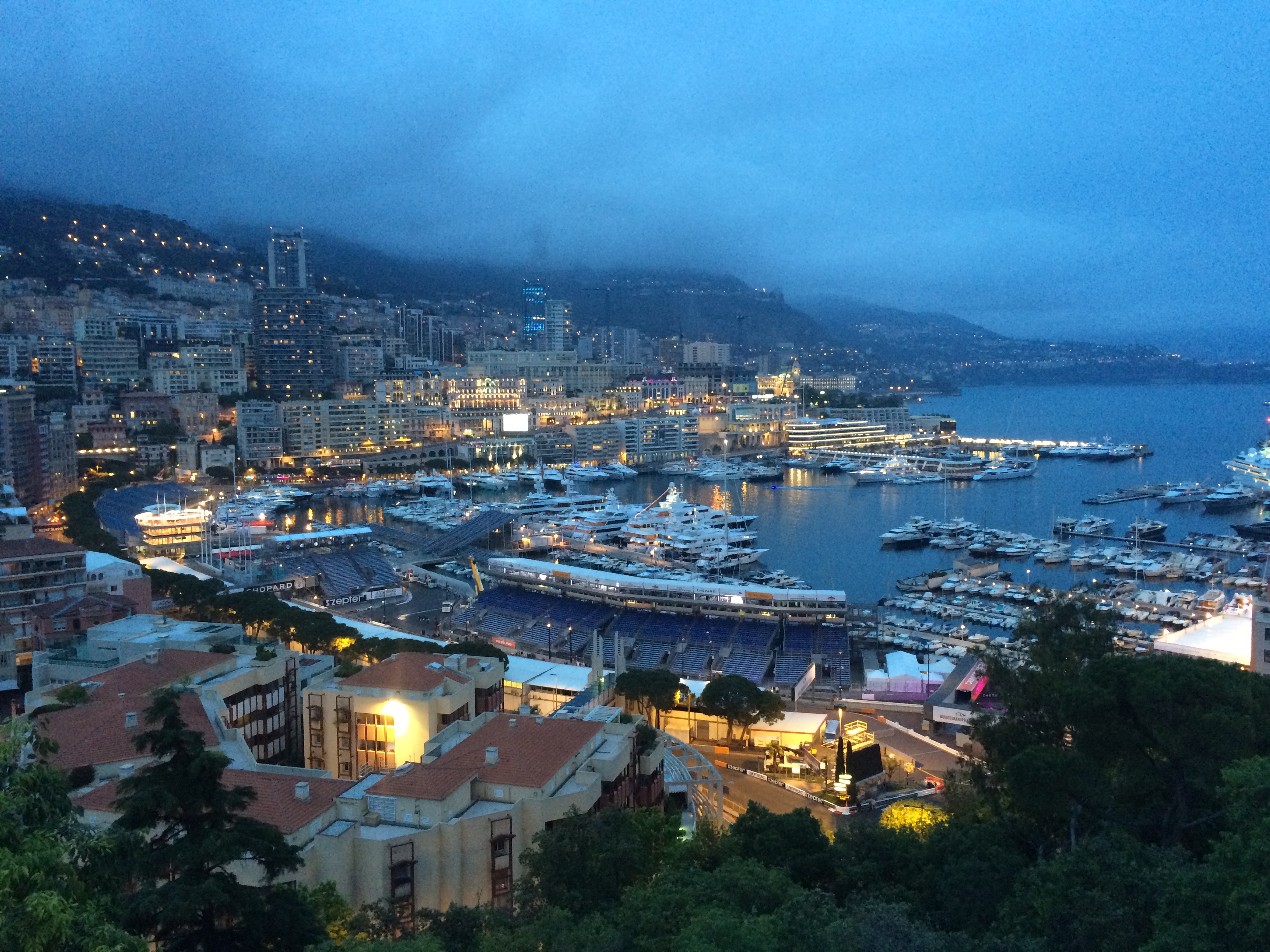
Monaco, Barcelona, Austria, Silverstone, Goodwood, Spa.

At some point, you look at the diary and realise there isn’t really time for a full emotional reset. There is just the next train, the next notes document, the next commentary brief, the next early alarm, the next “where am I meant to be now?” moment.

Then, this week, with the sad news of the death of actor Sam Neill, I saw an old interview of his being shared again. He was talking about his mother. He told a story about being at university, feeling lost and anxious before exams, and telling her he thought he was having some kind of breakdown. Her response was not especially soft, modern or wrapped in layers of emotional cushioning.

She basically said: sometimes, you just have to pull yourself together.

It sounds harsh.

It probably is harsh.

But there is something in it that I think applies to sport, business and any environment where things move quickly.

Because sometimes you do just have to pull yourself together.

Not in the sense of pretending nothing is difficult. Not in the sense of ignoring stress, bottling everything up, or telling people to get on with it when they genuinely need support. That is not the point. The point is that in high-pressure moments, panic is rarely useful. Stress might be understandable. Frustration might be justified. Exhaustion might be completely real. But if the thing is still happening, if the broadcast is still live, if the event is still running, if the team is still depending on you, then there comes a moment where you have to stop feeding the panic and start dealing with the next practical thing in front of you.

That, to me, is one of the most underrated skills in any business. The ability to stay useful.

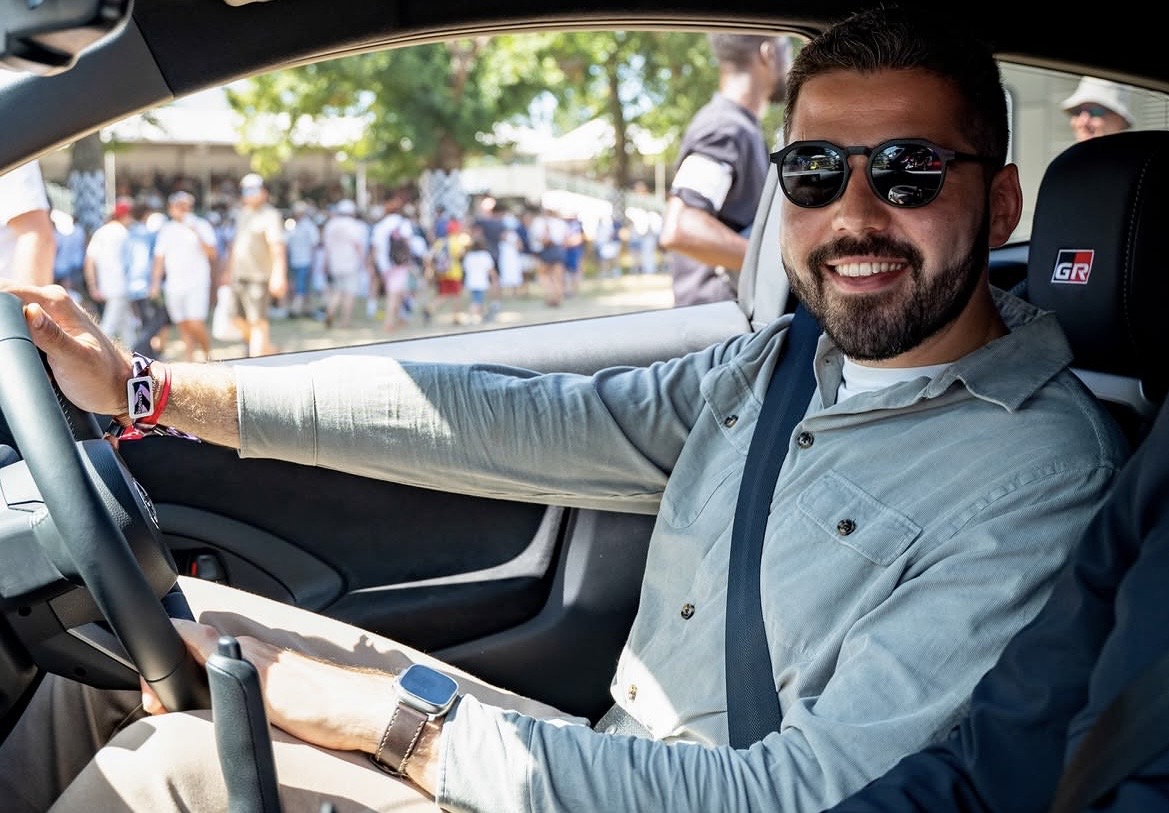
Harry and the Toyota GR Yaris he took up the Goodwood Hill

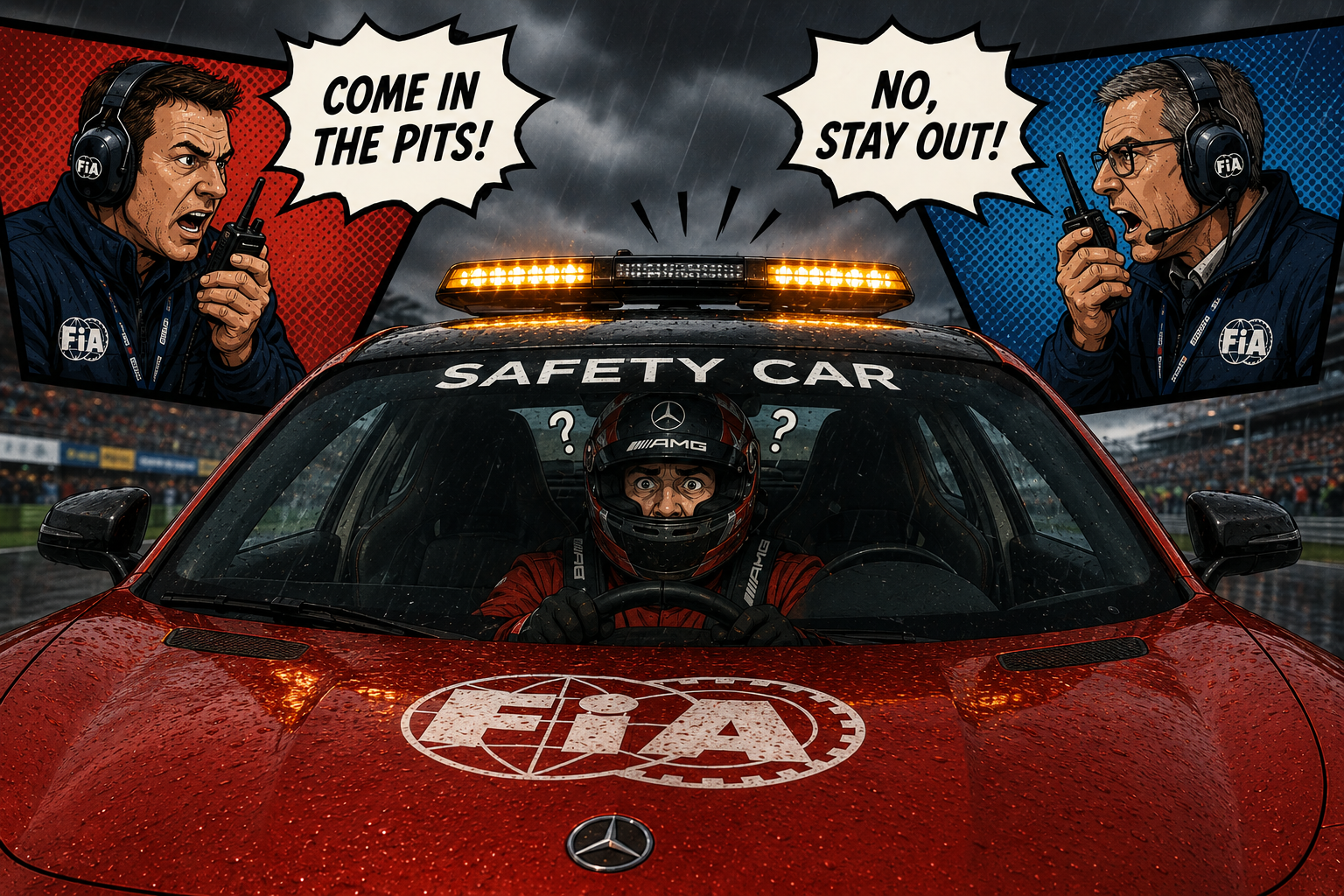
At Goodwood, that means adapting when the plan changes. In Formula 1, it might mean a team responding to rain at Spa, a safety car at the wrong time, a strategy call that suddenly needs rewriting, or a driver having to reset after a mistake. In business, it might be a client pulling out, a launch going wrong, a team member dropping out, a budget being cut, or a project becoming far more complicated than anyone admitted at the start.

The organisations that cope best are not the ones that avoid chaos completely. They are the ones that know how to behave when chaos arrives.

That is the interesting thing about the Belgian Grand Prix too. Spa has always had that quality. It is beautiful, historic, fast and dramatic, but it is also a place where the weekend can get away from you quickly. Conditions can change. Momentum can shift. One part of the circuit can feel completely different to another. The plan that looked sensible an hour ago can suddenly look very fragile.

That is where teams reveal themselves. Not just through the car, but through the way they respond. Do they get tense? Do they overreact? Do they start chasing every problem at once? Or do they stay calm enough to separate what matters from what is just noise?

The same applies away from racing. When things become difficult, there is a temptation to make the difficulty the story. To tell everyone how busy you are. How stretched you are. How ridiculous the situation is. Sometimes, to be fair, it is ridiculous.

I have absolutely done this.

There are moments during a run of work where I can feel myself wanting to narrate the chaos rather than simply deal with it. To make the stress the headline. To convince myself that because something is hard, it has become unmanageable. But most of the time, the useful answer is much less dramatic. Drink some water. Find the next person you need to speak to. Ask the right question. Make the next decision. Do the next thing.

Pull yourself together.

Again, not forever. Not as a personality trait. Not as a substitute for proper rest or proper support. But in the moment, when the job needs doing, it is a pretty powerful piece of advice.

Goodwood reminded me of that.

The weekend was huge, hot, complicated and occasionally absurd. But it worked because people kept moving, kept adapting and kept helping each other through it. Nobody had the luxury of standing still for too long and complaining that the original plan had changed. The original plan always changes.

That is true of motorsport. It is true of business. It is probably true of most careers.

You can prepare properly, and you should. You can build strong teams, and you must. You can create structures, processes and contingency plans. Eventually, something will go wrong, or at least not quite right, and the real test becomes what happens next.

This weekend at Spa, there will be plenty of that.

Teams will arrive with plans. Drivers will arrive with expectations. Engineers will arrive with simulations, strategies and carefully modelled scenarios. Then the Belgian Grand Prix will do what it tends to do, which is ask awkward questions of everyone.

The winners, in whatever form that takes, are usually the people who don’t get swallowed by the moment. They acknowledge it, adjust to it and keep going. That is probably the business lesson hidden inside a sweaty weekend at Goodwood and an old Sam Neill interview.

Sometimes the work is hard. Sometimes the plan changes. Sometimes the timing is terrible. Sometimes you’re tired, hot, stressed and not entirely sure whether you’re about to do a live hit, a commentary stint or walk confidently in the wrong direction.

But if the job still needs doing, there is only so much use in spiralling.

Sometimes, you just have to pull yourself together.
If you'd like to book Harry Benjamin for your next event, head over to MotorsportSpeakers.com

<< All articles

Goodwood Review/Belgium GP Preview: Harry Benjamin - Sometimes you just have to pull yourself together

There is a point during the Goodwood Festival of Speed where you stop trying to make the weekend feel normal.

You can plan it, prep it, spreadsheet it, schedule it, brief it and colour-code it if that’s your thing. But at some stage, usually when you’re sweating through a shirt, trying to get from one side of the hill to the other, realising the thing you were meant to be doing has either moved, been delayed or disappeared entirely, you have to accept the reality of it.

Goodwood is controlled chaos.

I’m still recovering from the weekend to be honest. This year felt like the biggest version I’ve ever experienced. Bigger crowds, bigger demands, more moving parts, more expectation, more heat, and more moments where everyone involved had to make a decision very quickly, usually with imperfect information and not quite enough water.

Not everything went right. It never does.

There were delays. There were cancellations. There were schedule changes. There were those slightly delirious moments where you find yourself walking with great purpose before realising you are not entirely sure where you’re going. There was also a heatwave, which added a lovely extra layer of glamour to the whole thing, by which I mean I spent large parts of the weekend profusely sweating and trying to look like a functioning broadcast professional.

But there was also a brilliant team around me. That is the bit that matters.

Harry driving the famous Goodwood Festival of Speed Hillclimb

When a weekend gets that intense, the quality of the people around you becomes very obvious very quickly. The ones who stay calm. The ones who solve the next problem rather than obsessing over the last one. The ones who can still laugh when the plan has collapsed for the third time that morning. The ones who understand that the job is not to make everything perfect, because that is impossible. The job is to keep the thing moving.

I’ve been thinking about that a lot this week, partly because I’ve come out of Goodwood and gone straight back into another race week, with Belgium waiting at the weekend.

Monaco, Barcelona, Austria, Silverstone, Goodwood, Spa.

At some point, you look at the diary and realise there isn’t really time for a full emotional reset. There is just the next train, the next notes document, the next commentary brief, the next early alarm, the next “where am I meant to be now?” moment.

Then, this week, with the sad news of the death of actor Sam Neill, I saw an old interview of his being shared again. He was talking about his mother. He told a story about being at university, feeling lost and anxious before exams, and telling her he thought he was having some kind of breakdown. Her response was not especially soft, modern or wrapped in layers of emotional cushioning.

She basically said: sometimes, you just have to pull yourself together.

It sounds harsh.

It probably is harsh.

But there is something in it that I think applies to sport, business and any environment where things move quickly.

Because sometimes you do just have to pull yourself together.

Not in the sense of pretending nothing is difficult. Not in the sense of ignoring stress, bottling everything up, or telling people to get on with it when they genuinely need support. That is not the point. The point is that in high-pressure moments, panic is rarely useful. Stress might be understandable. Frustration might be justified. Exhaustion might be completely real. But if the thing is still happening, if the broadcast is still live, if the event is still running, if the team is still depending on you, then there comes a moment where you have to stop feeding the panic and start dealing with the next practical thing in front of you.

That, to me, is one of the most underrated skills in any business. The ability to stay useful.

Harry and the Toyota GR Yaris he took up the Goodwood Hill

At Goodwood, that means adapting when the plan changes. In Formula 1, it might mean a team responding to rain at Spa, a safety car at the wrong time, a strategy call that suddenly needs rewriting, or a driver having to reset after a mistake. In business, it might be a client pulling out, a launch going wrong, a team member dropping out, a budget being cut, or a project becoming far more complicated than anyone admitted at the start.

The organisations that cope best are not the ones that avoid chaos completely. They are the ones that know how to behave when chaos arrives.

That is the interesting thing about the Belgian Grand Prix too. Spa has always had that quality. It is beautiful, historic, fast and dramatic, but it is also a place where the weekend can get away from you quickly. Conditions can change. Momentum can shift. One part of the circuit can feel completely different to another. The plan that looked sensible an hour ago can suddenly look very fragile.

That is where teams reveal themselves. Not just through the car, but through the way they respond. Do they get tense? Do they overreact? Do they start chasing every problem at once? Or do they stay calm enough to separate what matters from what is just noise?

The same applies away from racing. When things become difficult, there is a temptation to make the difficulty the story. To tell everyone how busy you are. How stretched you are. How ridiculous the situation is. Sometimes, to be fair, it is ridiculous.

I have absolutely done this.

There are moments during a run of work where I can feel myself wanting to narrate the chaos rather than simply deal with it. To make the stress the headline. To convince myself that because something is hard, it has become unmanageable. But most of the time, the useful answer is much less dramatic. Drink some water. Find the next person you need to speak to. Ask the right question. Make the next decision. Do the next thing.

Pull yourself together.

Again, not forever. Not as a personality trait. Not as a substitute for proper rest or proper support. But in the moment, when the job needs doing, it is a pretty powerful piece of advice.

Goodwood reminded me of that.

The weekend was huge, hot, complicated and occasionally absurd. But it worked because people kept moving, kept adapting and kept helping each other through it. Nobody had the luxury of standing still for too long and complaining that the original plan had changed. The original plan always changes.

That is true of motorsport. It is true of business. It is probably true of most careers.

You can prepare properly, and you should. You can build strong teams, and you must. You can create structures, processes and contingency plans. Eventually, something will go wrong, or at least not quite right, and the real test becomes what happens next.

This weekend at Spa, there will be plenty of that.

Teams will arrive with plans. Drivers will arrive with expectations. Engineers will arrive with simulations, strategies and carefully modelled scenarios. Then the Belgian Grand Prix will do what it tends to do, which is ask awkward questions of everyone.

The winners, in whatever form that takes, are usually the people who don’t get swallowed by the moment. They acknowledge it, adjust to it and keep going. That is probably the business lesson hidden inside a sweaty weekend at Goodwood and an old Sam Neill interview.

Sometimes the work is hard. Sometimes the plan changes. Sometimes the timing is terrible. Sometimes you’re tired, hot, stressed and not entirely sure whether you’re about to do a live hit, a commentary stint or walk confidently in the wrong direction.

But if the job still needs doing, there is only so much use in spiralling.

Sometimes, you just have to pull yourself together.

If you'd like to book Harry Benjamin for your next event, head over to MotorsportSpeakers.com