Log out
<< All articles

Working with Less - Harry Benjamin on Monaco

This post is for subscribers only

Already have an account? Log-in

<< All articles

Working with Less - Harry Benjamin on Monaco

Monaco is ridiculous. That is both its biggest criticism and probably the reason it still matters.

Even this year's modern Formula 1 cars with their reduction in size are still most likely too big for the streets. Compared to the 50s, they may as well be boats. The barriers are close, the corners are tight, overtaking is almost impossible, and every year we have the same debate about whether the race still works.

And yet, every year, Monaco still feels different. It has something most races can’t quite replicate. There’s a sparkle and a tension. Not because every driver is an inch away from wrecking their car, but because Monaco asks something completely different of you.

Most Formula 1 circuits reward power, efficiency, straight-line speed and aerodynamic performance. Monaco reduces a lot of those advantages. Power deficits matter less. Straight-line efficiency matters less. There isn’t a long flat-out section where a car can simply stretch its legs and make the difference.

Instead, Monaco rewards precision, confidence, timing and judgment.

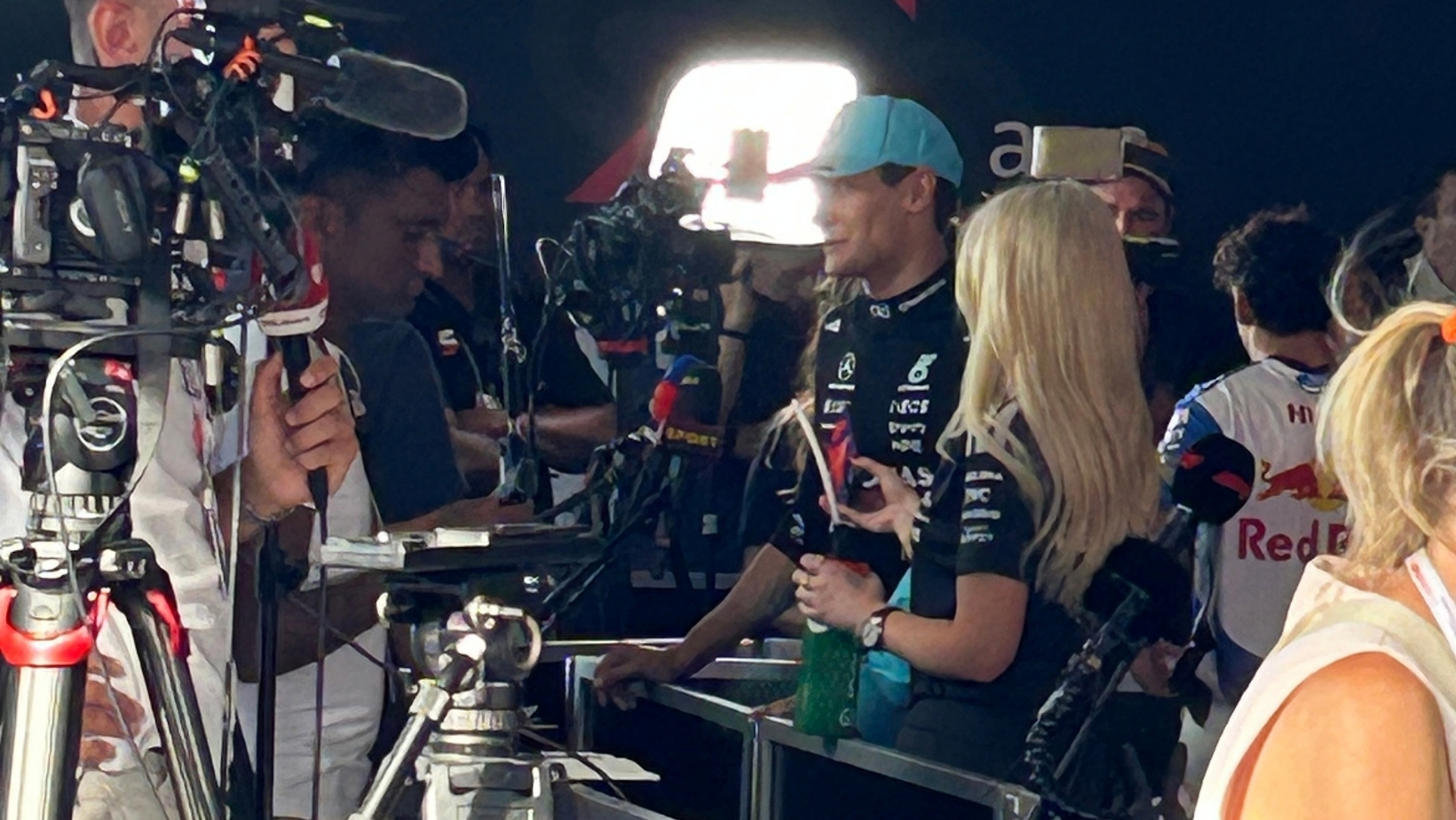
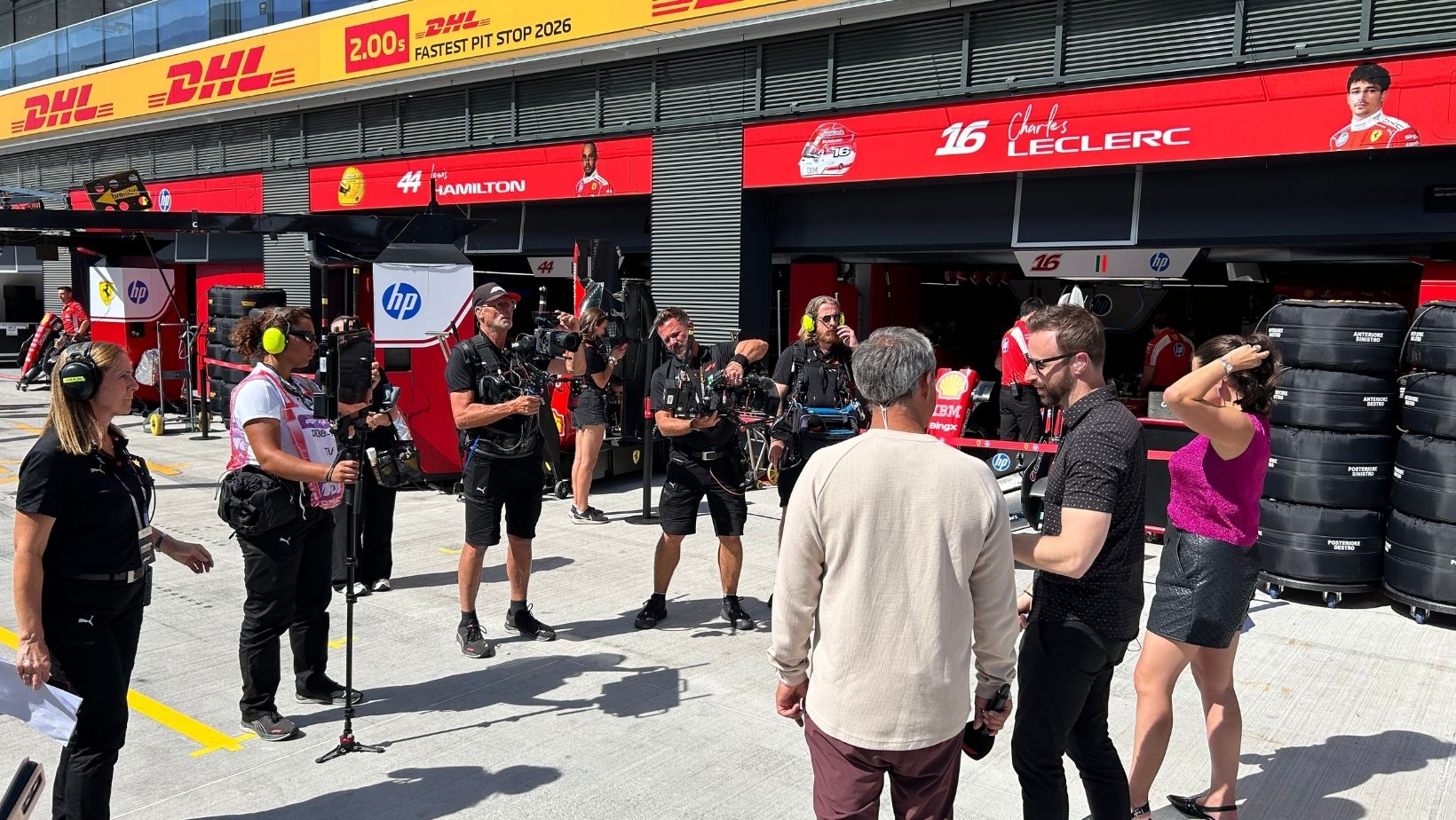
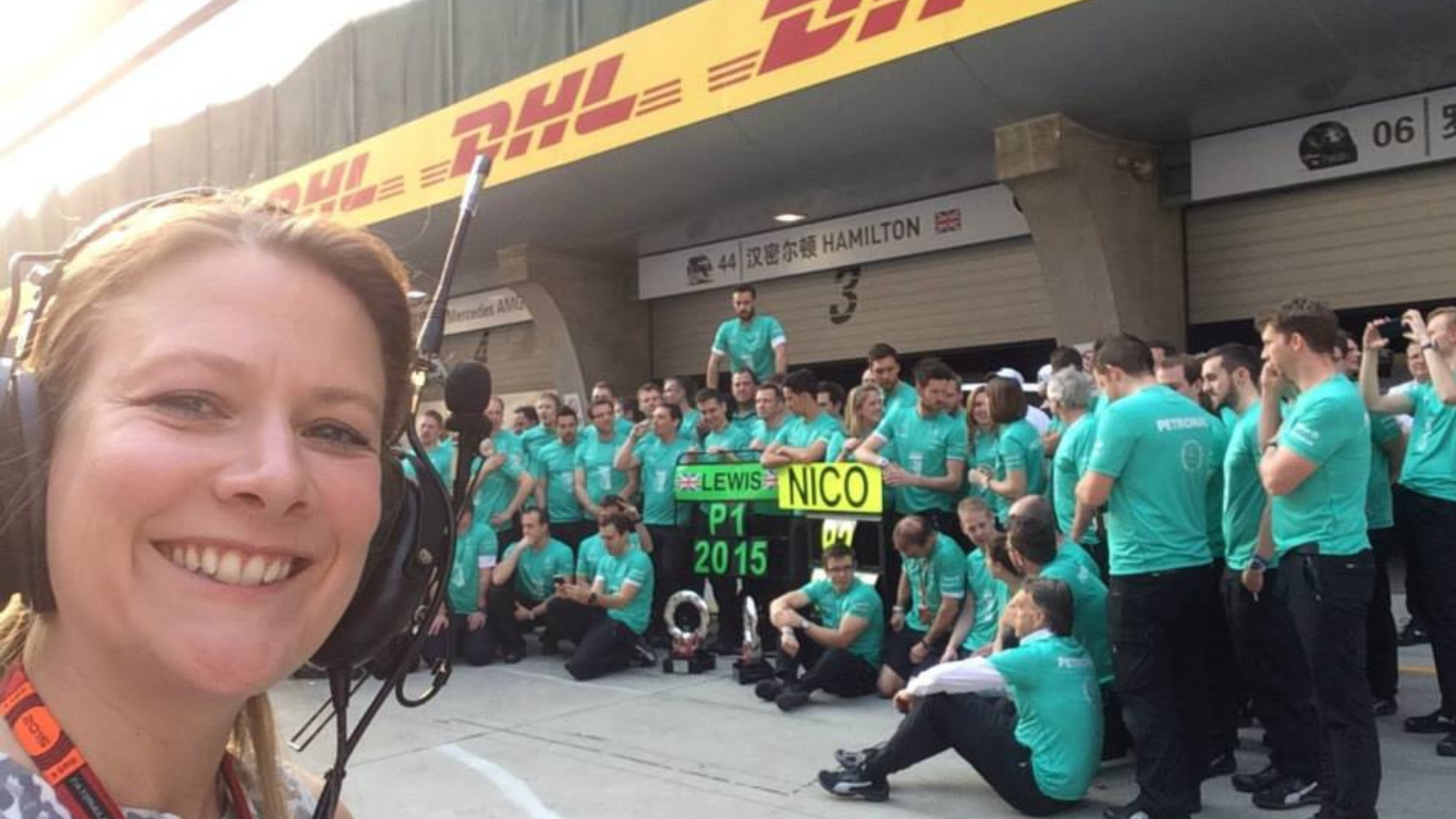
Harry will be commentating for BBC Radio throughout the weekend

It’s a circuit where having more is not always the answer. More power doesn’t solve the problem. More speed doesn’t automatically help. More ambition can actually make things worse if it tips over into impatience.

That feels like a pretty useful lesson beyond Formula 1. In business, and probably life generally, we often assume more is the solution.

More time.
More money.
More people.
More space.
More information.
More options.

Of course, sometimes that helps. Although not always. Sometimes more just gives us more ways to be unfocused. Monaco works as a challenge because it removes comfort. It narrows the margin. It forces drivers and teams to become incredibly clear about what matters

You can’t overtake easily, so qualifying becomes crucial. You can’t afford mistakes, so preparation matters. You can’t rely on horsepower, so drivability matters. You can’t just force your way through, so patience matters.

You are constrained and that is a true test of your performance.

Some of the best work happens when you don’t have unlimited room. A small team with a limited budget has to make sharper decisions. A freelancer with limited time has to prioritise properly. A creator with limited resources has to make the idea do more of the work. A business under pressure has to find out what actually matters, rather than hiding behind endless meetings, decks and processes.

Constraints are uncomfortable because they expose things. Whether your idea is clear enough. Does your team understand the goal? Are you making decisions or simply creating noise?

Ultimately, do you have confidence in your direction?

That is why Monaco is so fascinating. It doesn’t just test the fastest car. It tests the clearest execution.

The driver has to build confidence lap by lap, but not cross the line. The engineers have to give them a car they can trust. The strategists know track position is everything. The mechanics know a slow pit stop can ruin the whole weekend. Everyone has to be precise because there is nowhere to hide.

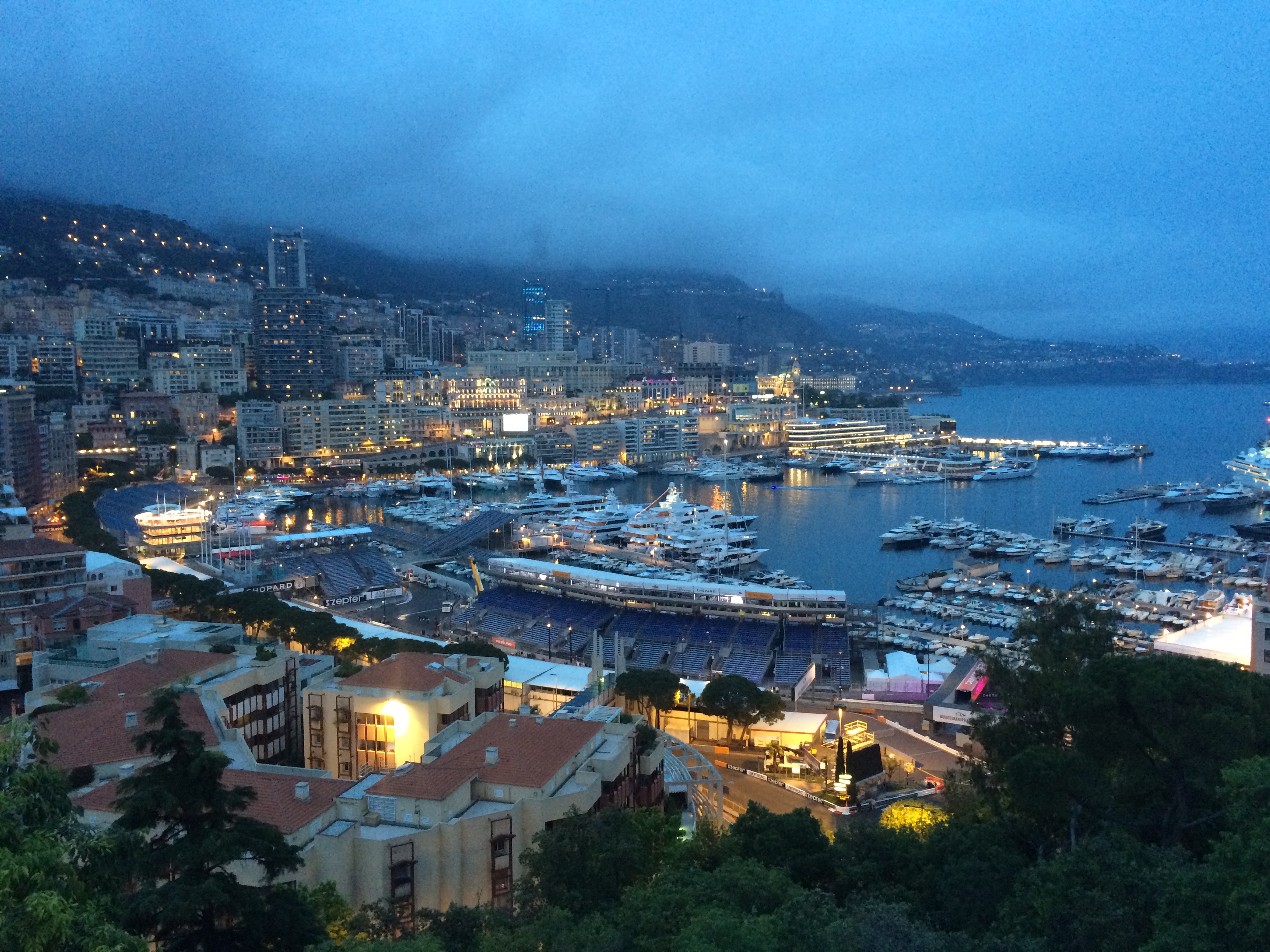
In a strange way, Monaco is not really about excess. It looks like it is. Just a glance at the yachts in the harbour or the apartments overlooking the track will showcase that. The absurdity of racing through one of the most expensive pieces of land on earth.

The actual sporting challenge is about restraint. It’s risk vs reward and knowing when not to push.

In work, I think that’s often where people and businesses get themselves into trouble. They mistake motion for progress. They try to solve uncertainty by adding more projects, more targets, more platforms, more noise.

So perhaps if you find yourself relating to any of this you should be asking yourself, what would you do if you had less room? Less time, budget, margin, ability? Would the idea still work and would the strategy become clearer?

That’s the Monaco lesson for me. Constraints are not always the enemy of performance. Sometimes they create it. You can’t rely on everything being easy so you have to become better at the things that count. Monaco doesn’t reward having more, it rewards using what you have better.

<< All articles

Working with Less - Harry Benjamin on Monaco

Monaco is ridiculous. That is both its biggest criticism and probably the reason it still matters.

Even this year's modern Formula 1 cars with their reduction in size are still most likely too big for the streets. Compared to the 50s, they may as well be boats. The barriers are close, the corners are tight, overtaking is almost impossible, and every year we have the same debate about whether the race still works.

And yet, every year, Monaco still feels different. It has something most races can’t quite replicate. There’s a sparkle and a tension. Not because every driver is an inch away from wrecking their car, but because Monaco asks something completely different of you.

Most Formula 1 circuits reward power, efficiency, straight-line speed and aerodynamic performance. Monaco reduces a lot of those advantages. Power deficits matter less. Straight-line efficiency matters less. There isn’t a long flat-out section where a car can simply stretch its legs and make the difference.

Instead, Monaco rewards precision, confidence, timing and judgment.

Harry will be commentating for BBC Radio throughout the weekend

It’s a circuit where having more is not always the answer. More power doesn’t solve the problem. More speed doesn’t automatically help. More ambition can actually make things worse if it tips over into impatience.

That feels like a pretty useful lesson beyond Formula 1. In business, and probably life generally, we often assume more is the solution.

More time.
More money.
More people.
More space.
More information.
More options.

Of course, sometimes that helps. Although not always. Sometimes more just gives us more ways to be unfocused. Monaco works as a challenge because it removes comfort. It narrows the margin. It forces drivers and teams to become incredibly clear about what matters

You can’t overtake easily, so qualifying becomes crucial. You can’t afford mistakes, so preparation matters. You can’t rely on horsepower, so drivability matters. You can’t just force your way through, so patience matters.

You are constrained and that is a true test of your performance.

Some of the best work happens when you don’t have unlimited room. A small team with a limited budget has to make sharper decisions. A freelancer with limited time has to prioritise properly. A creator with limited resources has to make the idea do more of the work. A business under pressure has to find out what actually matters, rather than hiding behind endless meetings, decks and processes.

Constraints are uncomfortable because they expose things. Whether your idea is clear enough. Does your team understand the goal? Are you making decisions or simply creating noise?

Ultimately, do you have confidence in your direction?

That is why Monaco is so fascinating. It doesn’t just test the fastest car. It tests the clearest execution.

The driver has to build confidence lap by lap, but not cross the line. The engineers have to give them a car they can trust. The strategists know track position is everything. The mechanics know a slow pit stop can ruin the whole weekend. Everyone has to be precise because there is nowhere to hide.

In a strange way, Monaco is not really about excess. It looks like it is. Just a glance at the yachts in the harbour or the apartments overlooking the track will showcase that. The absurdity of racing through one of the most expensive pieces of land on earth.

The actual sporting challenge is about restraint. It’s risk vs reward and knowing when not to push.

In work, I think that’s often where people and businesses get themselves into trouble. They mistake motion for progress. They try to solve uncertainty by adding more projects, more targets, more platforms, more noise.

So perhaps if you find yourself relating to any of this you should be asking yourself, what would you do if you had less room? Less time, budget, margin, ability? Would the idea still work and would the strategy become clearer?

That’s the Monaco lesson for me. Constraints are not always the enemy of performance. Sometimes they create it. You can’t rely on everything being easy so you have to become better at the things that count. Monaco doesn’t reward having more, it rewards using what you have better.