Log out
<< All articles

5 Leadership Priorities Facing Wheatley if he joins Aston Martin

The 2026 Formula 1 season has begun with unexpected turbulence for Aston Martin F1 Team as its new works partnership with Honda struggles in the opening races. With speculation that experienced operator Jonathan Wheatley could be brought in to stabilise the project, the situation offers a powerful case study in how leaders approach complex organisational turnarounds.

In Formula 1, the start of a new regulatory era is typically a moment of opportunity.

The 2026 ruleset – introducing new hybrid power units and revised aerodynamic concepts – represents one of the biggest resets the sport has seen in decades. For ambitious teams, it is the equivalent of a strategic market shift in business: a moment when the competitive order can change dramatically.

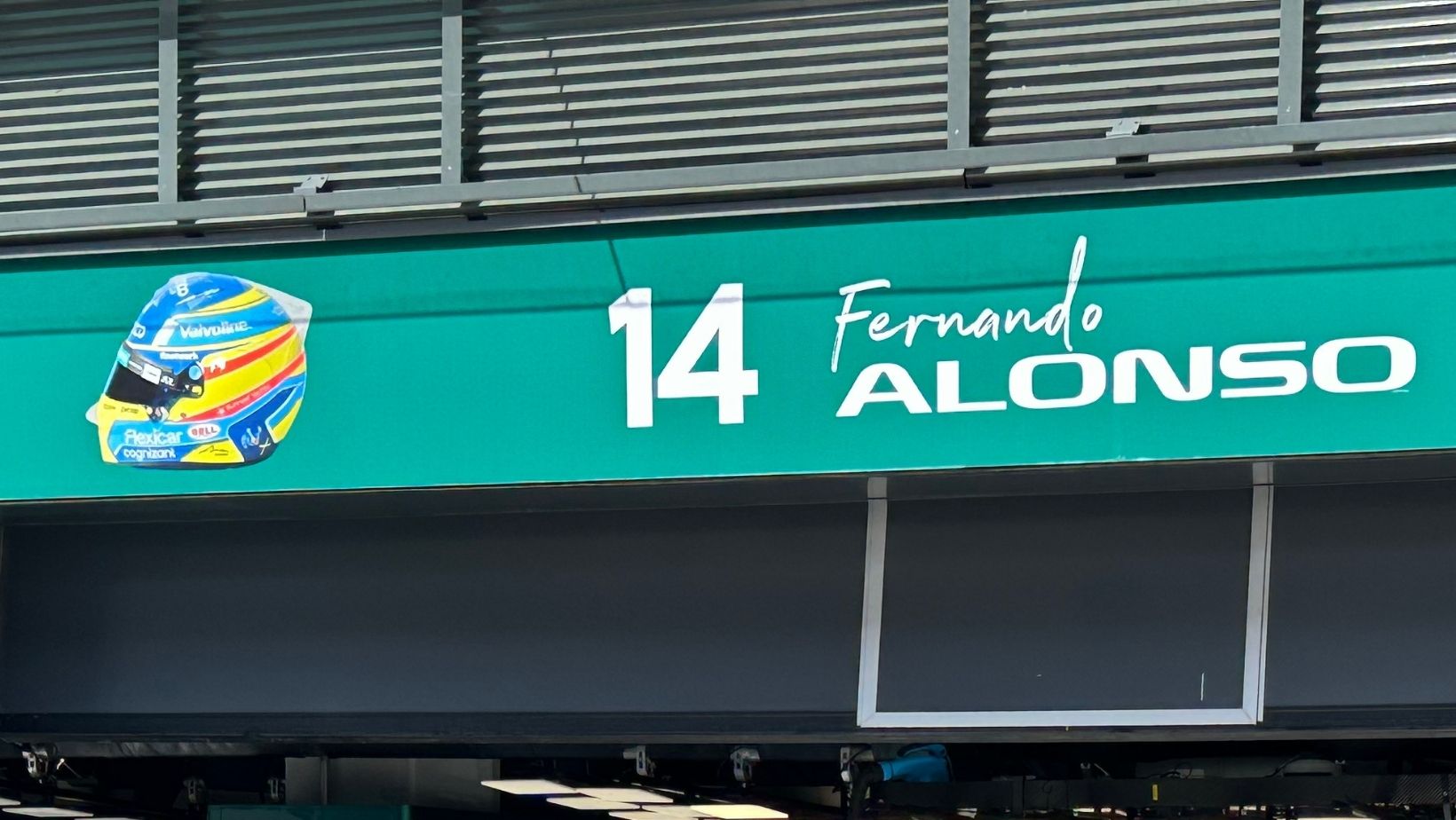
For Aston Martin F1 Team, however, the early phase of this transition has been far from smooth. Reliability issues and limited mileage in the first races of the season have raised concerns about the integration of the team’s new power unit partnership with Honda.

At the same time, speculation has grown that Jonathan Wheatley, previously a central operational figure at Red Bull Racing and now leading the new Audi F1 Team, could be brought in to help guide the organisation through this critical phase.

Whether such a move ultimately happens or not, the scenario highlights a broader leadership challenge familiar to many industries: how do you stabilise a high-performance organisation when a major strategic initiative begins under pressure?

Motorsport To Business reflect on the five priorities that would likely define Wheatley’s first months.

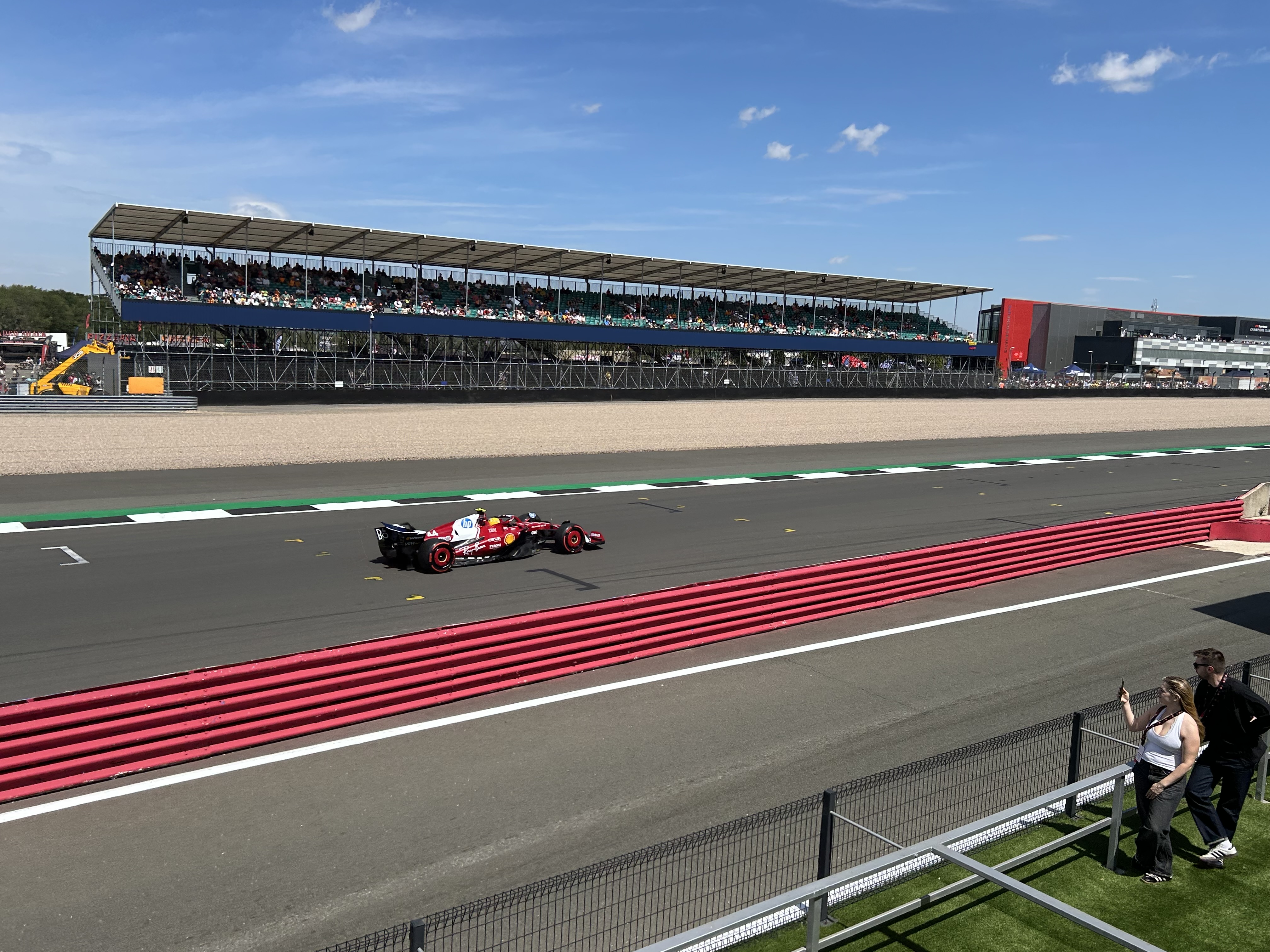
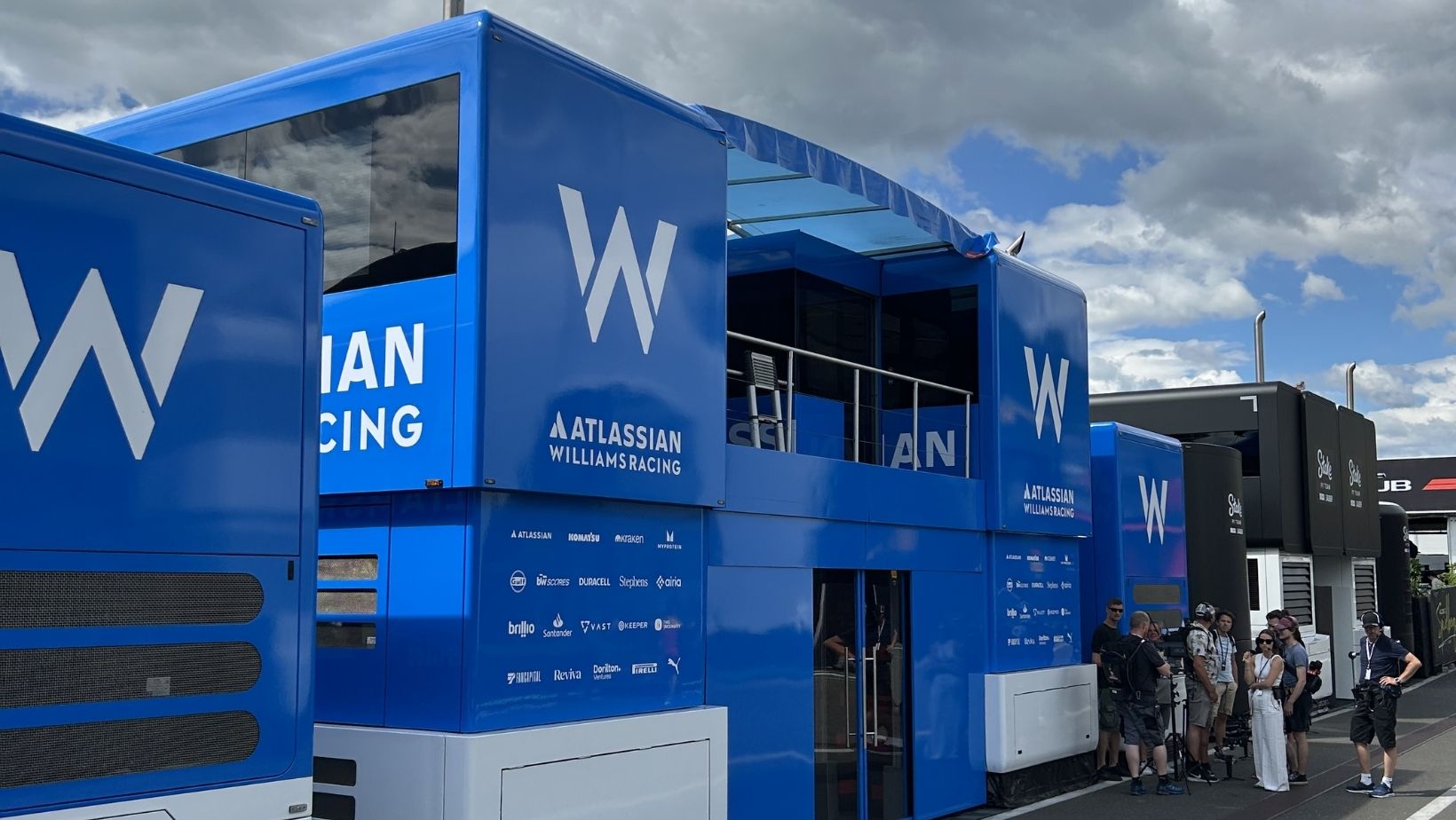
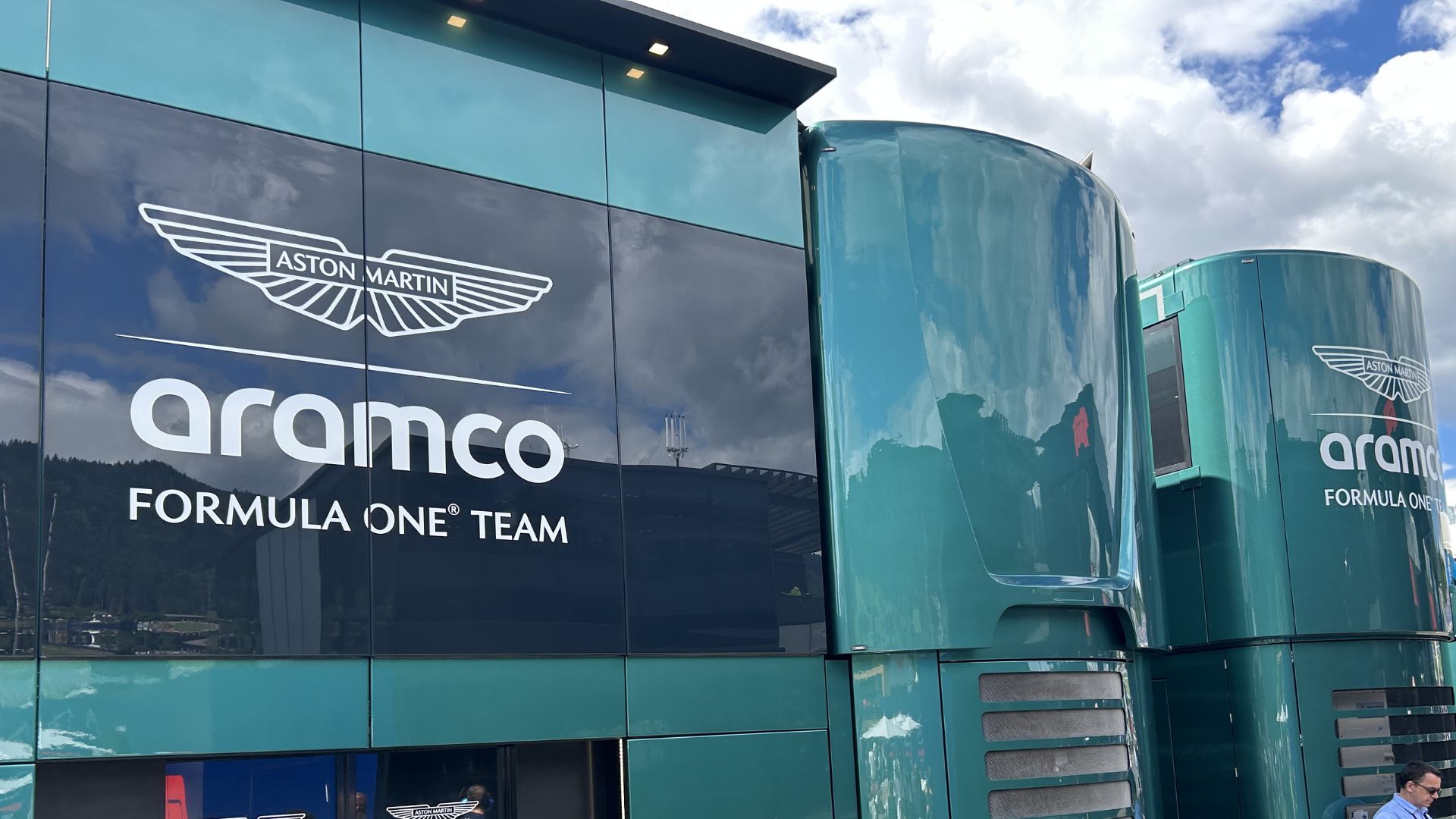
If Jonathan Wheatley was to join the Aston Martin F1 team, what would his first priorities be? Picture: Liauzh


1. Stabilising the Honda Partnership

The most immediate challenge is technical integration between chassis and power unit.

In modern Formula 1, these systems are deeply interdependent. When problems occur within one component, the impact cascades across the entire performance package.

From a leadership perspective, this is less about individual engineering fixes and more about strategic collaboration between two complex organisations.

Wheatley’s first task would likely be to establish stronger operational alignment between Aston Martin and Honda, ensuring that engineering teams share data quickly, development priorities are synchronised and communication remains transparent.

In high-technology industries, supplier partnerships succeed when they operate as a single integrated programme rather than parallel efforts.

2. Restoring Organisational Clarity

Over the past year, Aston Martin F1 Team has invested heavily in talent and infrastructure. The arrival of renowned designer Adrian Newey and the development of an advanced new campus underline the team’s long-term ambition.

Yet rapid growth often creates complexity.

Multiple leadership layers, evolving responsibilities and overlapping authority can slow decision-making at exactly the moment when speed is most critical.

One of Wheatley’s strengths during his time at Red Bull Racing was operational clarity – ensuring that engineers, strategists and race teams understood exactly who was responsible for each decision.

Reintroducing that clarity at Aston Martin could be one of the fastest ways to restore organisational momentum.

3. Protecting the Long-Term Vision

When performance problems emerge, organisations often shift into crisis mode.

The risk is that short-term firefighting begins to consume resources that were originally intended for long-term innovation.

For Aston Martin F1 Team, this would be particularly dangerous. The team’s broader ambition remains clear: to become a consistent championship contender in the new regulatory era.

Leaders in this situation must manage two timelines simultaneously.

They must address immediate reliability issues while ensuring that core development work – aerodynamic research, simulation programmes and power-unit integration – continues to progress.

Successful Formula 1 teams rarely abandon their strategic roadmap because of a difficult start to a season.

4. Rebuilding Confidence Across the Team

Performance crises affect more than technology.

Drivers lose confidence in the machinery. Engineers become cautious. Internal morale declines as results fail to match expectations.

In elite organisations, restoring confidence becomes a leadership priority in its own right.

This often requires clear communication about the recovery strategy, realistic short-term targets and a culture that rewards progress rather than dwelling on setbacks.

Wheatley’s reputation within the Formula 1 paddock has long been tied to his ability to align operational teams under pressure – an ability that would be essential in guiding Aston Martin through a difficult start to the season.

5. Turning Crisis into Opportunity

Paradoxically, difficult moments often create the conditions for lasting organisational improvement.

When performance falls short, weaknesses in communication, structure or decision-making become visible. These insights allow leaders to refine processes that might otherwise have gone unchallenged.

For Aston Martin F1 Team, the opening races of the 2026 season may represent exactly such a moment.

Handled well, the early turbulence could strengthen the team’s long-term foundations – improving collaboration with Honda, clarifying internal structures and embedding the operational discipline needed to compete with the sport’s leading teams.

Many championship-winning Formula 1 programmes began with precisely this kind of difficult learning phase.

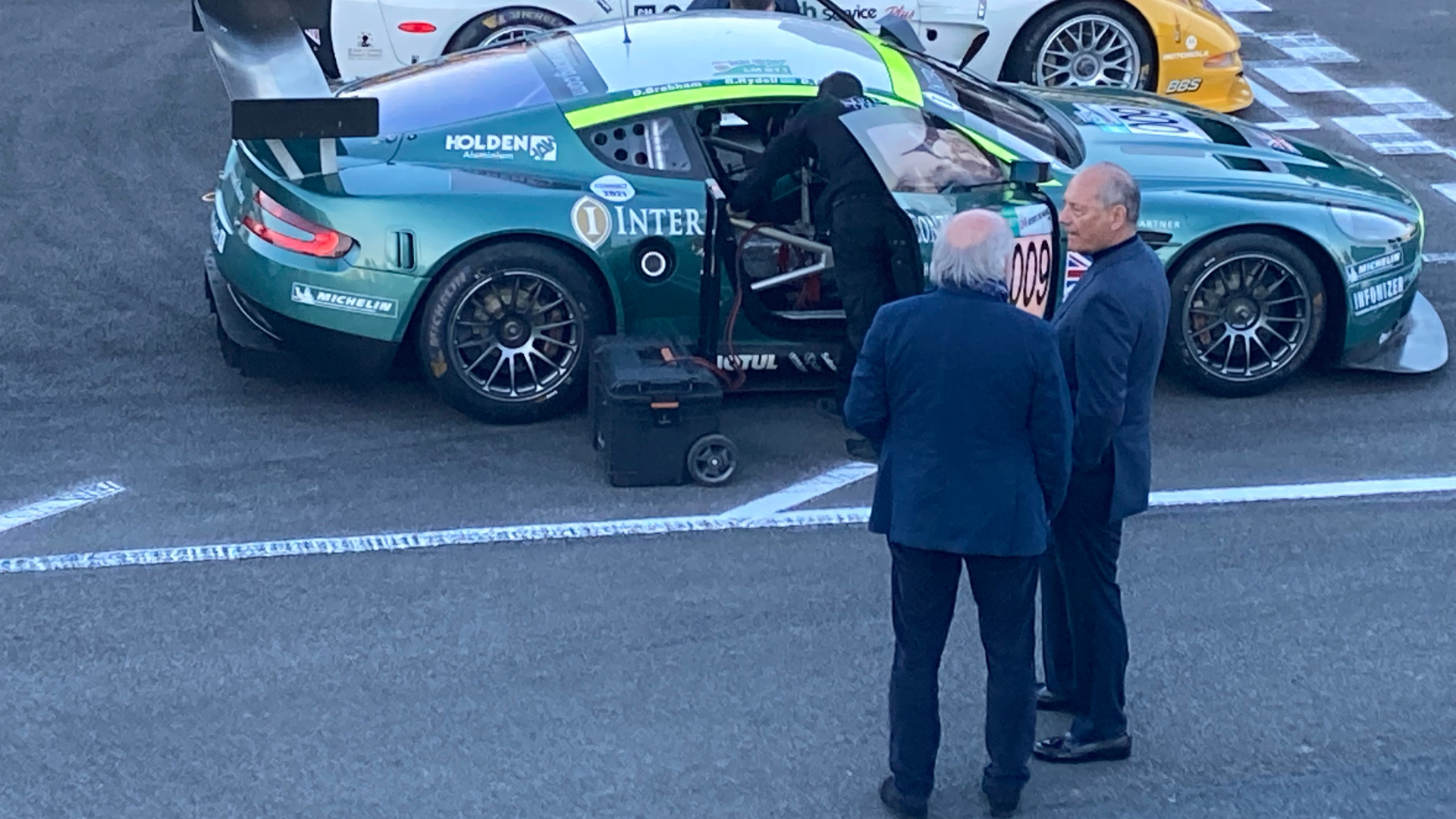
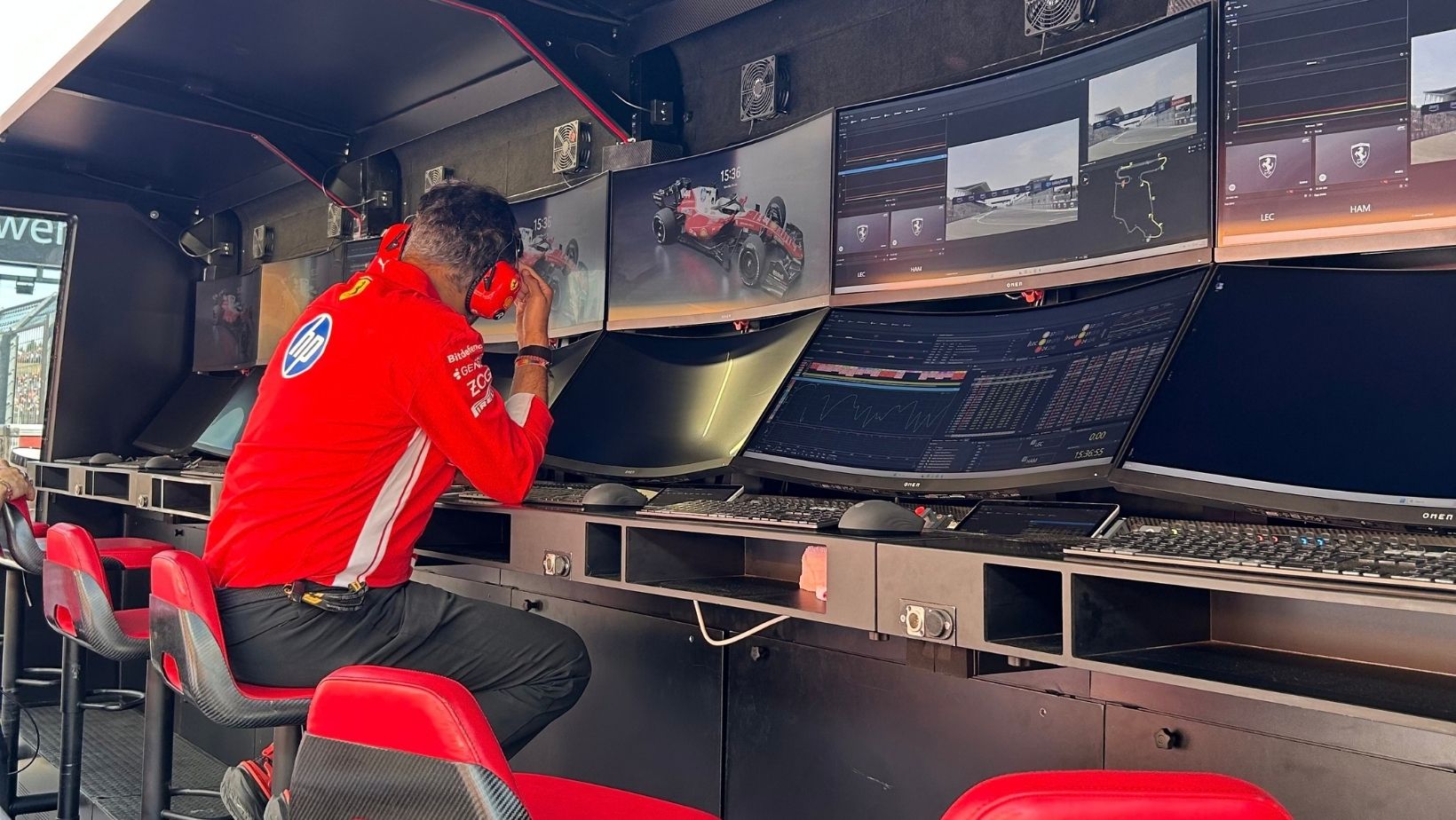
Aston Martin launched to much promise, but have failed to deliver so far. Picture: Nick Butcher


Business Takeaways

The leadership challenges facing Jonathan Wheatley illustrate several lessons that apply far beyond motorsport.

1. Strategic partnerships require active leadership

When organisations depend on external suppliers for critical systems, leaders must ensure communication and accountability are tightly aligned.

2. Talent alone does not guarantee performance

Even world-class teams need clear structures and defined decision-making authority.

3. Crisis management should not derail long-term strategy

Short-term problems must be solved without sacrificing the innovation pipeline that will determine future competitiveness.

4. Confidence is a performance multiplier

In high-pressure environments, organisational morale directly affects results.

5. Turbulence can reveal hidden weaknesses

Handled correctly, early setbacks often become the catalyst for stronger organisational processes.

In Formula 1, technological breakthroughs may win races. But the ability to lead through uncertainty is what ultimately builds championship teams.

For Aston Martin, the early stages of the 2026 season may yet prove to be the moment that defines its long-term trajectory.

This post is for subscribers only

Already have an account? Log-in

<< All articles

5 Leadership Priorities Facing Wheatley if he joins Aston Martin

The 2026 Formula 1 season has begun with unexpected turbulence for Aston Martin F1 Team as its new works partnership with Honda struggles in the opening races. With speculation that experienced operator Jonathan Wheatley could be brought in to stabilise the project, the situation offers a powerful case study in how leaders approach complex organisational turnarounds.

In Formula 1, the start of a new regulatory era is typically a moment of opportunity.

The 2026 ruleset – introducing new hybrid power units and revised aerodynamic concepts – represents one of the biggest resets the sport has seen in decades. For ambitious teams, it is the equivalent of a strategic market shift in business: a moment when the competitive order can change dramatically.

For Aston Martin F1 Team, however, the early phase of this transition has been far from smooth. Reliability issues and limited mileage in the first races of the season have raised concerns about the integration of the team’s new power unit partnership with Honda.

At the same time, speculation has grown that Jonathan Wheatley, previously a central operational figure at Red Bull Racing and now leading the new Audi F1 Team, could be brought in to help guide the organisation through this critical phase.

Whether such a move ultimately happens or not, the scenario highlights a broader leadership challenge familiar to many industries: how do you stabilise a high-performance organisation when a major strategic initiative begins under pressure?

Motorsport To Business reflect on the five priorities that would likely define Wheatley’s first months.

If Jonathan Wheatley was to join the Aston Martin F1 team, what would his first priorities be? Picture: Liauzh


1. Stabilising the Honda Partnership

The most immediate challenge is technical integration between chassis and power unit.

In modern Formula 1, these systems are deeply interdependent. When problems occur within one component, the impact cascades across the entire performance package.

From a leadership perspective, this is less about individual engineering fixes and more about strategic collaboration between two complex organisations.

Wheatley’s first task would likely be to establish stronger operational alignment between Aston Martin and Honda, ensuring that engineering teams share data quickly, development priorities are synchronised and communication remains transparent.

In high-technology industries, supplier partnerships succeed when they operate as a single integrated programme rather than parallel efforts.

2. Restoring Organisational Clarity

Over the past year, Aston Martin F1 Team has invested heavily in talent and infrastructure. The arrival of renowned designer Adrian Newey and the development of an advanced new campus underline the team’s long-term ambition.

Yet rapid growth often creates complexity.

Multiple leadership layers, evolving responsibilities and overlapping authority can slow decision-making at exactly the moment when speed is most critical.

One of Wheatley’s strengths during his time at Red Bull Racing was operational clarity – ensuring that engineers, strategists and race teams understood exactly who was responsible for each decision.

Reintroducing that clarity at Aston Martin could be one of the fastest ways to restore organisational momentum.

3. Protecting the Long-Term Vision

When performance problems emerge, organisations often shift into crisis mode.

The risk is that short-term firefighting begins to consume resources that were originally intended for long-term innovation.

For Aston Martin F1 Team, this would be particularly dangerous. The team’s broader ambition remains clear: to become a consistent championship contender in the new regulatory era.

Leaders in this situation must manage two timelines simultaneously.

They must address immediate reliability issues while ensuring that core development work – aerodynamic research, simulation programmes and power-unit integration – continues to progress.

Successful Formula 1 teams rarely abandon their strategic roadmap because of a difficult start to a season.

4. Rebuilding Confidence Across the Team

Performance crises affect more than technology.

Drivers lose confidence in the machinery. Engineers become cautious. Internal morale declines as results fail to match expectations.

In elite organisations, restoring confidence becomes a leadership priority in its own right.

This often requires clear communication about the recovery strategy, realistic short-term targets and a culture that rewards progress rather than dwelling on setbacks.

Wheatley’s reputation within the Formula 1 paddock has long been tied to his ability to align operational teams under pressure – an ability that would be essential in guiding Aston Martin through a difficult start to the season.

5. Turning Crisis into Opportunity

Paradoxically, difficult moments often create the conditions for lasting organisational improvement.

When performance falls short, weaknesses in communication, structure or decision-making become visible. These insights allow leaders to refine processes that might otherwise have gone unchallenged.

For Aston Martin F1 Team, the opening races of the 2026 season may represent exactly such a moment.

Handled well, the early turbulence could strengthen the team’s long-term foundations – improving collaboration with Honda, clarifying internal structures and embedding the operational discipline needed to compete with the sport’s leading teams.

Many championship-winning Formula 1 programmes began with precisely this kind of difficult learning phase.

Aston Martin launched to much promise, but have failed to deliver so far. Picture: Nick Butcher


Business Takeaways

The leadership challenges facing Jonathan Wheatley illustrate several lessons that apply far beyond motorsport.

1. Strategic partnerships require active leadership

When organisations depend on external suppliers for critical systems, leaders must ensure communication and accountability are tightly aligned.

2. Talent alone does not guarantee performance

Even world-class teams need clear structures and defined decision-making authority.

3. Crisis management should not derail long-term strategy

Short-term problems must be solved without sacrificing the innovation pipeline that will determine future competitiveness.

4. Confidence is a performance multiplier

In high-pressure environments, organisational morale directly affects results.

5. Turbulence can reveal hidden weaknesses

Handled correctly, early setbacks often become the catalyst for stronger organisational processes.

In Formula 1, technological breakthroughs may win races. But the ability to lead through uncertainty is what ultimately builds championship teams.

For Aston Martin, the early stages of the 2026 season may yet prove to be the moment that defines its long-term trajectory.

<< All articles

5 Leadership Priorities Facing Wheatley if he joins Aston Martin

The 2026 Formula 1 season has begun with unexpected turbulence for Aston Martin F1 Team as its new works partnership with Honda struggles in the opening races. With speculation that experienced operator Jonathan Wheatley could be brought in to stabilise the project, the situation offers a powerful case study in how leaders approach complex organisational turnarounds.

In Formula 1, the start of a new regulatory era is typically a moment of opportunity.

The 2026 ruleset – introducing new hybrid power units and revised aerodynamic concepts – represents one of the biggest resets the sport has seen in decades. For ambitious teams, it is the equivalent of a strategic market shift in business: a moment when the competitive order can change dramatically.

For Aston Martin F1 Team, however, the early phase of this transition has been far from smooth. Reliability issues and limited mileage in the first races of the season have raised concerns about the integration of the team’s new power unit partnership with Honda.

At the same time, speculation has grown that Jonathan Wheatley, previously a central operational figure at Red Bull Racing and now leading the new Audi F1 Team, could be brought in to help guide the organisation through this critical phase.

Whether such a move ultimately happens or not, the scenario highlights a broader leadership challenge familiar to many industries: how do you stabilise a high-performance organisation when a major strategic initiative begins under pressure?

Motorsport To Business reflect on the five priorities that would likely define Wheatley’s first months.

If Jonathan Wheatley was to join the Aston Martin F1 team, what would his first priorities be? Picture: Liauzh


1. Stabilising the Honda Partnership

The most immediate challenge is technical integration between chassis and power unit.

In modern Formula 1, these systems are deeply interdependent. When problems occur within one component, the impact cascades across the entire performance package.

From a leadership perspective, this is less about individual engineering fixes and more about strategic collaboration between two complex organisations.

Wheatley’s first task would likely be to establish stronger operational alignment between Aston Martin and Honda, ensuring that engineering teams share data quickly, development priorities are synchronised and communication remains transparent.

In high-technology industries, supplier partnerships succeed when they operate as a single integrated programme rather than parallel efforts.

2. Restoring Organisational Clarity

Over the past year, Aston Martin F1 Team has invested heavily in talent and infrastructure. The arrival of renowned designer Adrian Newey and the development of an advanced new campus underline the team’s long-term ambition.

Yet rapid growth often creates complexity.

Multiple leadership layers, evolving responsibilities and overlapping authority can slow decision-making at exactly the moment when speed is most critical.

One of Wheatley’s strengths during his time at Red Bull Racing was operational clarity – ensuring that engineers, strategists and race teams understood exactly who was responsible for each decision.

Reintroducing that clarity at Aston Martin could be one of the fastest ways to restore organisational momentum.

3. Protecting the Long-Term Vision

When performance problems emerge, organisations often shift into crisis mode.

The risk is that short-term firefighting begins to consume resources that were originally intended for long-term innovation.

For Aston Martin F1 Team, this would be particularly dangerous. The team’s broader ambition remains clear: to become a consistent championship contender in the new regulatory era.

Leaders in this situation must manage two timelines simultaneously.

They must address immediate reliability issues while ensuring that core development work – aerodynamic research, simulation programmes and power-unit integration – continues to progress.

Successful Formula 1 teams rarely abandon their strategic roadmap because of a difficult start to a season.

4. Rebuilding Confidence Across the Team

Performance crises affect more than technology.

Drivers lose confidence in the machinery. Engineers become cautious. Internal morale declines as results fail to match expectations.

In elite organisations, restoring confidence becomes a leadership priority in its own right.

This often requires clear communication about the recovery strategy, realistic short-term targets and a culture that rewards progress rather than dwelling on setbacks.

Wheatley’s reputation within the Formula 1 paddock has long been tied to his ability to align operational teams under pressure – an ability that would be essential in guiding Aston Martin through a difficult start to the season.

5. Turning Crisis into Opportunity

Paradoxically, difficult moments often create the conditions for lasting organisational improvement.

When performance falls short, weaknesses in communication, structure or decision-making become visible. These insights allow leaders to refine processes that might otherwise have gone unchallenged.

For Aston Martin F1 Team, the opening races of the 2026 season may represent exactly such a moment.

Handled well, the early turbulence could strengthen the team’s long-term foundations – improving collaboration with Honda, clarifying internal structures and embedding the operational discipline needed to compete with the sport’s leading teams.

Many championship-winning Formula 1 programmes began with precisely this kind of difficult learning phase.

Aston Martin launched to much promise, but have failed to deliver so far. Picture: Nick Butcher


Business Takeaways

The leadership challenges facing Jonathan Wheatley illustrate several lessons that apply far beyond motorsport.

1. Strategic partnerships require active leadership

When organisations depend on external suppliers for critical systems, leaders must ensure communication and accountability are tightly aligned.

2. Talent alone does not guarantee performance

Even world-class teams need clear structures and defined decision-making authority.

3. Crisis management should not derail long-term strategy

Short-term problems must be solved without sacrificing the innovation pipeline that will determine future competitiveness.

4. Confidence is a performance multiplier

In high-pressure environments, organisational morale directly affects results.

5. Turbulence can reveal hidden weaknesses

Handled correctly, early setbacks often become the catalyst for stronger organisational processes.

In Formula 1, technological breakthroughs may win races. But the ability to lead through uncertainty is what ultimately builds championship teams.

For Aston Martin, the early stages of the 2026 season may yet prove to be the moment that defines its long-term trajectory.