Log out
<< All articles

One of the Hardest Parts in a Season is starting again

This post is for subscribers only

Already have an account? Log-in

<< All articles

One of the Hardest Parts in a Season is starting again

A few weeks ago, I wrote about how important it is to switch off. To step away from the noise of Formula 1. Spend time with friends. Do things that have nothing to do with the sport. Properly reset.

I’ll always stand by that as time away matters. It helps you come back clearer, sharper, and ultimately perform better. But there’s another side to it.

Switching off is important… switching back on isn’t always straightforward.

For a lot of people, the Formula 1 season feels relentless. Race after race, constant travel, no real pause. Every now and then, the calendar throws in a break. This year, there’s been an unscheduled five-week gap before the Miami Grand Prix.
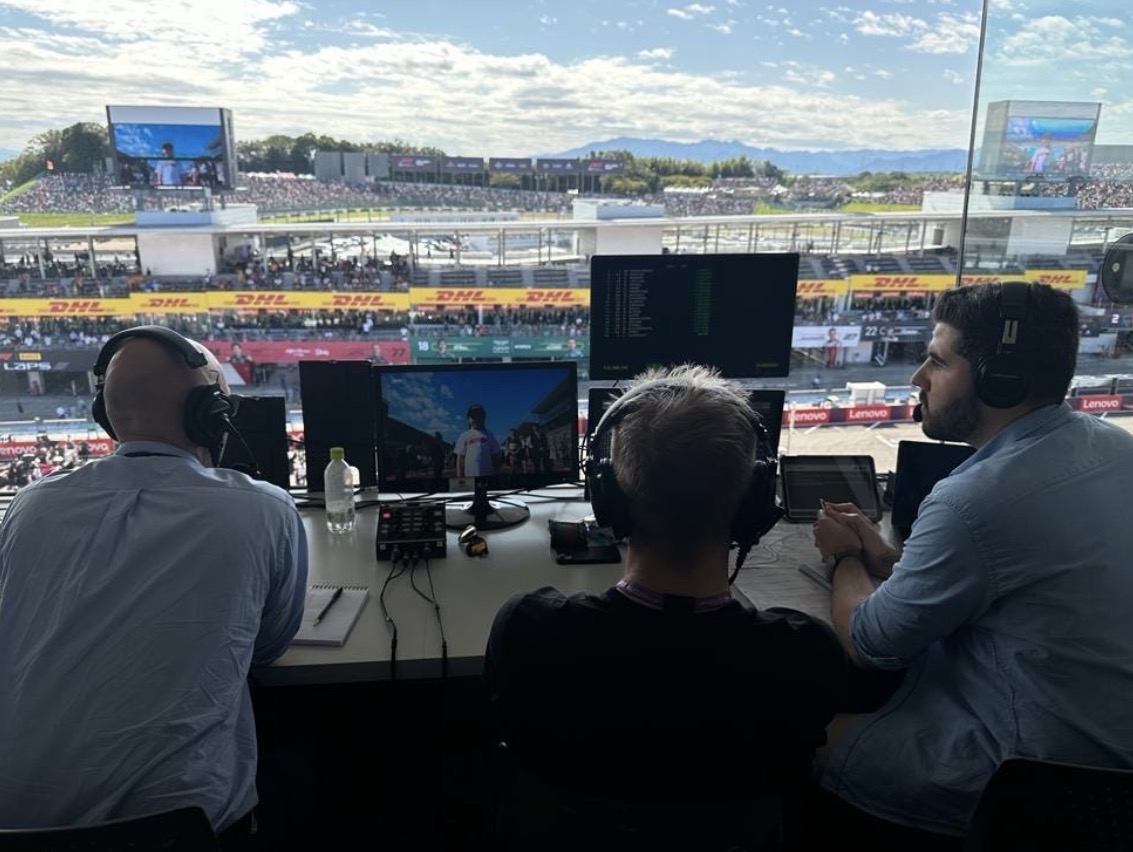
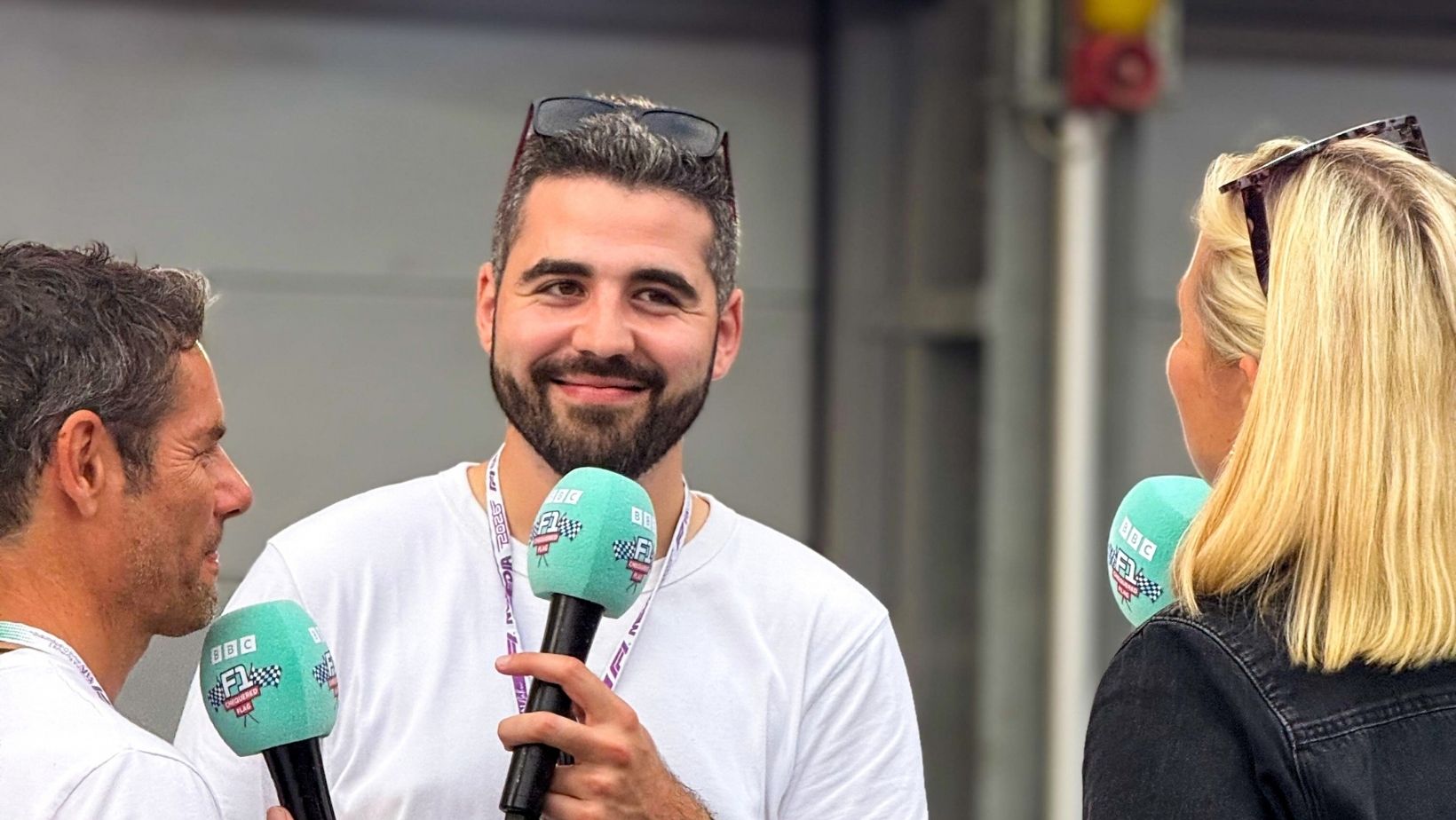
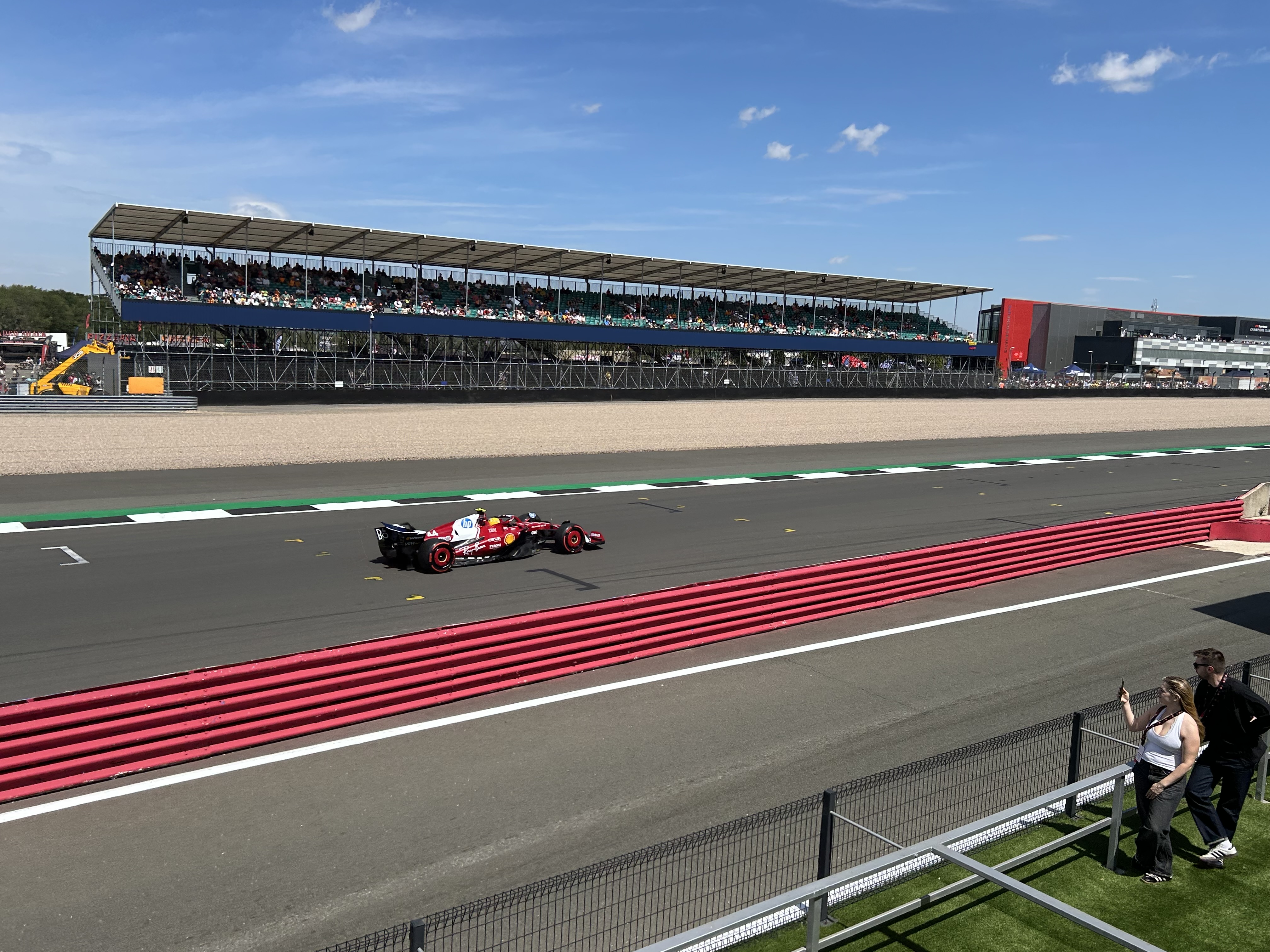
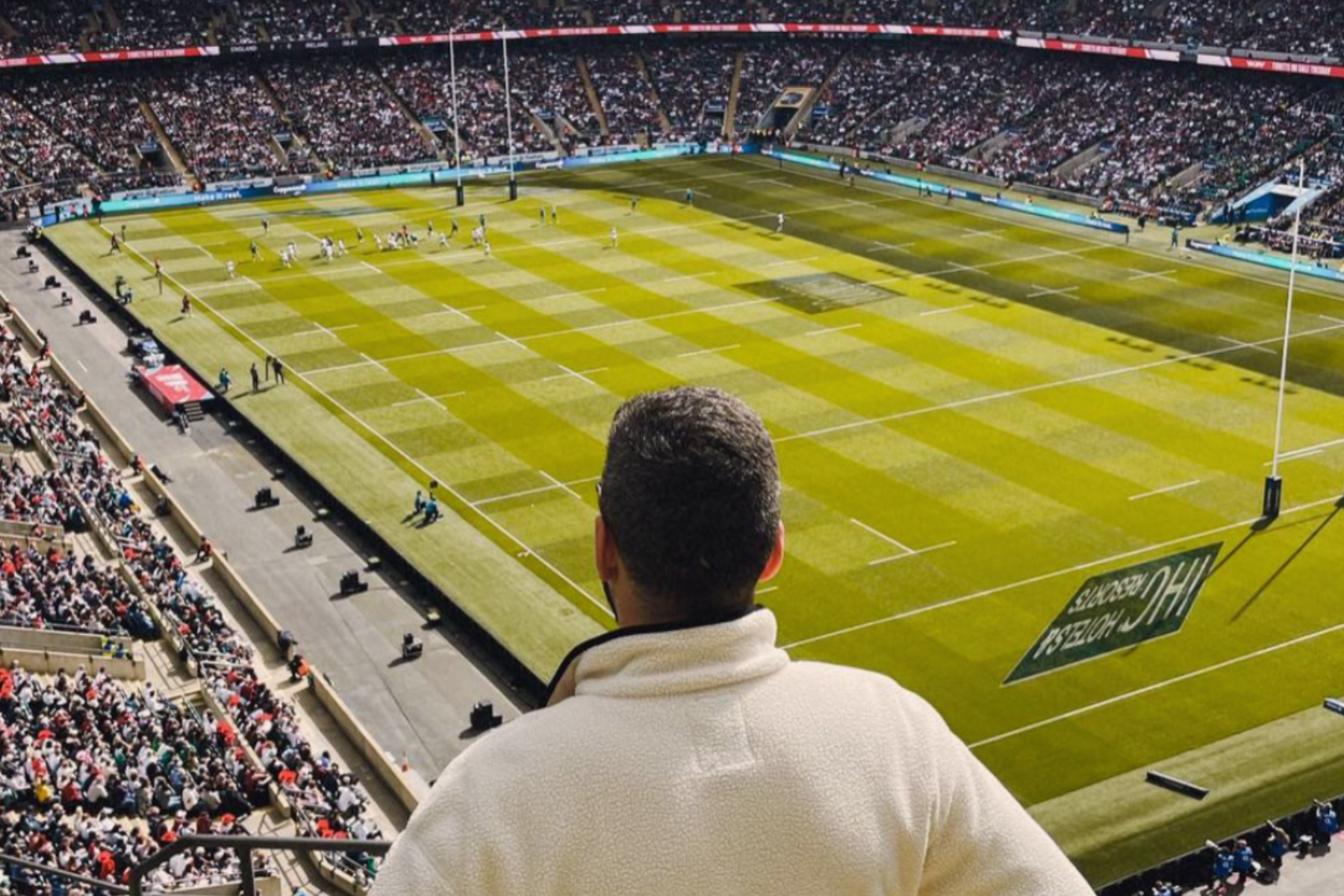
Harry will be back trackside in Miami this weekend (Photo: Harry Benjamin)

On paper, that sounds ideal. Time to recharge. Reset. Come back fresh. In reality, it creates a different kind of challenge. In Formula 1, you don’t ease your way back in. You go straight from zero to full speed again.

There’s no gentle reintroduction. No warm up phase. No time to build momentum.You’re expected to be sharp immediately, which is often the hardest part.

This weekend is a good example of that.

Not only is it a sprint weekend, which already compresses everything, but there’s also been a small but important adjustment to the format.

The single practice session has been extended to 90 minutes, giving teams and drivers a bit more time to get up to speed again after the break.

Sounds helpful. In reality, it just changes how you use the time. From a personal point of view, my focus going into this weekend is quite simple. Make sure I properly understand the technical tweaks that have come in for 2026.

They’re small but impactful tweaks that will shift how the cars behave, how energy is used, and how teams approach the weekend.

After time away, that’s exactly the kind of detail that can take a bit longer to click back into place.That’s the thing about stepping away from something high-performance. You lose a bit of rhythm. Not dramatically, but enough.

Your timing isn’t quite as instinctive. Your decision making takes a fraction longer. The mental sharpness that comes from repetition under pressure just isn’t quite there in the same way.

We tend to assume that rest automatically leads to improvement. Sometimes it does. However it also comes at a cost. Momentum is fragile and restarting is rarely as simple as picking up where you left off.

In Formula 1, that reality is well understood. No one comes back from a break expecting to feel perfect straight away. The goal isn’t to instantly be at your absolute peak.

The goal is to get the important things right and that starts with prioritisation.

At the start of a race weekend, there is an overwhelming amount of information. Data, setup, conditions, strategy, competitors.

It’s easy to try and take everything in at once. The best teams don’t do that.They simplify. They identify what matters most early on. Things like the car set up, the first lap, key scenarios, strategic windows, and focus on those.

The same applies beyond Formula 1.

When you come back from a break, the instinct is often to do everything. Catch up on everything. Prove you’re still on top of things. That usually leads to the opposite. Too much input. Too many decisions. Not enough clarity.

The second thing Formula 1 does well is lean on routine. Even after time away, the structure of a race weekend doesn’t change. Even though slightly altered this weekend, practice still follows a pattern. Qualifying builds in a familiar way. Race preparation is consistent.

That’s deliberate, because when you don’t quite feel back up to speed yet, routine does a lot of the work for you. It reduces the mental load. It gives you something to fall back on. There’s also a level of acceptance involved. No one expects to feel completely ready after a break.

That doesn’t stop the performance requirement.There’s still a motor race about to happen. The pressure is exactly the same but the expectation isn’t perfection. It’s control. Getting the key decisions right. Avoiding obvious mistakes. Letting sharpness return through doing.

The Miami Grand Prix, especially in this format, only amplifies that. Intense sessions, more pressure, more decisions, all in a shorter space of time. There’s even less room to ease your way back in. Which makes clarity even more important.

Not everything needs to be perfect straight away but the important things do. There’s a broader lesson in that switching off is valuable. It gives you the reset you need. Switching back on however, is a skill in itself.

Often, it’s the part people underestimate the most. Sometimes the hardest part isn’t the pressure. It’s simply getting back into it and doing it well enough, quickly enough, to find your rhythm again.

<< All articles

One of the Hardest Parts in a Season is starting again

A few weeks ago, I wrote about how important it is to switch off. To step away from the noise of Formula 1. Spend time with friends. Do things that have nothing to do with the sport. Properly reset.

I’ll always stand by that as time away matters. It helps you come back clearer, sharper, and ultimately perform better. But there’s another side to it.

Switching off is important… switching back on isn’t always straightforward.

For a lot of people, the Formula 1 season feels relentless. Race after race, constant travel, no real pause. Every now and then, the calendar throws in a break. This year, there’s been an unscheduled five-week gap before the Miami Grand Prix.

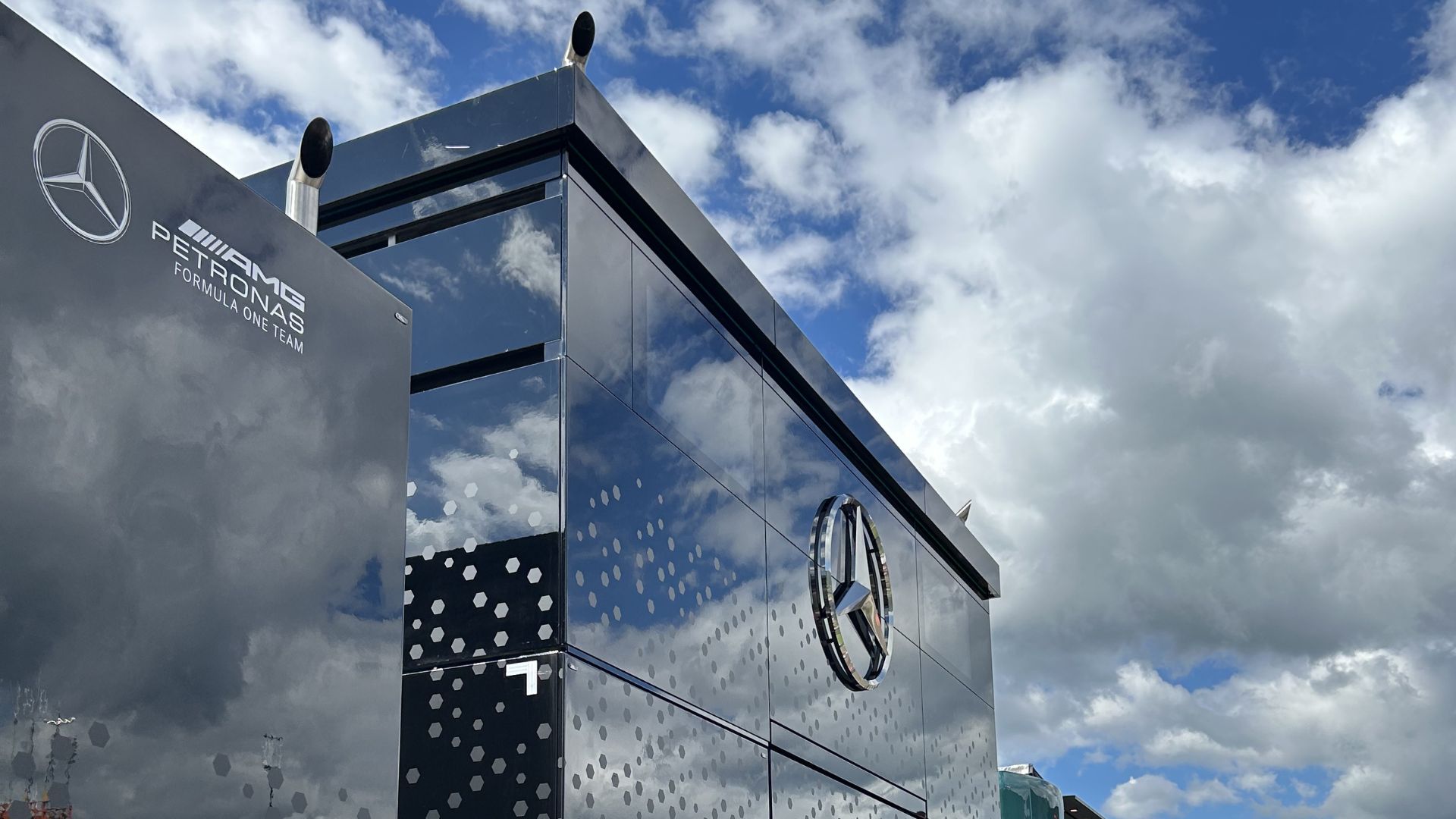
Harry will be back trackside in Miami this weekend (Photo: Harry Benjamin)

On paper, that sounds ideal. Time to recharge. Reset. Come back fresh. In reality, it creates a different kind of challenge. In Formula 1, you don’t ease your way back in. You go straight from zero to full speed again.
There’s no gentle reintroduction. No warm up phase. No time to build momentum.You’re expected to be sharp immediately, which is often the hardest part.

This weekend is a good example of that.

Not only is it a sprint weekend, which already compresses everything, but there’s also been a small but important adjustment to the format.

The single practice session has been extended to 90 minutes, giving teams and drivers a bit more time to get up to speed again after the break.

Sounds helpful. In reality, it just changes how you use the time. From a personal point of view, my focus going into this weekend is quite simple. Make sure I properly understand the technical tweaks that have come in for 2026.

They’re small but impactful tweaks that will shift how the cars behave, how energy is used, and how teams approach the weekend.

After time away, that’s exactly the kind of detail that can take a bit longer to click back into place.That’s the thing about stepping away from something high-performance. You lose a bit of rhythm. Not dramatically, but enough.

Your timing isn’t quite as instinctive. Your decision making takes a fraction longer. The mental sharpness that comes from repetition under pressure just isn’t quite there in the same way.

We tend to assume that rest automatically leads to improvement. Sometimes it does. However it also comes at a cost. Momentum is fragile and restarting is rarely as simple as picking up where you left off.

In Formula 1, that reality is well understood. No one comes back from a break expecting to feel perfect straight away. The goal isn’t to instantly be at your absolute peak.

The goal is to get the important things right and that starts with prioritisation.

At the start of a race weekend, there is an overwhelming amount of information. Data, setup, conditions, strategy, competitors.

It’s easy to try and take everything in at once. The best teams don’t do that.They simplify. They identify what matters most early on. Things like the car set up, the first lap, key scenarios, strategic windows, and focus on those.

The same applies beyond Formula 1.

When you come back from a break, the instinct is often to do everything. Catch up on everything. Prove you’re still on top of things. That usually leads to the opposite. Too much input. Too many decisions. Not enough clarity.

The second thing Formula 1 does well is lean on routine. Even after time away, the structure of a race weekend doesn’t change. Even though slightly altered this weekend, practice still follows a pattern. Qualifying builds in a familiar way. Race preparation is consistent.

That’s deliberate, because when you don’t quite feel back up to speed yet, routine does a lot of the work for you. It reduces the mental load. It gives you something to fall back on. There’s also a level of acceptance involved. No one expects to feel completely ready after a break.

That doesn’t stop the performance requirement.There’s still a motor race about to happen. The pressure is exactly the same but the expectation isn’t perfection. It’s control. Getting the key decisions right. Avoiding obvious mistakes. Letting sharpness return through doing.

The Miami Grand Prix, especially in this format, only amplifies that. Intense sessions, more pressure, more decisions, all in a shorter space of time. There’s even less room to ease your way back in. Which makes clarity even more important.
Not everything needs to be perfect straight away but the important things do. There’s a broader lesson in that switching off is valuable. It gives you the reset you need. Switching back on however, is a skill in itself.

Often, it’s the part people underestimate the most. Sometimes the hardest part isn’t the pressure. It’s simply getting back into it and doing it well enough, quickly enough, to find your rhythm again.