Log out
<< All articles

Honda, Aston Martin and the Danger of an Unfinished Launch

The mismatch between expectation and reality.

For the past few years, Aston Martin has moved in headlines. Fernando Alonso. Adrian Newey. Honda. Each name signalled the same thing: a team done thinking small.

That is what made the opening weekend of 2026 feel so jarring.

Instead of a statement, Aston Martin’s debut as Honda’s works partner became something closer to a survival exercise - a team learning in public how unfinished the package still was.

In our latest "Watch on Sunday, Learn on Monday", Rahil Hashmi reflects on a weekend full of lessons for the Silverstone based team and what they can learn from Honda's past working relationships with McLaren and Red Bull Racing.

For the full article and many more, subscribe to our online Knowledge Hub Motorsport To Business+

This post is for subscribers only

Already have an account? Log-in

<< All articles

Honda, Aston Martin and the Danger of an Unfinished Launch

The mismatch between expectation and reality.

For the past few years, Aston Martin has moved in headlines. Fernando Alonso. Adrian Newey. Honda. Each name signalled the same thing: a team done thinking small.

That is what made the opening weekend of 2026 feel so jarring.

Instead of a statement, Aston Martin’s debut as Honda’s works partner became something closer to a survival exercise - a team learning in public how unfinished the package still was.

In our latest "Watch on Sunday, Learn on Monday", Rahil Hashmi reflects on a weekend full of lessons for the Silverstone based team and what they can learn from Honda's past working relationships with McLaren and Red Bull Racing.

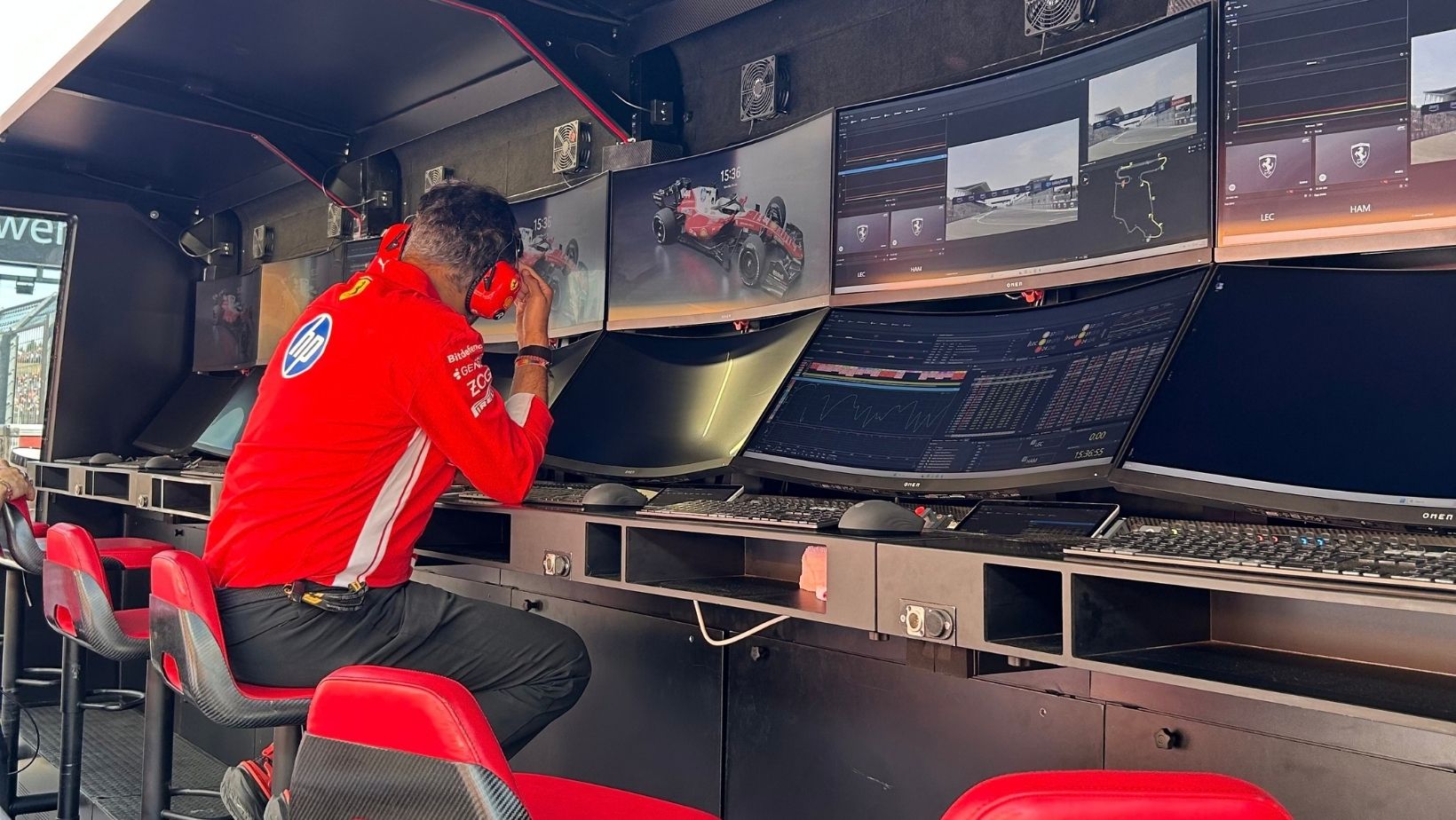
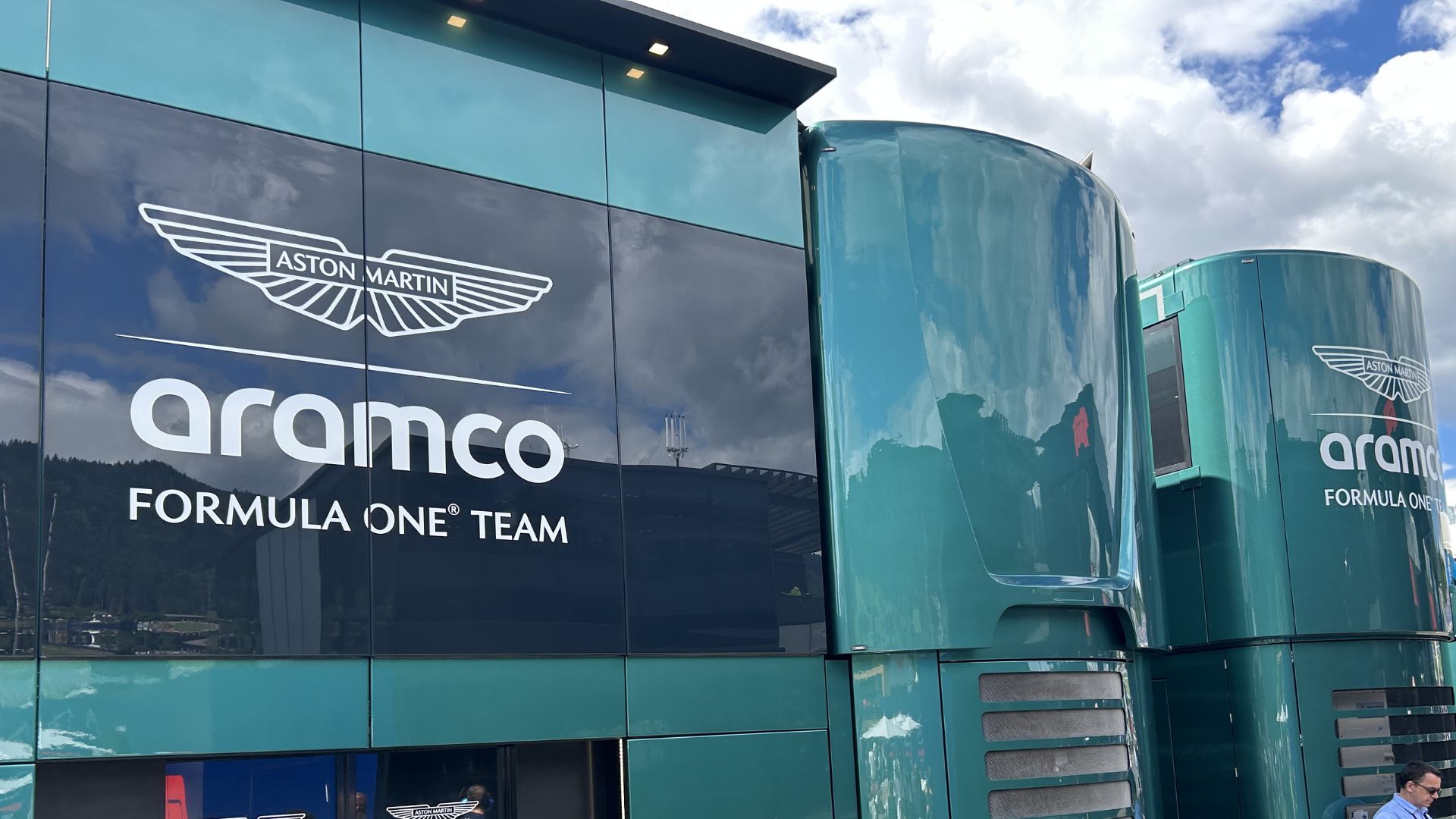
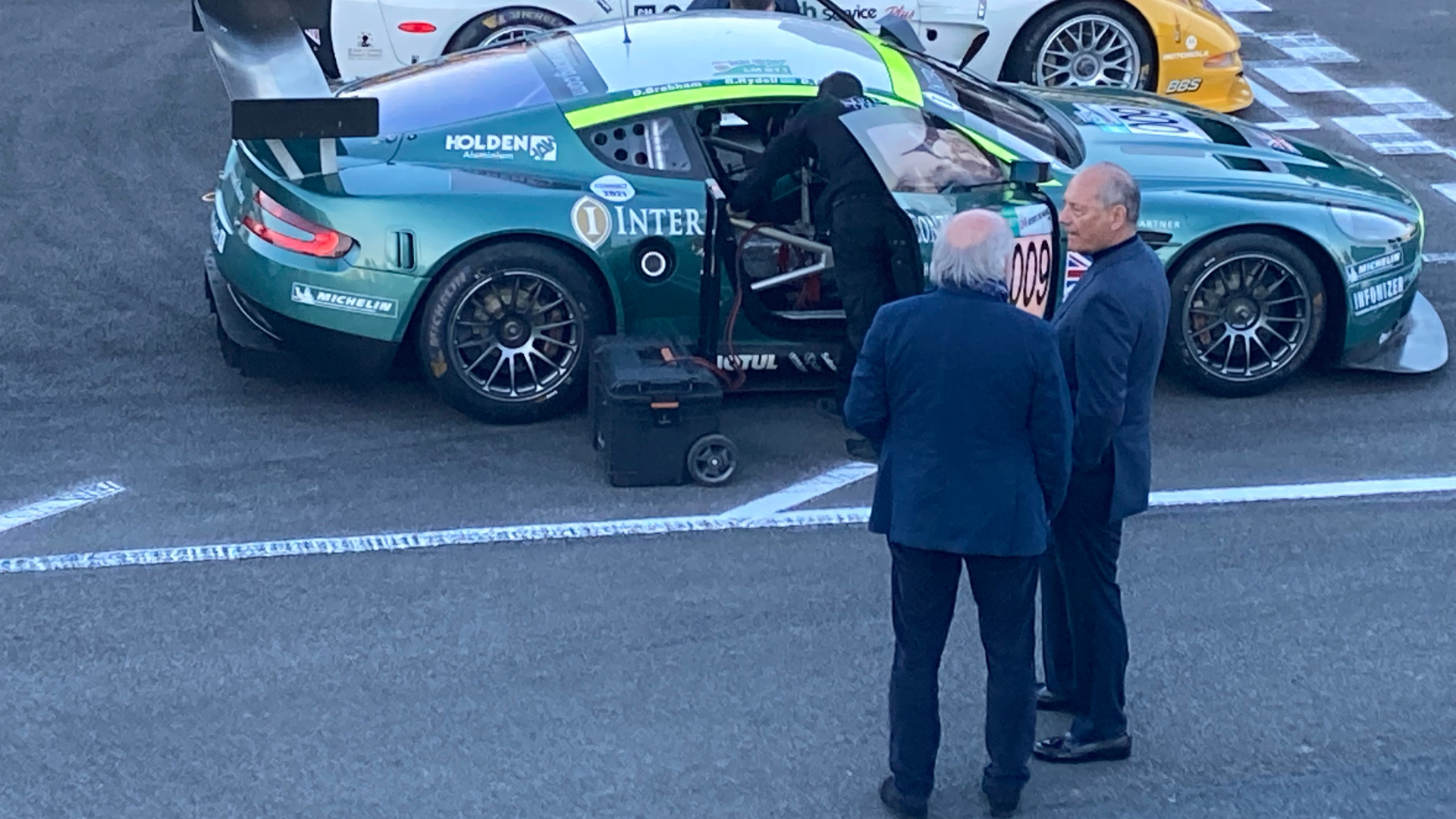
Since taking over Force India, Laurence Stroll has never shied away from the fact he wants to win, but how far are they away from that reality? Picture: Nick Butcher

When the trouble started

On the Thursday, Adrian Newey confirmed the vibration problem from the Honda side was still unresolved, said the team was short on batteries, and revealed just how extreme the situation had become.

Alonso felt he could not do more than 25 laps without risking permanent nerve damage to his hands. Lance Stroll’s threshold was around 15.

Friday gave that problem a public shape. Alonso missed FP1, Stroll managed only three laps, and Aston remained adrift even after a fuller FP2.

Saturday brought another setback when Stroll could not qualify because of an oil-line issue linked to the power unit and needed special permission from the FIA just to start the race.

By Sunday, Aston Martin were no longer talking like a team competing in a Formula 1 season; they were talking like one trying to understand how everything worked.

Stroll described the race as nothing more than a practice run.

The self-feeding problem

Newey’s description of the issue as “a self-feeding problem” revealed more than just a difficult weekend.

The unresolved Honda vibration issue was not only limiting Aston Martin’s running, but also restricting the very low-fuel laps needed to understand the car properly, because fuel itself acted as a damper on the battery.

In other words, the team was not just losing mileage — it was losing the *quality* of mileage that teaches you where the car really is.

The less it ran, the less it knew.

And the less it knew, the harder it became to solve anything else.

That is what made the problem so dangerous: it was not simply slowing Aston Martin down, but slowing the process by which Aston Martin could understand how to speed itself up.

Where Honda matters

Honda matters here not as a scapegoat, but because this is where the seam of the partnership sits.

The vibration issue may have started on the power-unit side, but by Melbourne it was distorting everything around it — battery life, mileage, driver comfort, setup work, and Aston Martin’s ability to understand its own chassis.

Problems like that are harder than ordinary faults because they sit between organisations, not inside one of them.

Honda arrived with a countermeasure rather than a cure, and Newey also pointed to a deeper constraint: only around 30% of the original Honda personnel remained from its previous F1 era.

It was a reminder that big partnerships do not become seamless the moment the branding goes live.

And history shows just how fragile those early phases can be.

Case Study 1 - McLaren and Honda (2015-2017): When Integration Fails

Honda’s previous return to Formula One with McLaren was built on similar expectations.

The partnership revived one of the sport’s most iconic combinations - the McLaren-Honda era that dominated the late 1980s - and promised to recreate that success in the hybrid era.

Instead, it became one of the most painful manufacturer partnerships in modern F1.

Honda’s initial power unit was underpowered and unreliable, but the deeper issue was structural. Honda operated largely from Japan while McLaren ran from the UK, creating long development loops and communication delays. Problems were often discovered late and solved slowly.

Meanwhile, the public narrative quickly turned toxic. McLaren leadership criticised Honda openly, drivers voiced frustration on team radio, and confidence inside the partnership eroded almost as quickly as performance on track.

By 2017 the relationship had collapsed.

The lesson was clear: technical problems become existential when trust disappears at the same time.
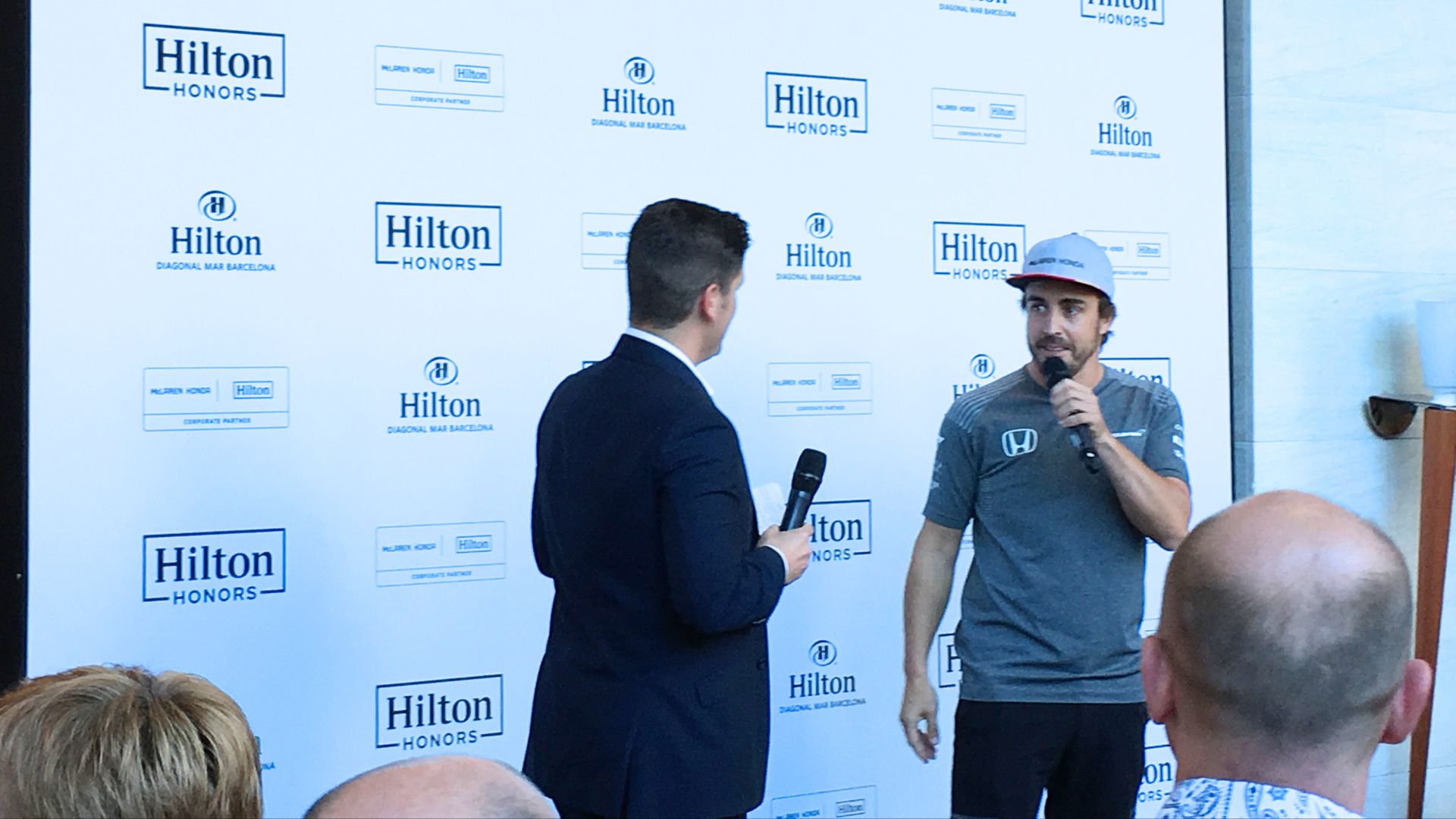
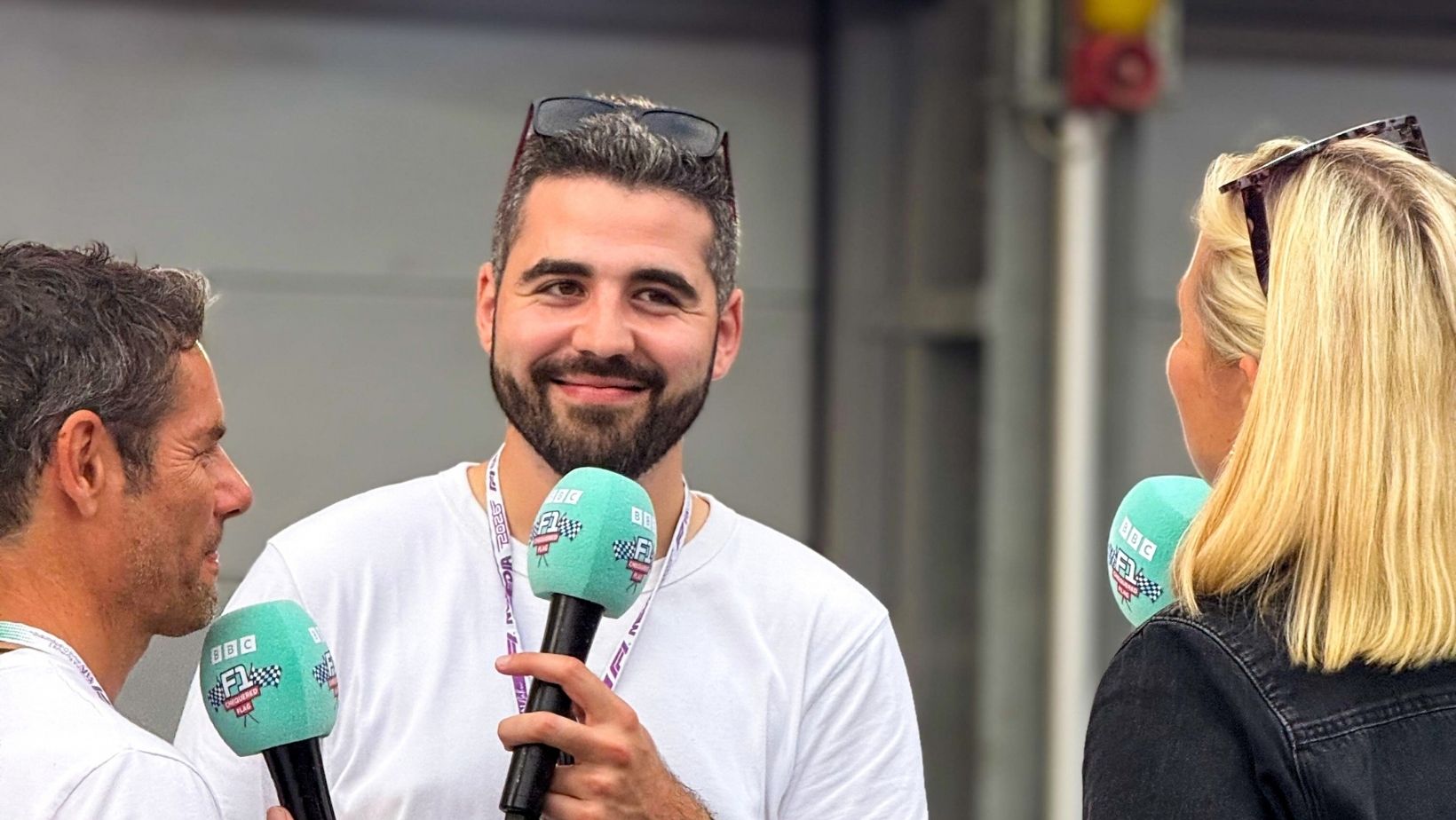
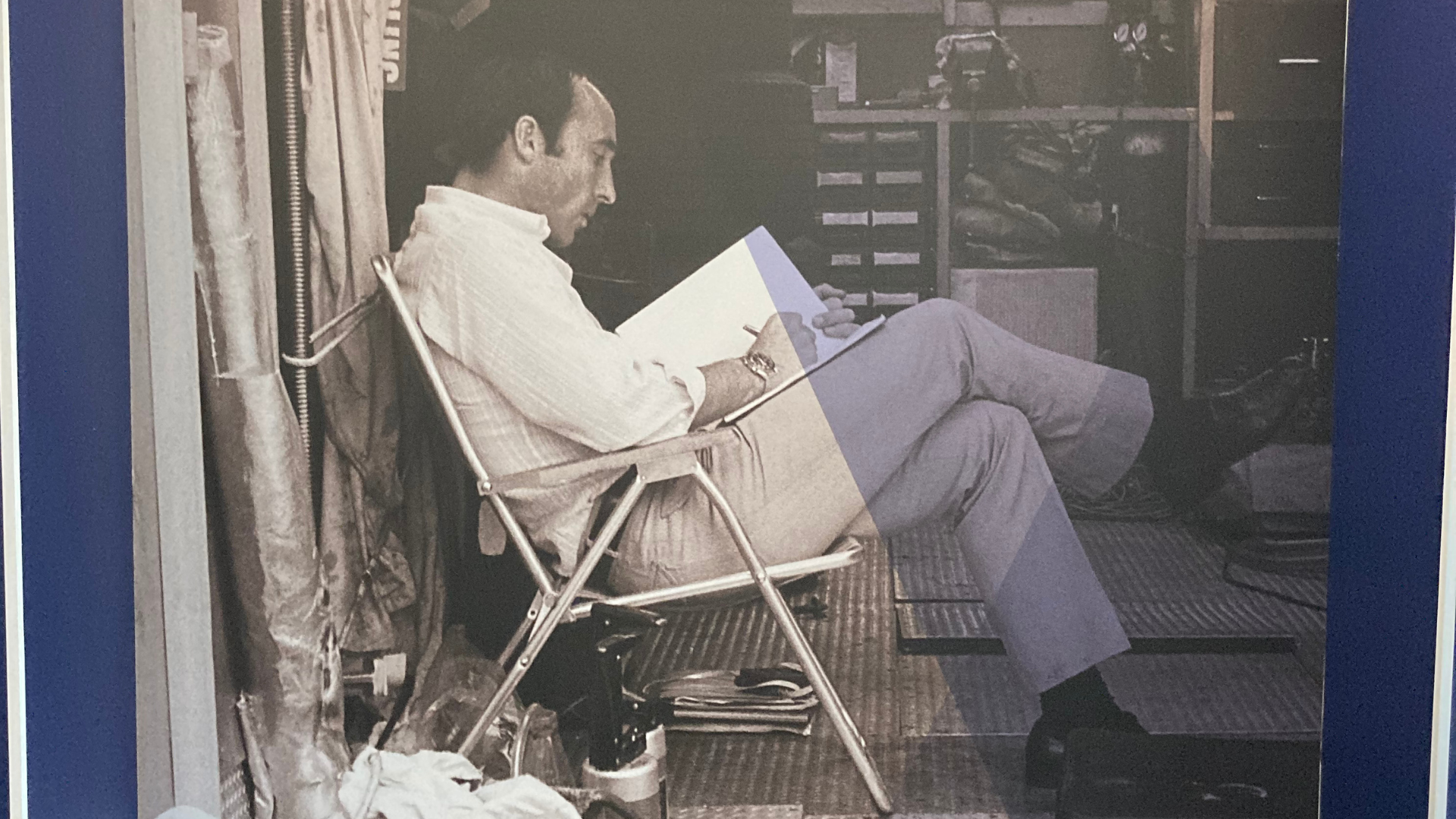
That same feeling, Fernando Alonso taking questions during his stint with McLaren Honda. Picture: Nick Butcher

Case Study 2 - Red Bull and Honda (2018-2025): When Integration Works

Honda’s story in Formula One did not end there.

Instead, it quietly rebuilt its credibility through a different type of partnership with Red Bull Racing.

The shift began in 2018 with Toro Rosso, which allowed Honda to develop its power unit under lower pressure while learning how to integrate more closely with a European race team.

When the full Red Bull partnership began in 2019, the dynamic had fundamentally changed.

Communication was tighter. Development cycles were faster. Honda engineers worked more closely with the chassis group. Problems were solved collectively rather than publicly assigned.

The results followed.

Race wins arrived in 2019. By 2021, Red Bull and Honda delivered a drivers’ championship with Max Verstappen. Even after Honda formally withdrew as a works supplier, the partnership continued operationally through Red Bull Powertrains until the end of the 2025 season.

The transformation was not purely technical.

It was organisational.

Honda had learned that success in modern Formula One depends less on isolated engineering brilliance and more on integration speed between partners.
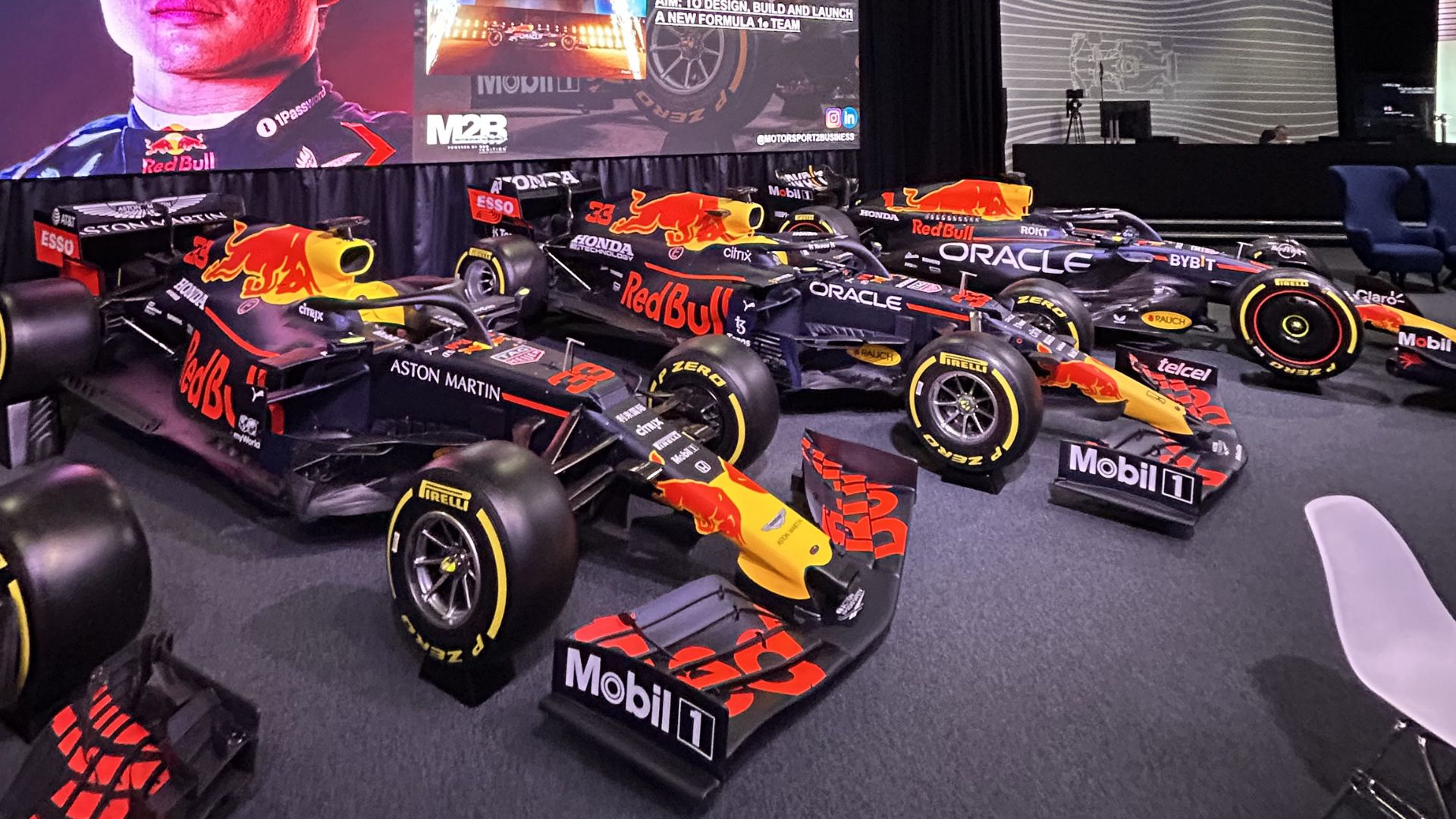
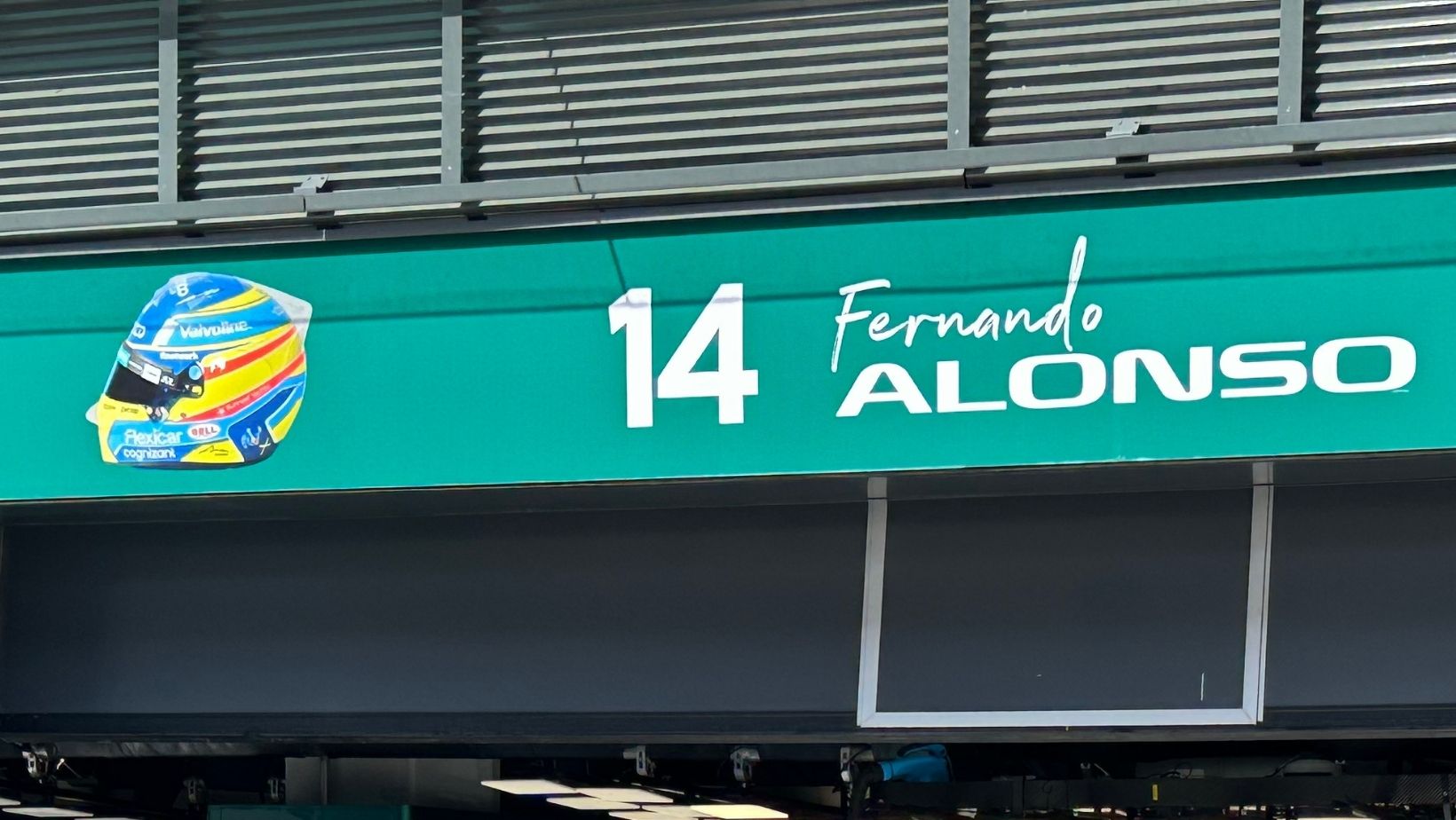
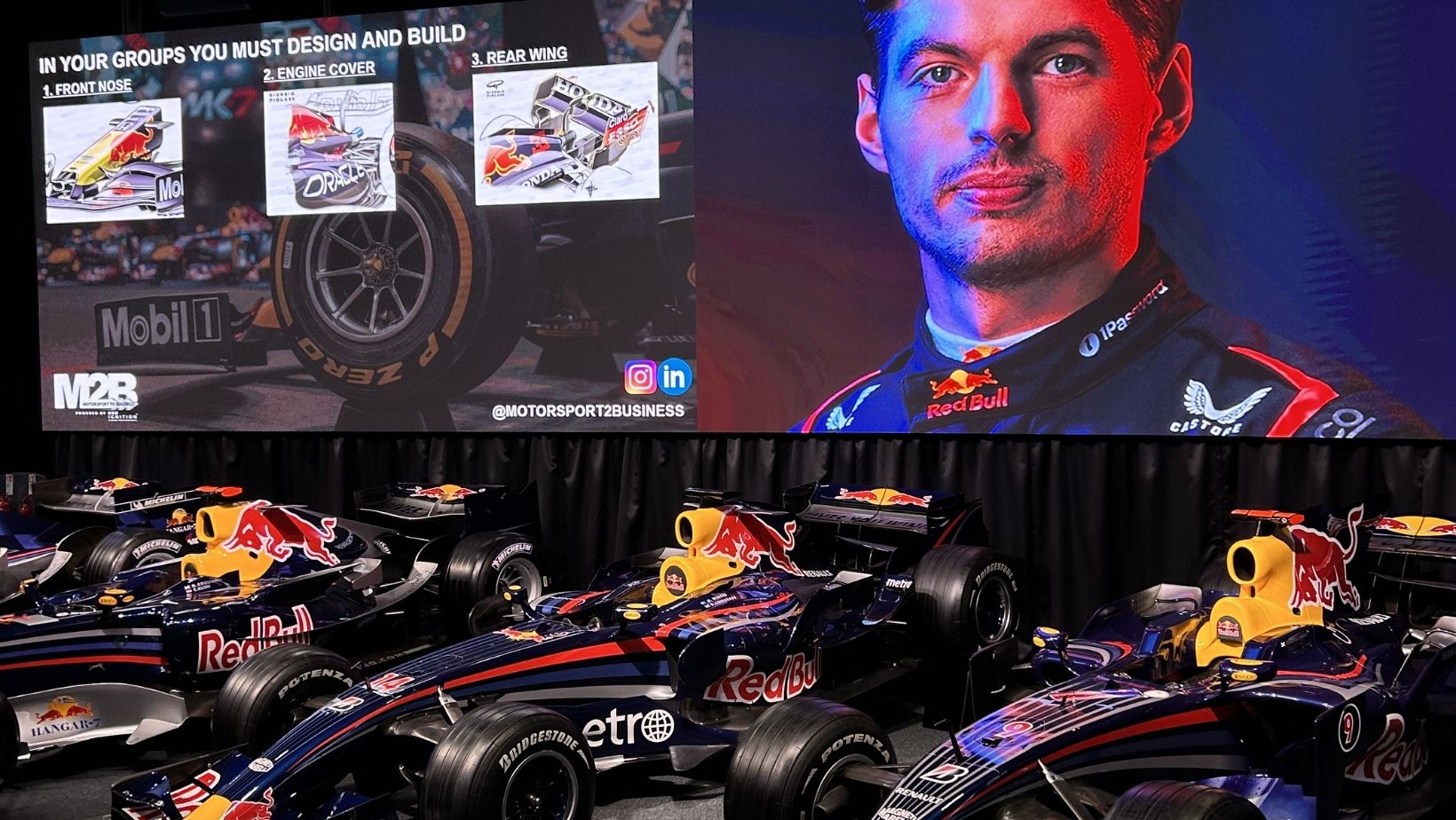
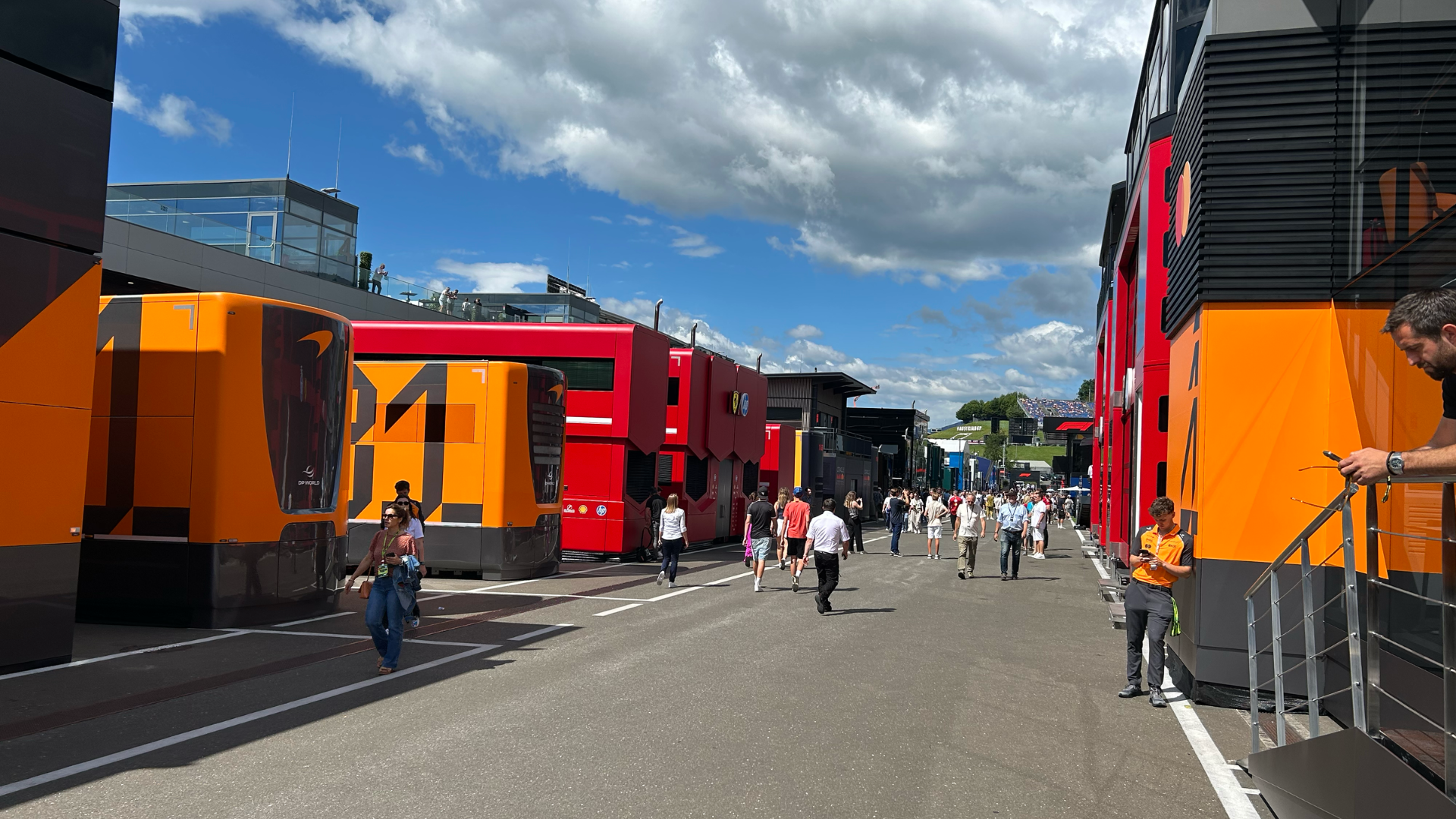
The Red Bull/Honda partnership led to 4 Drivers and 2 Constructors Championship. Picture: Nick Butcher

What Aston Martin Can Learn

The contrast between Honda’s two partnerships offers Aston Martin a clear roadmap for what comes next.

First, the McLaren years demonstrate the danger of public misalignment. When communication breaks down between organisations, technical problems multiply and confidence disappears. Aston Martin must ensure that internal transparency does not turn into external blame.

Second, the Red Bull era shows the value of rapid organisational integration. The faster engineers, processes and decision loops connect across both organisations, the faster problems become solvable rather than structural.

Finally, the Red Bull partnership proved that early struggles do not define the long-term trajectory. Honda went from embarrassment to championship success in just a few seasons.

But that recovery happened because both sides aligned around learning speed rather than reputation management.

That may be the most important lesson for Aston Martin now.

What Melbourne Actually Delivered

The results themselves told the story.

Alonso’s best qualifying lap left him 17th on the grid, more than three seconds slower than George Russell’s pole time of 1:18.518. Stroll, hit by the oil-line problem, did not set a qualifying lap at all and started 22nd.

On Sunday, Alonso briefly climbed to P10, but Aston Martin’s afternoon soon turned into something stranger.

The team brought him into the garage to check the car, sent him back out, and then retired it later in the race, leaving him with just 21 laps completed.

Stroll’s race followed a similar logic. Aston kept him running, brought him in for checks, then sent him back out to gather more mileage, even though any competitive objective had long since gone.

When the chequered flag fell, Stroll was still on track - but 15 laps down and ultimately unclassified.

In outcome terms, Aston Martin left Melbourne with almost nothing.

In information terms, it left with at least something to take to China.

When a Launch Stops Teaching You

This is the real risk when a flagship partnership launches before it is operationally ready.

A first outing is meant to do three jobs at once:

- validate the package
- build confidence around it
- produce the clean feedback that makes the next step better

In Melbourne, Aston Martin and Honda only really managed the third.

The weekend did not confirm the concept, and it did little to strengthen belief; it simply generated enough information to keep the programme alive.

That is what makes these starts so costly.

Once a launch stops teaching you cleanly, every public appearance begins to consume more than it creates - burning time, components and credibility just to buy back a stable platform from which progress can begin again.
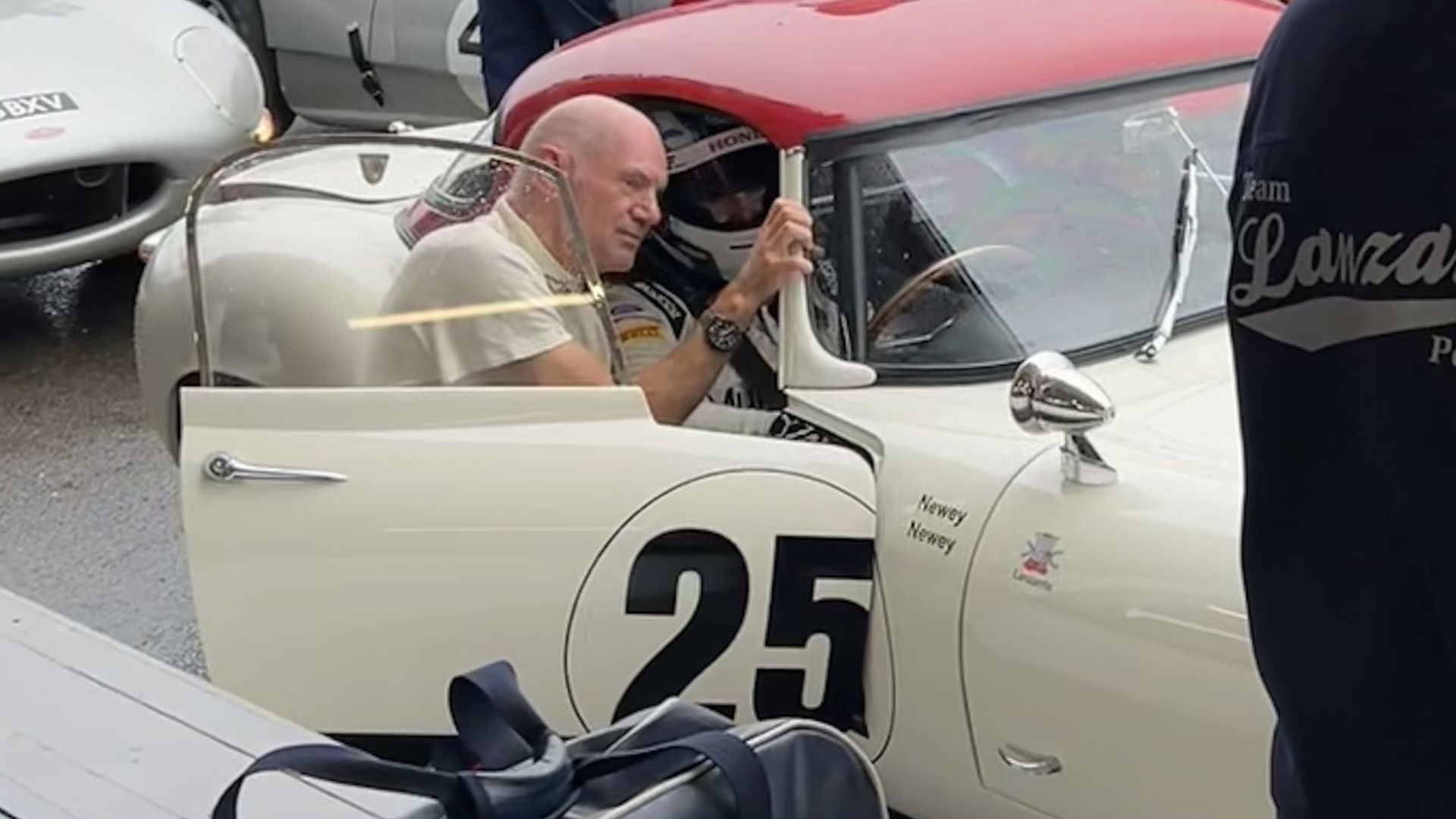
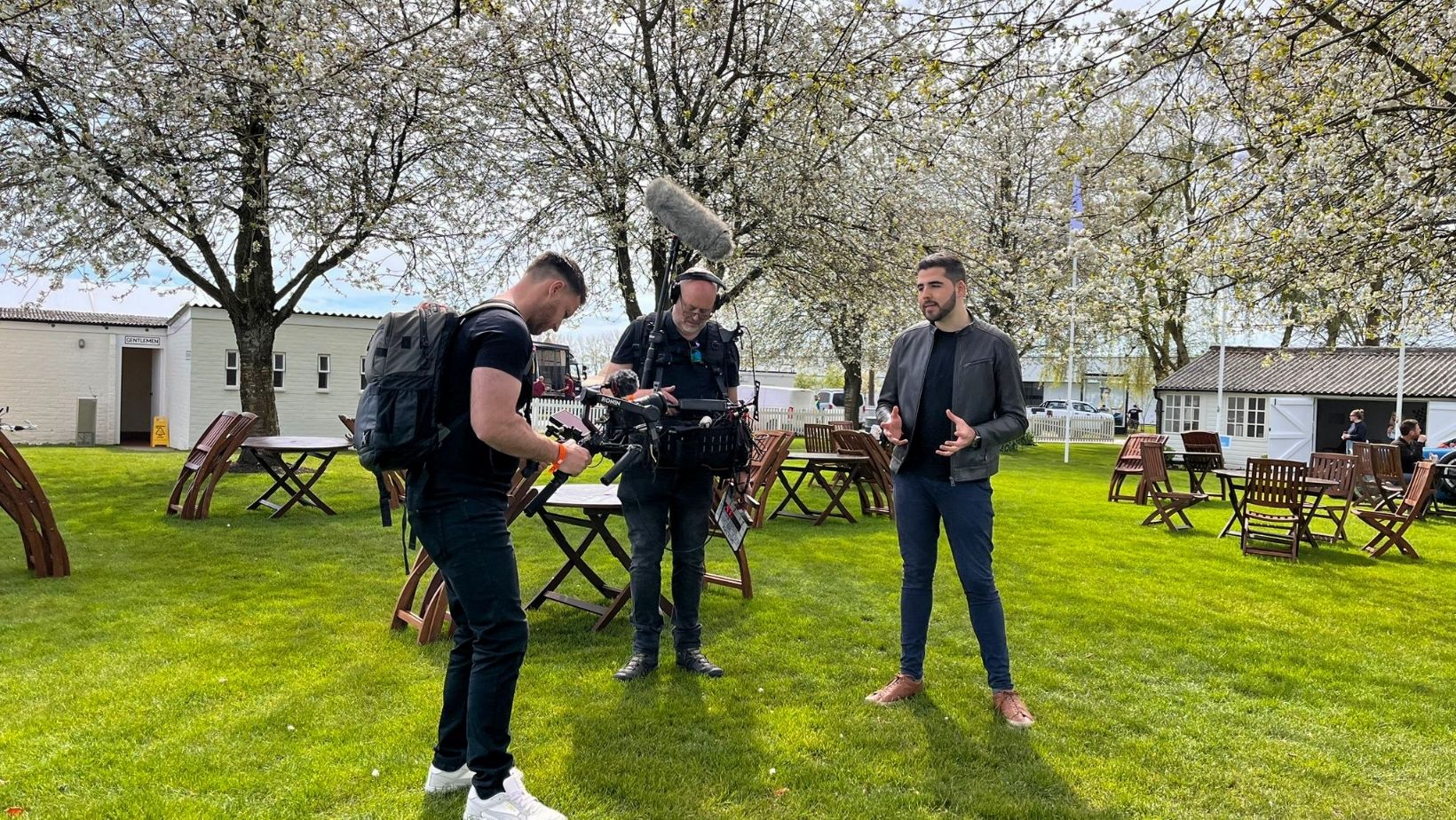
Can Team Principal Adrian Newey, here Goodwood Revivial, take his experience from Red Bull and make Aston Martin serial winners? Picture: Nick Butcher

Motorsport to Business - Key Takeaways:

1. A launch is an operational test, not a marketing moment

In motorsport and business alike, a launch is often treated as a communications milestone. In reality it is a stress test of the entire system. If the product or partnership cannot generate clean feedback, the launch delays progress instead of accelerating it.

2. Partnership seams are where the hardest problems live

Most failures do not sit neatly inside one organisation. They appear at the boundaries between teams, departments or companies. The faster those seams are integrated - technically and culturally - the faster problems become solvable.

3. Public setbacks must still generate value

Every race weekend costs money, resources and reputation. If those investments do not produce learning or progress, they quickly become liabilities. Organisations must ensure setbacks still produce useful data, insights or capability.

4. Communication alignment protects trust

The McLaren-Honda collapse shows how damaging public misalignment can be. Teams must ensure leadership, partners and stakeholders present a consistent narrative focused on solutions rather than blame.

5. Recovery depends on learning speed

Honda’s turnaround with Red Bull shows that early failure does not define the future. What matters is whether the organisation can learn faster than the problem grows.

The Real Question for Aston Martin

The question facing Aston Martin after Melbourne is not whether the launch went badly.

That part is already obvious.

The real question is whether the partnership with Honda can now learn fast enough to turn an unfinished launch into a working one.

History suggests that outcome is still possible.

But history also shows it depends less on the technology than on the partnership behind it.

<< All articles

Honda, Aston Martin and the Danger of an Unfinished Launch

The mismatch between expectation and reality.

For the past few years, Aston Martin has moved in headlines. Fernando Alonso. Adrian Newey. Honda. Each name signalled the same thing: a team done thinking small.

That is what made the opening weekend of 2026 feel so jarring.

Instead of a statement, Aston Martin’s debut as Honda’s works partner became something closer to a survival exercise - a team learning in public how unfinished the package still was.

In our latest "Watch on Sunday, Learn on Monday", Rahil Hashmi reflects on a weekend full of lessons for the Silverstone based team and what they can learn from Honda's past working relationships with McLaren and Red Bull Racing.

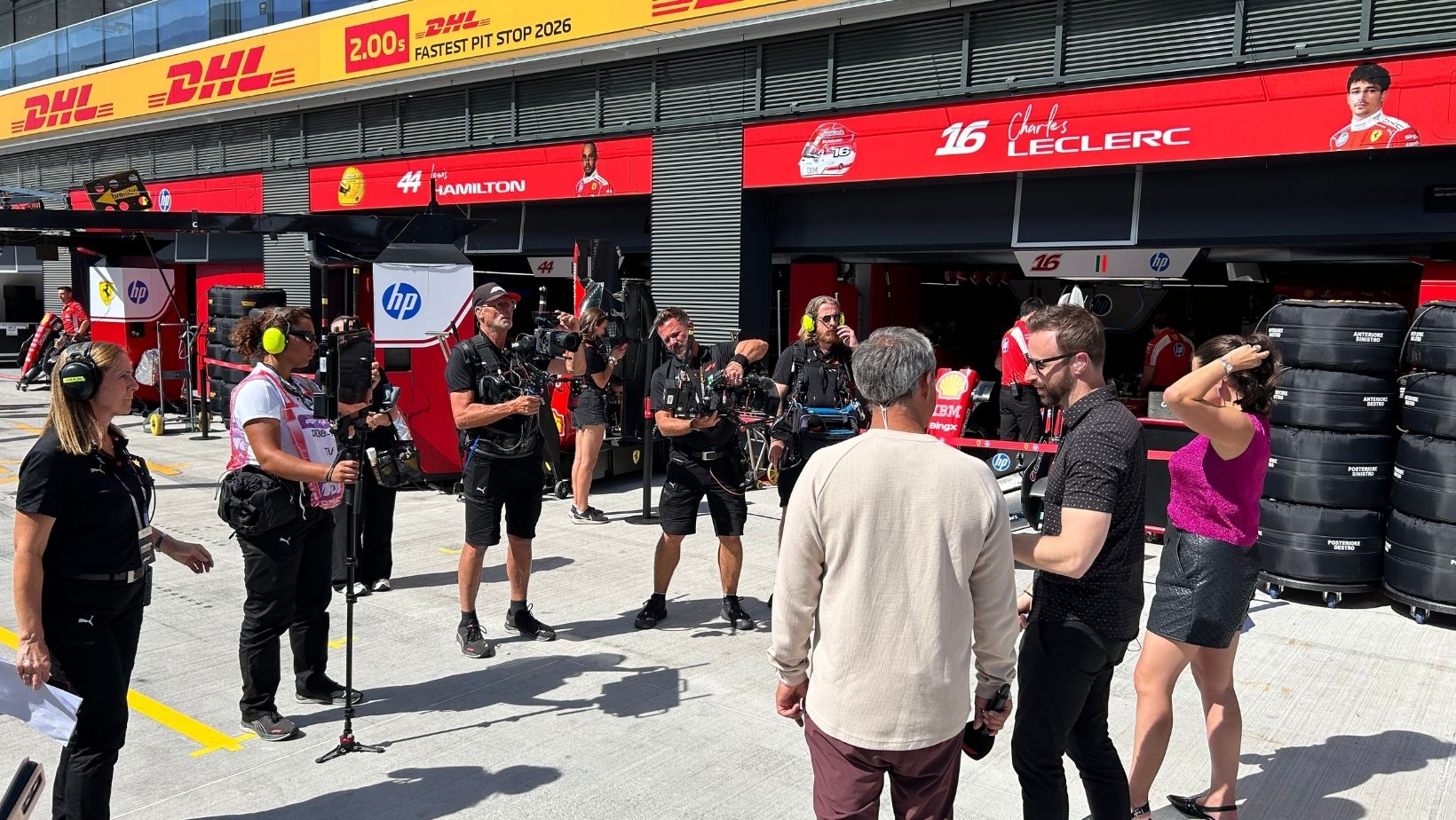
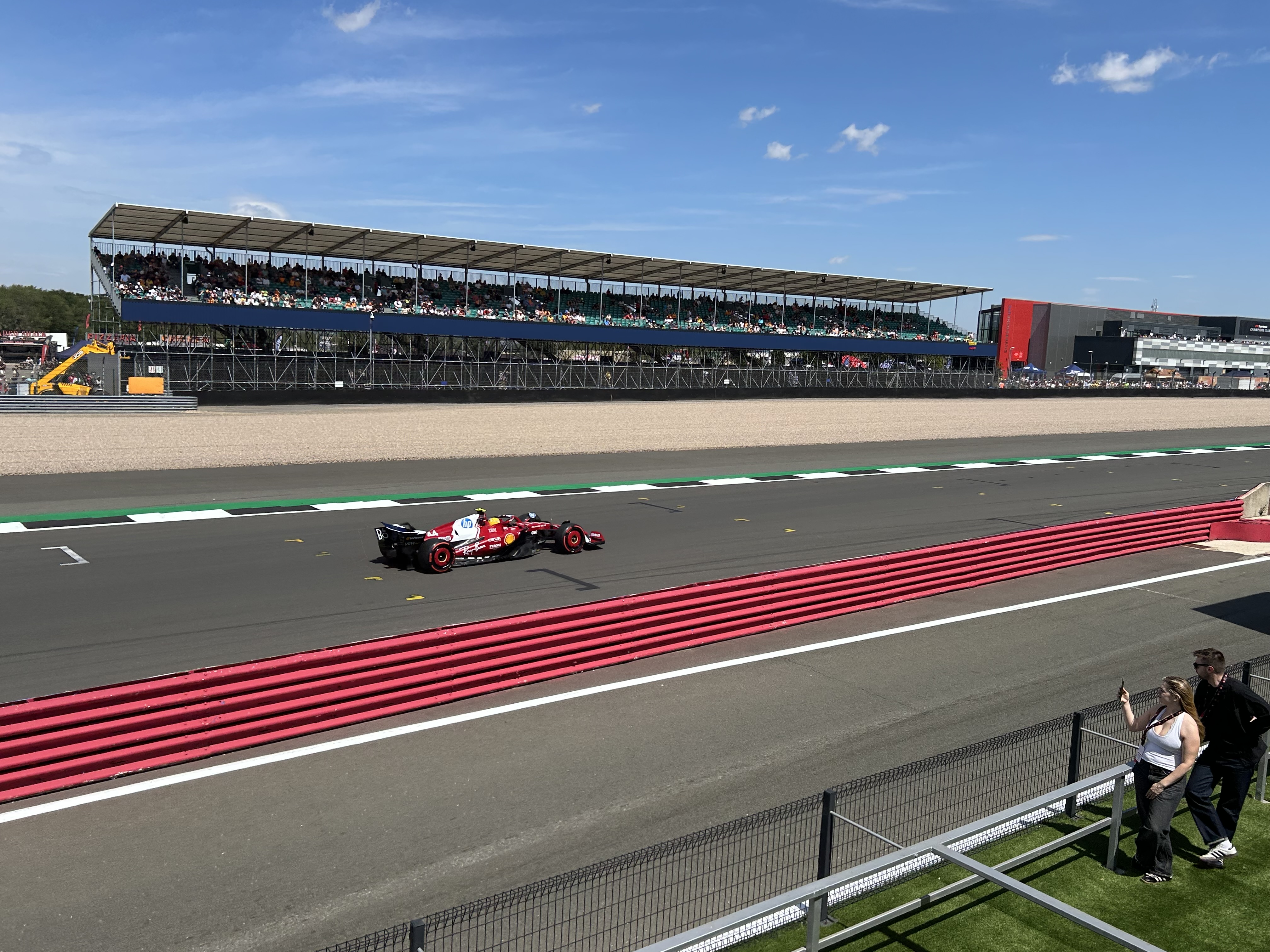
Since taking over Force India, Laurence Stroll has never shied away from the fact he wants to win, but how far are they away from that reality? Picture: Nick Butcher

When the trouble started

On the Thursday, Adrian Newey confirmed the vibration problem from the Honda side was still unresolved, said the team was short on batteries, and revealed just how extreme the situation had become.

Alonso felt he could not do more than 25 laps without risking permanent nerve damage to his hands. Lance Stroll’s threshold was around 15.

Friday gave that problem a public shape. Alonso missed FP1, Stroll managed only three laps, and Aston remained adrift even after a fuller FP2.

Saturday brought another setback when Stroll could not qualify because of an oil-line issue linked to the power unit and needed special permission from the FIA just to start the race.

By Sunday, Aston Martin were no longer talking like a team competing in a Formula 1 season; they were talking like one trying to understand how everything worked.

Stroll described the race as nothing more than a practice run.

The self-feeding problem

Newey’s description of the issue as “a self-feeding problem” revealed more than just a difficult weekend.

The unresolved Honda vibration issue was not only limiting Aston Martin’s running, but also restricting the very low-fuel laps needed to understand the car properly, because fuel itself acted as a damper on the battery.

In other words, the team was not just losing mileage — it was losing the *quality* of mileage that teaches you where the car really is.

The less it ran, the less it knew.

And the less it knew, the harder it became to solve anything else.

That is what made the problem so dangerous: it was not simply slowing Aston Martin down, but slowing the process by which Aston Martin could understand how to speed itself up.

Where Honda matters

Honda matters here not as a scapegoat, but because this is where the seam of the partnership sits.

The vibration issue may have started on the power-unit side, but by Melbourne it was distorting everything around it — battery life, mileage, driver comfort, setup work, and Aston Martin’s ability to understand its own chassis.

Problems like that are harder than ordinary faults because they sit between organisations, not inside one of them.

Honda arrived with a countermeasure rather than a cure, and Newey also pointed to a deeper constraint: only around 30% of the original Honda personnel remained from its previous F1 era.

It was a reminder that big partnerships do not become seamless the moment the branding goes live.

And history shows just how fragile those early phases can be.

Case Study 1 - McLaren and Honda (2015-2017): When Integration Fails

Honda’s previous return to Formula One with McLaren was built on similar expectations.

The partnership revived one of the sport’s most iconic combinations - the McLaren-Honda era that dominated the late 1980s - and promised to recreate that success in the hybrid era.

Instead, it became one of the most painful manufacturer partnerships in modern F1.

Honda’s initial power unit was underpowered and unreliable, but the deeper issue was structural. Honda operated largely from Japan while McLaren ran from the UK, creating long development loops and communication delays. Problems were often discovered late and solved slowly.

Meanwhile, the public narrative quickly turned toxic. McLaren leadership criticised Honda openly, drivers voiced frustration on team radio, and confidence inside the partnership eroded almost as quickly as performance on track.

By 2017 the relationship had collapsed.

The lesson was clear: technical problems become existential when trust disappears at the same time.

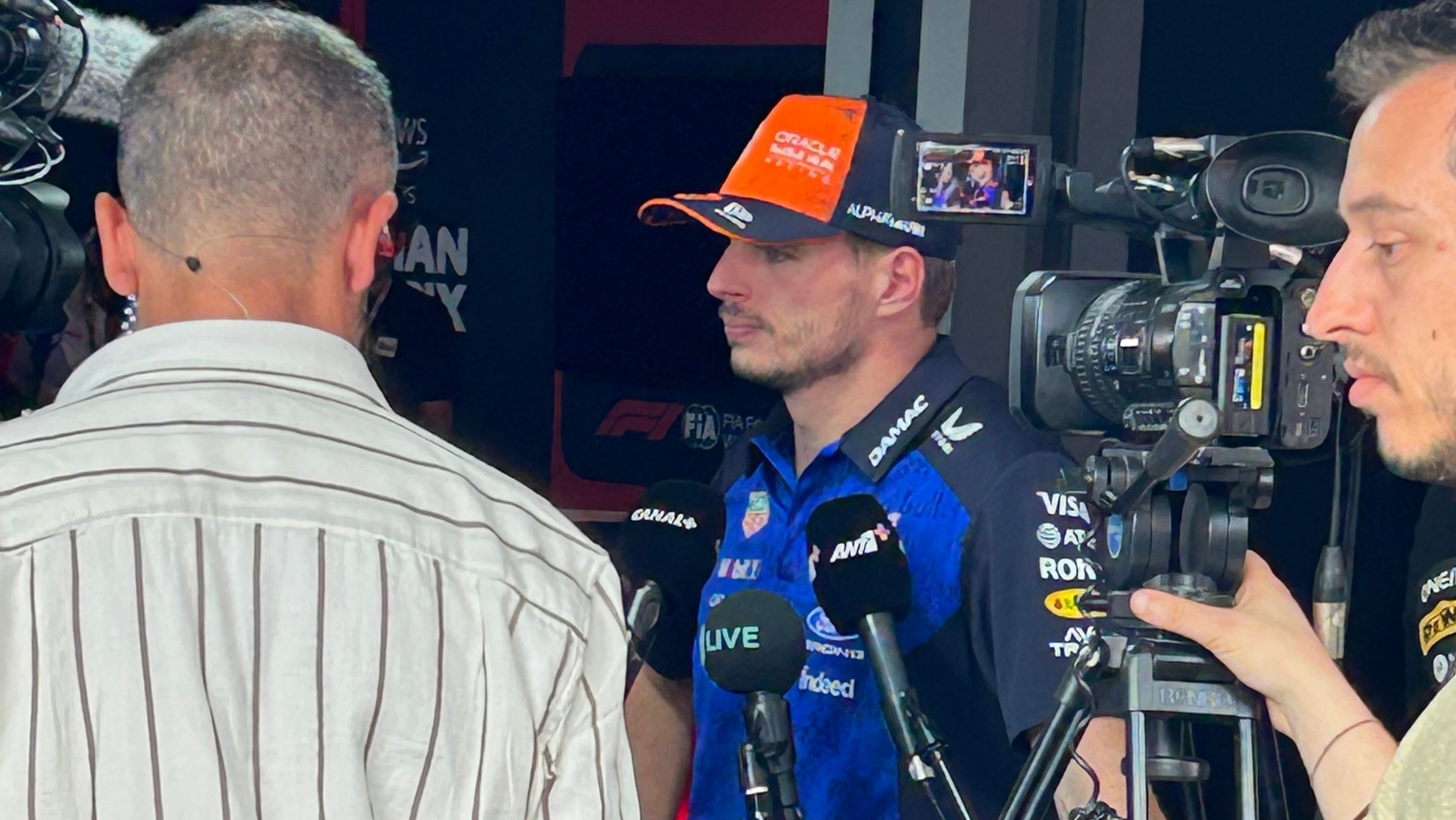
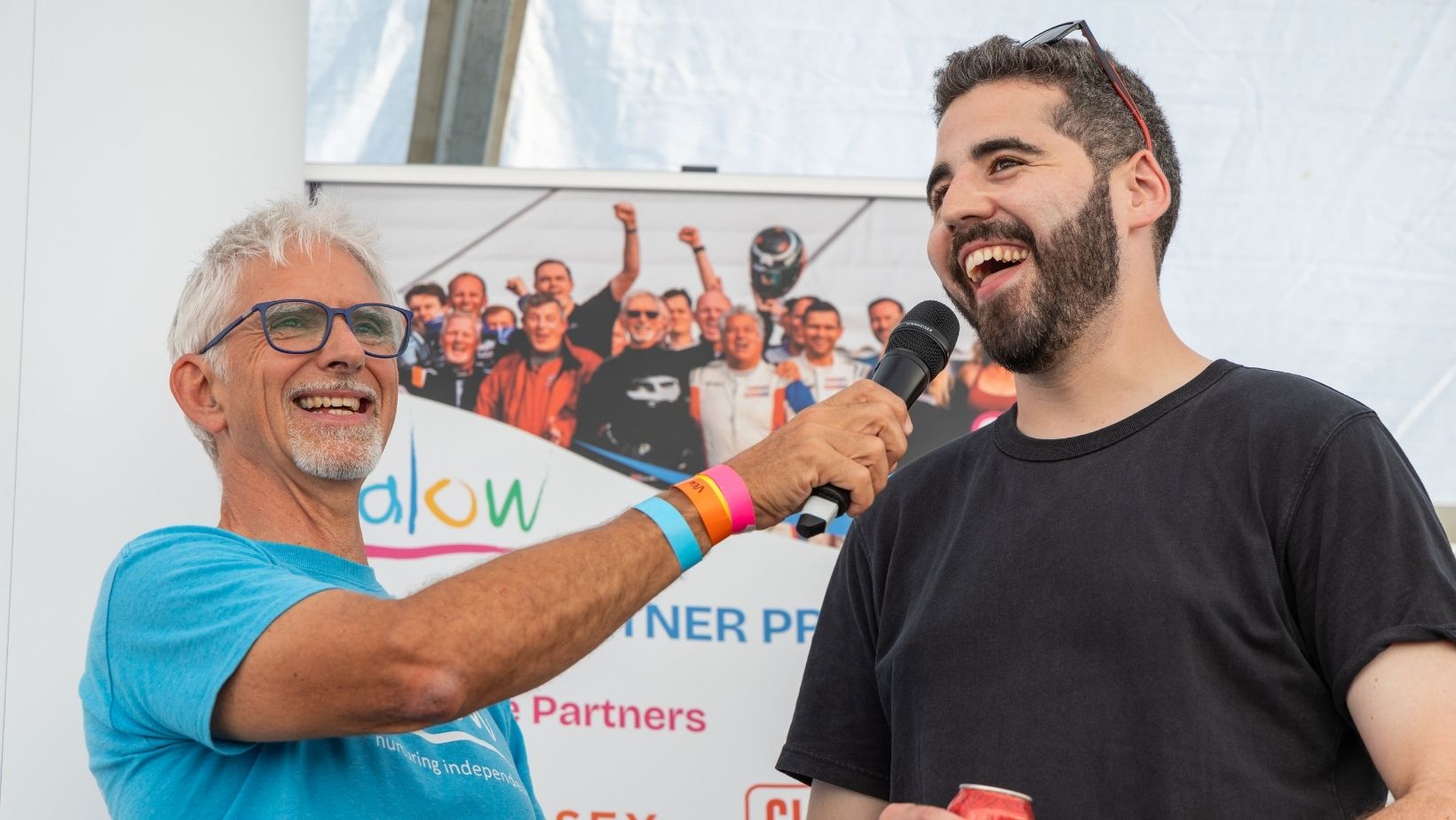
That same feeling, Fernando Alonso taking questions during his stint with McLaren Honda. Picture: Nick Butcher

Case Study 2 - Red Bull and Honda (2018-2025): When Integration Works

Honda’s story in Formula One did not end there.

Instead, it quietly rebuilt its credibility through a different type of partnership with Red Bull Racing.

The shift began in 2018 with Toro Rosso, which allowed Honda to develop its power unit under lower pressure while learning how to integrate more closely with a European race team.

When the full Red Bull partnership began in 2019, the dynamic had fundamentally changed.

Communication was tighter. Development cycles were faster. Honda engineers worked more closely with the chassis group. Problems were solved collectively rather than publicly assigned.

The results followed.

Race wins arrived in 2019. By 2021, Red Bull and Honda delivered a drivers’ championship with Max Verstappen. Even after Honda formally withdrew as a works supplier, the partnership continued operationally through Red Bull Powertrains until the end of the 2025 season.

The transformation was not purely technical.

It was organisational.

Honda had learned that success in modern Formula One depends less on isolated engineering brilliance and more on integration speed between partners.

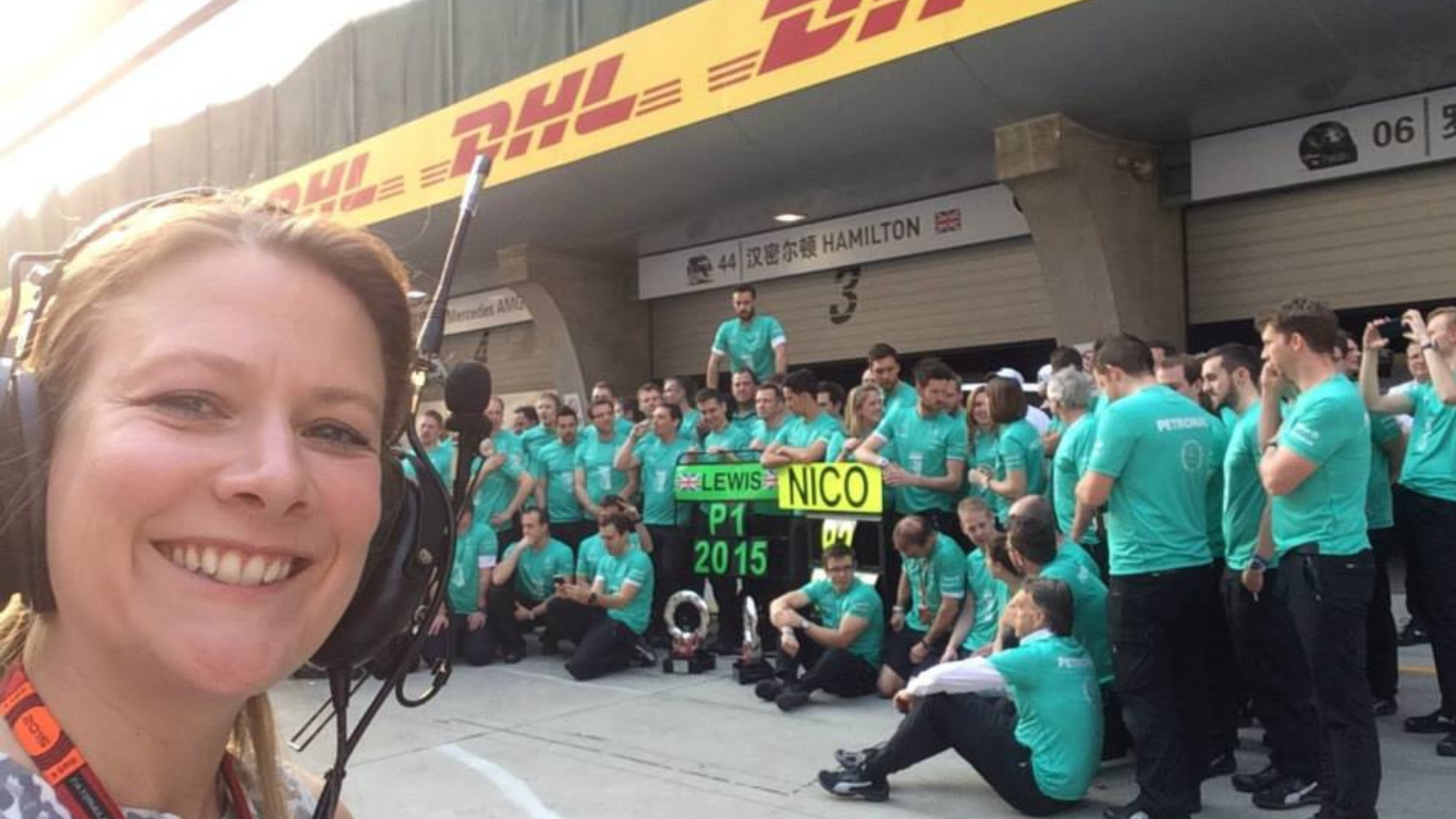
The Red Bull/Honda partnership led to 4 Drivers and 2 Constructors Championship. Picture: Nick Butcher

What Aston Martin Can Learn

The contrast between Honda’s two partnerships offers Aston Martin a clear roadmap for what comes next.

First, the McLaren years demonstrate the danger of public misalignment. When communication breaks down between organisations, technical problems multiply and confidence disappears. Aston Martin must ensure that internal transparency does not turn into external blame.

Second, the Red Bull era shows the value of rapid organisational integration. The faster engineers, processes and decision loops connect across both organisations, the faster problems become solvable rather than structural.

Finally, the Red Bull partnership proved that early struggles do not define the long-term trajectory. Honda went from embarrassment to championship success in just a few seasons.

But that recovery happened because both sides aligned around learning speed rather than reputation management.

That may be the most important lesson for Aston Martin now.

What Melbourne Actually Delivered

The results themselves told the story.

Alonso’s best qualifying lap left him 17th on the grid, more than three seconds slower than George Russell’s pole time of 1:18.518. Stroll, hit by the oil-line problem, did not set a qualifying lap at all and started 22nd.

On Sunday, Alonso briefly climbed to P10, but Aston Martin’s afternoon soon turned into something stranger.

The team brought him into the garage to check the car, sent him back out, and then retired it later in the race, leaving him with just 21 laps completed.

Stroll’s race followed a similar logic. Aston kept him running, brought him in for checks, then sent him back out to gather more mileage, even though any competitive objective had long since gone.

When the chequered flag fell, Stroll was still on track - but 15 laps down and ultimately unclassified.

In outcome terms, Aston Martin left Melbourne with almost nothing.

In information terms, it left with at least something to take to China.

When a Launch Stops Teaching You

This is the real risk when a flagship partnership launches before it is operationally ready.

A first outing is meant to do three jobs at once:

- validate the package
- build confidence around it
- produce the clean feedback that makes the next step better

In Melbourne, Aston Martin and Honda only really managed the third.

The weekend did not confirm the concept, and it did little to strengthen belief; it simply generated enough information to keep the programme alive.

That is what makes these starts so costly.

Once a launch stops teaching you cleanly, every public appearance begins to consume more than it creates - burning time, components and credibility just to buy back a stable platform from which progress can begin again.

Can Team Principal Adrian Newey, here Goodwood Revivial, take his experience from Red Bull and make Aston Martin serial winners? Picture: Nick Butcher

Motorsport to Business - Key Takeaways:

1. A launch is an operational test, not a marketing moment

In motorsport and business alike, a launch is often treated as a communications milestone. In reality it is a stress test of the entire system. If the product or partnership cannot generate clean feedback, the launch delays progress instead of accelerating it.

2. Partnership seams are where the hardest problems live

Most failures do not sit neatly inside one organisation. They appear at the boundaries between teams, departments or companies. The faster those seams are integrated - technically and culturally - the faster problems become solvable.

3. Public setbacks must still generate value

Every race weekend costs money, resources and reputation. If those investments do not produce learning or progress, they quickly become liabilities. Organisations must ensure setbacks still produce useful data, insights or capability.

4. Communication alignment protects trust

The McLaren-Honda collapse shows how damaging public misalignment can be. Teams must ensure leadership, partners and stakeholders present a consistent narrative focused on solutions rather than blame.

5. Recovery depends on learning speed

Honda’s turnaround with Red Bull shows that early failure does not define the future. What matters is whether the organisation can learn faster than the problem grows.

The Real Question for Aston Martin

The question facing Aston Martin after Melbourne is not whether the launch went badly.

That part is already obvious.

The real question is whether the partnership with Honda can now learn fast enough to turn an unfinished launch into a working one.

History suggests that outcome is still possible.

But history also shows it depends less on the technology than on the partnership behind it.