
The Feedback We Never Ask For and British Grand Prix Preview
Part 1: The Feedback We Never Ask For
Last week I did something I should probably have done a long time ago.
I picked up the phone and asked for feedback.
Now, that doesn't sound particularly groundbreaking. Most businesses have annual reviews, quarterly reviews and enough feedback forms to sink a small ship. Yet when it comes to our own careers, it's remarkable how often we avoid the very conversations that could help us most.
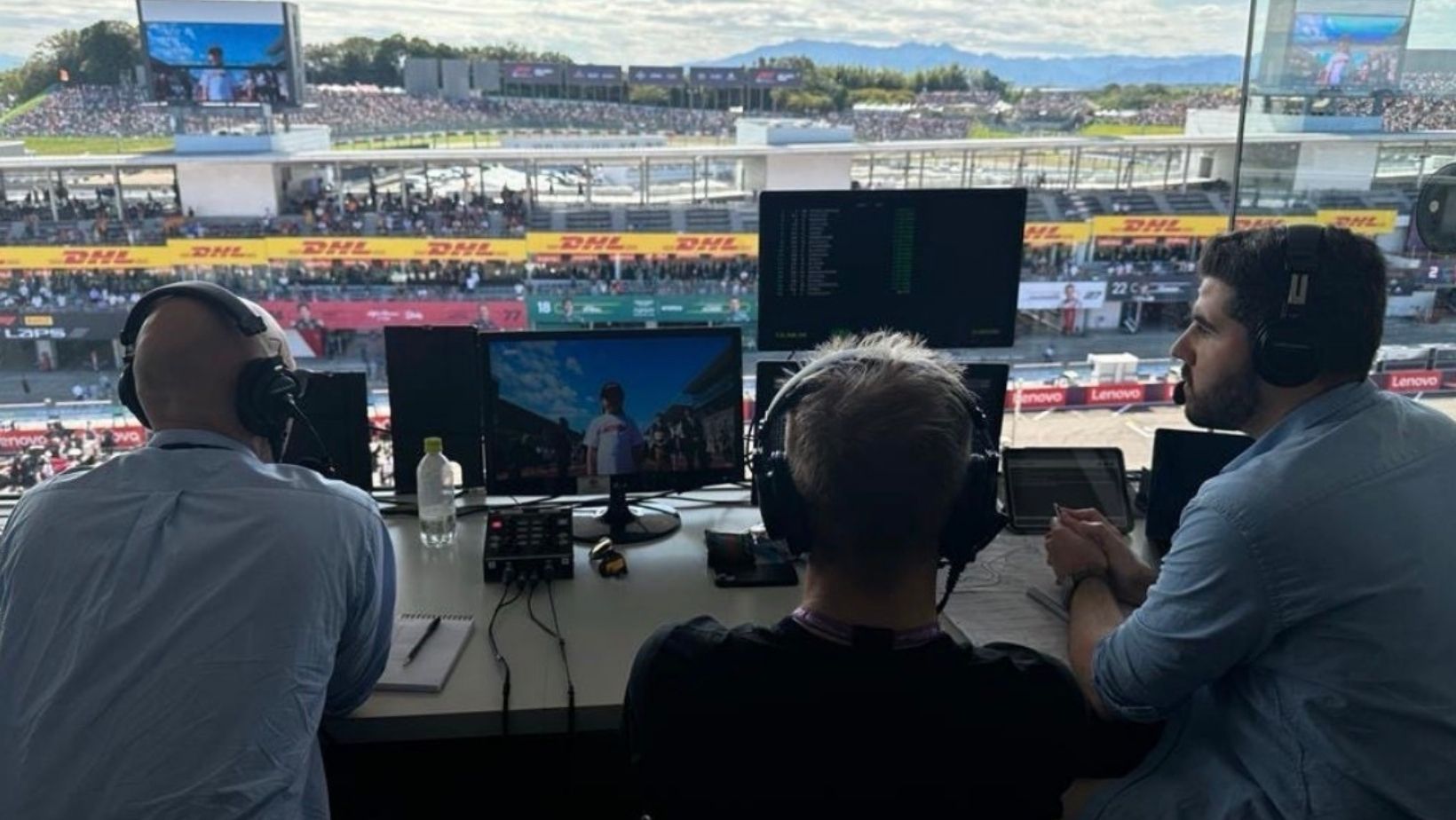
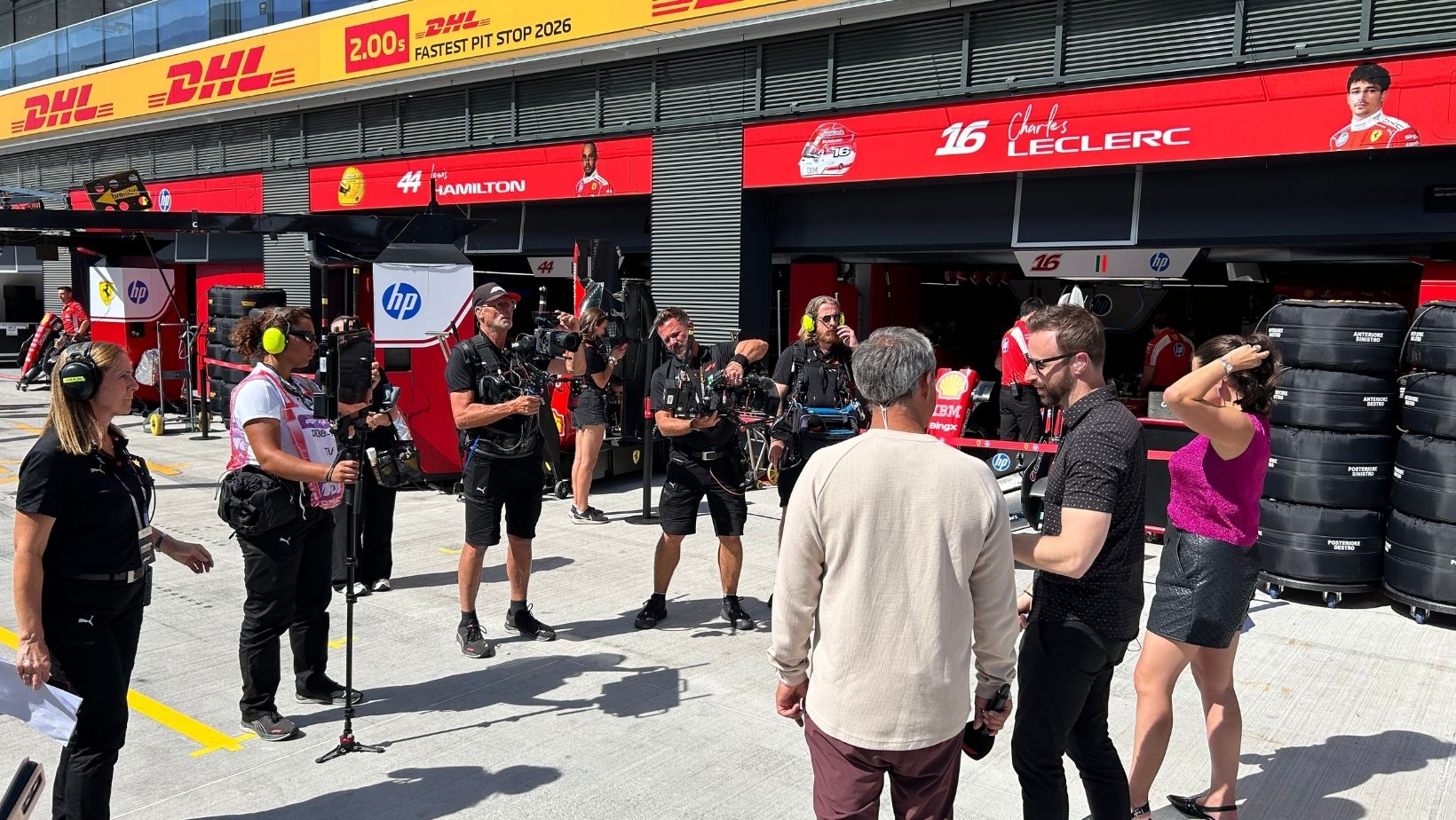
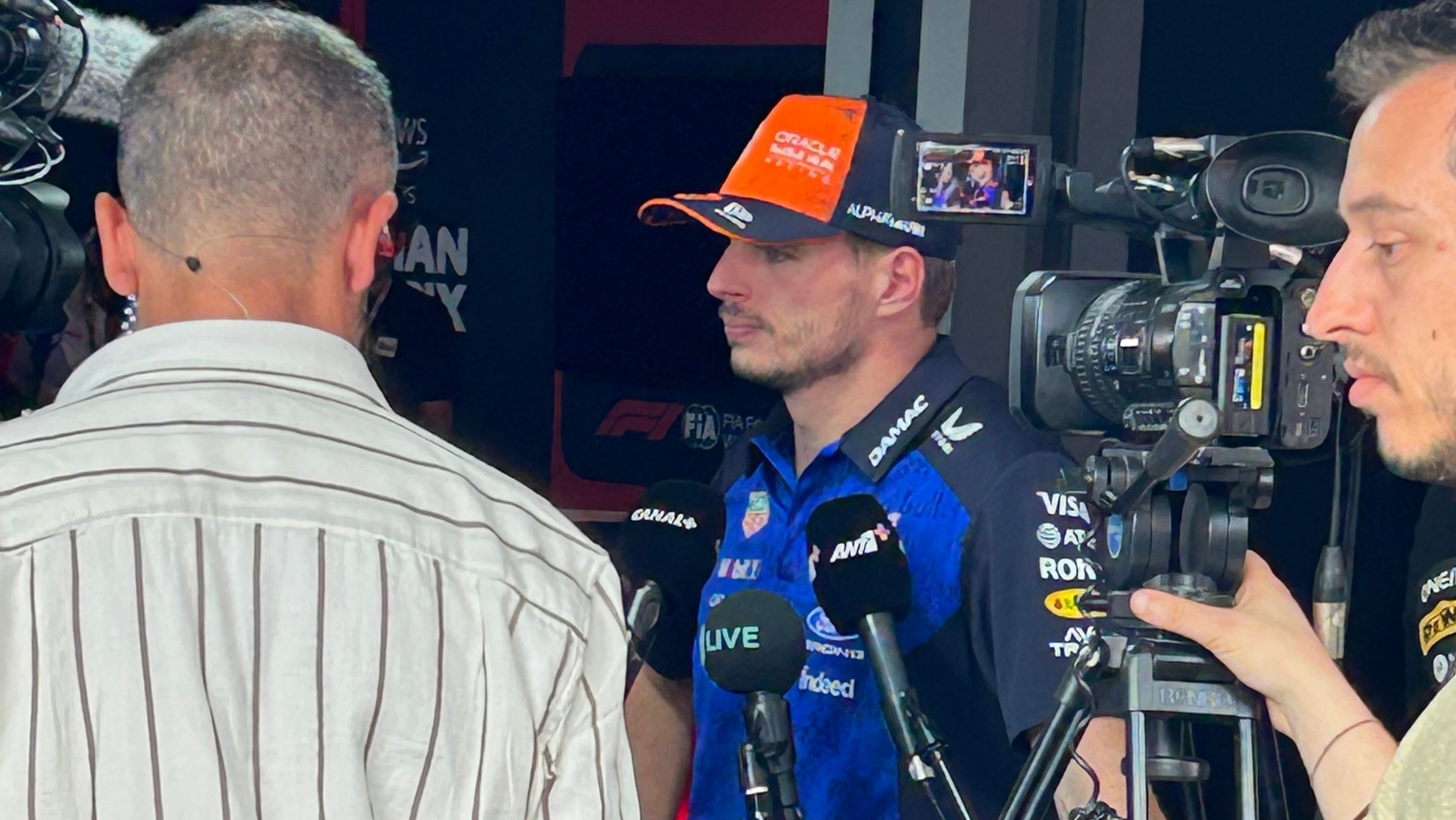
In my case, the timing was interesting. I'd just come off the back of one of the busiest Formula 1 weeks I've had in a while. There was commentary in Barcelona, appearances across Sky's coverage and then a trip to Madrid to film a feature ahead of Formula 1's newest circuit joining the calendar.
As always after a big event, I had my own view of how things had gone. There were moments I was pleased with, moments I replayed in my head on the flight home and plenty of assumptions about what other people probably thought.
The problem with assumptions is that they have a habit of filling the space where information should be.
When we don't know what somebody thinks, we tend to create our own version. Sometimes we convince ourselves everything is brilliant. More often, at least in my experience, we do the opposite.
We focus on the one awkward meeting, the presentation that didn't quite land or the throwaway comment from a colleague and build an entire narrative around it. Before long we're responding to feedback that nobody has actually given us.
That's why I wanted the conversation.
Not because I was looking for reassurance, but because I was tired of guessing.
What struck me most wasn't the feedback itself. Some of it was positive, some of it was constructive and all of it was useful. What surprised me was how different it was from the conversation I'd already had in my own head.
The areas I was most concerned about weren't necessarily the areas that came up. Equally, there were things I hadn't thought much about that became important discussion points.
It reminded me of something Formula 1 teams are exceptionally good at.
They don't spend much time guessing.
A driver can climb out of the car convinced a particular corner cost him half a second. Five minutes later the data might show the time loss was somewhere completely different. Engineers don't rely on feelings because feelings are often incomplete. They use evidence to understand what actually happened before deciding what to change.
Business is no different, although we're often far less disciplined about it.
I've lost count of the number of people I've met who are working incredibly hard without ever really understanding what success looks like in the eyes of the people around them. They assume they're being judged on one thing when the organisation values something entirely different. They spend months trying to solve problems that don't exist while overlooking opportunities that are right in front of them.
The irony is that feedback becomes more valuable the further you progress in your career.
Early on, improvement is often obvious. You need experience, knowledge and exposure. Later, the gains become much smaller and far more specific. The difference between being good and being excellent is rarely found in wholesale changes. More often it comes from a handful of subtle adjustments that somebody else can see far more clearly than you can.
Looking back, my biggest frustration isn't anything that was said during the conversation.
It's that I didn't have it sooner.
Not because I think it would have transformed my career overnight, but because clarity is useful. Once you know what people value, what they want more of and where they think you can improve, you stop wasting energy trying to read minds.
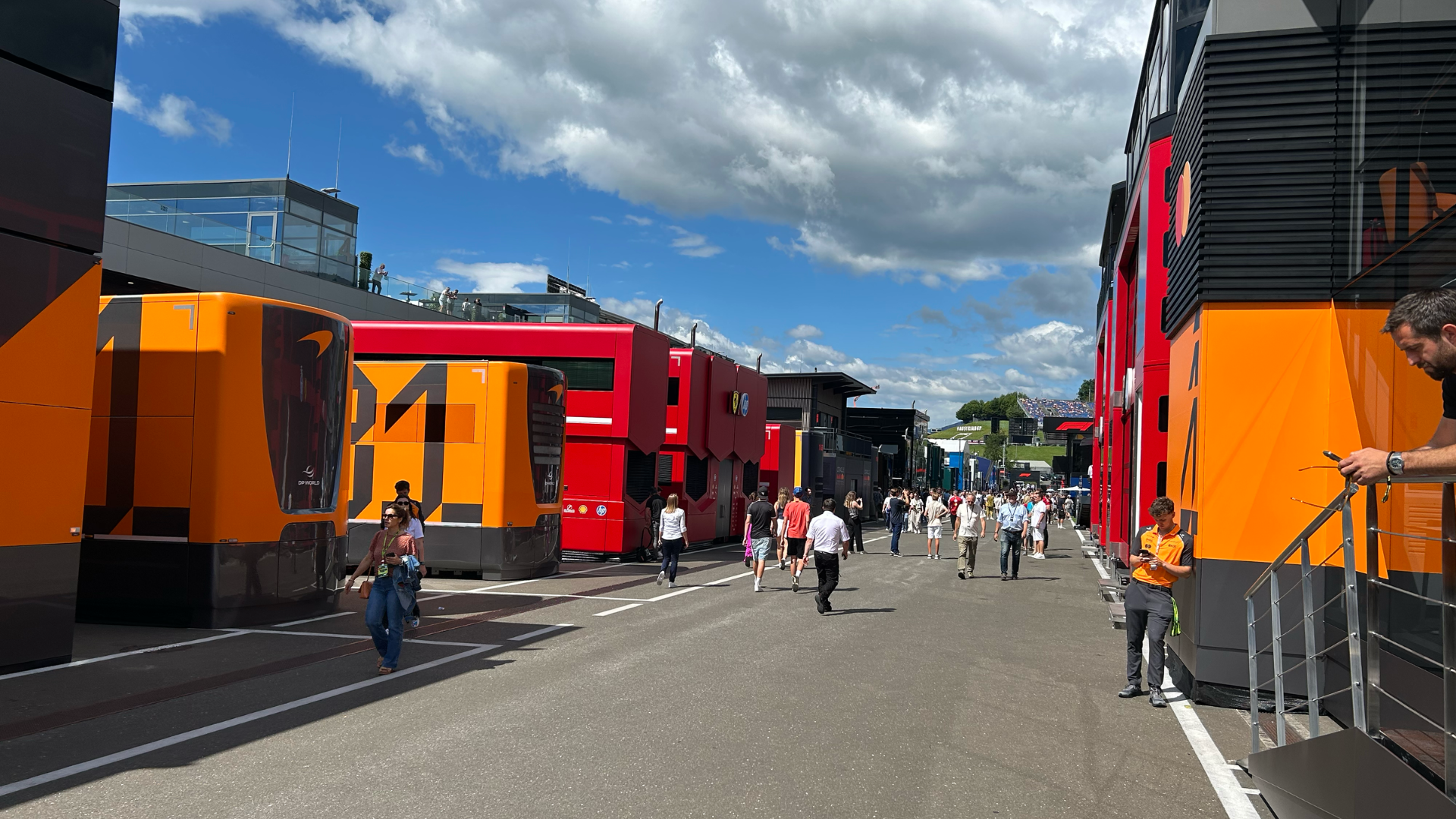
This weekend I'll be back on BBC Radio 5 Live duties for the Austrian Grand Prix. The role is different, the preparation is different and the audience is different. Yet I'll arrive with a much clearer understanding of something that applies well beyond Formula 1.
If you want to improve at anything, there comes a point where you have to stop evaluating yourself in isolation.
The people who progress fastest are often not the most naturally talented or the most confident. They're the ones prepared to have the conversations that remove uncertainty.
As it turns out, the feedback I received wasn't nearly as uncomfortable as the stories I'd already invented for myself.
Part 2: At Silverstone, Attention Is The Real Battleground
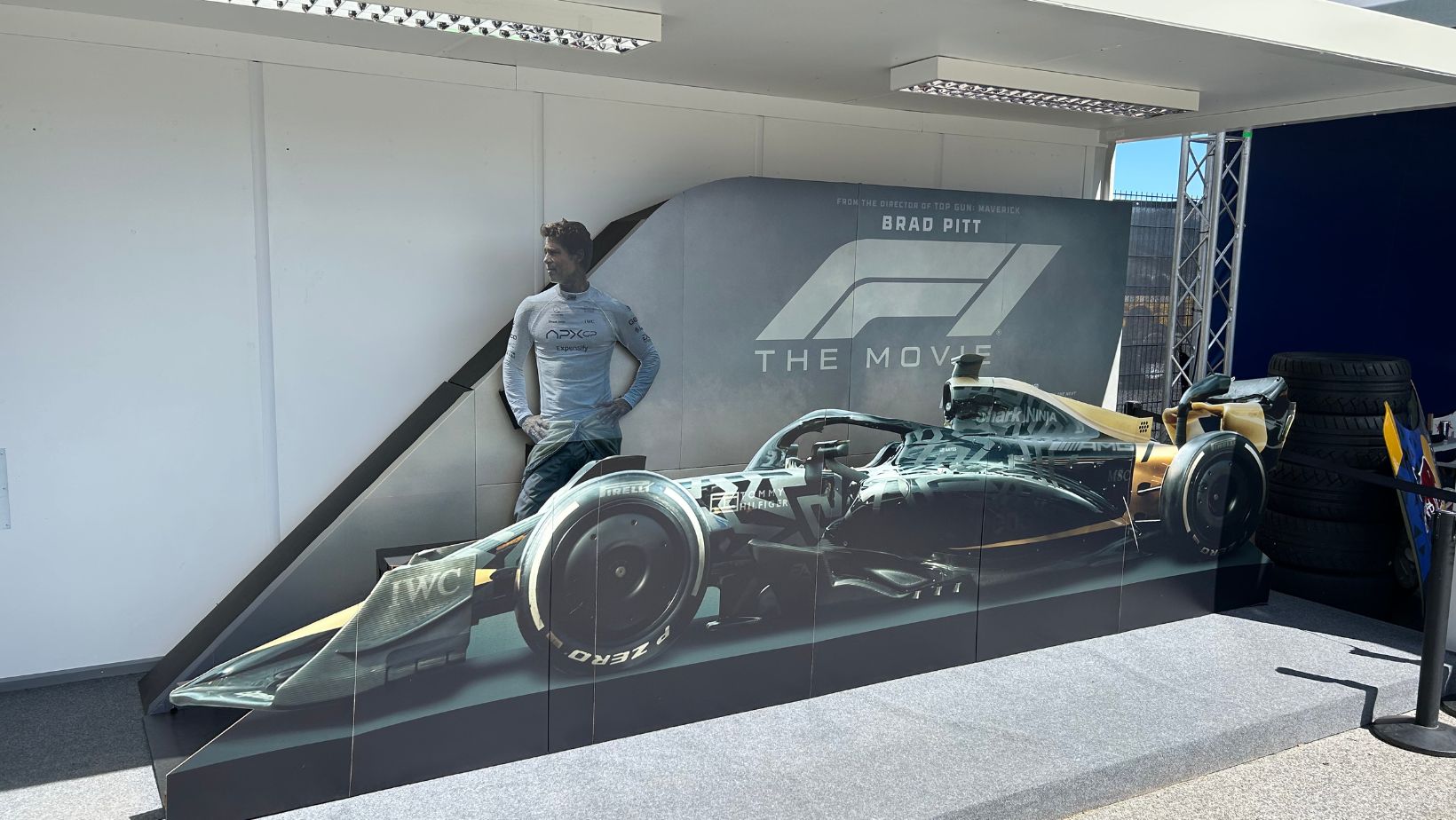
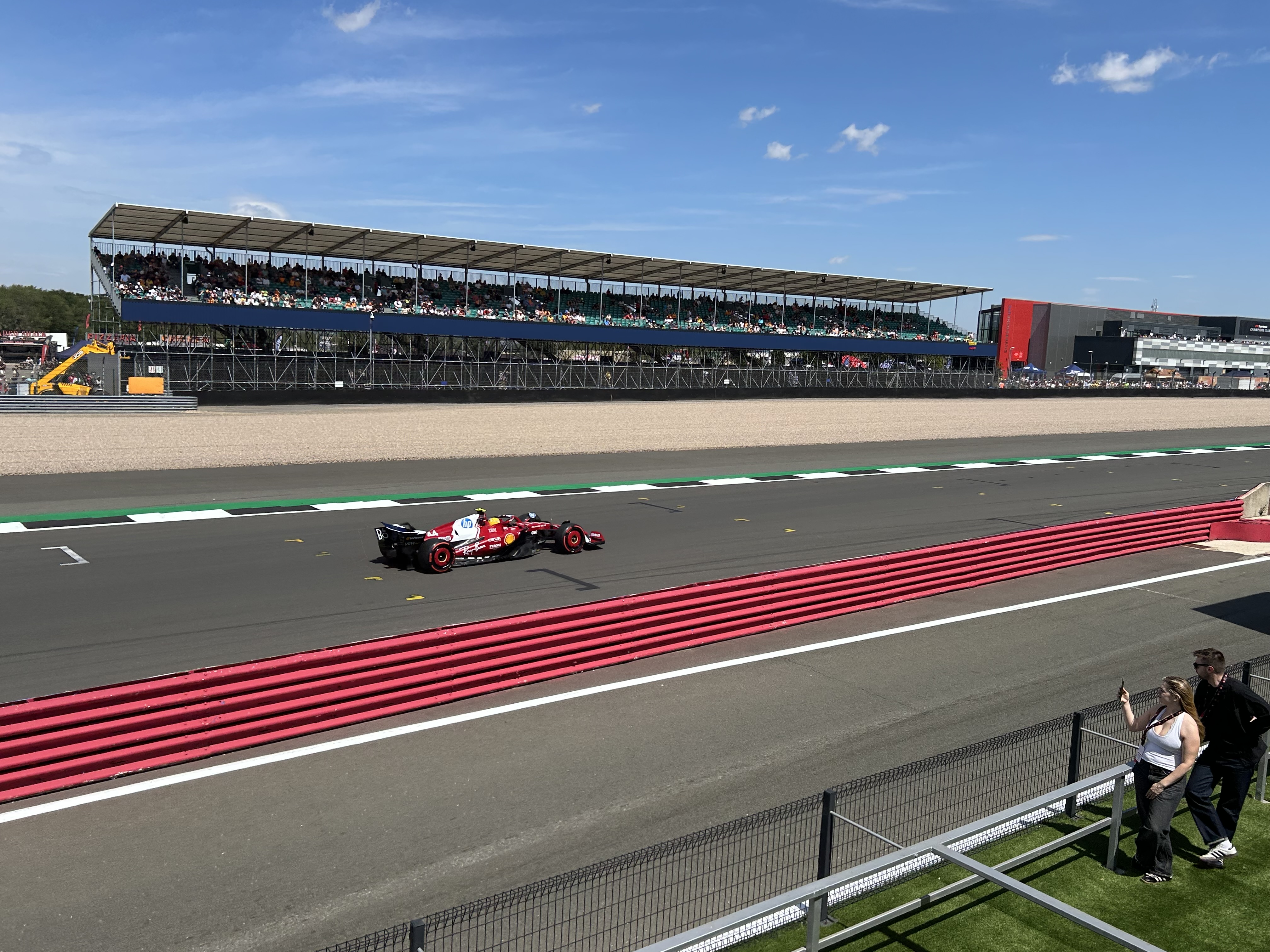
British Grand Prix week is one of those moments where Formula 1 becomes impossible to miss.
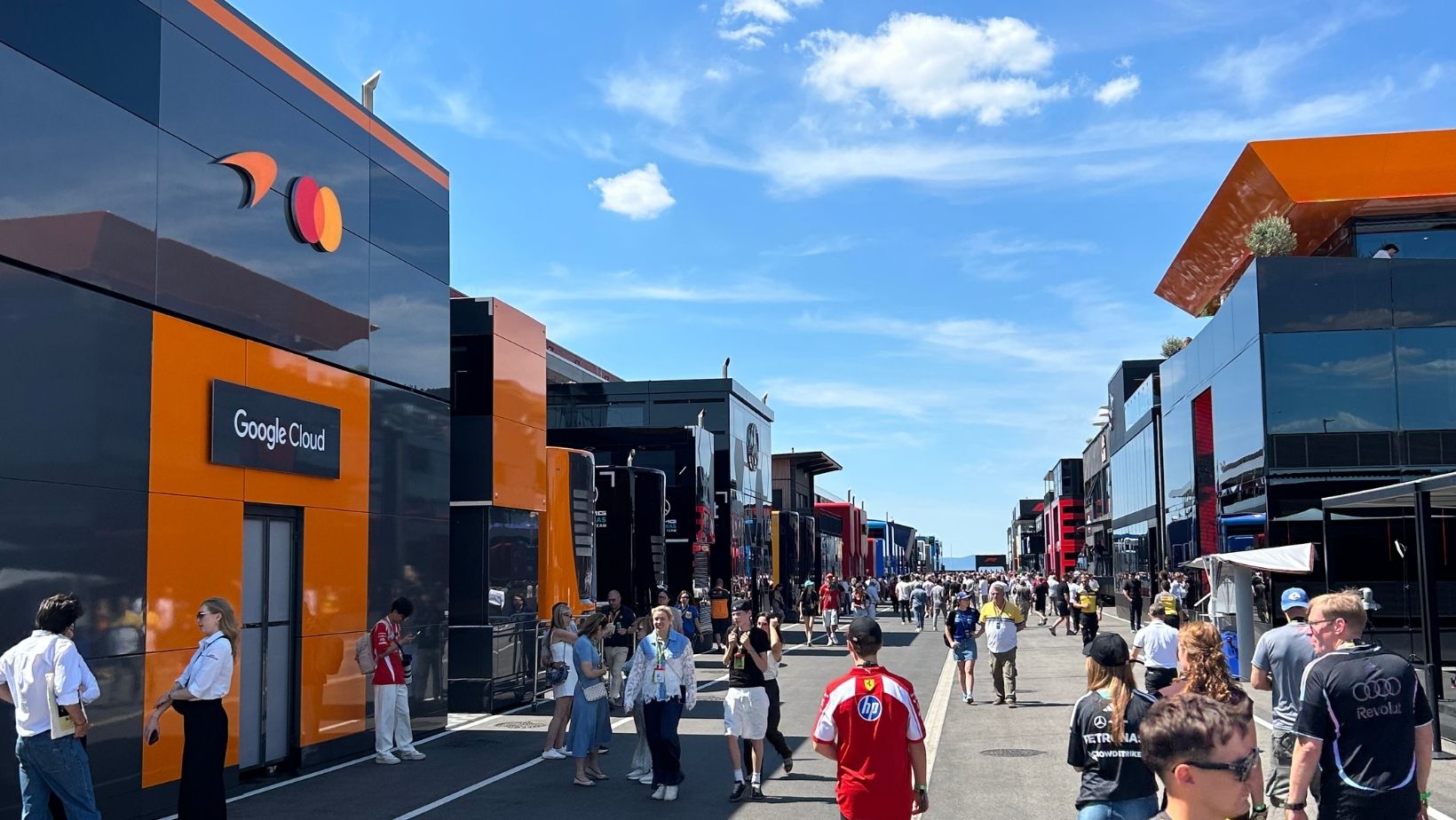
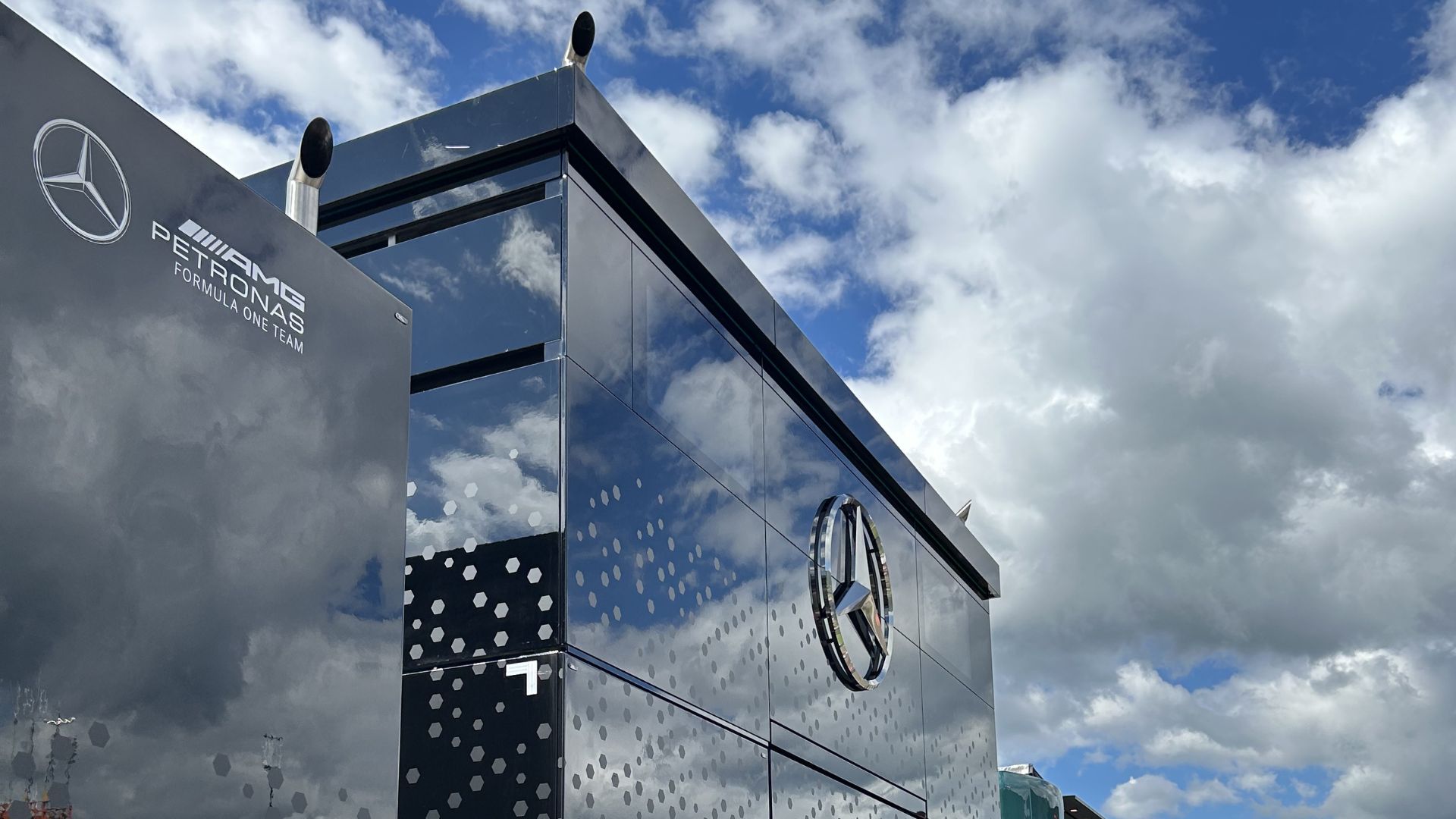
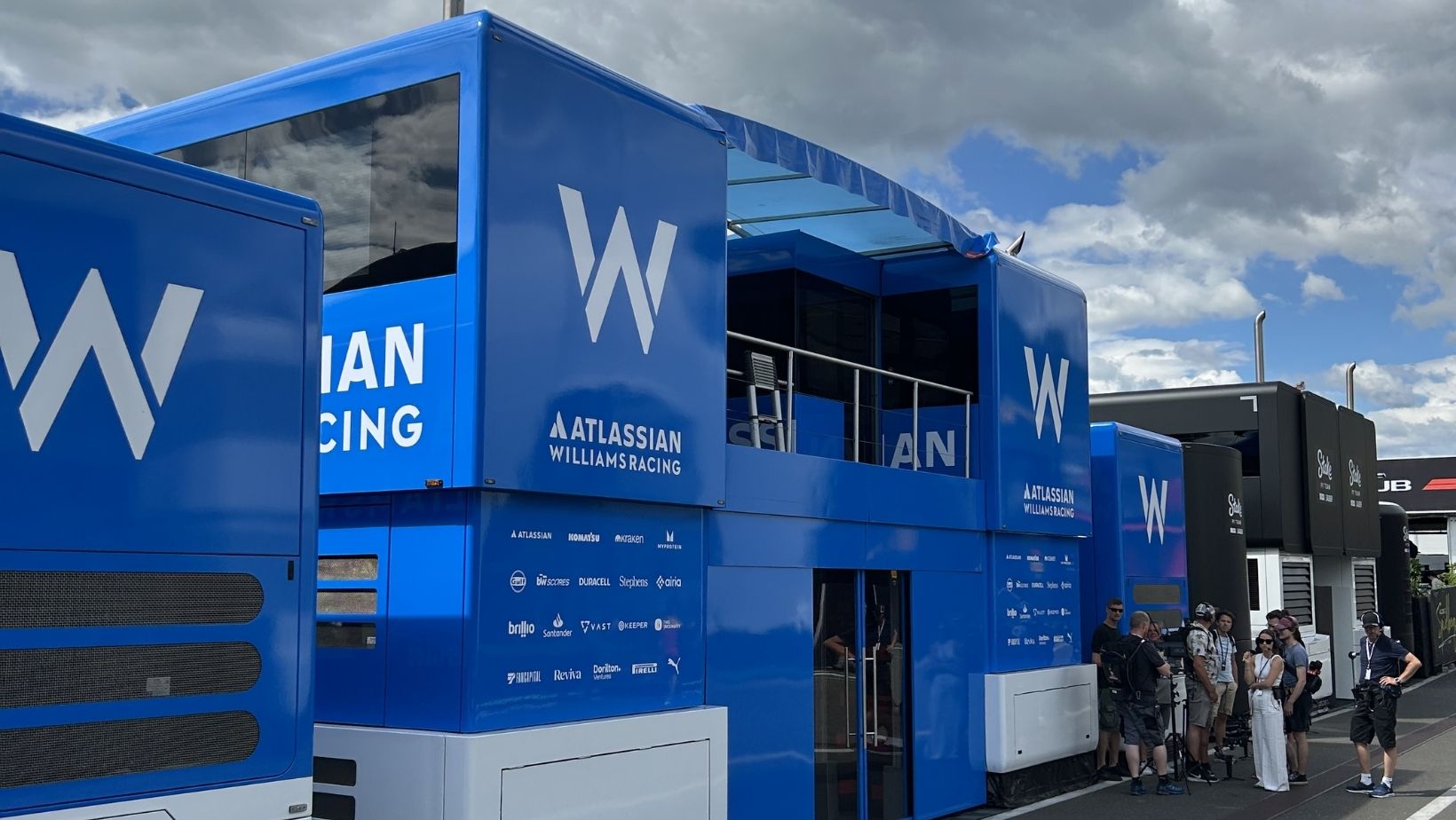
For a few days, the sport seems to spill out of the circuit and into everything around it. Silverstone is obviously the centre of gravity, but the week is much bigger than what happens on track. There are media days, fan events, brand launches, interviews, live shows, hospitality spaces, social campaigns, partner activations and more people walking around in team kit than you can reasonably count.
It is brilliant, chaotic and completely overwhelming.
It is also a very good reminder that in modern sport, being involved is no longer enough.
Brands used to be able to turn up, put their name on a car, buy some trackside branding and assume that was the job done. In fairness, that probably worked for a long time. Formula 1 gave them global reach, prestige and association with speed, engineering and glamour.
But the audience has changed.
Fans do not just want to see who a team is sponsored by. They want to understand why that brand is there, what it adds, and whether it actually understands the world it has bought into.
That is especially true at a race like Silverstone.
The British Grand Prix is one of the busiest, loudest and most commercially crowded weeks of the season. Every team has partners to look after. Every brand wants content. Every broadcaster is chasing stories. Every driver is pulled in a dozen different directions. Everyone is competing for the same thing.
Attention.
And attention is much harder to win than visibility.
Visibility is putting your logo somewhere people can see it. Attention is giving them a reason to stop, watch, care, share or remember.
That is the difference between sponsorship and activation.
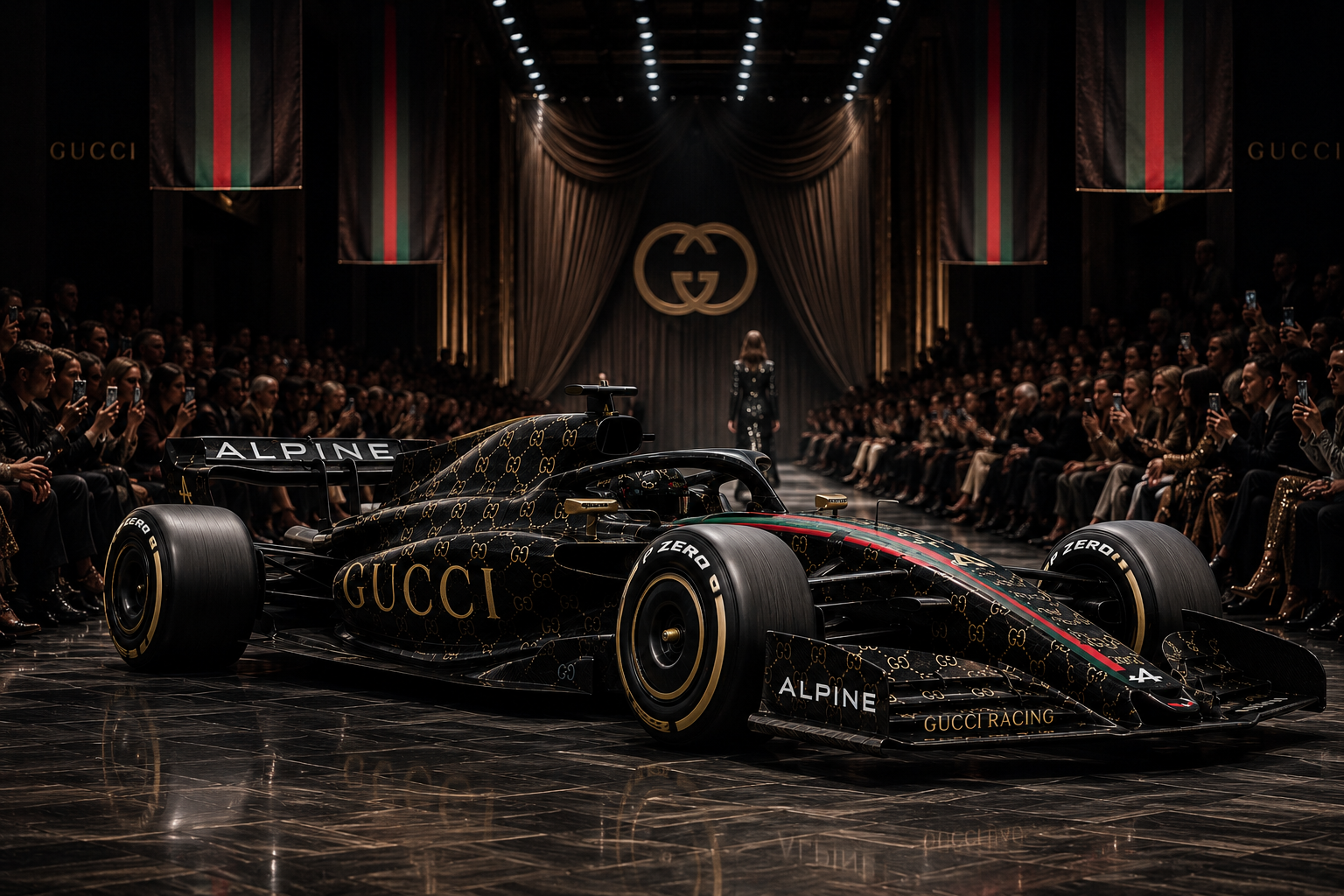
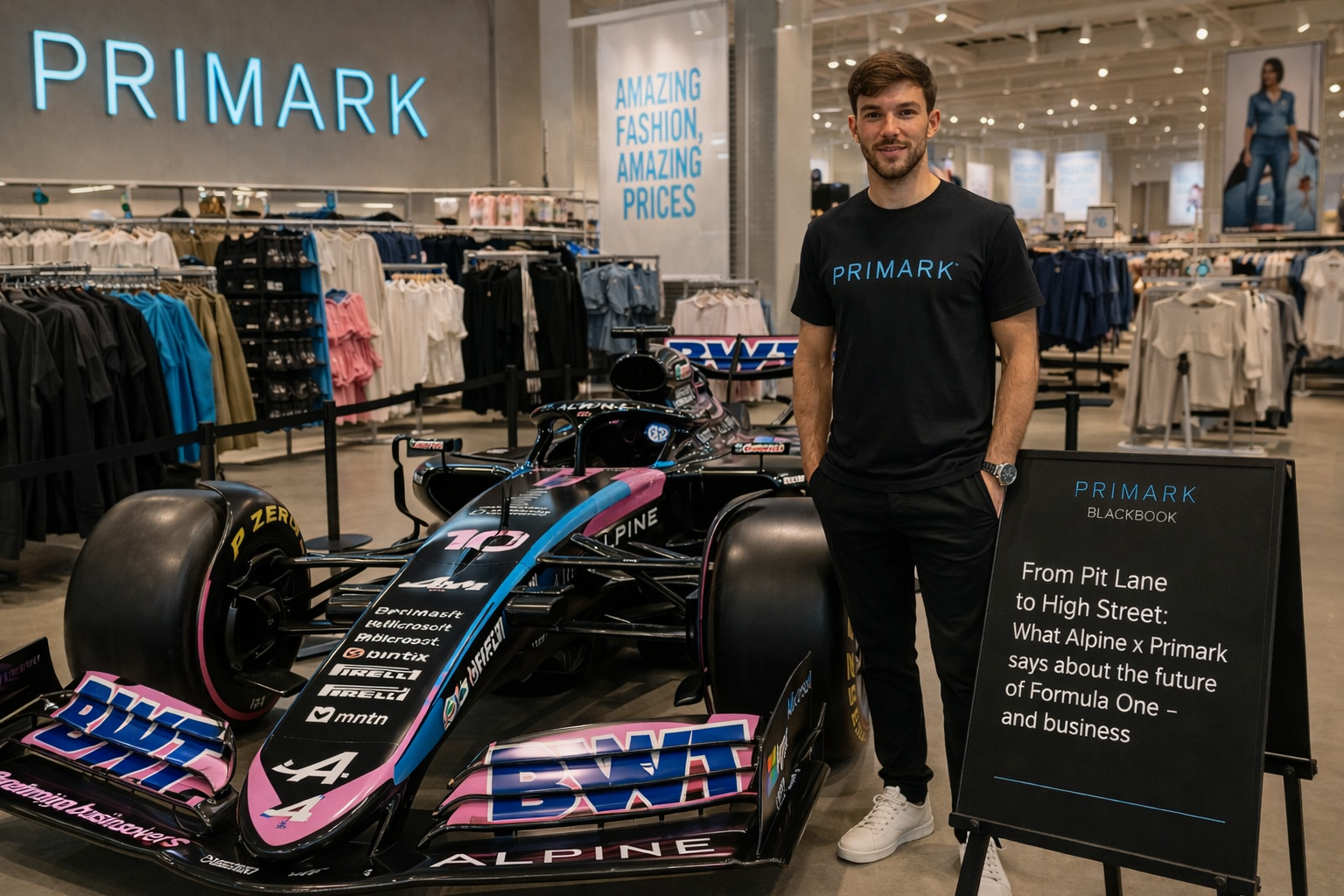
I have been thinking about that a lot this week because, away from the commentary and broadcast work around Silverstone, I have also been involved in a few partner projects linked to the British Grand Prix. What has struck me is that the most interesting ones are not simply trying to say: “Here is a brand that sponsors a Formula 1 team.”
They are trying to build a reason to watch.
One campaign might create a mystery for people to follow. Another might use humour to make a product feel less like a sales pitch. Another might bring fans into a space they would not normally get to see. Another might give a driver or presenter something playful to do that still connects back to the partner’s role in the sport.
The good ones do not feel like interruptions.
They feel like part of the entertainment.
That is a much harder brief.
It is also where I think a lot of businesses outside sport can learn from Formula 1.
Plenty of companies are visible. They have websites, LinkedIn pages, event stands, newsletters, launch campaigns and partnerships. They are technically present in all the right places.
But presence is not the same as impact.
People are busy. Feeds are crowded. Events are noisy. Customers are more sceptical than ever. Simply saying “we are here” is rarely enough.
You have to give people a reason to engage.
That might be a useful insight, a good story, a bit of humour, a clever experience, a strong point of view or a moment that feels genuinely human. The format matters less than the feeling. People remember things that made them feel included, entertained, informed or understood.
Formula 1 is particularly good at exposing the gap between brands that understand the audience and brands that simply want access to it.
Fans can tell when something has just been bolted on. They can also tell when a brand has made the effort to create something that belongs in their world.
That does not mean every activation has to be funny or elaborate. Some of the best brand work in Formula 1 is serious, technical and deeply rooted in performance. But it does have to feel relevant. It has to earn its place.
The same applies to any business trying to stand out in a crowded market.
It is not enough to buy the space.
You have to know what you are going to do with it.
That is the part people often underestimate. Sponsorship, marketing and partnerships are not shortcuts to attention. They are opportunities to compete for it.
Silverstone will be full of brands this week. Some will be seen. Fewer will be remembered.
The difference will come down to whether they have simply attached themselves to the spectacle, or whether they have found a way to add something to it.









.jpeg)














.png)
.png)
.png)
.png)