

Harry Benjamin: Why Good Work Can Feel Bad While You’re Doing It & Returning to Sky for Zandvoort
There are few things more reassuring than finishing a day’s filming, privately deciding that you may have forgotten how to present television, and then being told everyone is very happy with it.
That happened to me recently.
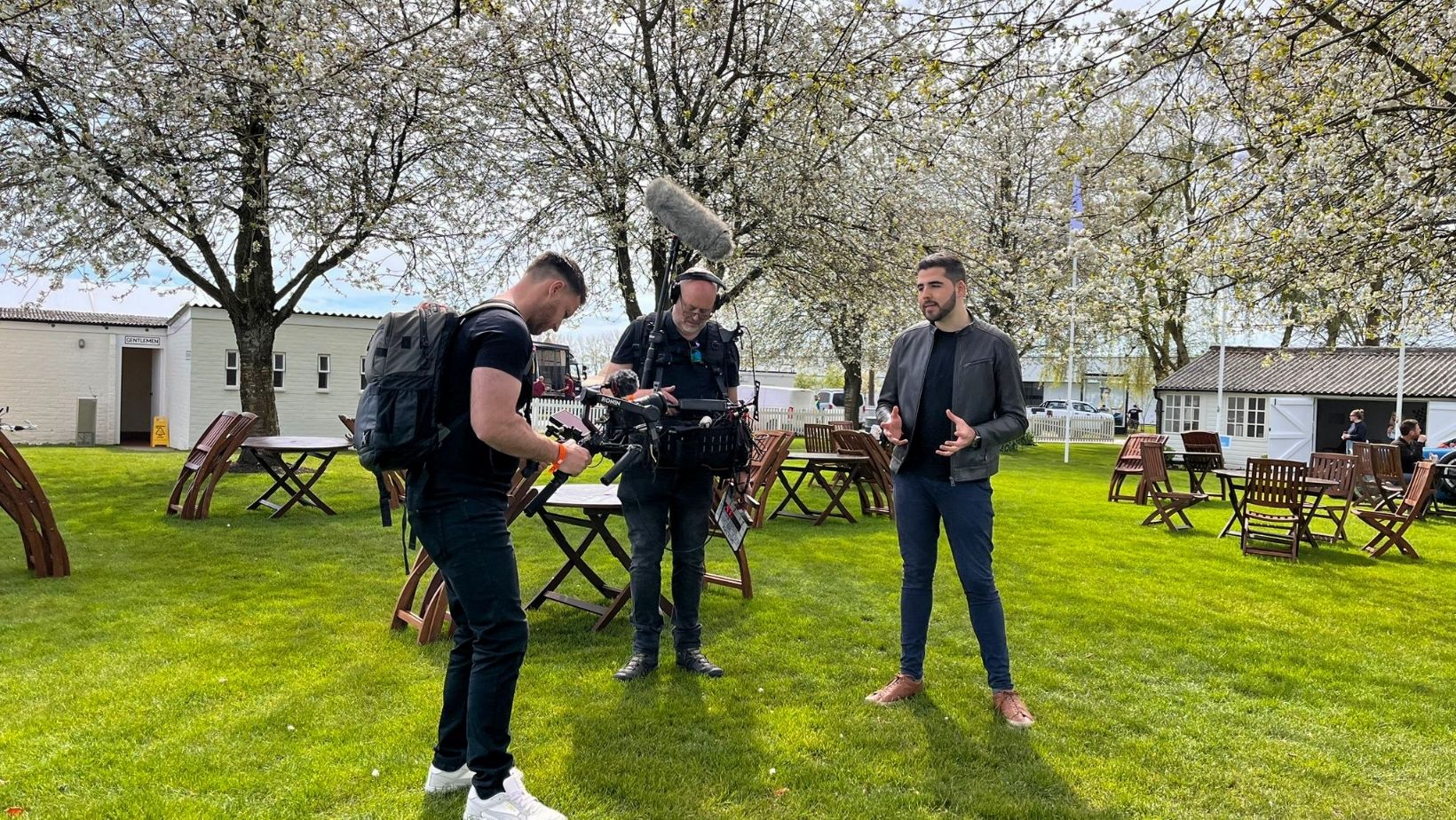
It was my first shoot for a new motoring project. New format, different environment, different people around me and a slightly different version of my job.
Parts of the day felt great. Other parts didn’t.
There were moments where I felt slightly clunky. Things I thought I could have phrased better. Links I wanted another go at. That familiar internal voice wondering whether something that normally feels fairly natural had suddenly become much harder than I remembered.
Then the feedback came back. They were happy!
Which was lovely, but also slightly inconvenient, because it didn’t entirely match the review I had already written in my own head.
I suspect this gap exists in plenty of jobs.
We tend to assume that if something feels good while we’re doing it, we must be doing it well. And if it feels uncomfortable, awkward or unusually difficult, something must be going wrong.
I’m increasingly unconvinced that the two things are particularly well connected.
In broadcasting, you become acutely aware of your own imperfections.
You hear the sentence that didn’t quite come out properly. You notice the question you could have asked better. You know when you’ve reached for a word and found absolutely nothing waiting for you.
The audience, meanwhile, has moved on.
They haven’t heard your internal post-mortem. They don’t know the sentence you meant to say. They only experience the thing you actually produced.
However, sometimes the thing you produced was perfectly good.
That doesn’t mean standards don’t matter. Quite the opposite
One of the strange consequences of becoming more experienced at something is that your ability to spot the imperfections improves too.
You know what a really good broadcast feels like. You know when a conversation is flowing. You know when you’re properly relaxed and operating almost without thinking.
So when it doesn’t feel like that, the difference can be quite unsettling.
There’s also familiarity.
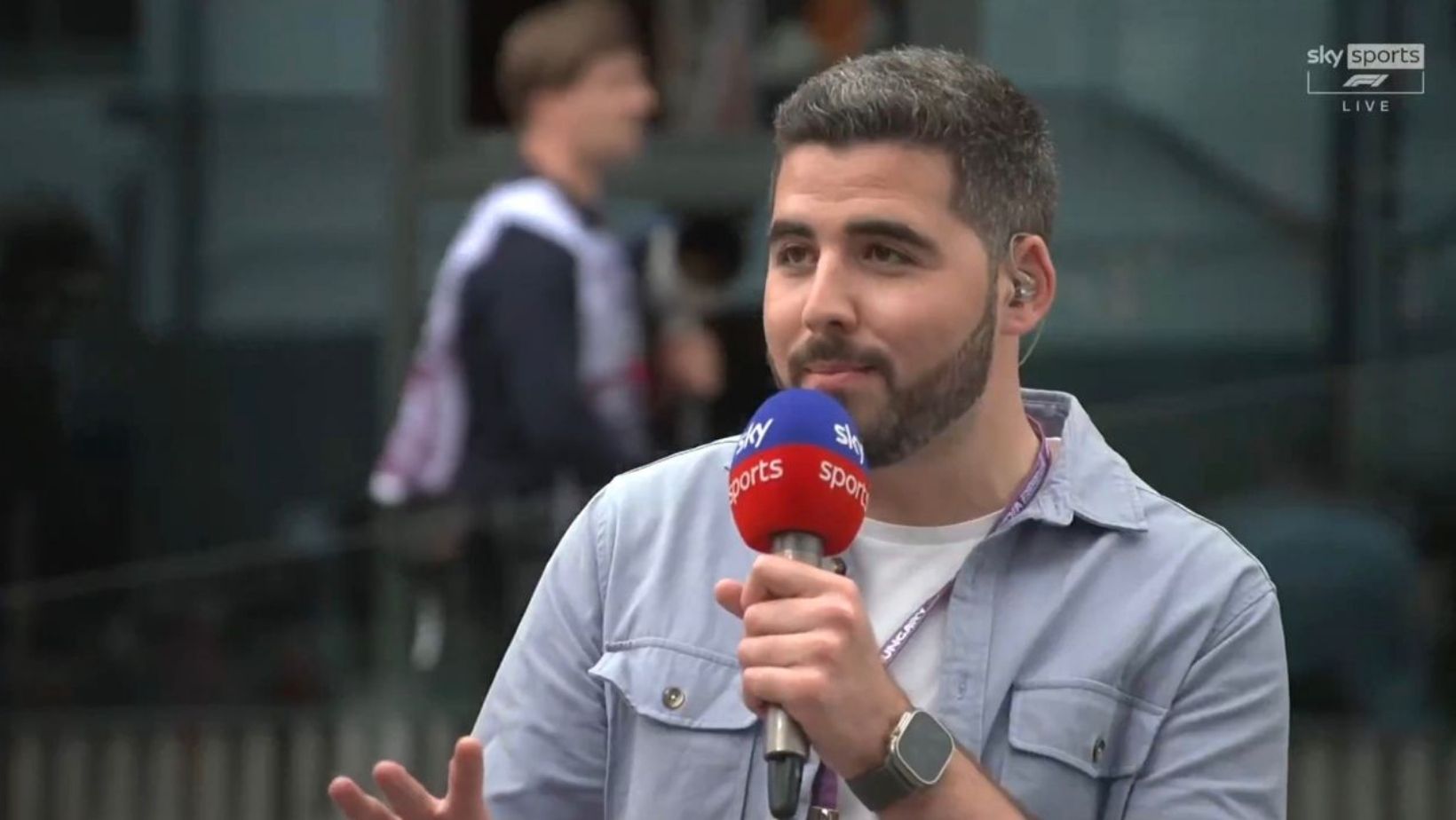
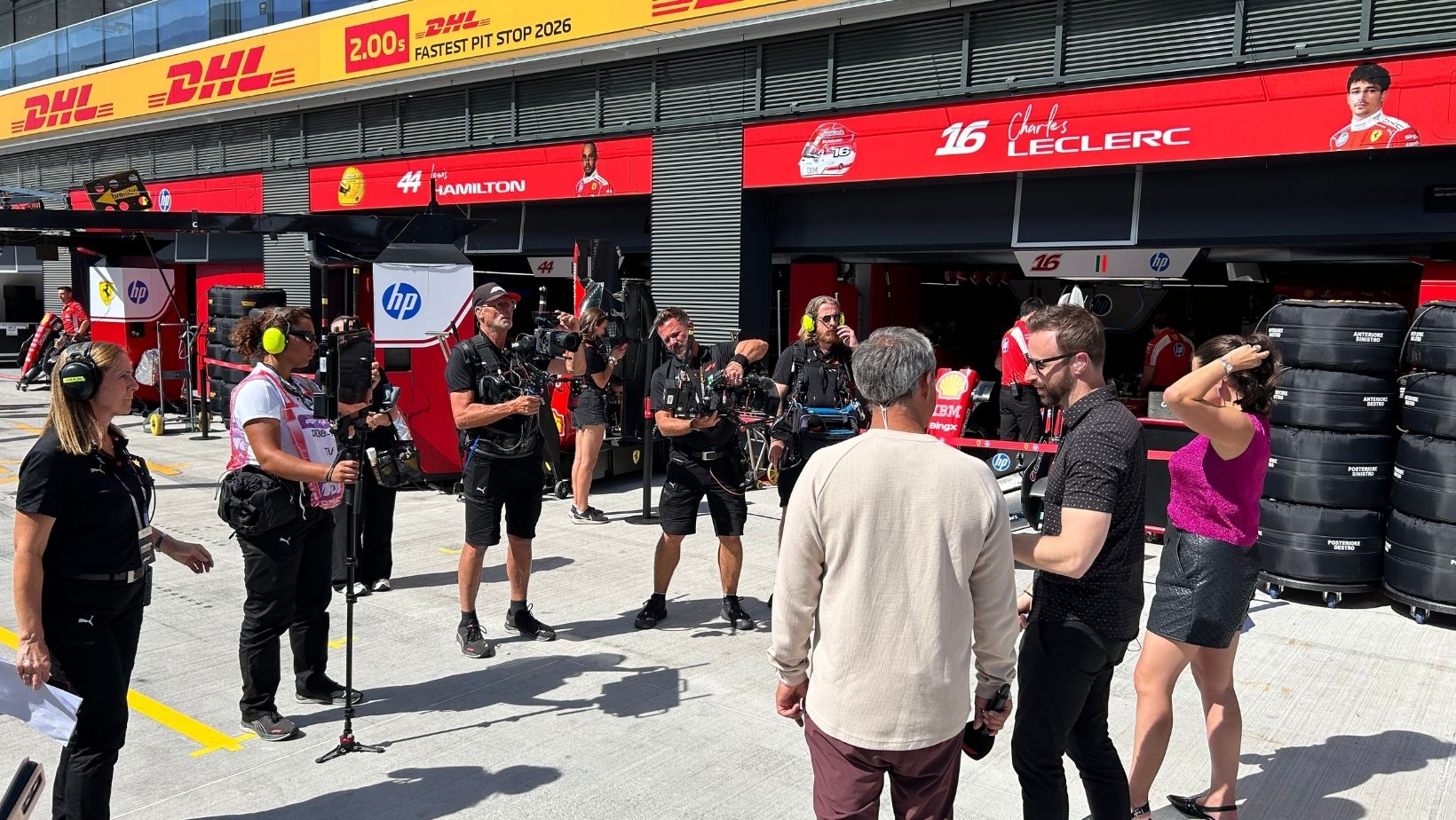
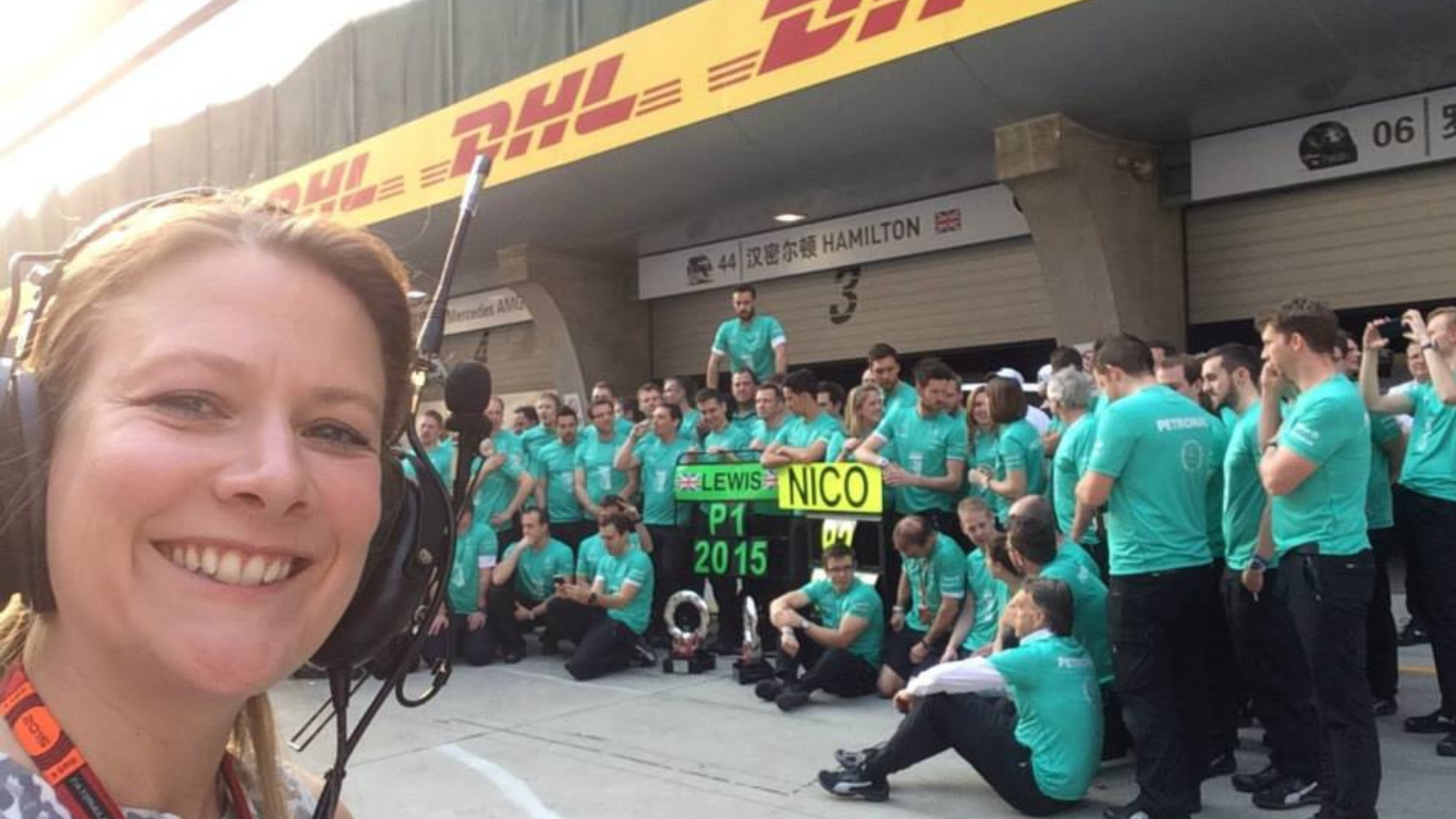
This weekend I’m back working with Sky Sports F1.
It’s a job I’ve done before, but it still feels different from my normal working environment.
There are more people involved. There are colleagues I’ve spent less time working alongside. Relationships and rhythms that haven’t had years to develop. And, inevitably, a much bigger television audience watching.
I’d be lying if I said that didn’t add pressure.
When you work regularly with the same people, you build a kind of professional shorthand.
You know when someone wants to come in. You know how long they tend to speak. You understand each other’s humour. You learn when to leave space and when to jump in.
None of that appears on a running order. It just accumulates over time.
Take some of that familiarity away and suddenly you become more conscious of things that normally happen instinctively.
Where do I come in? Am I talking too much? Did that joke work? Was that explanation clear enough? Am I doing what they brought me here to do?
None of those questions are especially helpful while somebody is driving a Formula 1 car at 200mph and you’re supposed to be explaining what is happening. But they exist.
The temptation is to interpret that heightened awareness as evidence that you aren’t performing particularly well. Perhaps it is sometimes, but the discomfort can also mean that you’re simply somewhere less familiar. It can mean the stakes matter to you; that you’re stretching slightly beyond the environment in which everything has become automatic.
Or, it just means you’re nervous.
Nerves have quite a bad reputation. We talk about wanting to “get rid” of them, as though the ideal professional reaches a point where nothing matters enough to make them uncomfortable. I don’t want that. Some of the broadcasts I’ve cared about most have also been the ones where I’ve felt the most nervous beforehand.
The trick, I think, is not turning the feeling into a verdict. “I feel uncomfortable doing this” is a piece of information. “I am bad at this” is a conclusion. They are not the same sentence and that distinction matters well beyond broadcasting.
A difficult meeting can feel awful because you’re challenging somebody rather than because you handled it badly. A presentation can feel uncomfortable because the room is unfamiliar. A new role can make somebody feel less competent simply because they’ve lost all the shortcuts and relationships they had built in their previous one.
Sometimes growth feels suspiciously like getting worse at your job.
Perhaps the useful question afterwards isn’t simply: How did that feel?
It’s: What actually happened?
Did I communicate clearly?
Did the audience understand?
Did I do what the team needed from me?
What does the feedback say?
What would I genuinely change next time?
That is different from replaying every slightly awkward moment on the journey home. I’m still very capable of doing the latter. I suspect when I put the headset on this weekend there will be moments that feel uncomfortable. There probably should be. There will be more eyes on me. People I’m still learning to work with. A little more adrenaline than usual.
My job isn’t to convince myself that none of that exists. It’s to stop mistaking the feeling for the result. Sometimes good work feels effortless and sometimes good work feels difficult, exposed and slightly untidy while you’re producing it.
It can still be good work.











.jpeg)























.png)
.png)
.png)
.png)