
Harry Benjamin - Baku GP Preview: Some Things Don’t Travel Through a Screen
I can tell you quite a lot about Baku from a television screen.
The circuit is fast, narrow and slightly ridiculous in places. The cars thread through the old city, squeeze past the castle walls and then disappear down one of the longest flat-out sections in Formula 1.
I knew all of that before I got here.
Then I walked through the castle section.
And thought: Oh. That really is ridiculous.
None of the information I had was wrong. But knowing the dimensions of something and understanding what it actually feels like are slightly different things.
It is something I notice quite often in broadcasting.
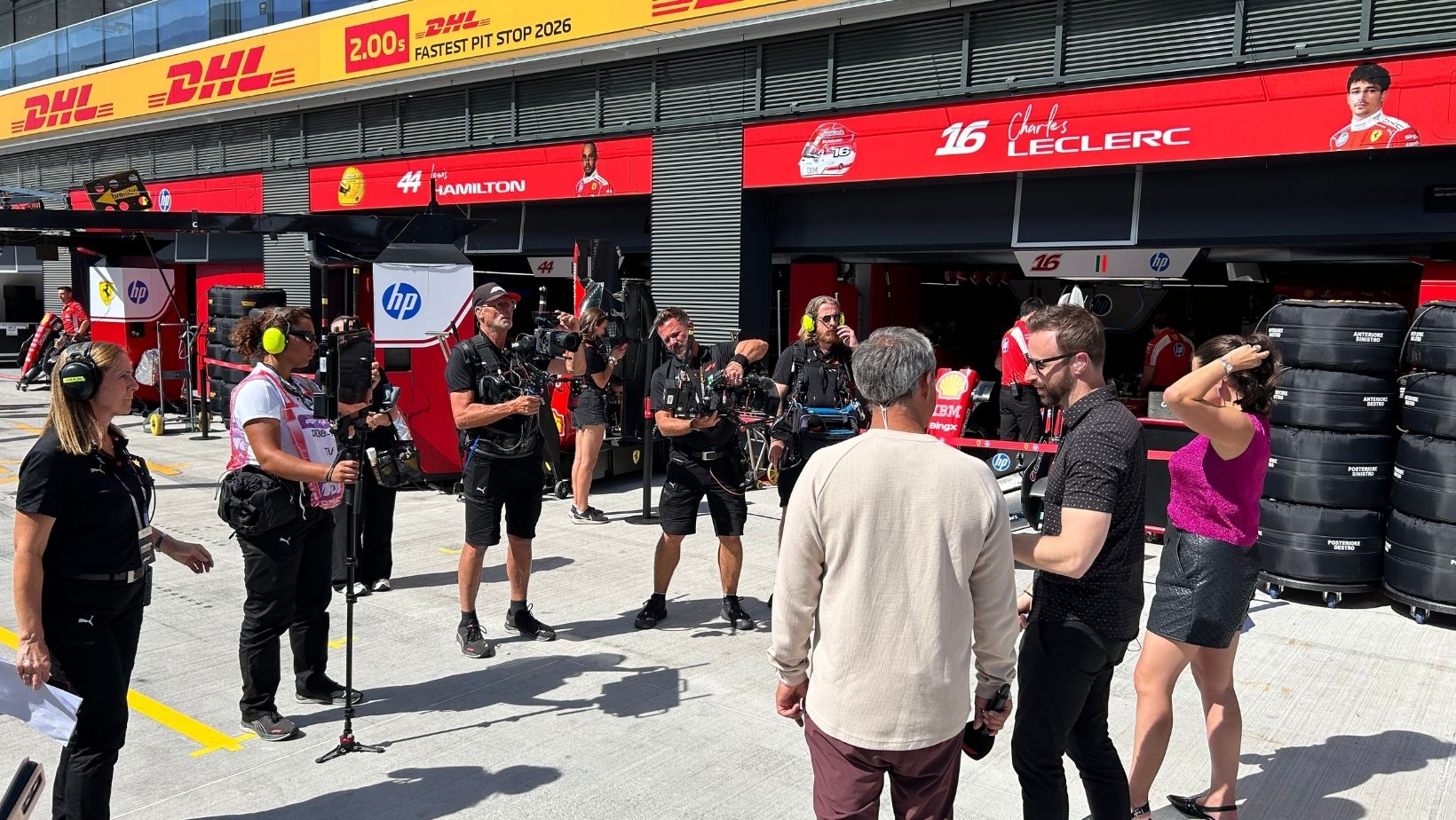
I commentate on Formula 1 both from the circuit and remotely from a studio. Modern broadcasting means that, technically, you can have almost everything you need without being there.
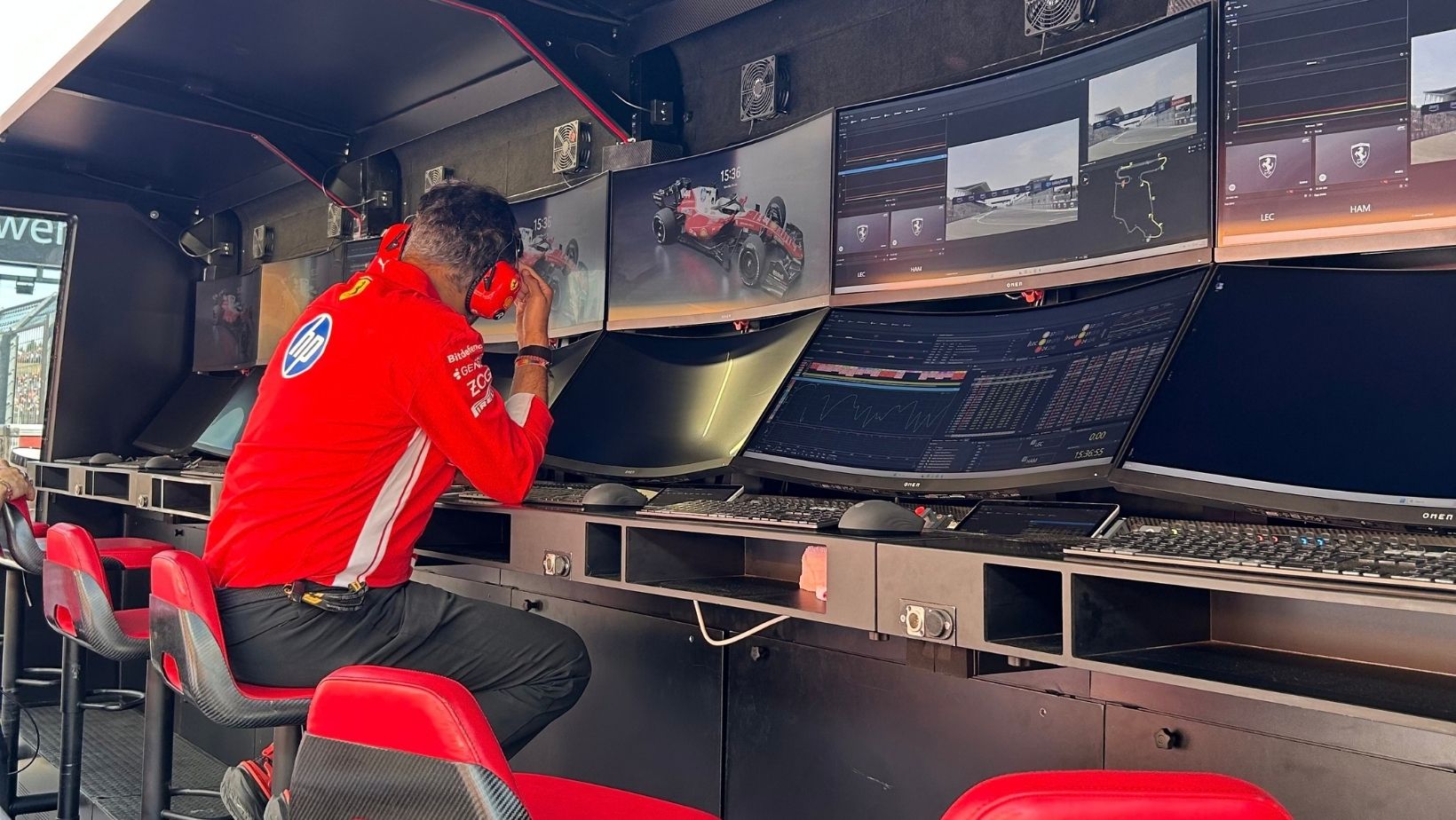
Timing screens. Television pictures. Team radio. Lap times. Data. Messages from producers. Interviews.
In some respects, a studio can actually give you a remarkably clean view of what is happening.
But being at the circuit gives you something else.
Context.

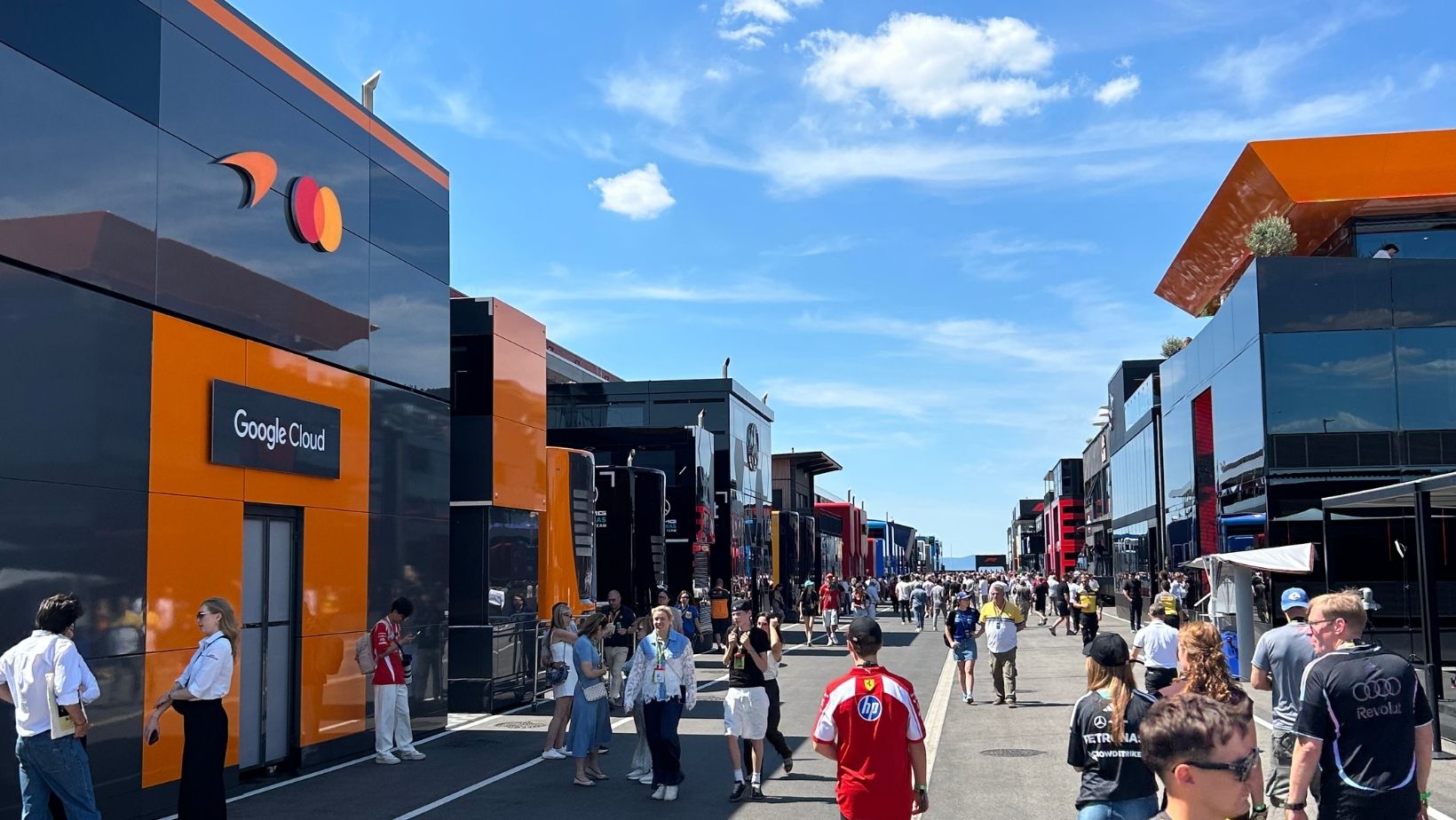
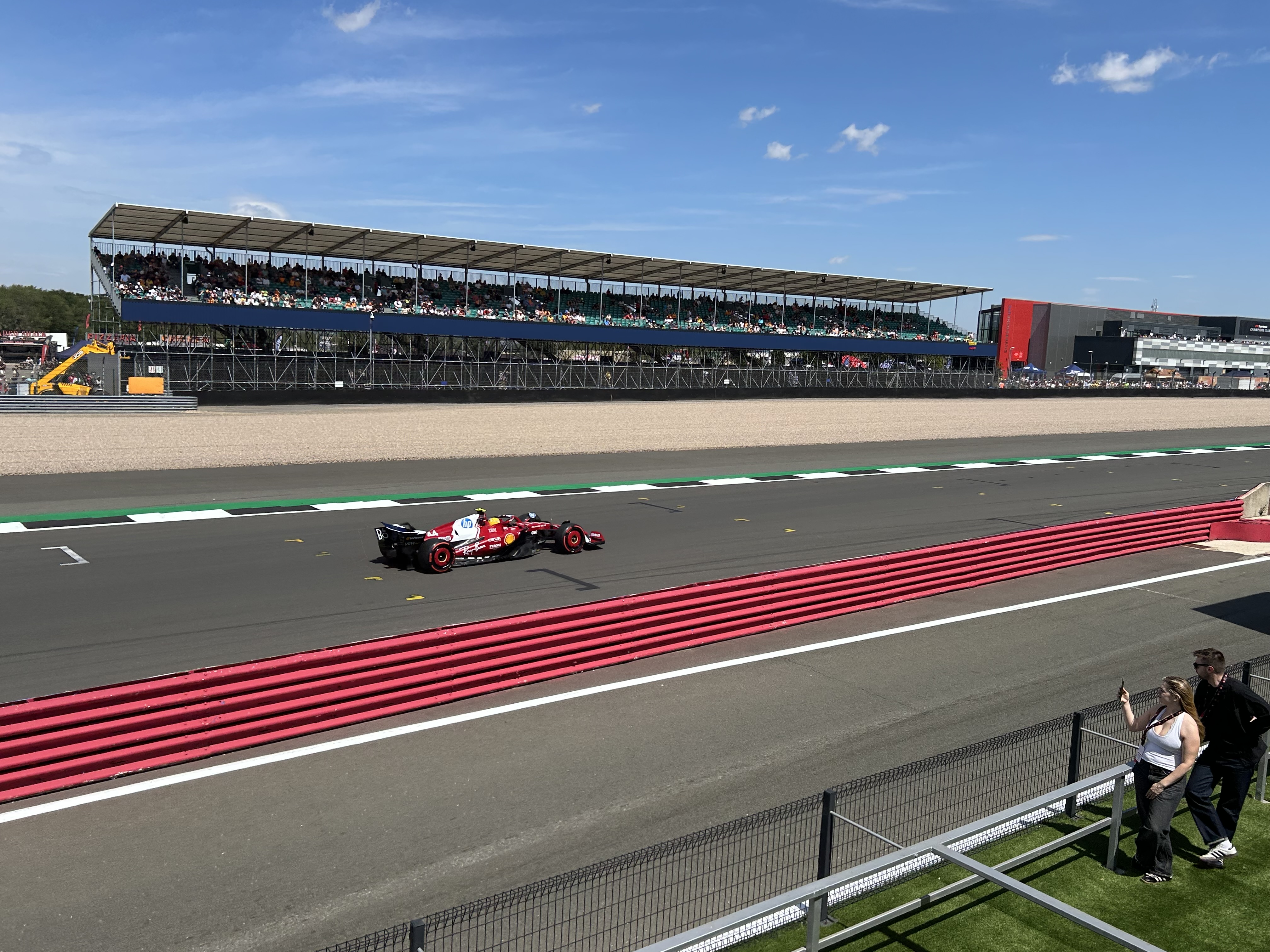
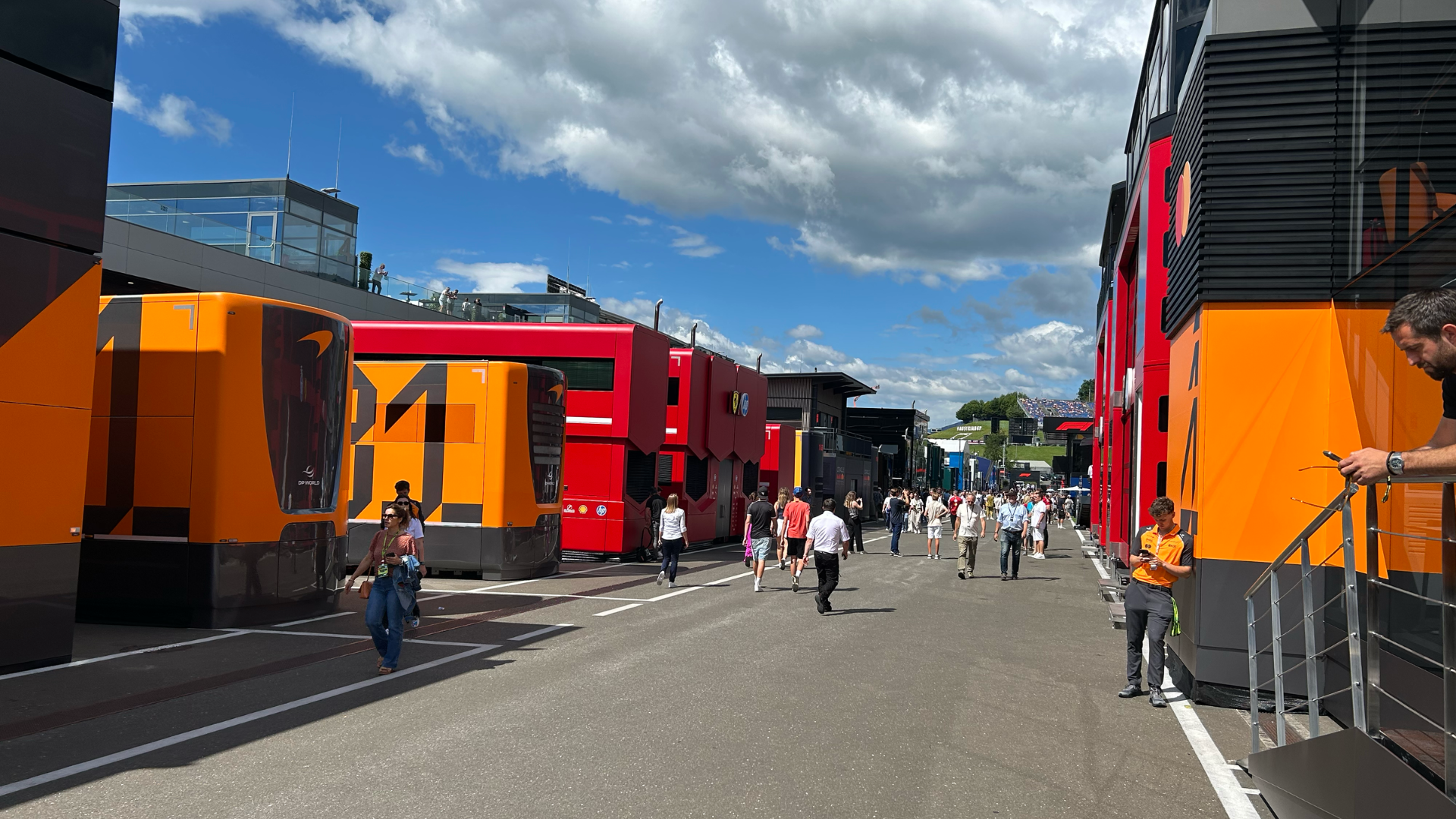
You notice how steep a section of track really is. How strong the wind is. How close the walls feel. How loud the crowd becomes when a particular driver appears.
You also have conversations you were never expecting to have.
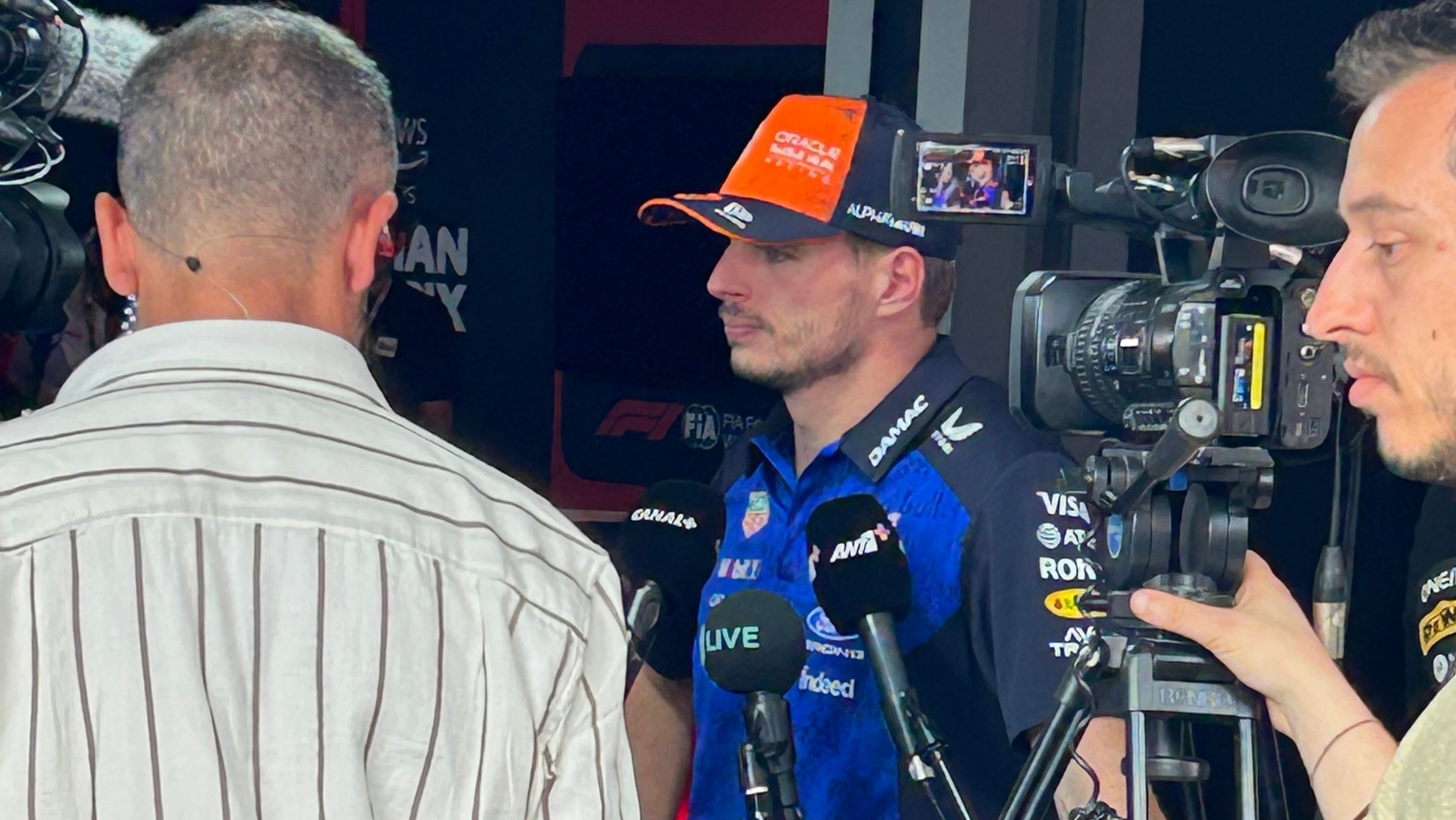
A quick chat walking through the paddock. Something mentioned over breakfast. A producer pointing out something they noticed earlier in the day.
None of those things necessarily appears in a briefing document.
And that made me think about how much of modern working life is now built around transferring information.
We are very good at it.
Emails, dashboards, video calls and shared documents can move enormous amounts of information around almost instantly.
But information and context are not always the same thing.
A spreadsheet can tell you that a number has changed.
Being around the people dealing with it might tell you why everybody is worried about that particular number.
A meeting note can record what was decided.
It probably won’t capture the conversation five minutes afterwards that revealed what somebody actually thought.
That doesn’t mean everyone needs to be physically in the same room all the time. Far from it.
There are plenty of occasions when travelling somewhere adds very little. I’ve done broadcasts remotely that worked brilliantly, and meetings where an hour on a video call was infinitely more sensible than spending half a day getting there.
The more interesting question is knowing when proximity actually adds something, because the things we already know to ask for travel very well. Send me the numbers. Give me the timings. Share the document.
It is often the things we didn’t know to ask about that are harder to transmit. The atmosphere, the small observation, the unexpected conversation and the thing that changes your understanding of everything else you already knew.
This weekend, I’ll still have all the screens, data and notes I would have had in a studio.
But I’ll also have Baku outside the window.
Sometimes that difference matters.











.jpeg)




















.png)
.png)
.png)
.png)