
Rebranding your business: what McLaren’s new identity can teach us
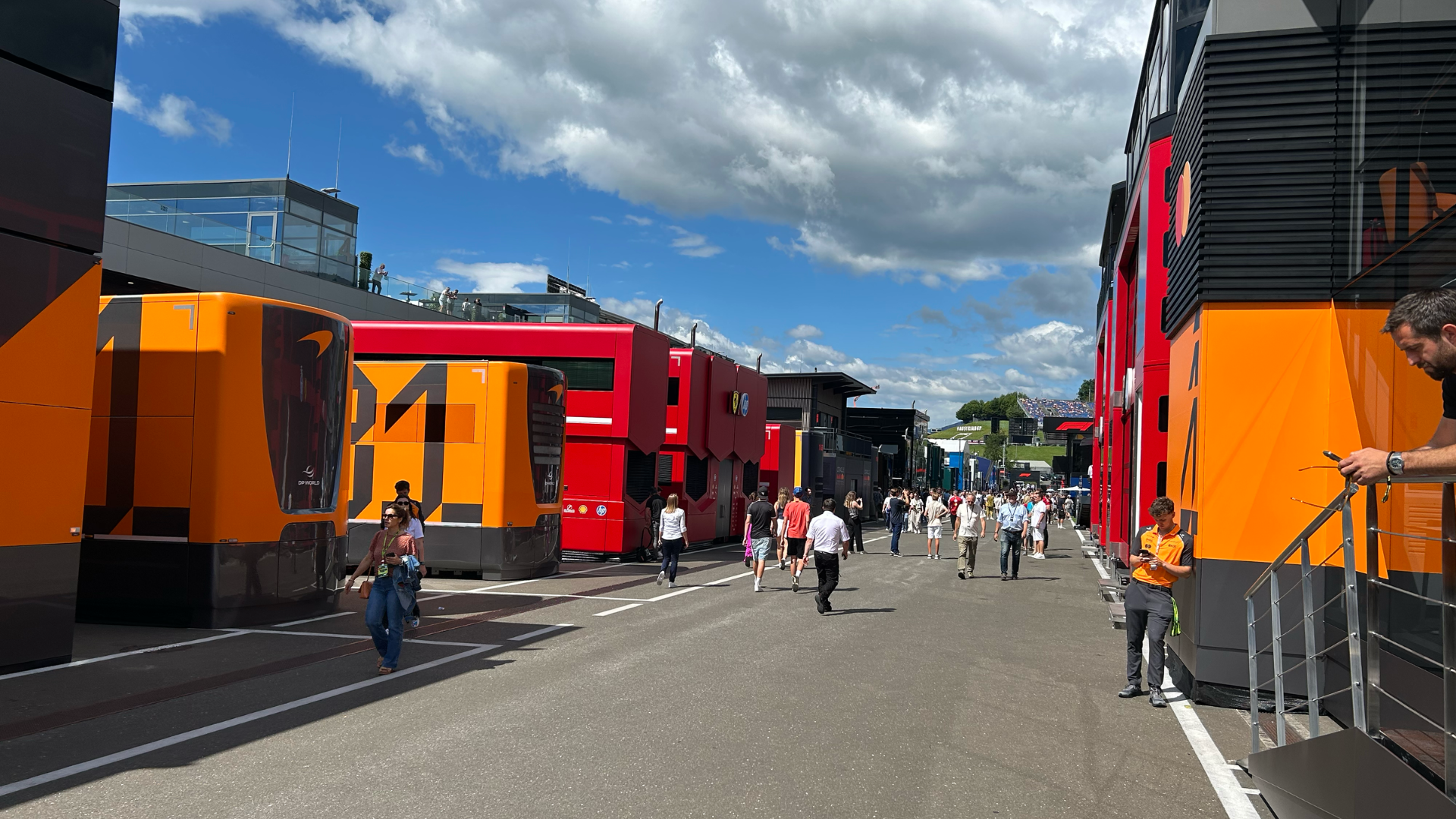
McLaren has unveiled a new visual identity spanning its Racing and Automotive businesses. The updated wordmark takes inspiration from the sign above the service station run by Bruce McLaren’s parents in Auckland. Its familiar Speedmark stays, as does papaya; the wider identity also draws on the Speedy Kiwi and other parts of McLaren’s history. McLaren describes the change as a way to connect its past, present and future as the business develops. McLaren’s announcement.
Whether you like the new look is a matter of taste. The more useful question for a business leader is: what should a rebrand actually achieve? McLaren’s announcement is a timely reminder that an identity should express where an organisation is going, while making sense to the people who already know it.
That question matters at every scale. You do not need a Formula 1 team or a global automotive business to outgrow the way you present yourself. A small consultancy can add services, reach new audiences or change its direction while its website, sales materials and name still tell the story of the business it used to be.

Start with the business case
Before anyone opens a design brief, be clear about the problem. Are potential clients confused about what you offer? Have your services changed? Are several parts of the business presented as unrelated? Are you entering a market where your existing identity holds you back?
Write down what the rebrand must help you do and how you will recognise progress. The goal might be clearer enquiries, better understanding of your offer, stronger recognition across different services or a more consistent experience for clients. If the only reason is that the logo feels tired, a smaller refresh may be enough.
McLaren’s own explanation links its visual change to a more connected expression across Racing and Automotive, and to its future ambitions. That is McLaren’s stated rationale, rather than proof that the new identity will deliver those outcomes. The test comes in how people experience the brand over time.
Know what you have already earned
When you change your branding, you are working with recognition and trust built over years. Ask clients, colleagues and partners what they associate with your business. Which colours, words, experiences or promises do they remember? What do they value most? Where does your current presentation create confusion?
McLaren has kept recognisable assets, including the Speedmark and papaya, while revisiting the story behind its name. For another business, the valuable asset may be a distinctive way of working, a long-standing service or the reputation of its founder. Identify it before deciding what to change. Otherwise, you risk discarding something customers already use to recognise you.
Make a decision about your future audience
A brand must help the people you want to reach understand why they should choose you. If you are broadening your offer, decide what connects the old and new services. If you are moving upmarket, ask whether your customer experience supports the promise your new identity makes. If you are changing direction, be candid about which existing customers you still intend to serve.
This is particularly relevant to Motorsport To Business. As our own offer has grown across speakers, experiences, events, a business network and consultancy, the challenge is to make those activities feel like parts of a coherent proposition. A rebrand can make that story easier to understand, but only if the business has first decided what it wants to be known for.
Bring your people into the process
Your team will have to explain and deliver the new promise. Involve people who speak to customers, create proposals, run events and handle enquiries. They can tell you where the current brand helps, where it gets in the way and whether the proposed language sounds like the business they know.
Then give them an answer to three simple questions: Why are we changing? What stays true? What will customers experience differently? If colleagues cannot answer those questions consistently, the launch campaign is ahead of the organisation.
Plan the change beyond the logo
Walk through the places where a customer encounters your brand: search results, website, email, social posts, proposals, invoices, event signage, presentations and the conversation with your team. Decide what needs updating first, who owns each task and what can change later.
Prepare a short explanation for existing customers and partners. Tell them what has changed, why it matters and how to find the services they use. If you are changing your name or website address, check the practical details early: domains, email addresses, redirects, account names, contracts and any relevant brand rights. A clear launch is useful; a smooth customer journey matters more.
Keep testing after launch
The reveal is the start of the work. Listen to the questions people ask. Do they understand the offer more quickly? Are enquiries better matched to your services? Can the team use the new materials confidently? Have familiar customers lost track of you?
Look at those signals against the goals you set at the beginning. Adjust unclear wording, awkward journeys and inconsistent materials. You can refine the execution without repeatedly changing the underlying idea.
McLaren’s new identity will be judged in the years ahead, across its cars, racing teams, experiences and relationships with fans. The same principle applies to any business. The strongest rebrand is one your customers can recognise, your people can explain and your organisation can deliver.
What is your business known for today, and does your current brand make its next chapter clear?









.jpeg)















.png)
.png)
.png)
.png)