

Harry Benjamin's Monza Preview: The Problem with Knowing What You Mean
Two weeks ago, I was commentating on Formula 1 for television.
This weekend, at Monza, I’ll be doing it on the radio.
Same sport. Same cars. Broadly the same job.
Except it isn’t.
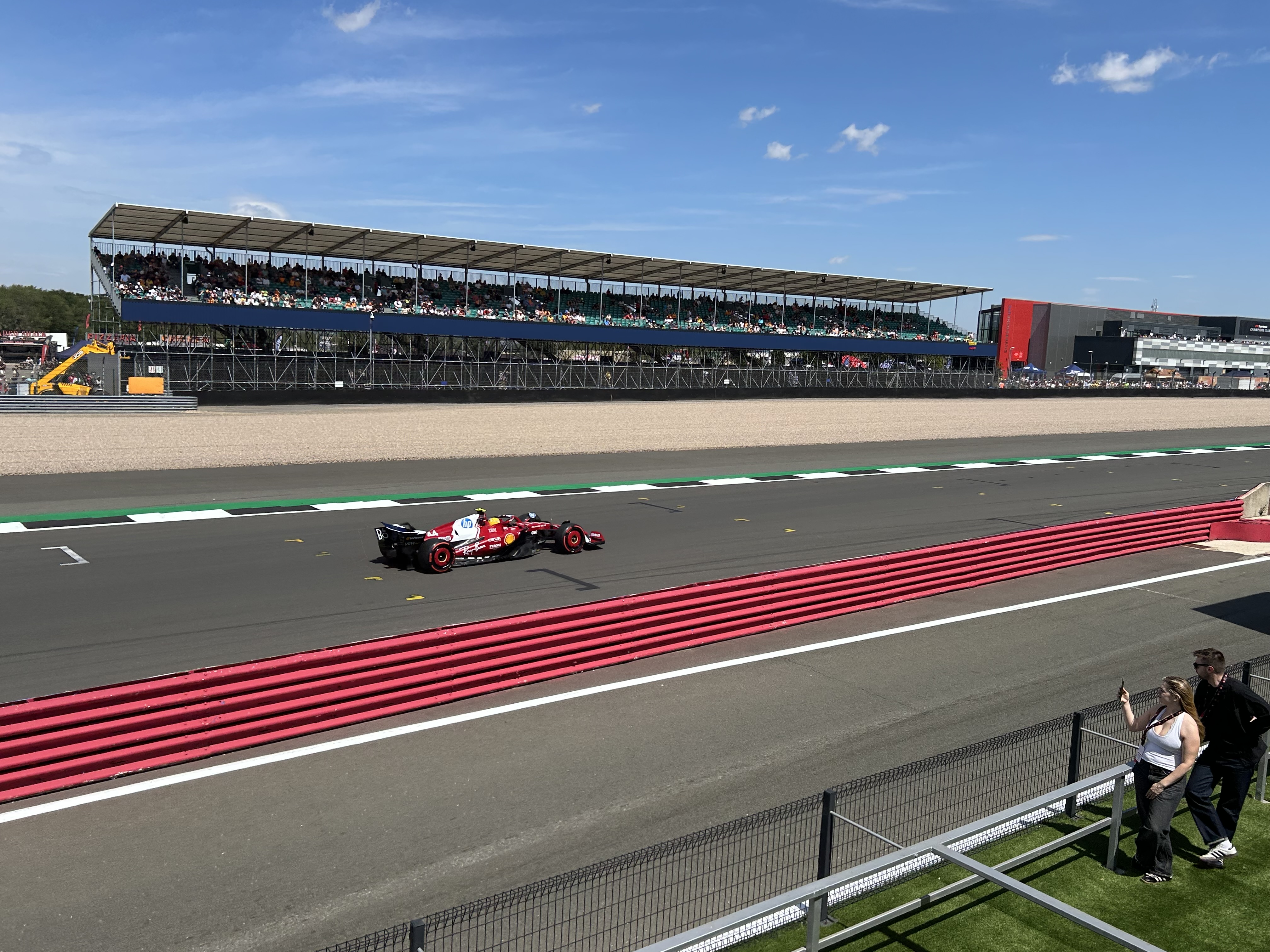
On television, if a Ferrari dives down the inside of another car into the first chicane, the audience can already see it. They know roughly where the cars are. They can see who is ahead, who is behind and whether somebody has locked a tyre.
My job is partly to explain why it matters. On the radio, before I can do that, I have another problem.I have to put the Ferrari there in the first place.
I need to tell you who it is racing, which side of the circuit they are on, whether the move is actually going to happen and, ideally, do all of that before they have reached the next corner.
It is one of the things I love most about radio commentary. It’s also a useful reminder of how easy it is to communicate badly.

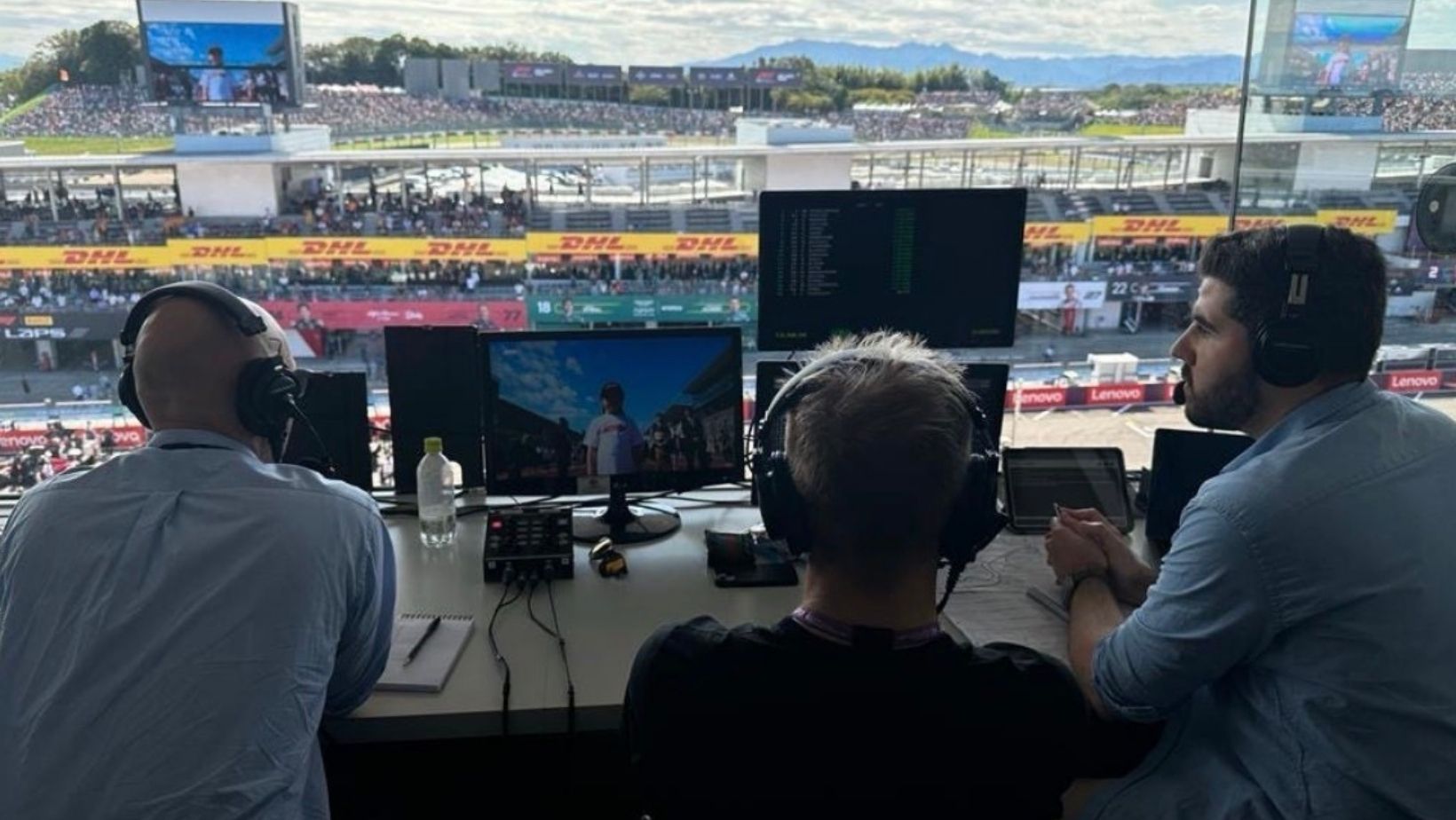
Inside a Formula 1 commentary box, there is an enormous amount of information available.
There are timing screens in front of me, television pictures, lap times, gaps between cars, team radio, messages from producers and pages of notes accumulated during the weekend.
The people alongside me have spent much of their careers immersed in the same sport. Very quickly, something can start to feel obvious. But the listener might be driving home from work.
They may have joined the race five minutes ago. They might not know why the car currently running ninth is suddenly the most interesting one on the circuit. They cannot see the timing screen showing that the leader is losing half a second every lap.
They certainly cannot see me pointing furiously at something happening outside the window.
The picture in my head is not automatically in theirs. I suspect that problem is familiar well beyond broadcasting.
We spend so much time inside our own jobs, businesses and projects that we gradually stop noticing how much context we have accumulated.
A manager has spent weeks discussing a change before announcing it to their team. By the time they explain the decision, the reasoning feels completely obvious to them.
It may be the first time everyone else has heard about it. Someone briefs a colleague on a project and leaves out the first half of the story because they have been thinking about it every day for a month.
An expert explains something using terminology that no longer feels technical to them. None of these people necessarily communicate badly because they don’t know enough. Sometimes they communicate badly because they know too much.
That is something broadcasting continually forces me to confront.
Formula 1 is particularly good at producing information that sounds important because it is complicated. Energy deployment. Tyre degradation. Aerodynamic balance. Undercuts. Brake temperatures. Regulations that sometimes require several readings before anybody is entirely sure what they mean.
You can know all of it and still fail to explain what is actually happening.
There is a temptation, particularly when you have spent hours preparing, to prove that the preparation was worthwhile.
I found this fascinating fact. Therefore, surely, somebody must hear it.
Unfortunately, the audience did not devote their Thursday evening to reading my notes. Nor should they have to. The job is not to demonstrate the amount of information sitting in front of me. It is to decide which bit helps the listener understand what is happening now.
And before explaining the complicated bit, sometimes you simply need to establish the picture.
Who is where?
What has changed?
Why are we suddenly talking about this?
Why should you care?
Radio makes that discipline particularly unforgiving because there is nowhere for a missing piece of context to hide.
If I say, “Hamilton is closing rapidly now,” the obvious question is: on who?
If I announce that somebody has made a brilliant strategy call without explaining what they have done differently, I haven’t really explained anything.
If the crowd at Monza suddenly explodes because a Ferrari has appeared at the front of the field, the noise might tell you that something significant has happened.
It is still my job to tell you what.
The same principle has changed the way I think about communication more generally. Before giving somebody more information, it is worth asking what information they already have.
Not what you told them last Tuesday. Not what is written somewhere in an email chain. Not what everybody in your department has been discussing for six months.
What does this person actually know, right now? That question sounds ridiculously simple. It is surprisingly difficult to remember. The longer we spend in a particular environment, the harder it becomes to imagine what it looks like from outside it.
There is also a difference between simplifying something and dumbing it down. A good explanation does not mean removing all the complexity. Sometimes the complexity is the interesting part. It means building enough of a bridge for somebody else to reach it.
On radio, that might mean describing two cars arriving side-by-side at Monza’s first corner before explaining why one of them desperately needs to get ahead before the pit stops.
In a business, it might mean explaining the reason for a decision before showing everyone the spreadsheet behind it.
In either case, clarity starts before the detail. This weekend, I’ll have a lot of information around me.
I’ll have timing screens, television feeds, notes, producers and colleagues all helping to build a picture of the race.
Someone listening to 5 Live may have none of that. That isn’t a disadvantage to overcome. It is the entire point of the job. Because communication isn’t really about transferring everything you know to somebody else.
It is about working out what they need in order to understand and remembering that however clear the picture may be in your head, nobody else can see it until you show them.














.jpeg)




























.png)
.png)
.png)
.png)